

We awoke to thunder and lightning, and checking the radar it was hanging around for a few hours. We decided to wait it out and leave later.
We had a busy day planned. 106 km or so, plus many things to look at as we were in the region of Normandy where all the D-Day activity took place in World War II, commencing June 6, 1944.
D-Day involved 156,000 troops landing on the Normandy beaches, with another 23,400 airborne troops. It remains the largest seaborne invasion in history and laid the foundations for the Allied victory on the Western front.
To really see, explore, understand and pay respect you would need many days in this area, given the number of sites, artefacts and museums. We got a taster.
Heading from Bayeux to the coast we arrived at Longues-sur-mer battery, a German defensive position, overlooking Baie-de-Seine.
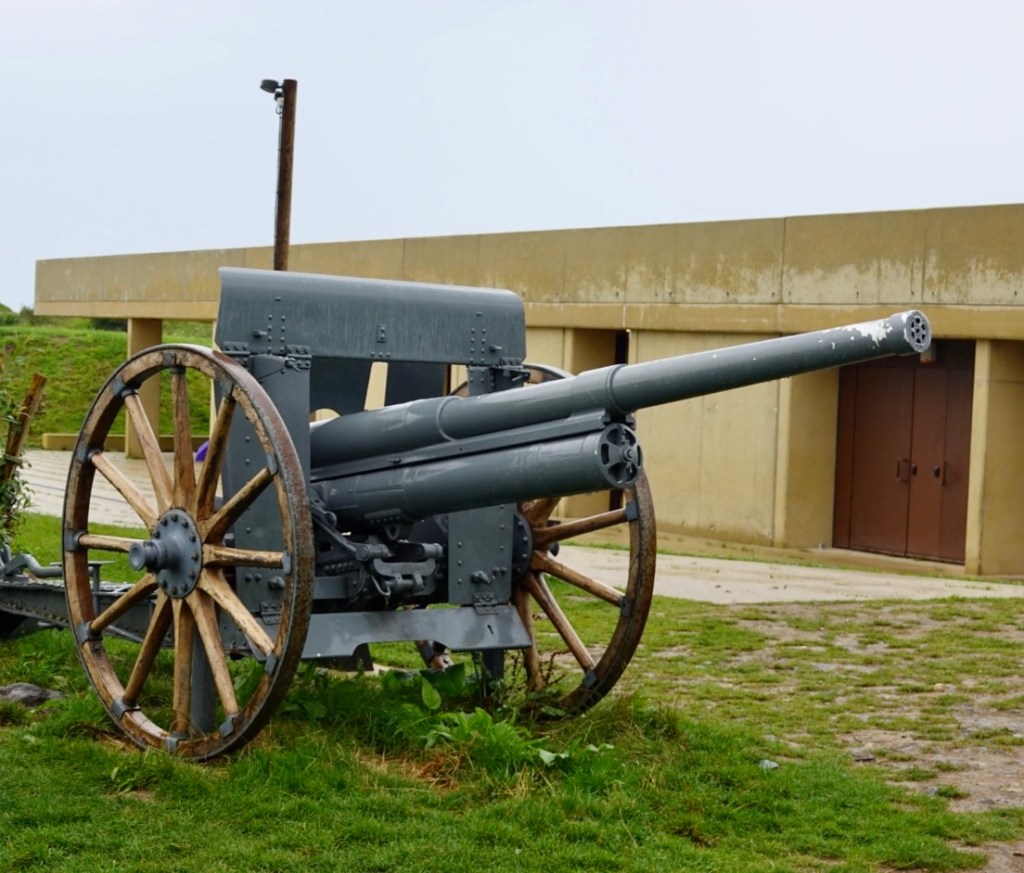
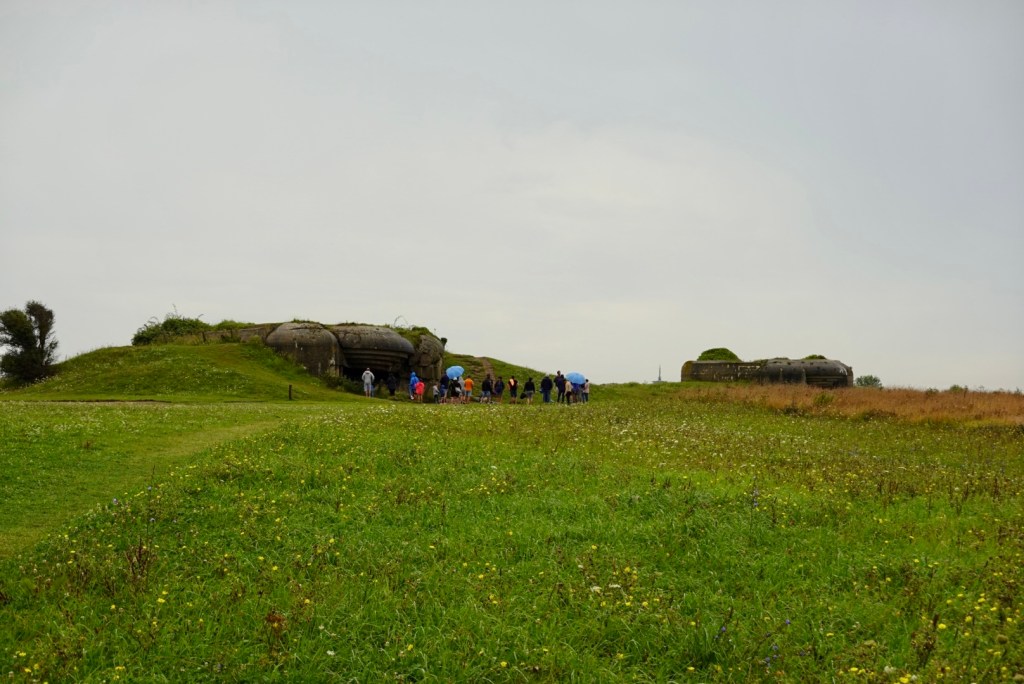
We then headed towards Arromanches on a narrow, deteriorating track, headed inland looking for bitumen, ending upon a better quality gravel path.
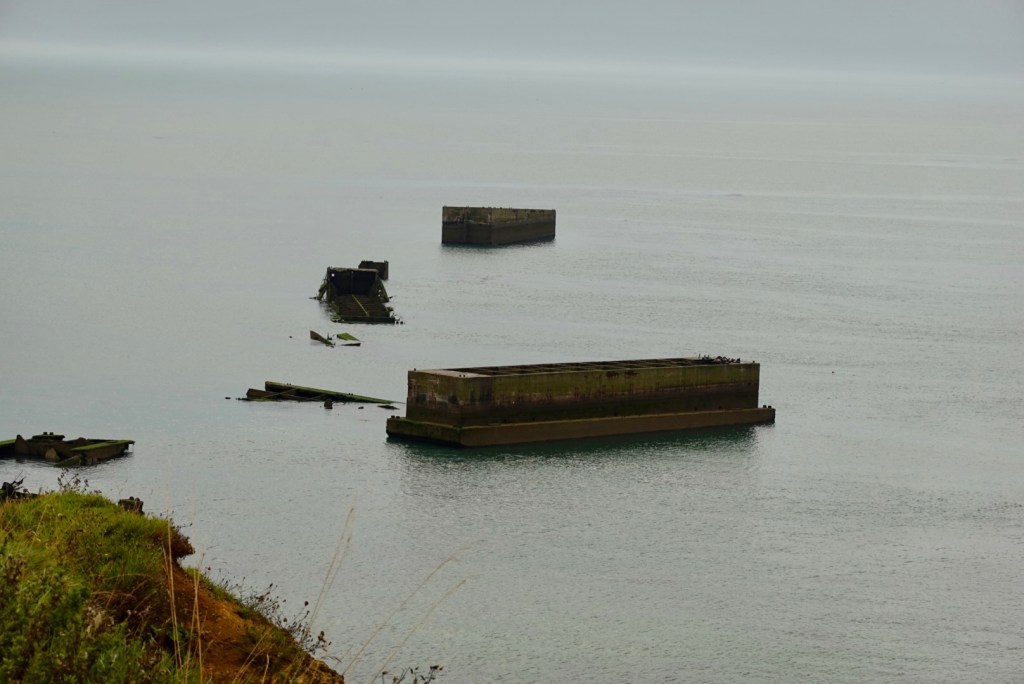
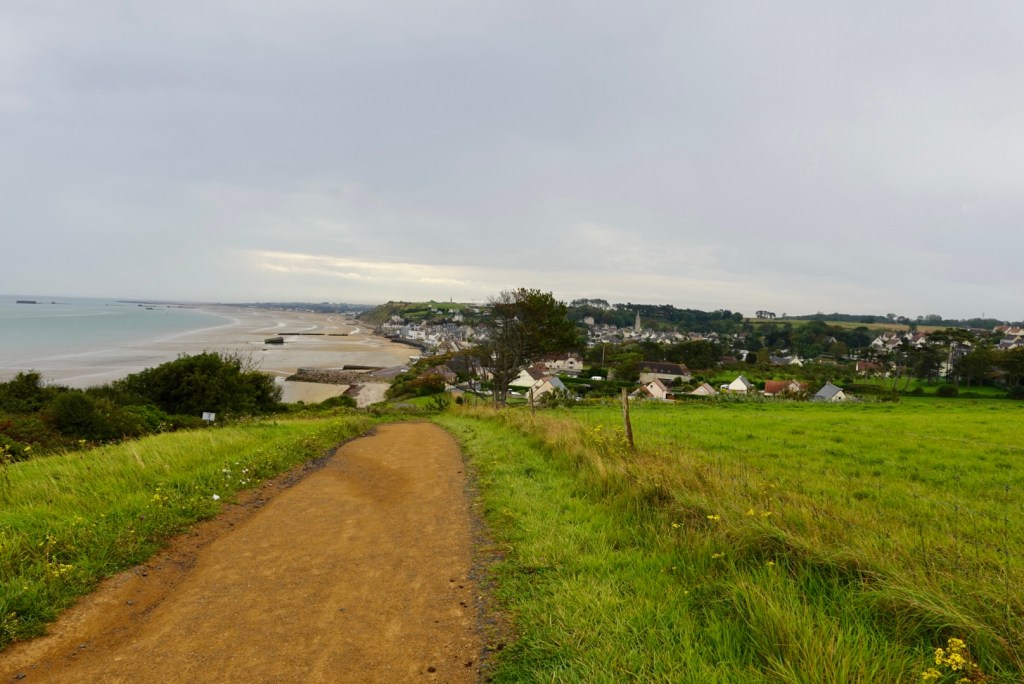
Arromanches is historic. It is where Gold beach invasions occurred, and where a Mulberry Harbour artificial port was installed, built and developed by Allied engineers. the second Mulberry Harbour was installed further west at Omaha Beach.
The Mulberry harbour Allier the disembarkation of 9,000 tons of material per day including heavy equipment, without waiting for the conquest of deep ports further north such as Cherbourg or Le Havre.
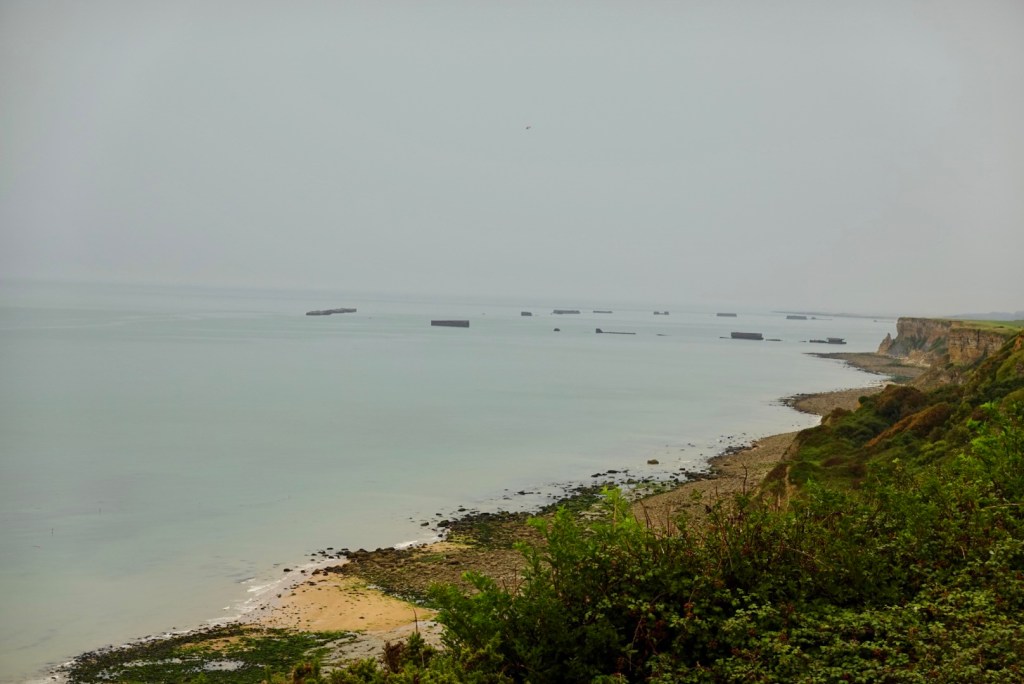
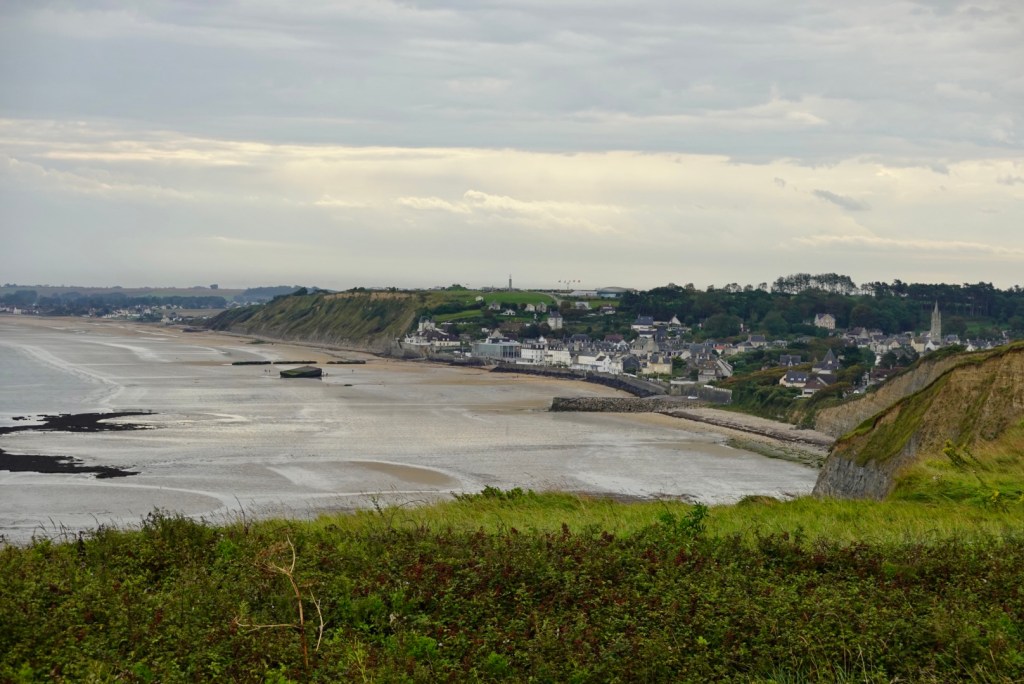
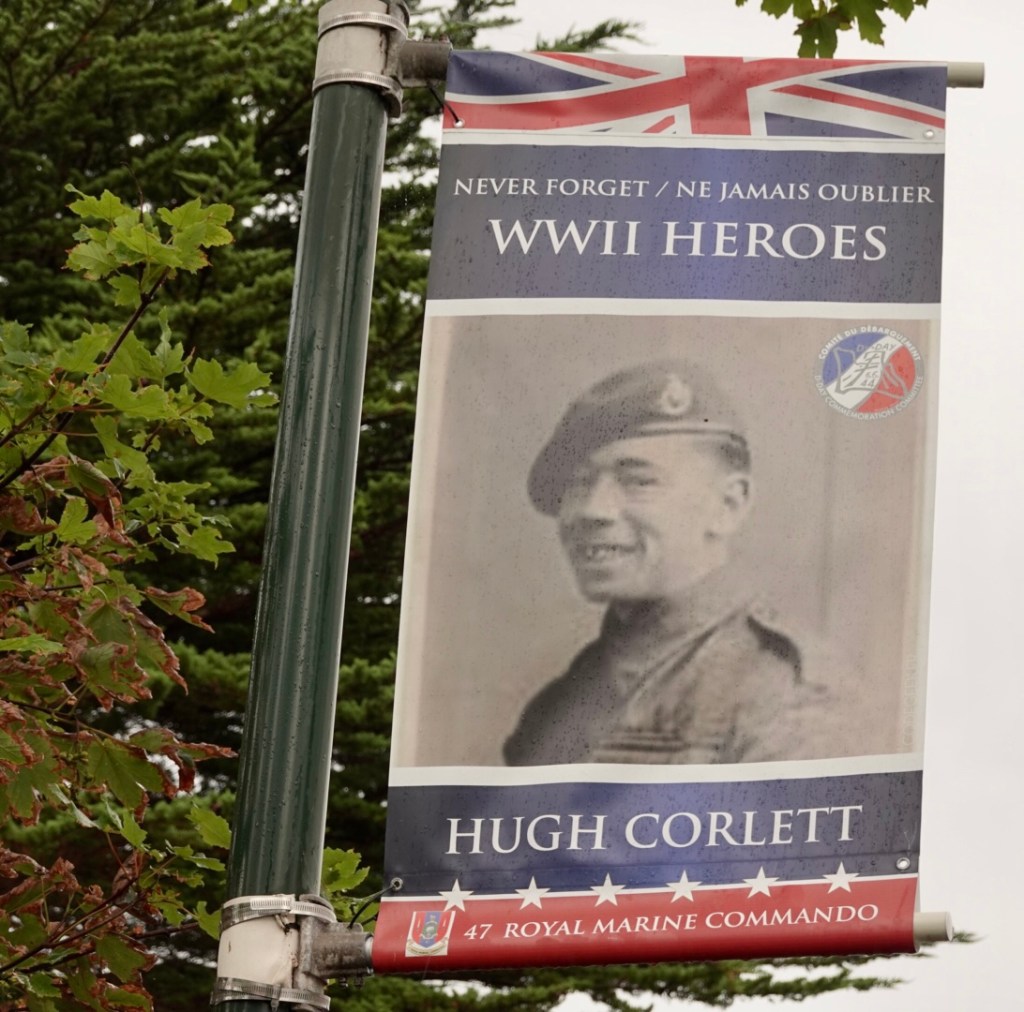
Once in the busy town the streets are lined with these banners on light posts remembering names of soldiers who fought and died.
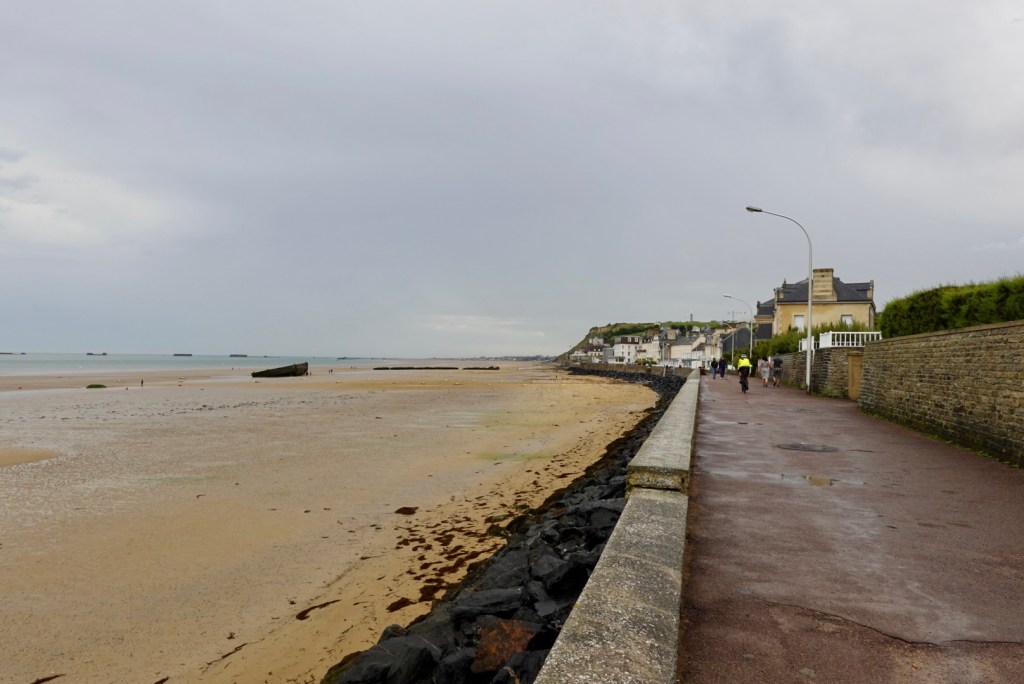
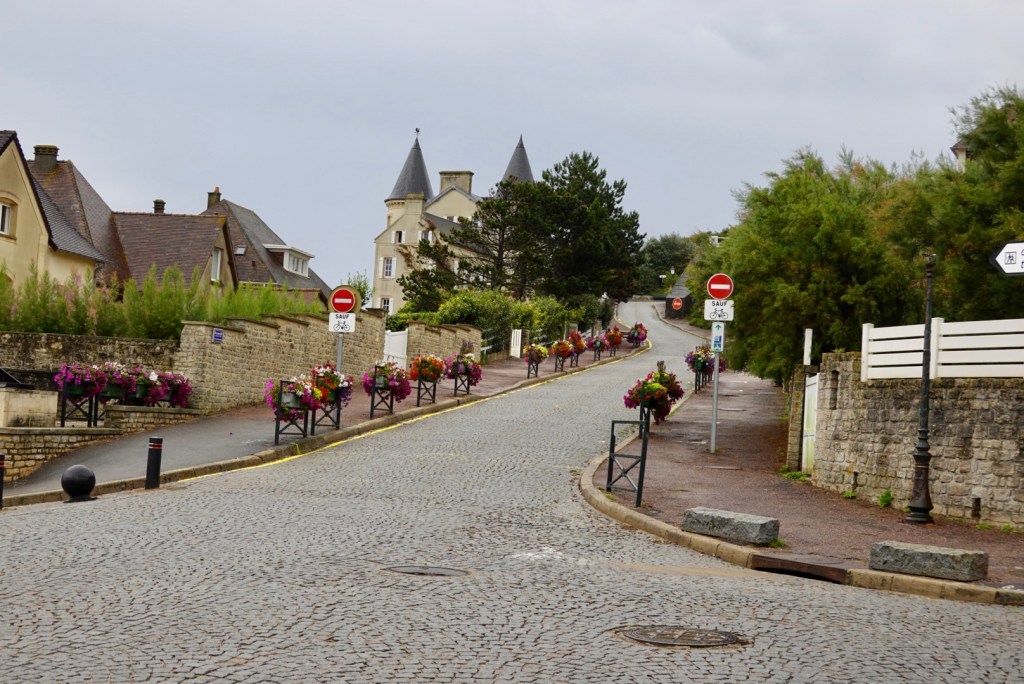
It was a nasty climb out. It got to 19% in the last few hundred metres.
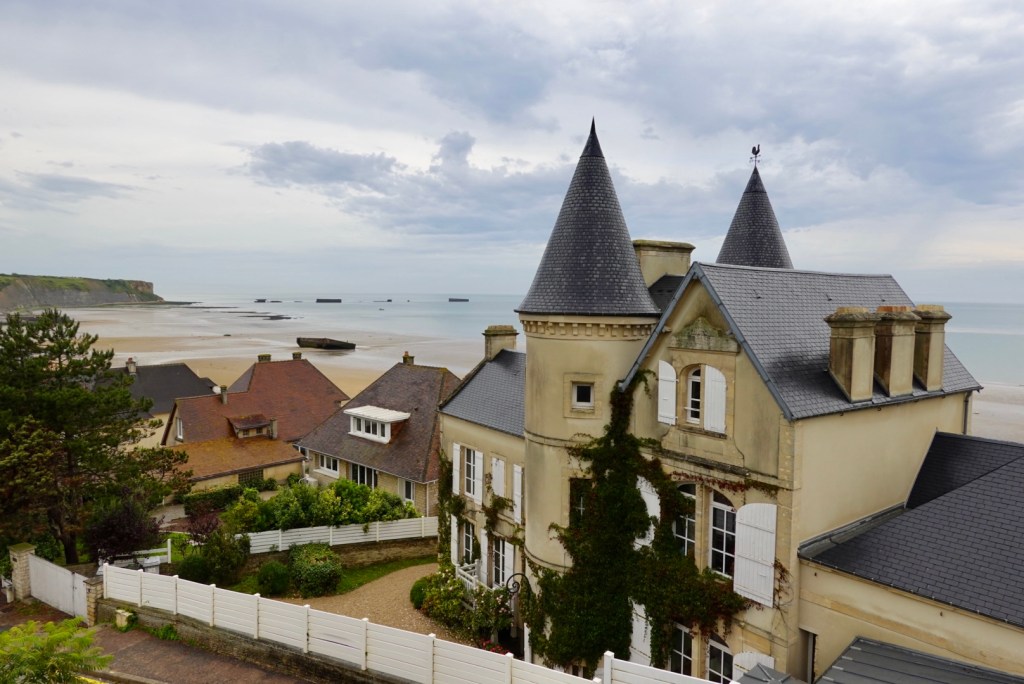
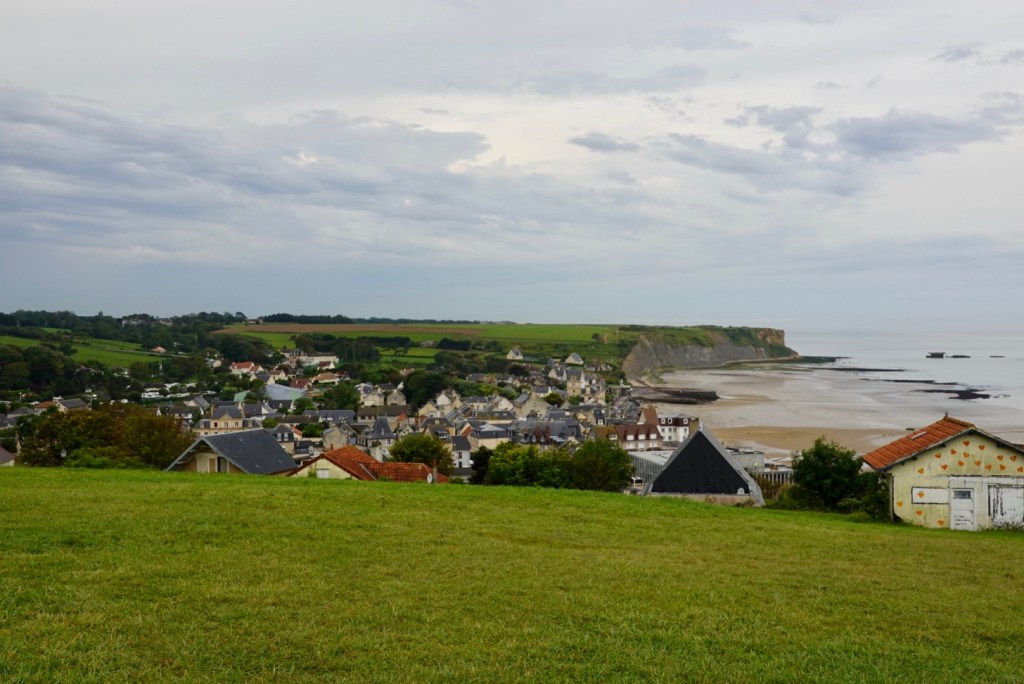
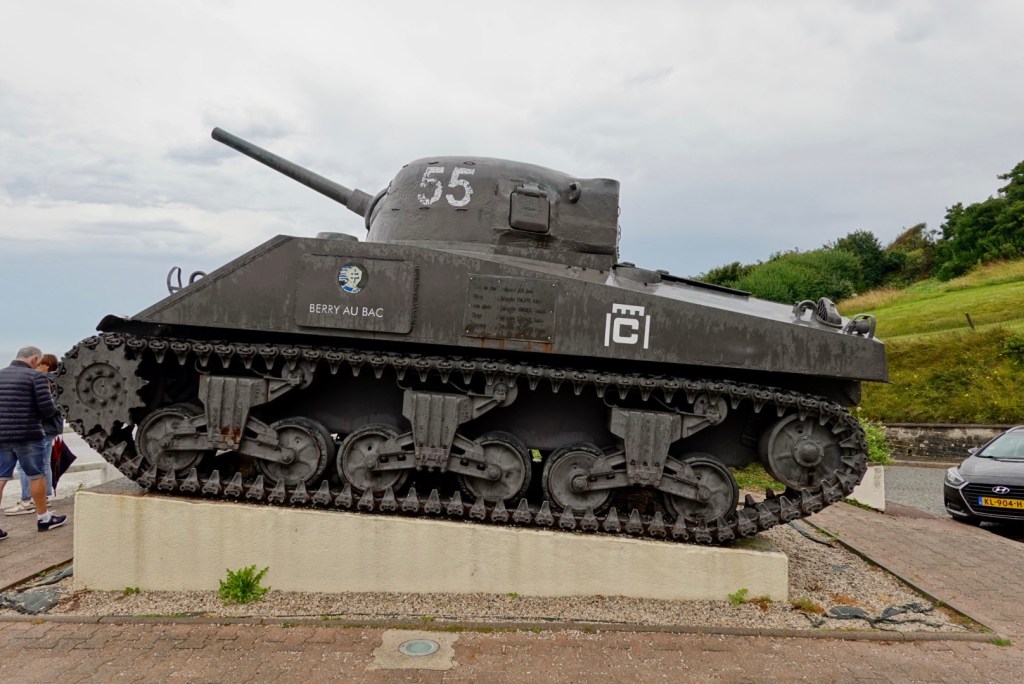
At the top overlooking Gold Beach is a large museum and multiple memorials. Some of the images.
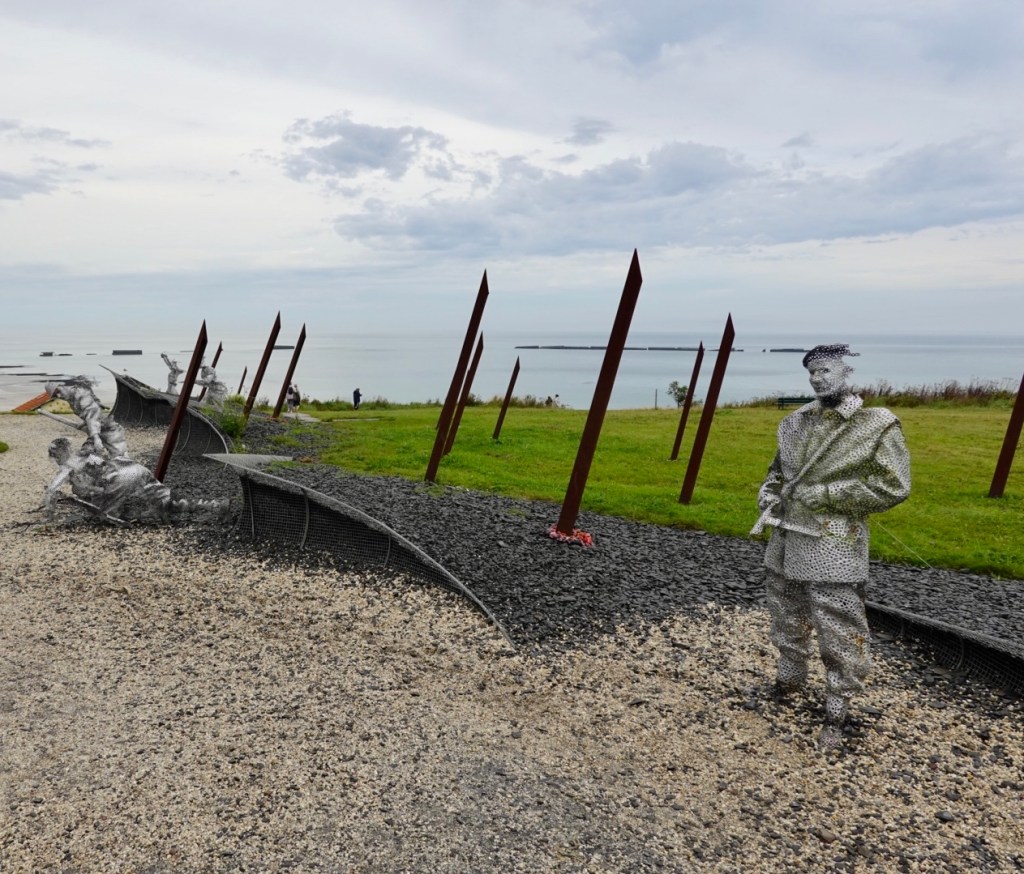
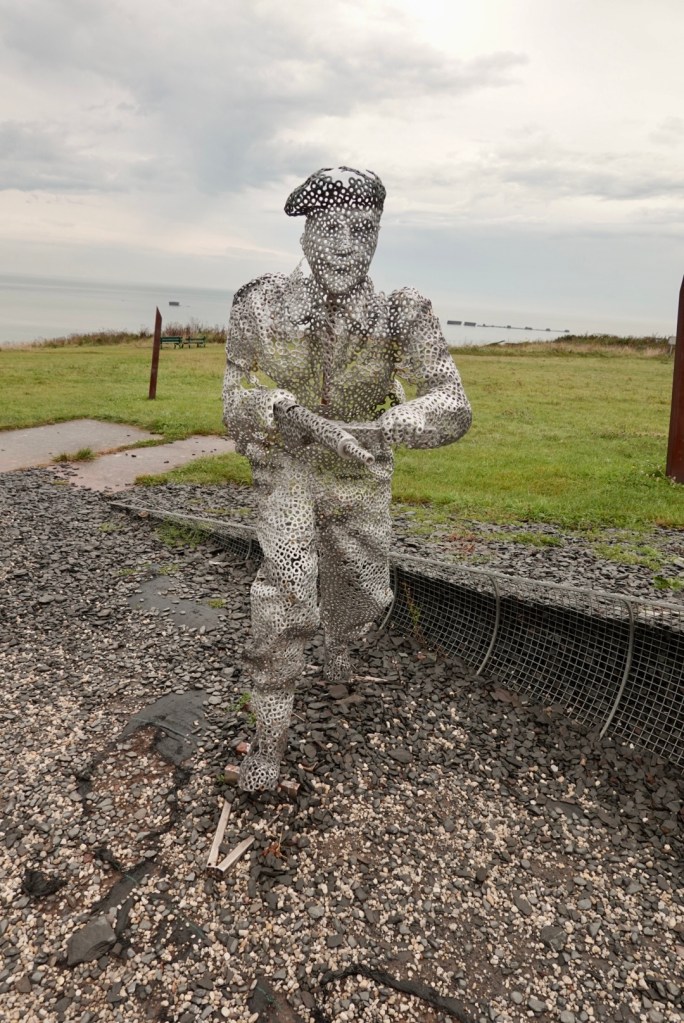
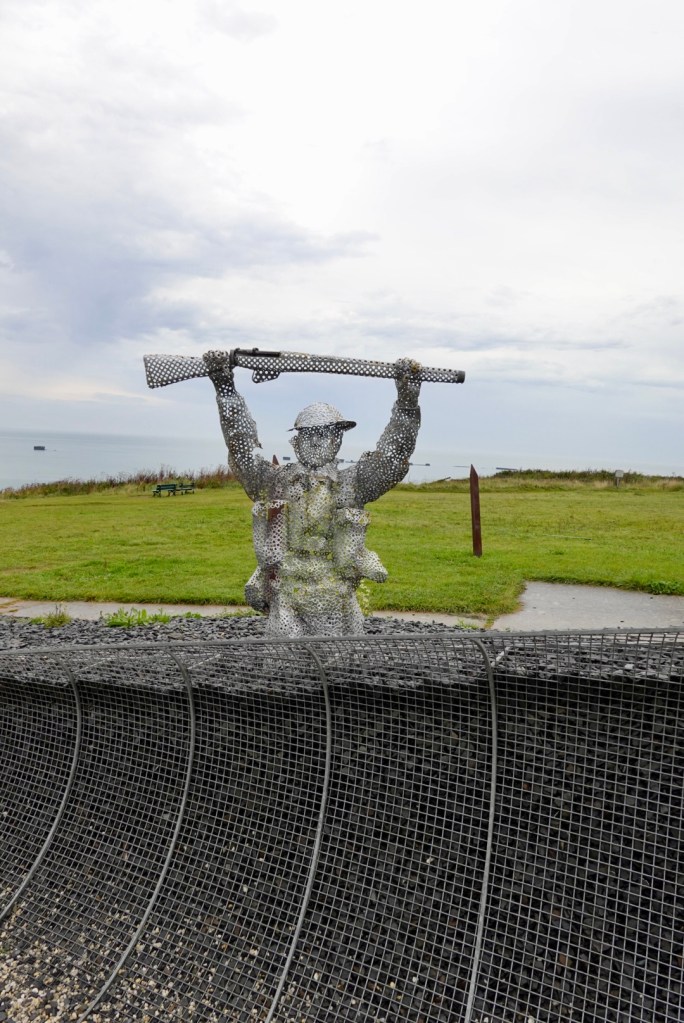
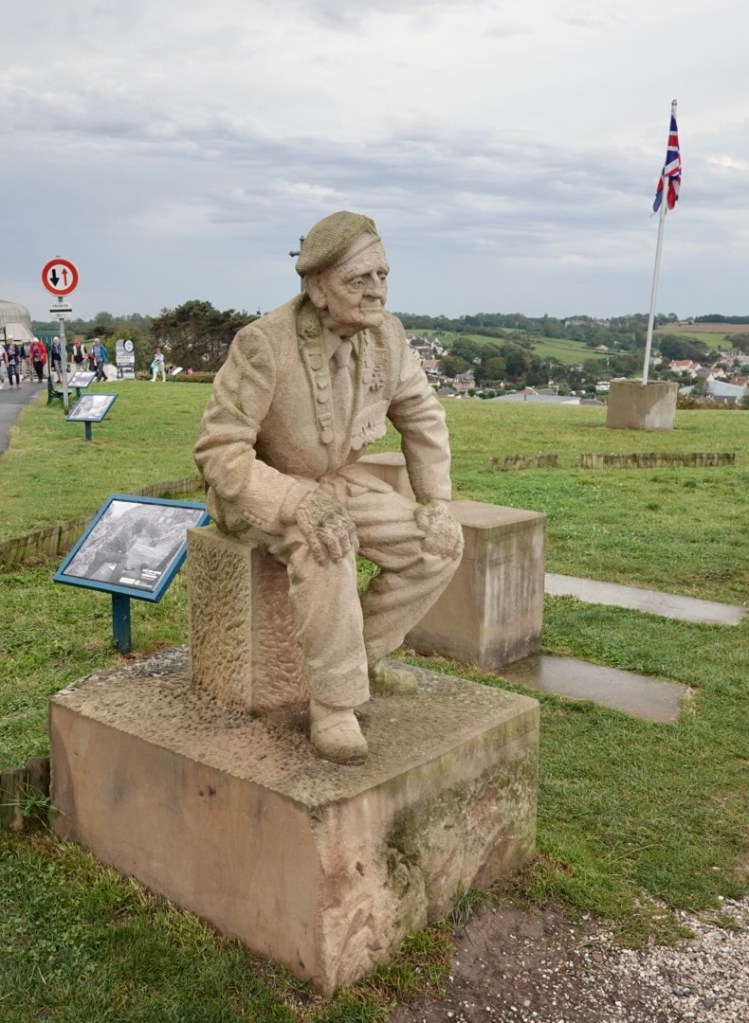
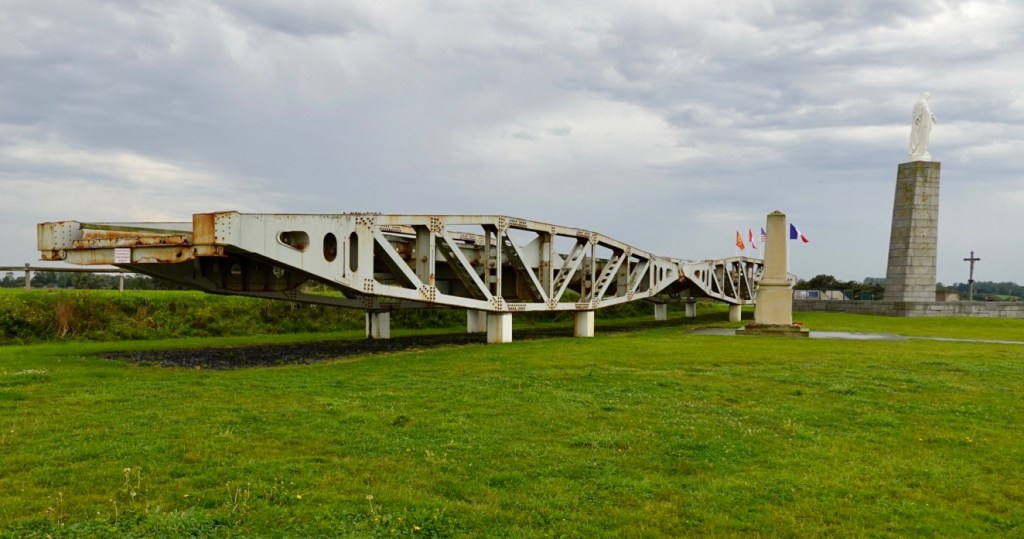
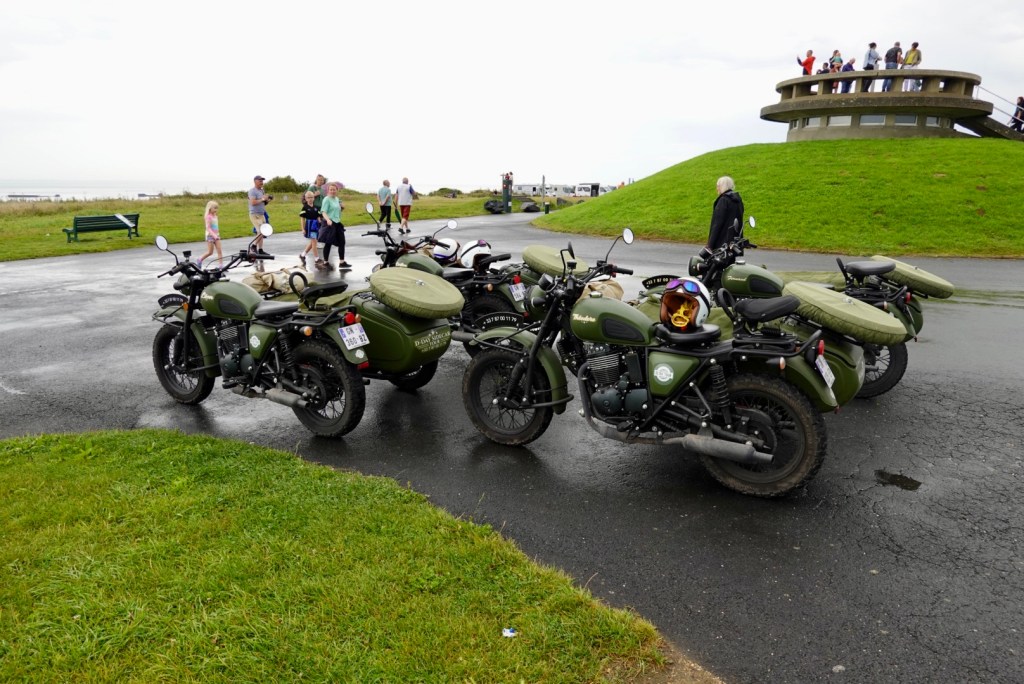
Travelling along the coast we came in and out of many beaches. It was raining again, but not heavily.
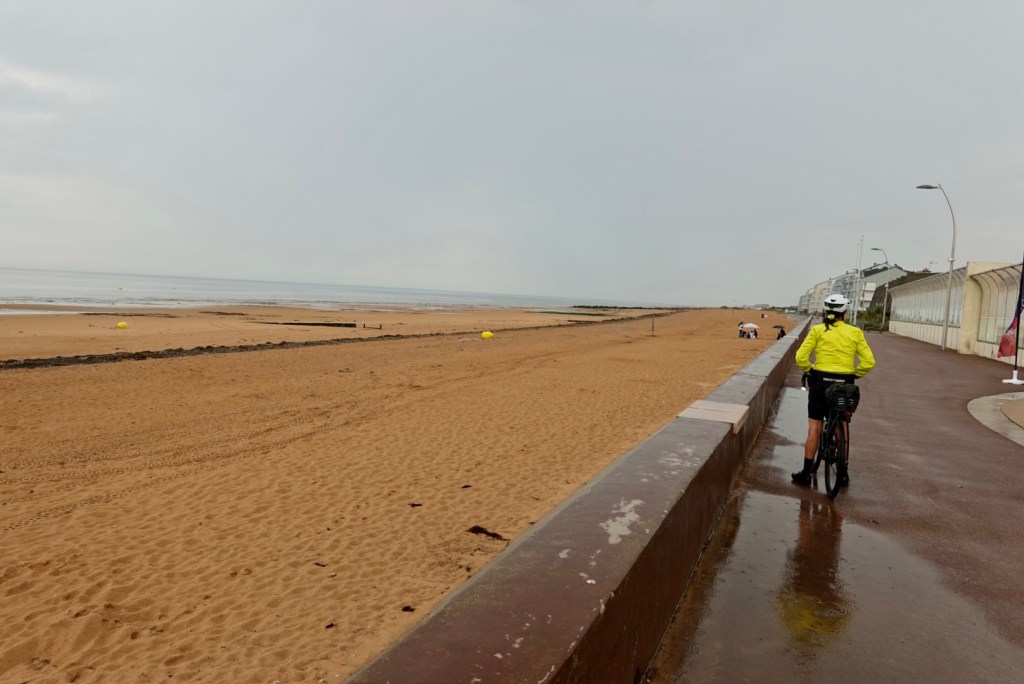
No matter where you looked there were things to see.
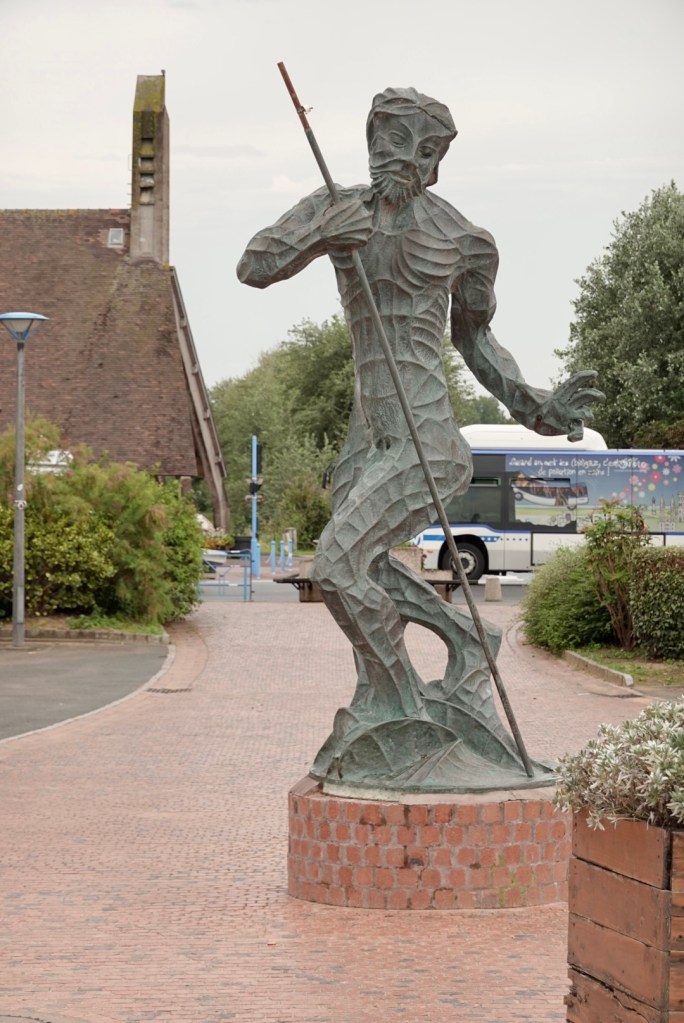
At Ouistreham traffic was busy as a port operates from there on the canal de Caen mouth, heading to Portsmouth in England.
We followed the canal inland for about five km. The most disturbing site were the Sudanese refugees camped in the area. Part of their camp is adjacent to the shared pathway.
There are little log fires, piles of timber cut for more fires, washing out and I saw a man cleaning his teeth. They are all men and many were on their mobile phones so must have access to some $ and power.
This camp has been tolerated by authorities unlike some around Dieppe and Calais.
They are seeking to hide themselves on trucks crossing the ferry for a supposed better life in England. Maybe the support services are better in England vs France, I am not sure but it is a sad plight of society to see the reality of this situation.
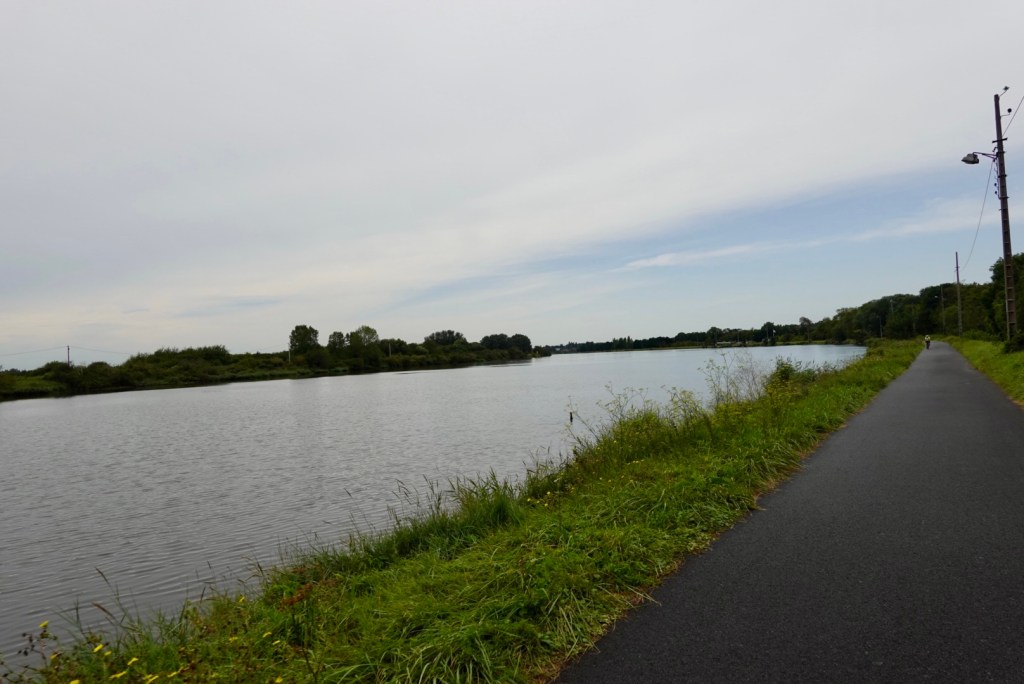
Pegasus Bridge marked the start of the Battle of Normandy. The British 6th Airborne Division landed near the bridge on the night of 5th June 1944, as a spearhead to the Allied Armies of Liberation.
The Pegasus Bridge Cafe is arguably the first French house to be liberated with the arrival of three British paratroopers. The owners had been involved in the French Resistance passing on information about the defences around the bridge to the British through the French underground.
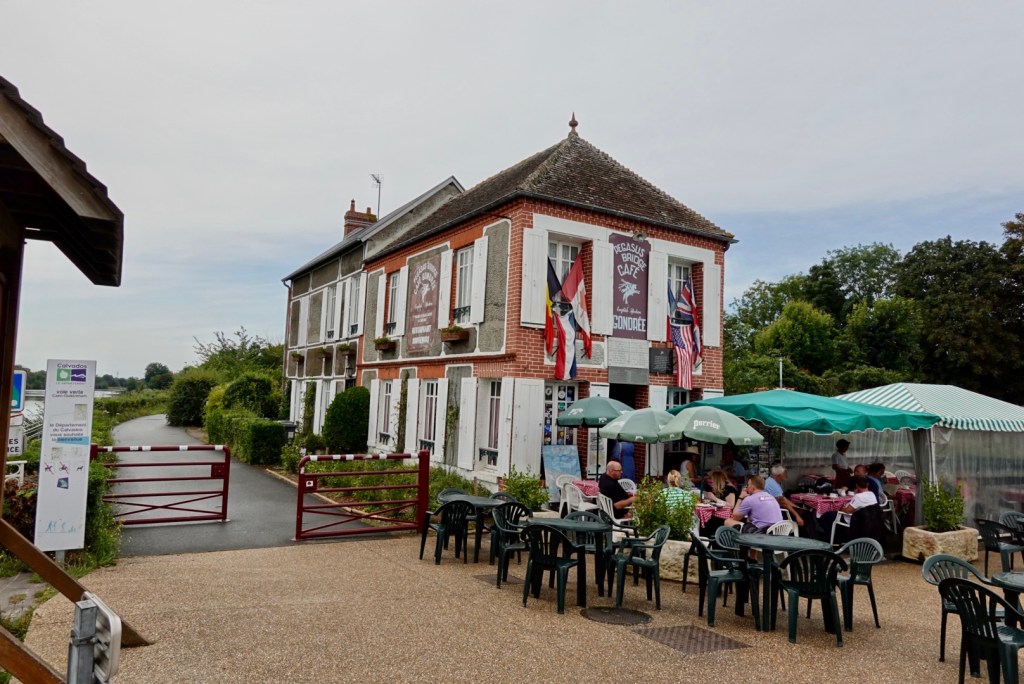
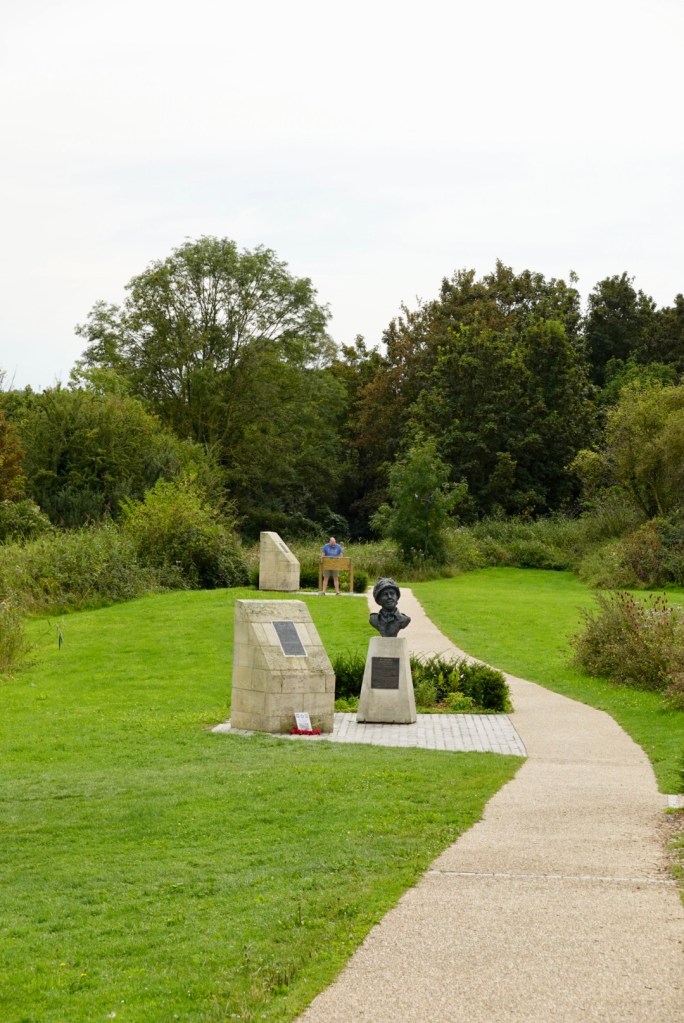
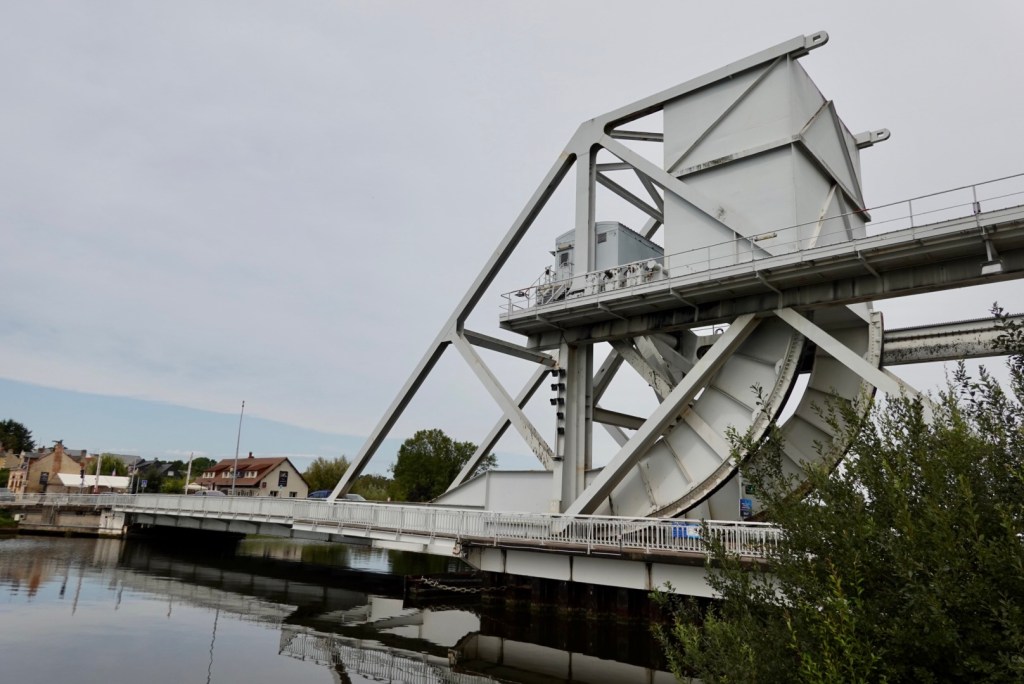
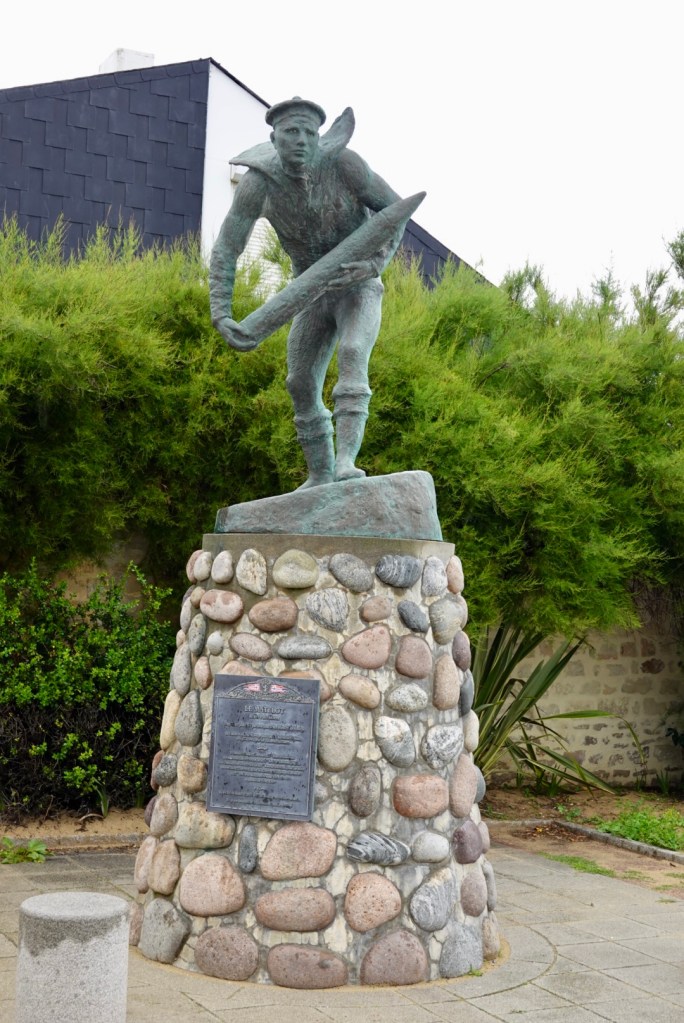
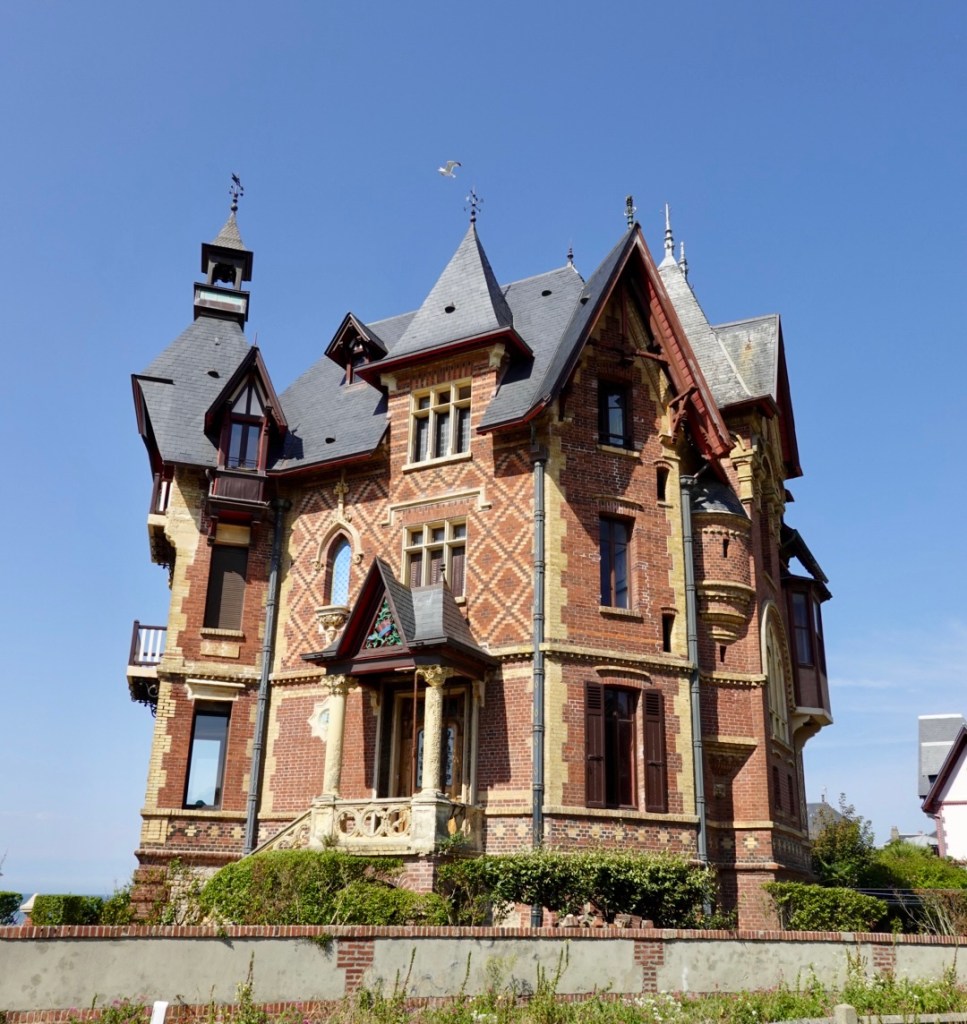
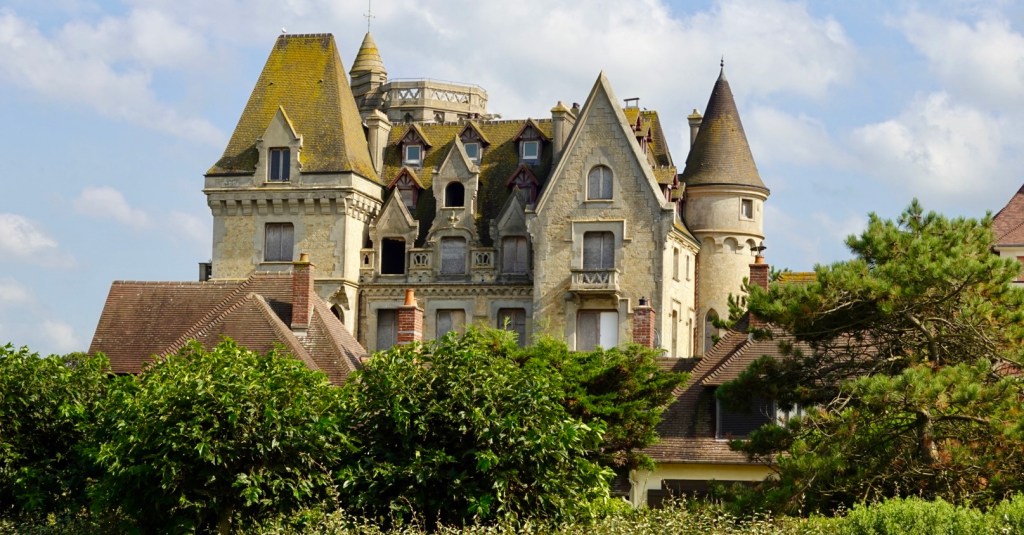
Along the coast there are so many large hotels, houses of various styles.
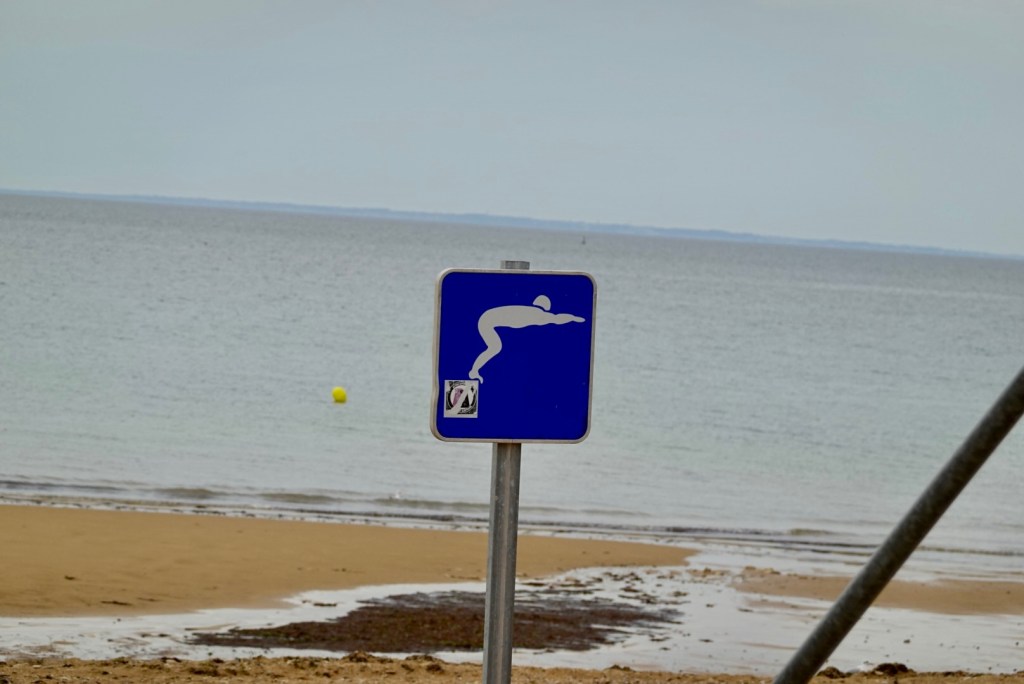
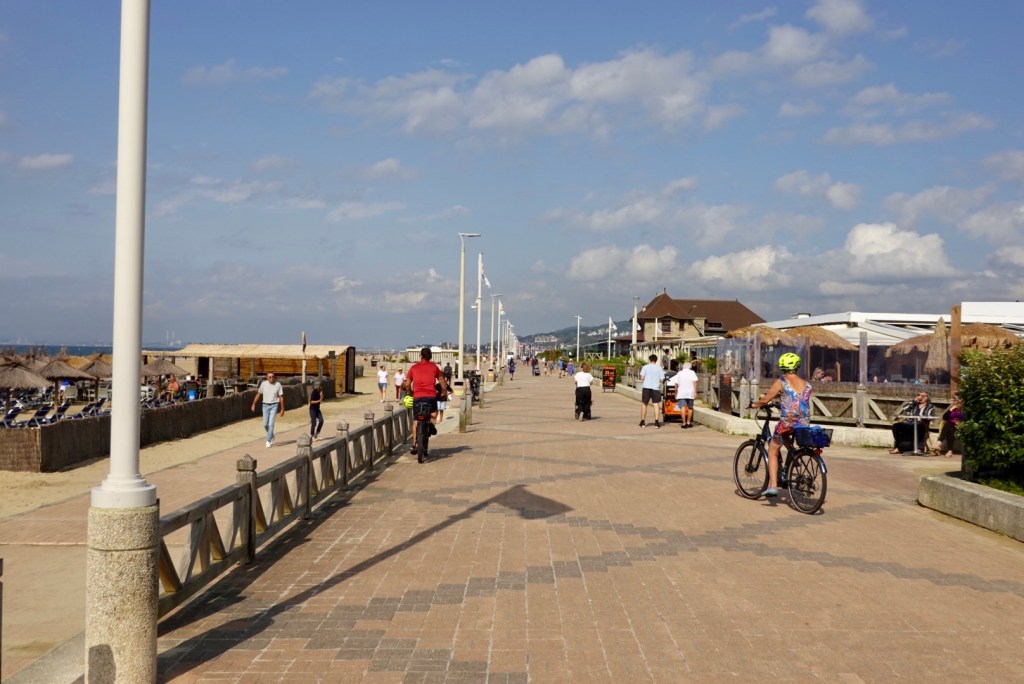
The weather was hot and humid in the afternoon. Lifeguards were patrolling beaches from their raised areas.
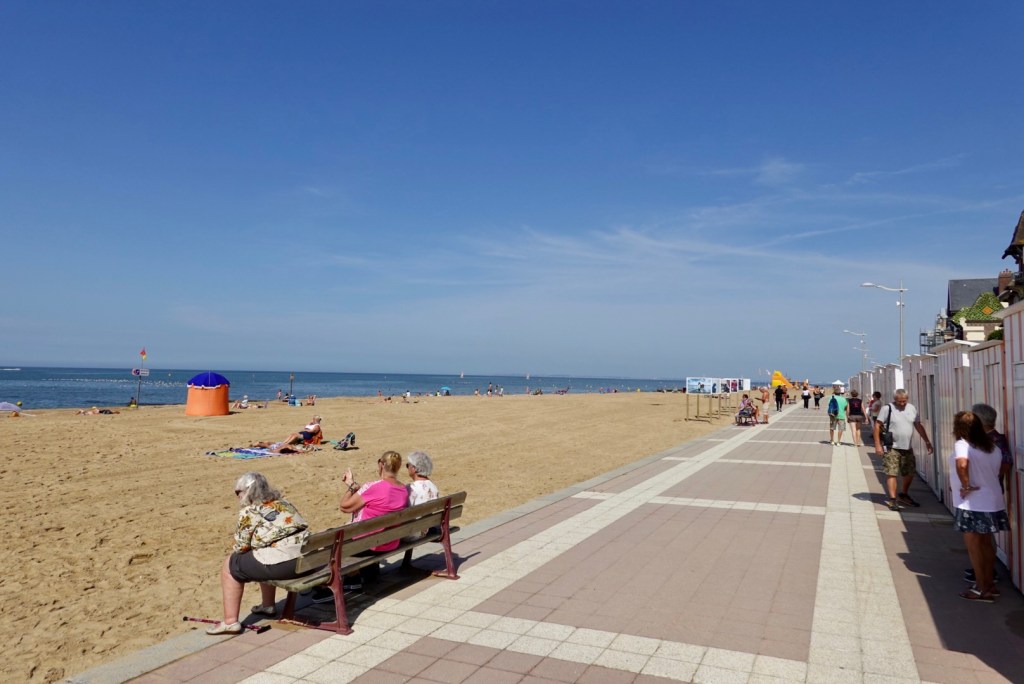
We rode through increasingly larger and busier towns. We aimed just to get through them as traffic was crazy. Cabourg, Deauville and Trouville being the hairiest,.
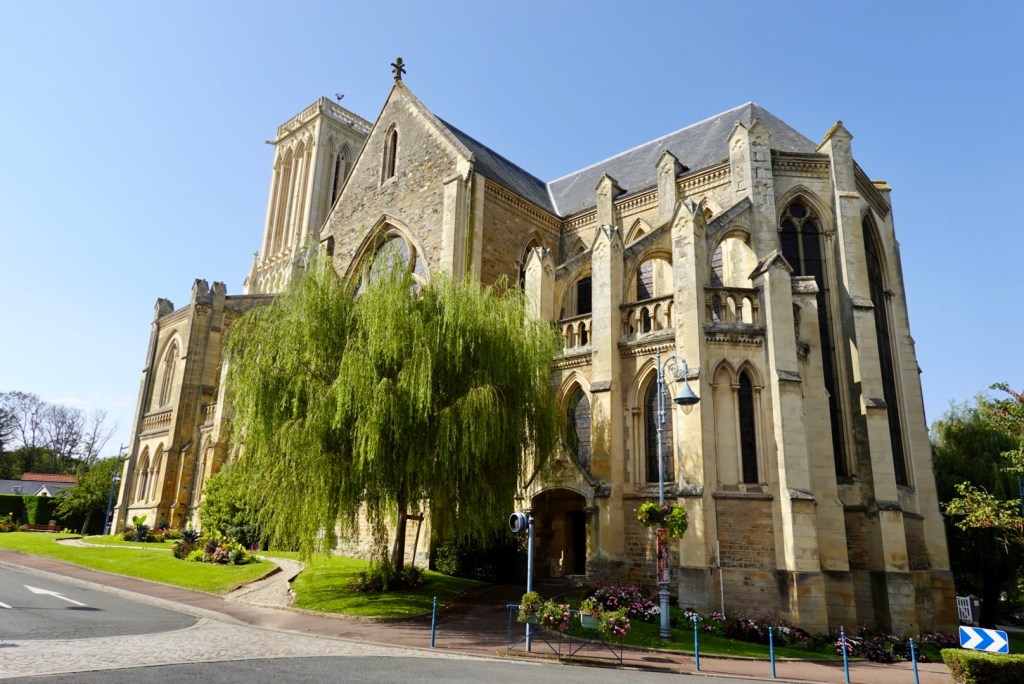
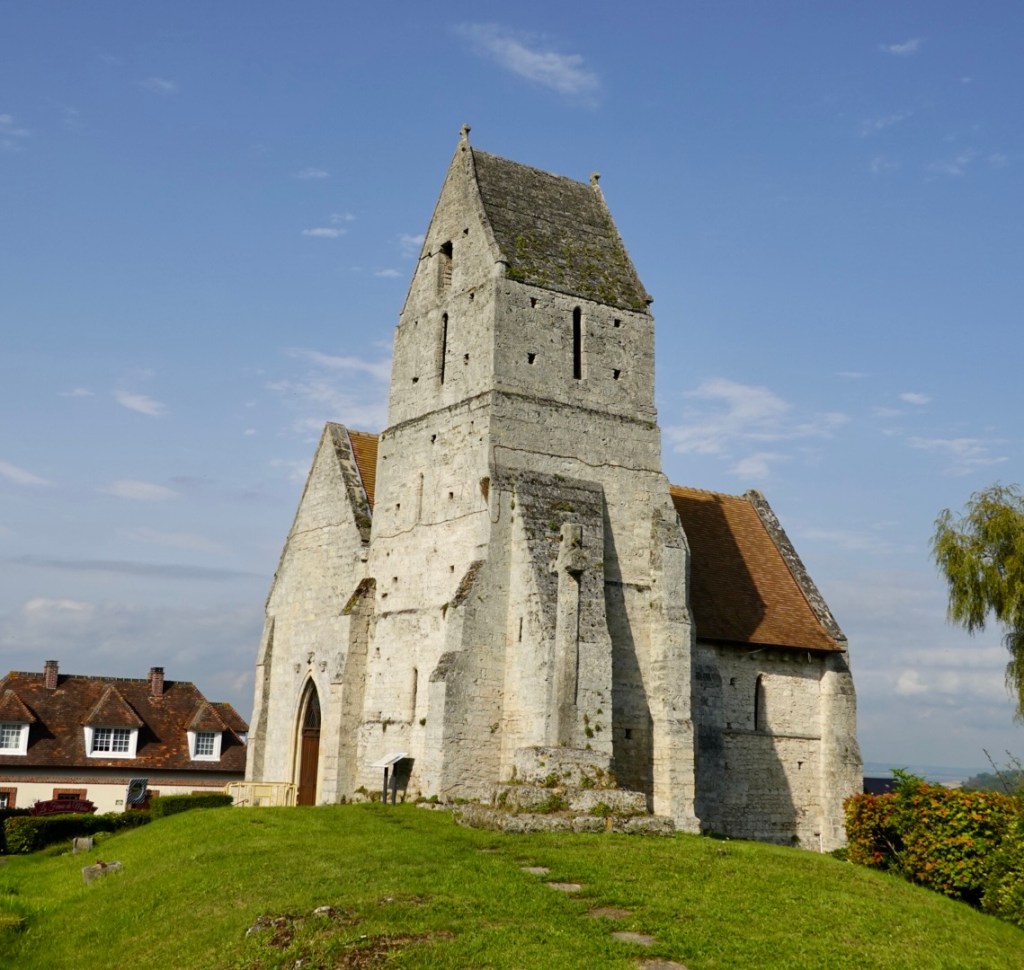
The last five km before Honfleur were again quieter rural roads, dotted with villages. I liked this old church.
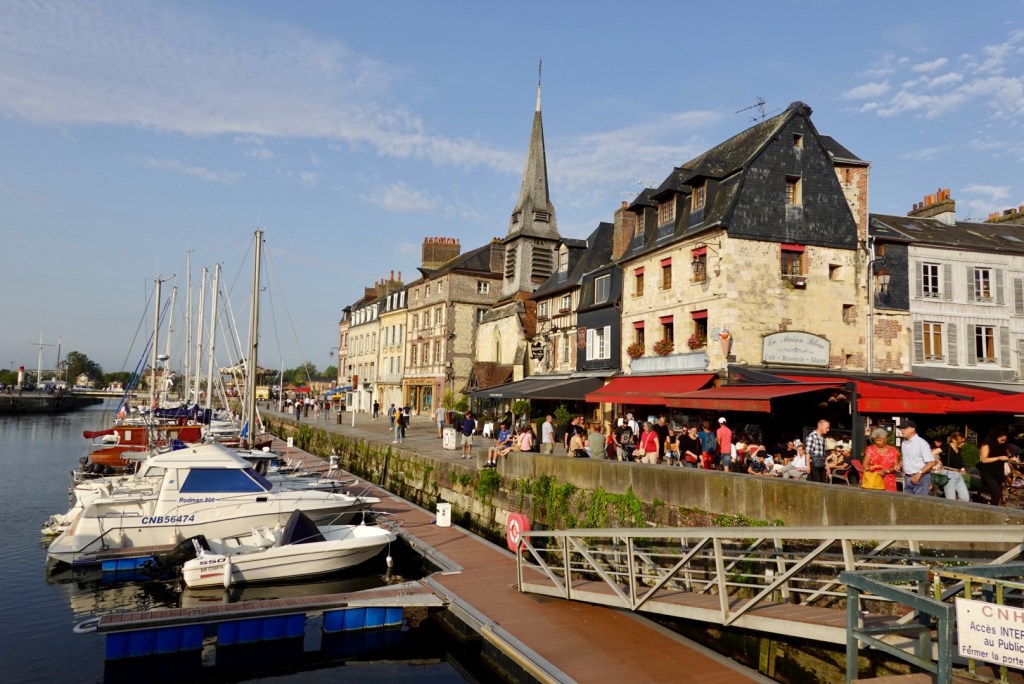
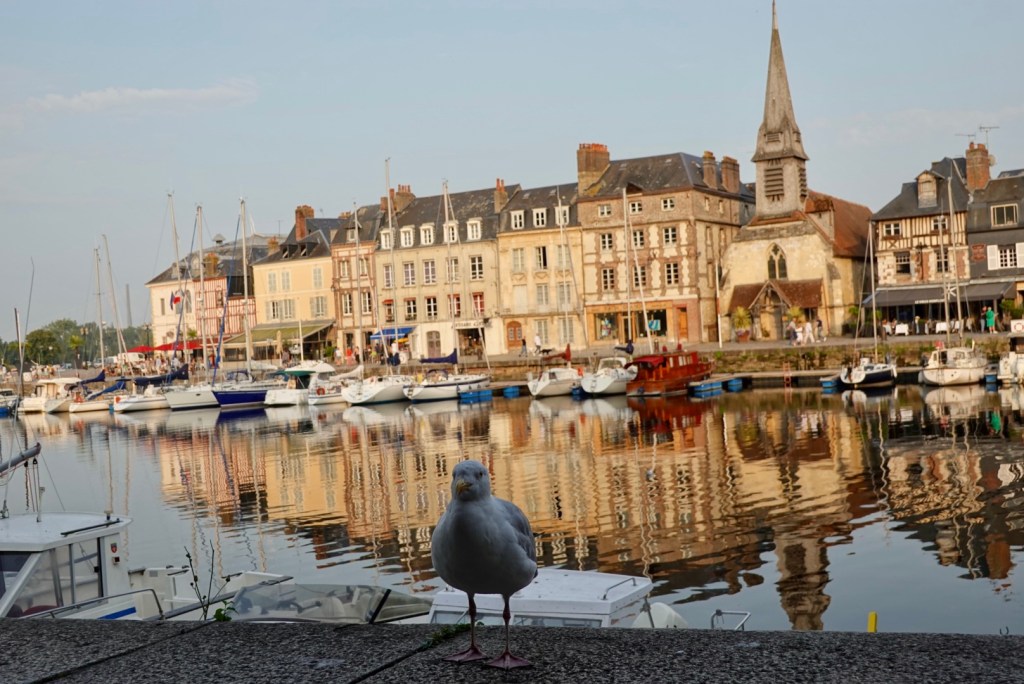
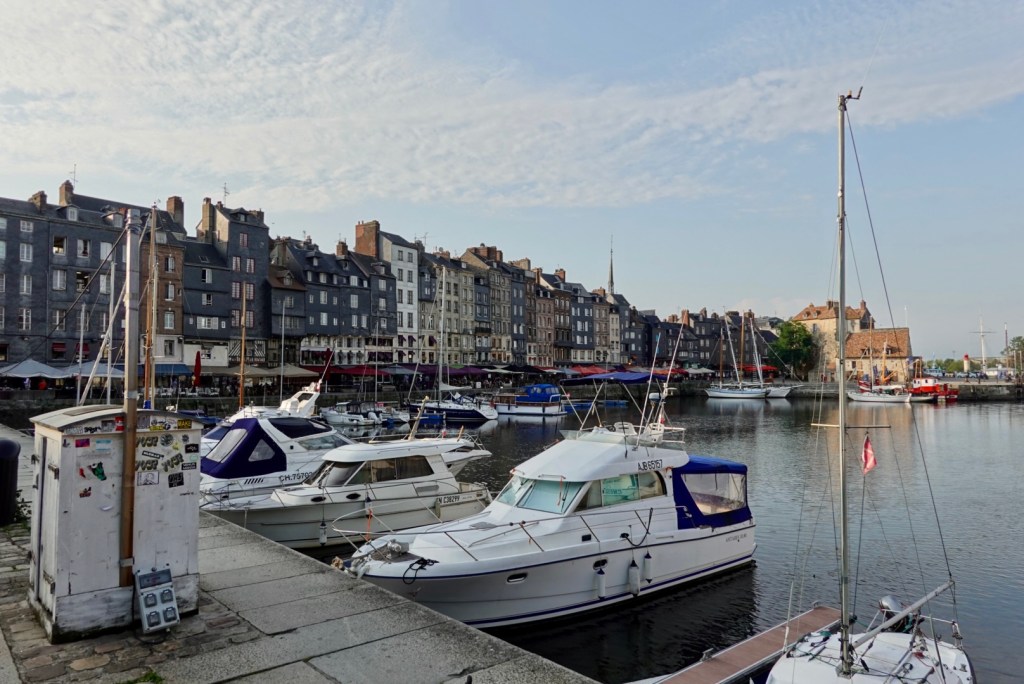
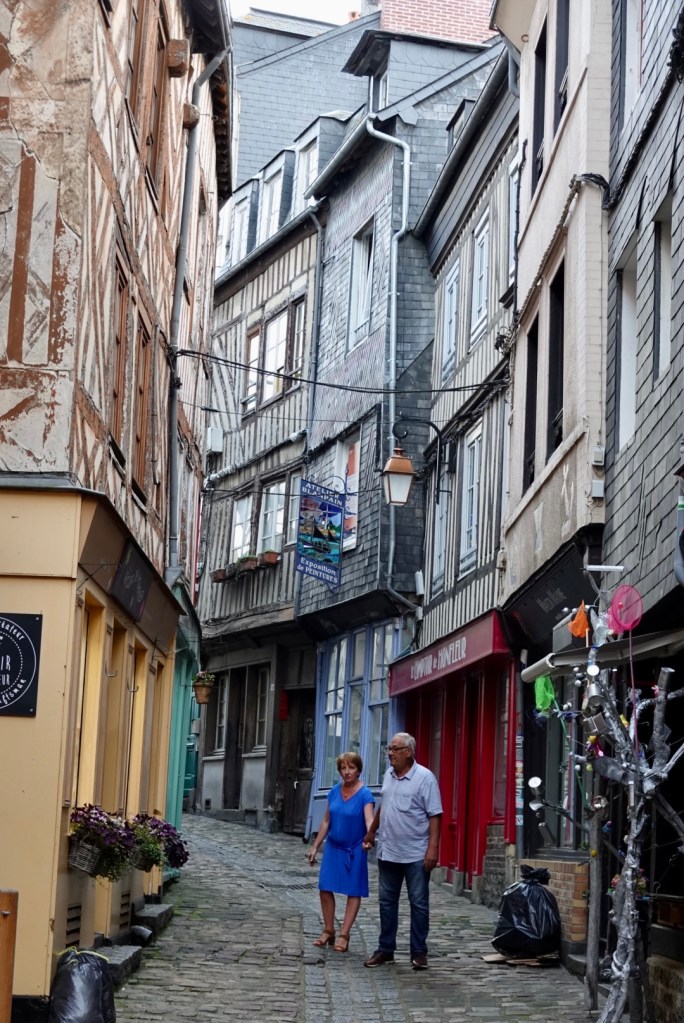
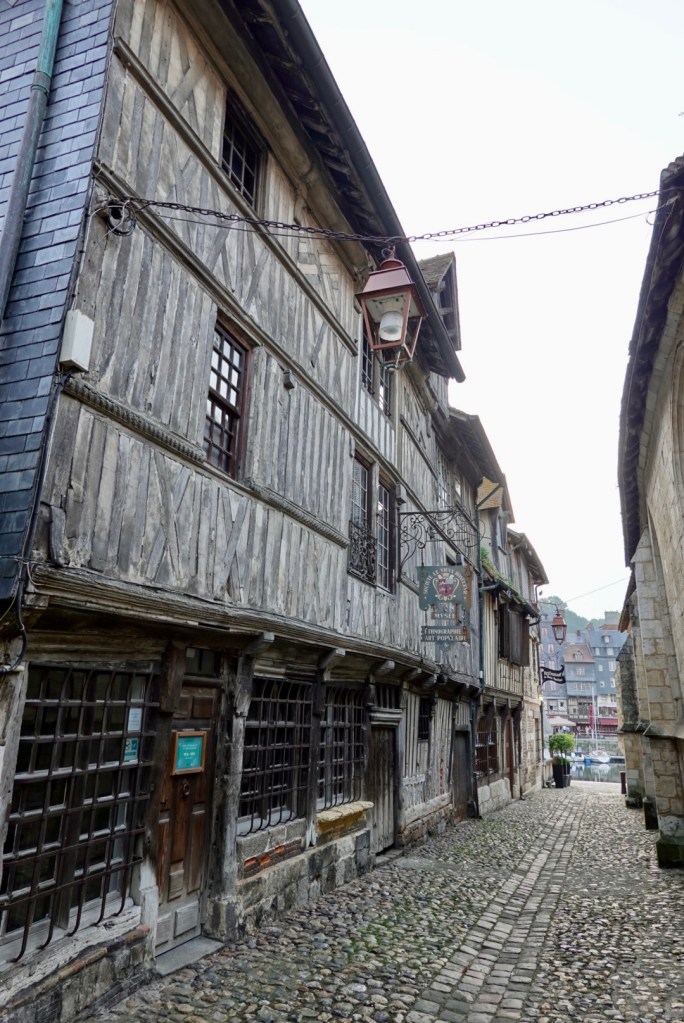
Honfleur was a major defensive port in the 15th century. At the heart of the town is the 17th century Vieux Basin with pictureque tall houses (up to 6-7 storeys).
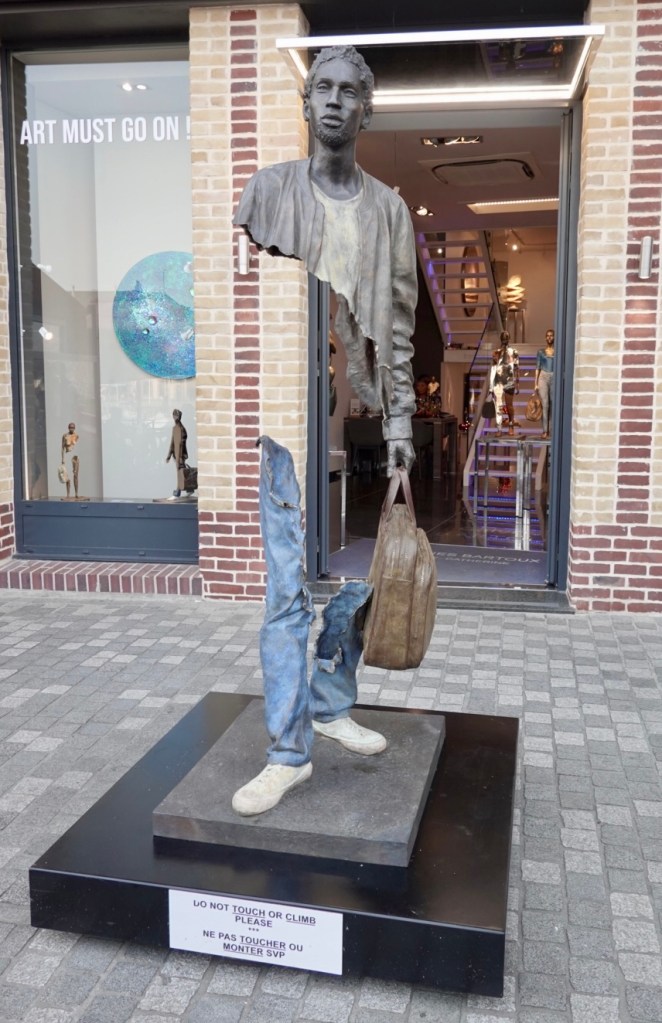
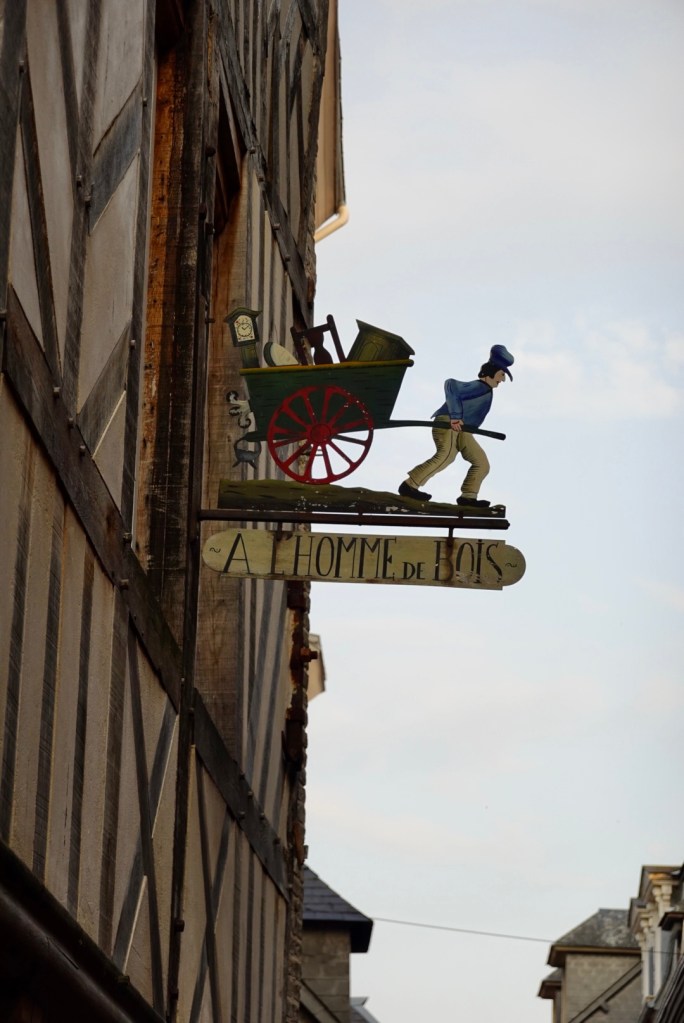
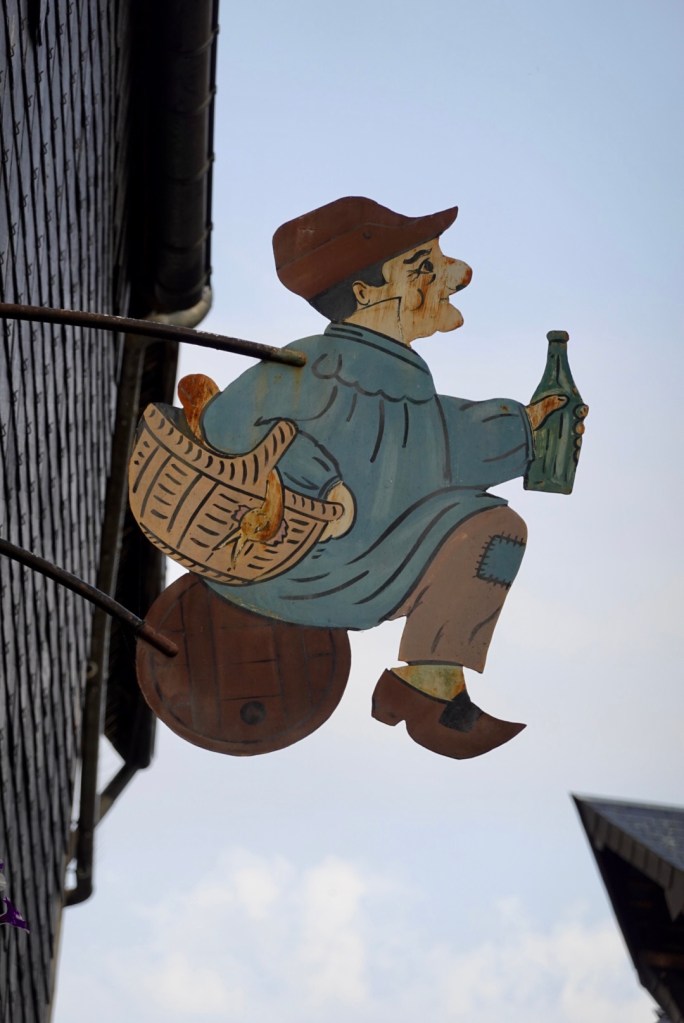
A series of photos from around Honfleur from our arrival by bike, then walking around. our hotel tonight? No issues!!
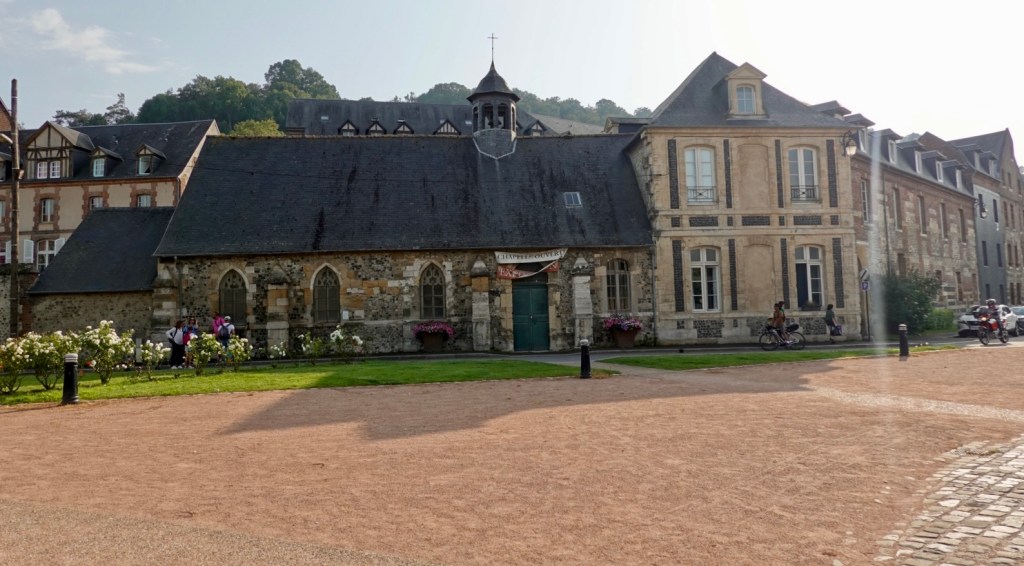
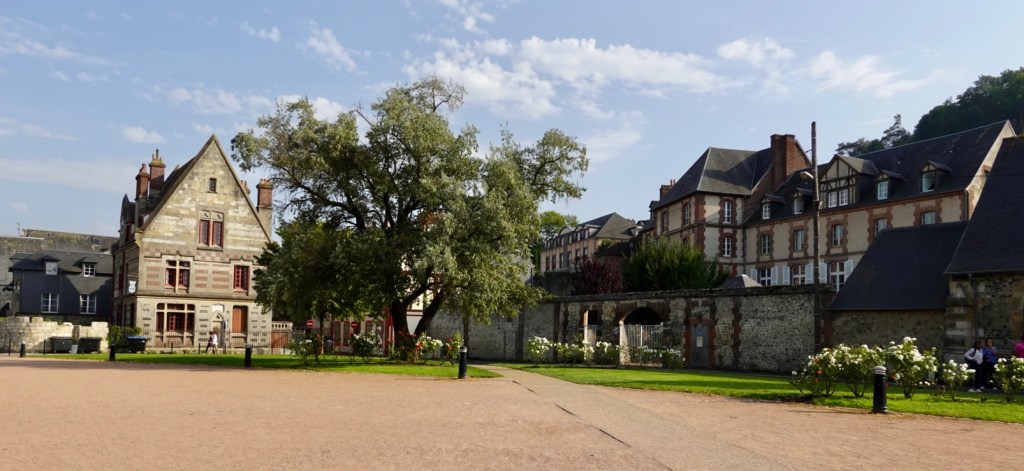
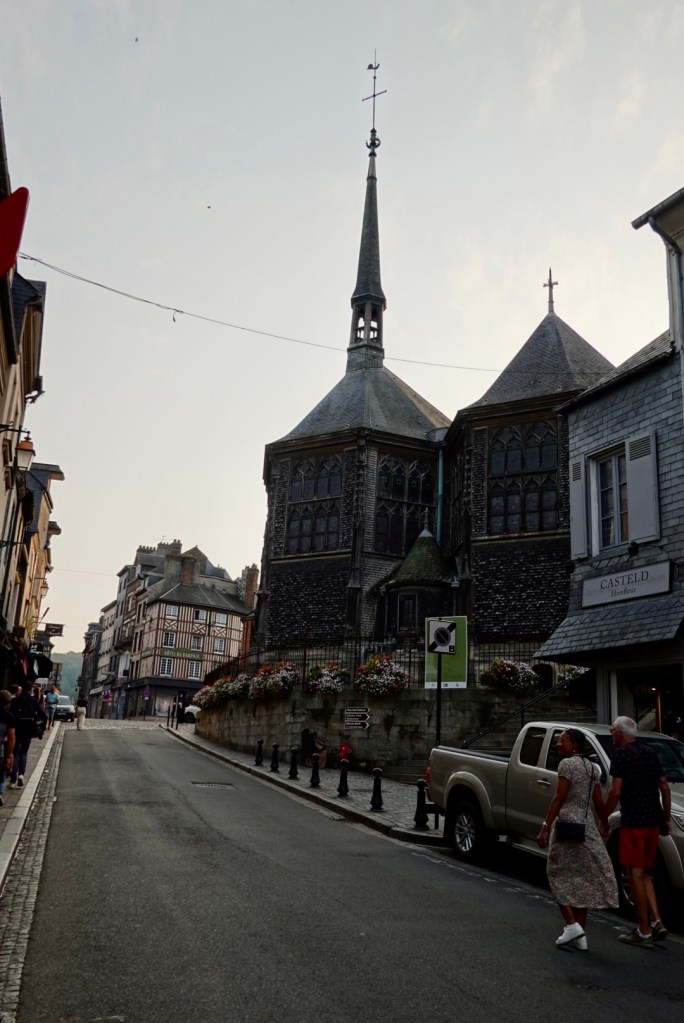
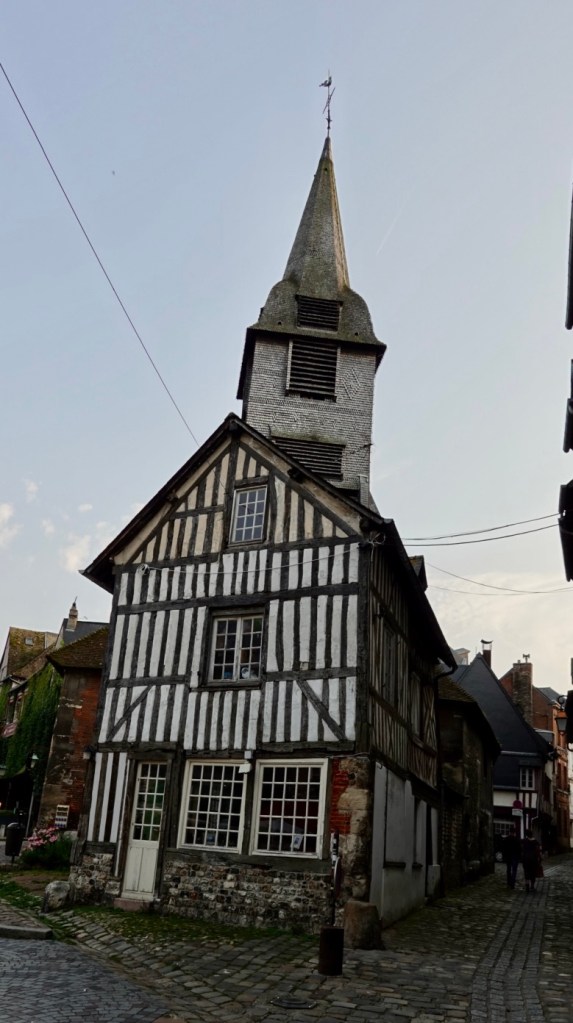
Saint Catherine’s is the largest church in France built of wood with a bell tower separated from the rest of the building. Initially built of stone, it was destroyed in the 15th century during the Hundred Years War.
It was rebuilt on the same site using wood as it was cheaper and readily available. It was constructed by maritime workers.
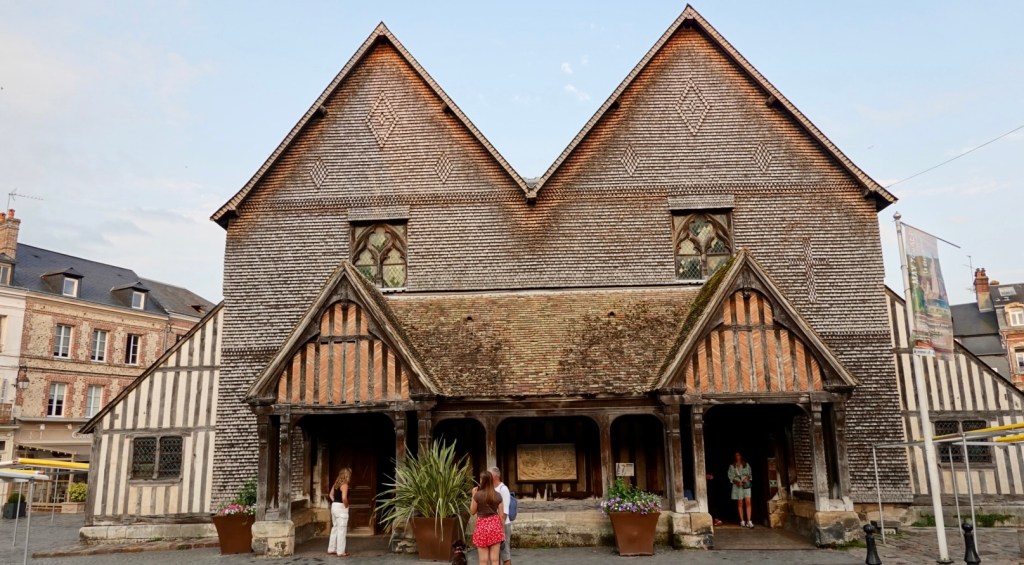
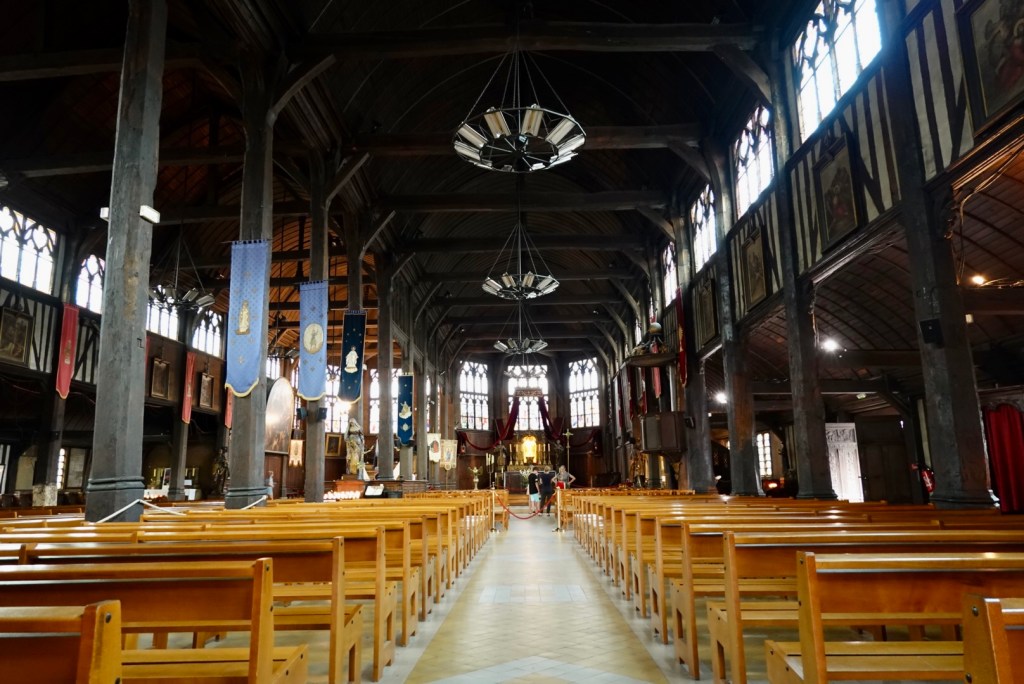
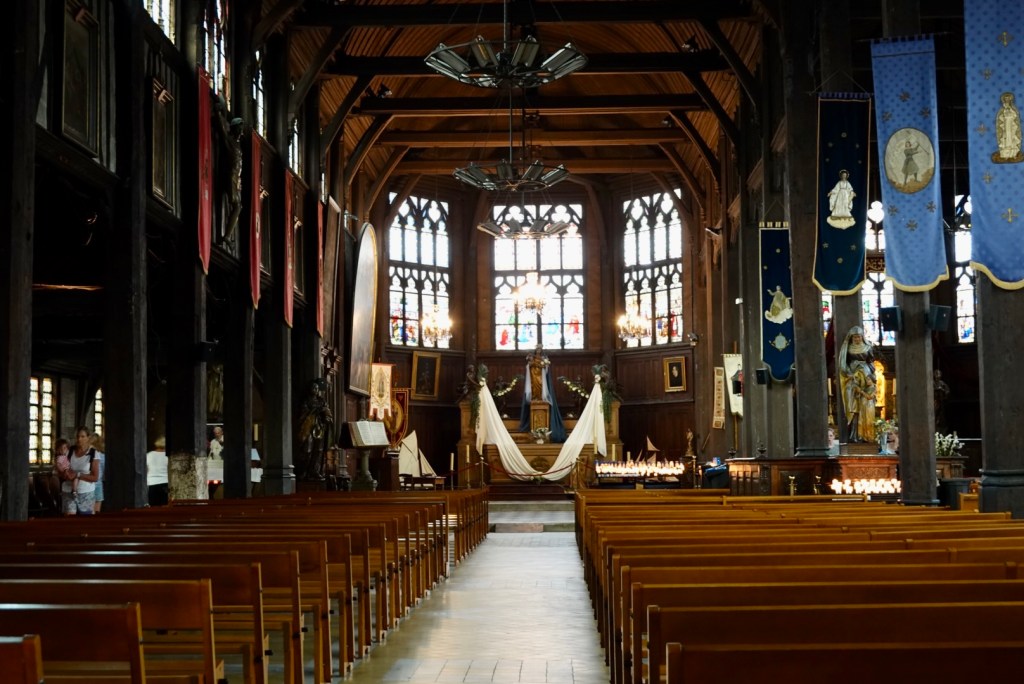
Back in and around town we walked past more buildings and carnivals.
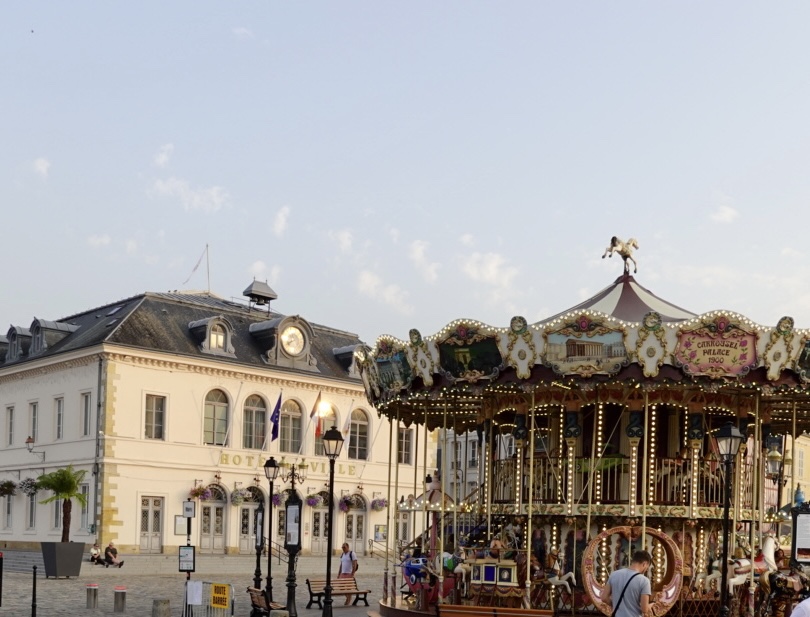
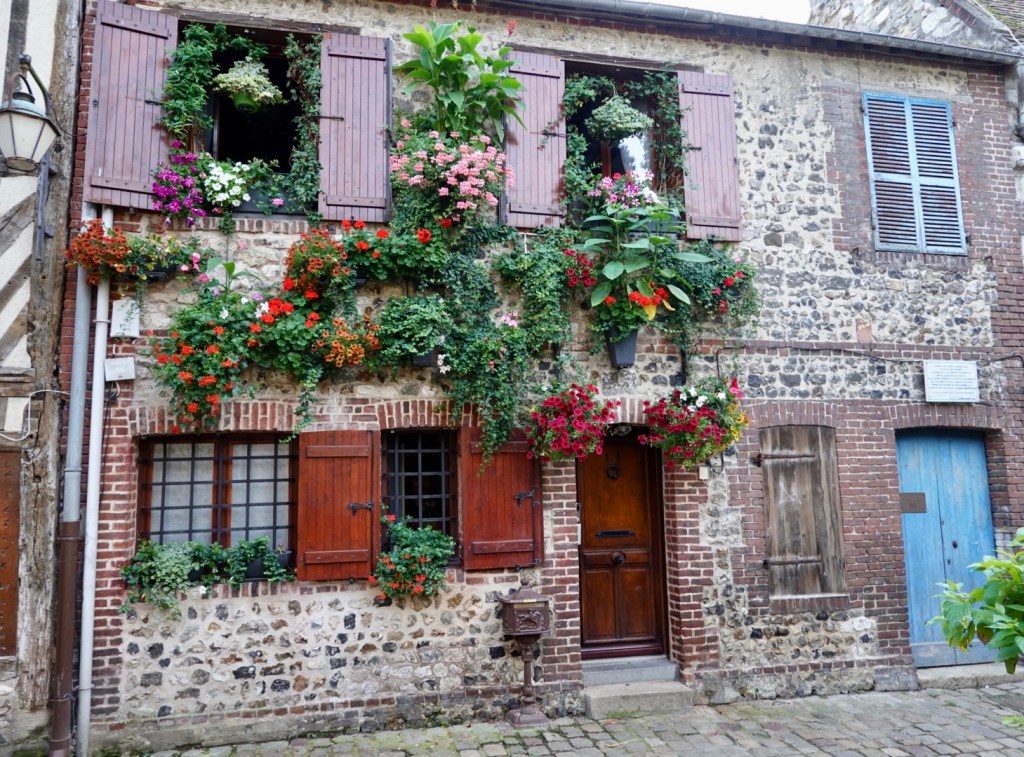
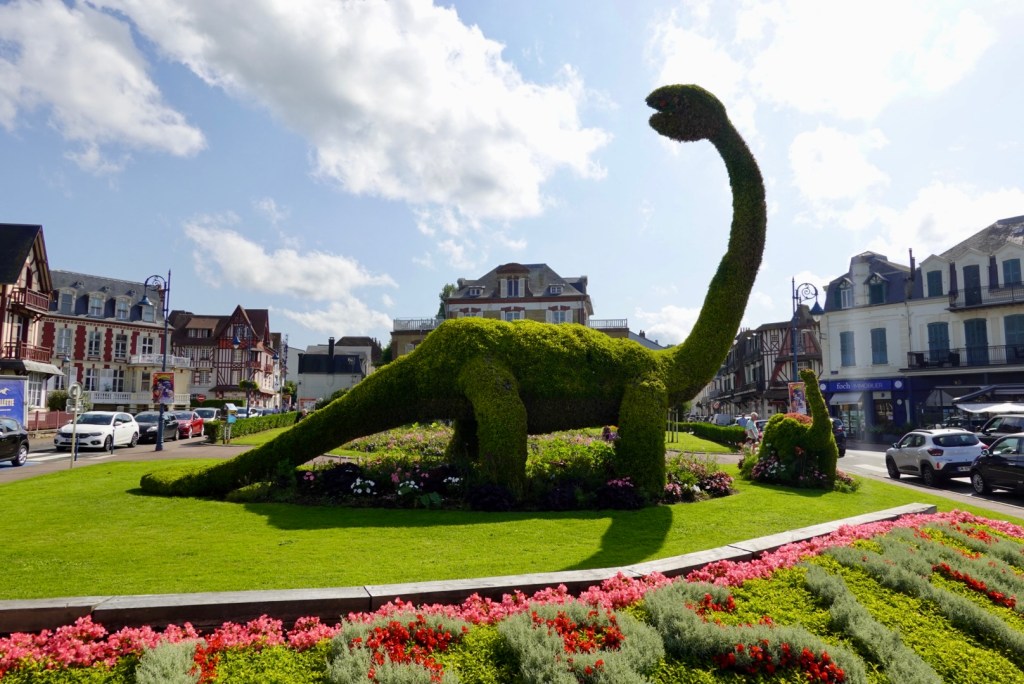
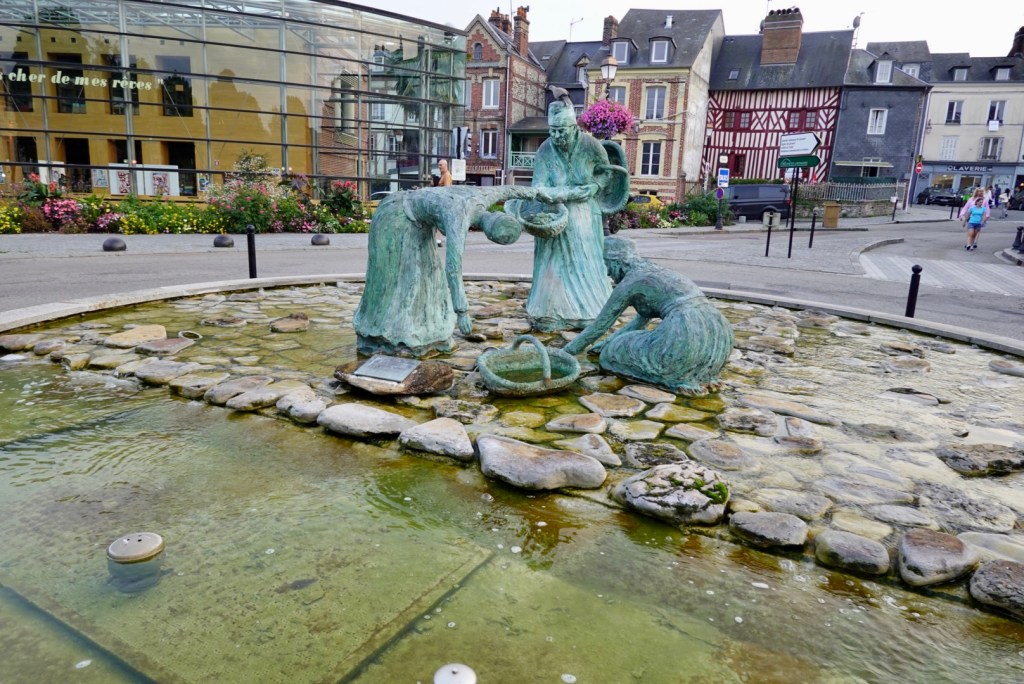
Finishing off with another lovely roundabout statues, views of old and modern behind, it was time to hit the sack.
Honfleur is a very interesting place. We’ve had an educational day just touching on the significant history in the area.
No maps today as we could not upload our bike computers here. Hopefully next hotel we can.
Thanks for reading 😊❣️
 yakkablog