Day 13: Bantry to Kenmare

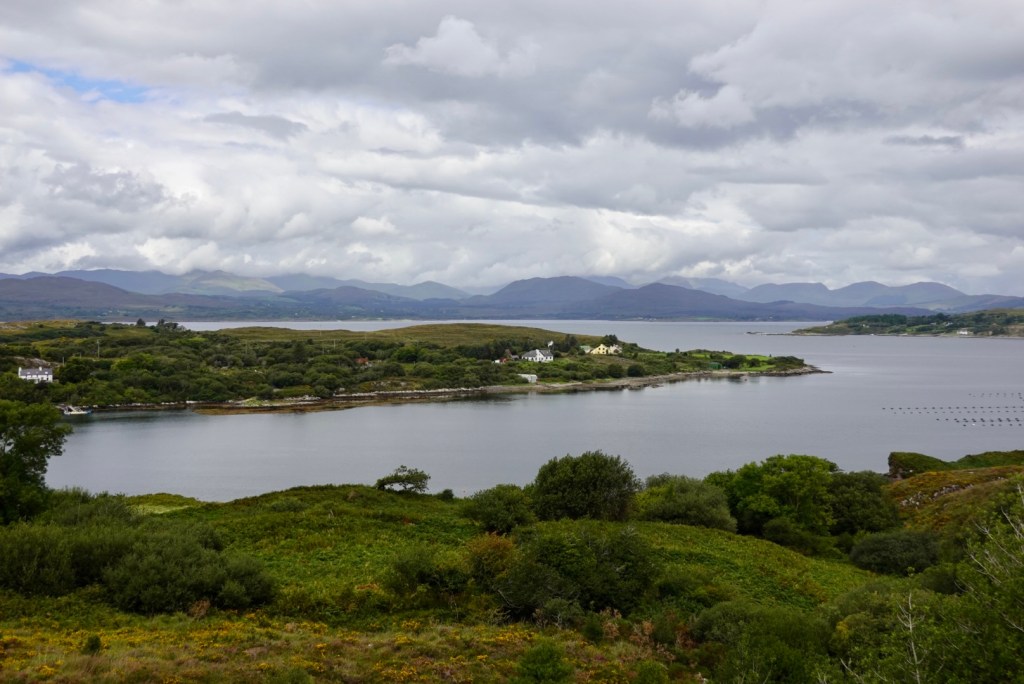
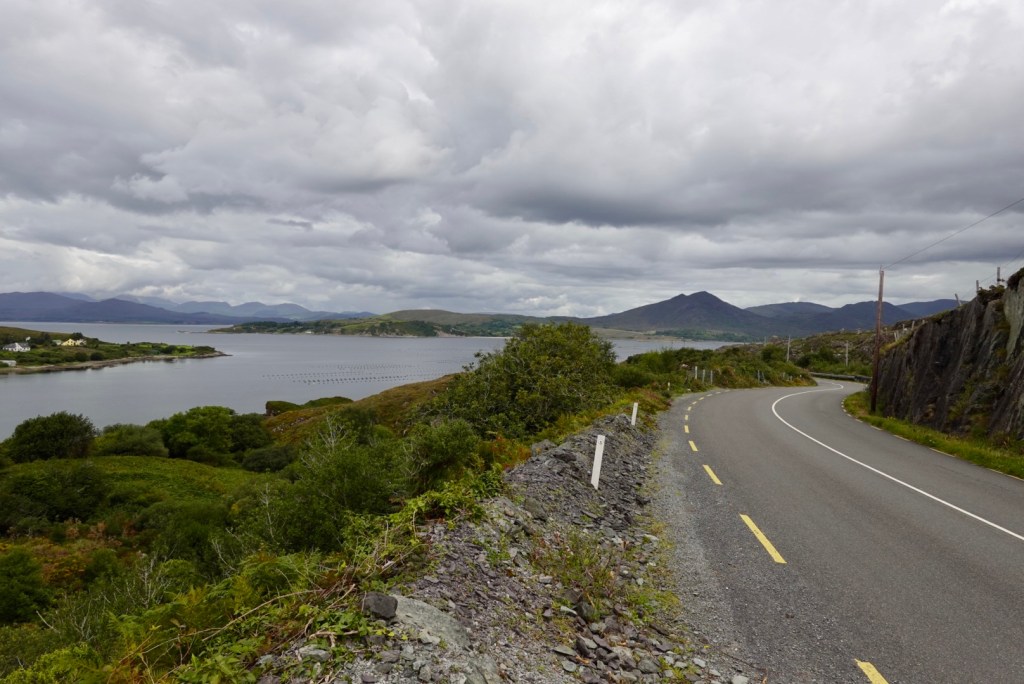
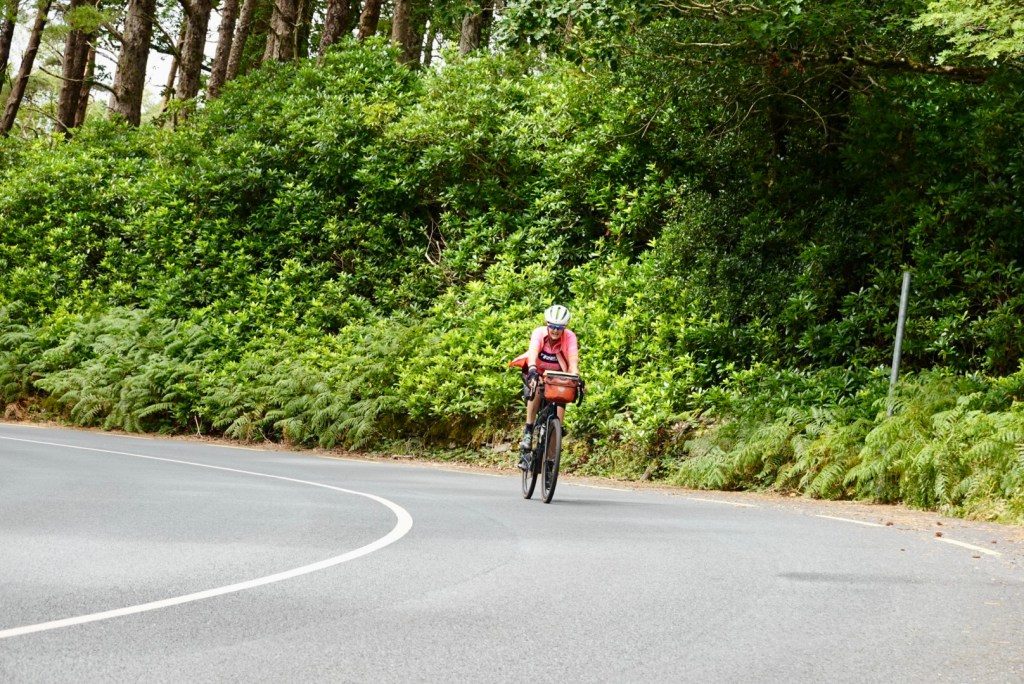
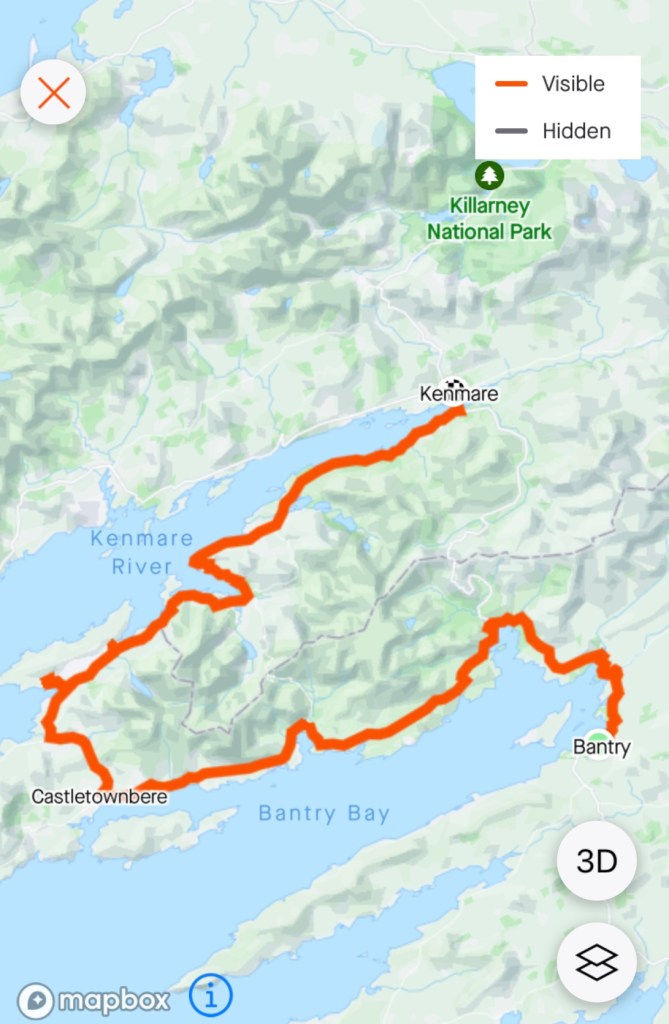
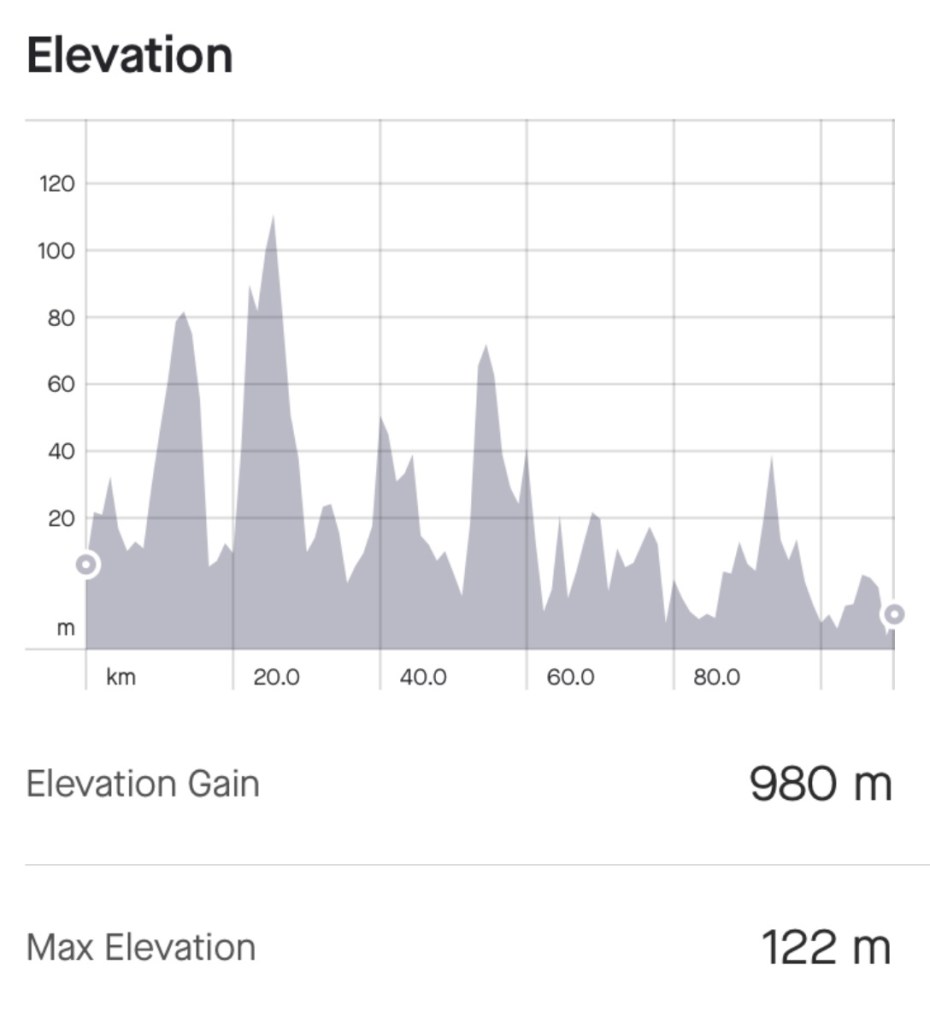
Another lovely breakfast, and a new day. The weather forecast looked ok. Fingers crossed as we headed off to ride 110 km and around 1000 metres climbing.

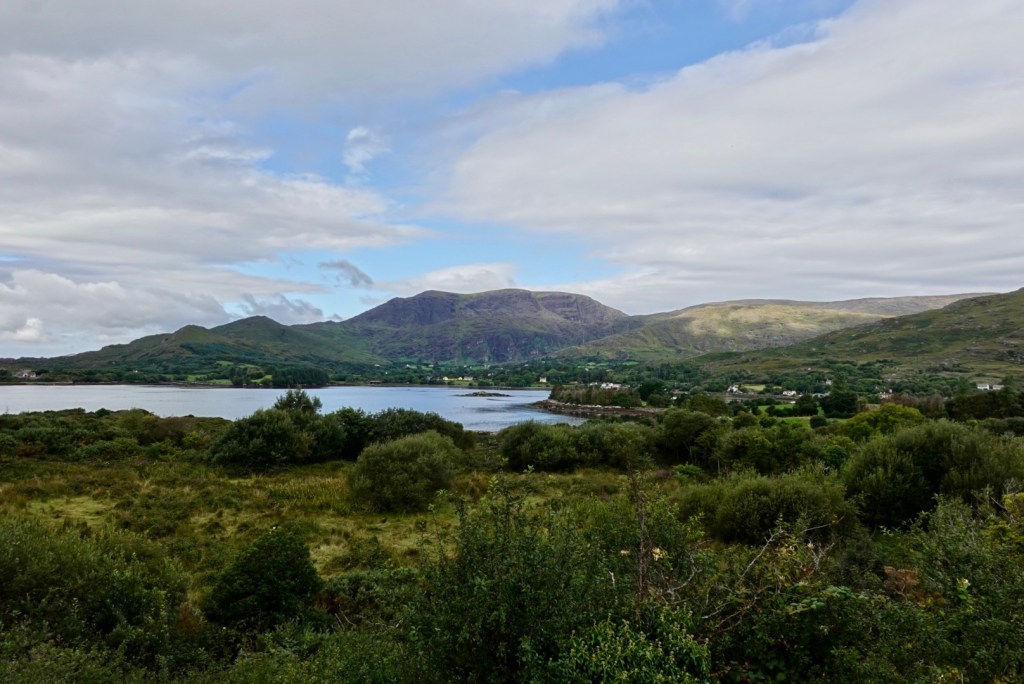
The route today was Beara Peninsula. It contains two mountain ranges, the Caha and Slieve Miskish. The northern part of the peninsula is County Kerry (Kenmare side) and the rest is County Cork.

Human activity dates back to around 3000 BC. The Vikings invaded and in the 17th century the English army used the peninsula defensively to ward off a French invasion.

Before the Famine, there were around 39,000 residents.Now there are around 6,000 residents.

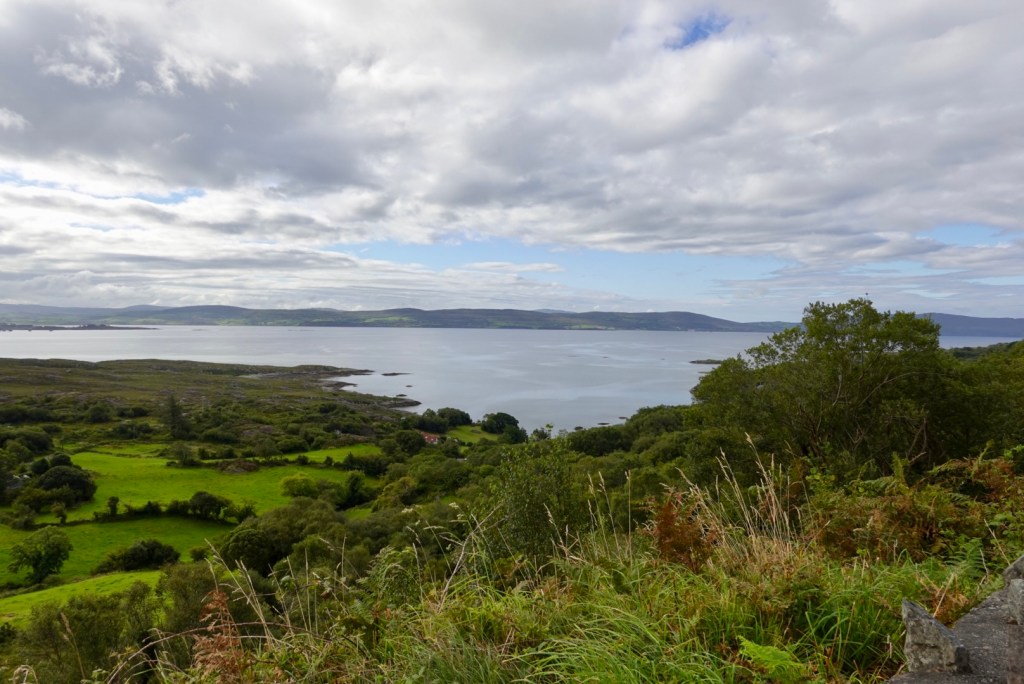
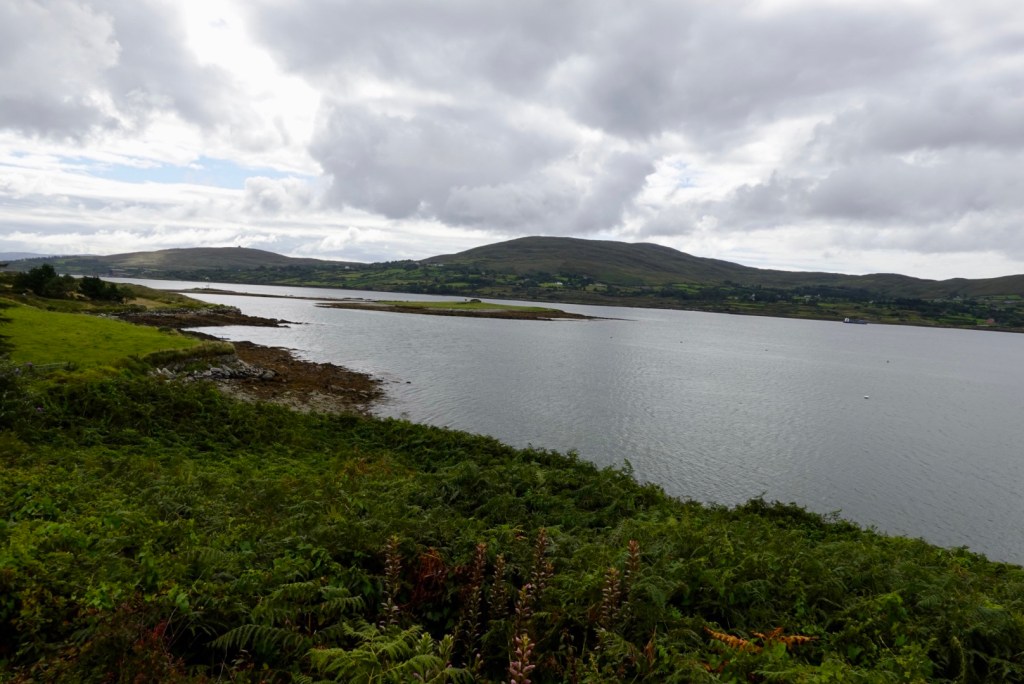
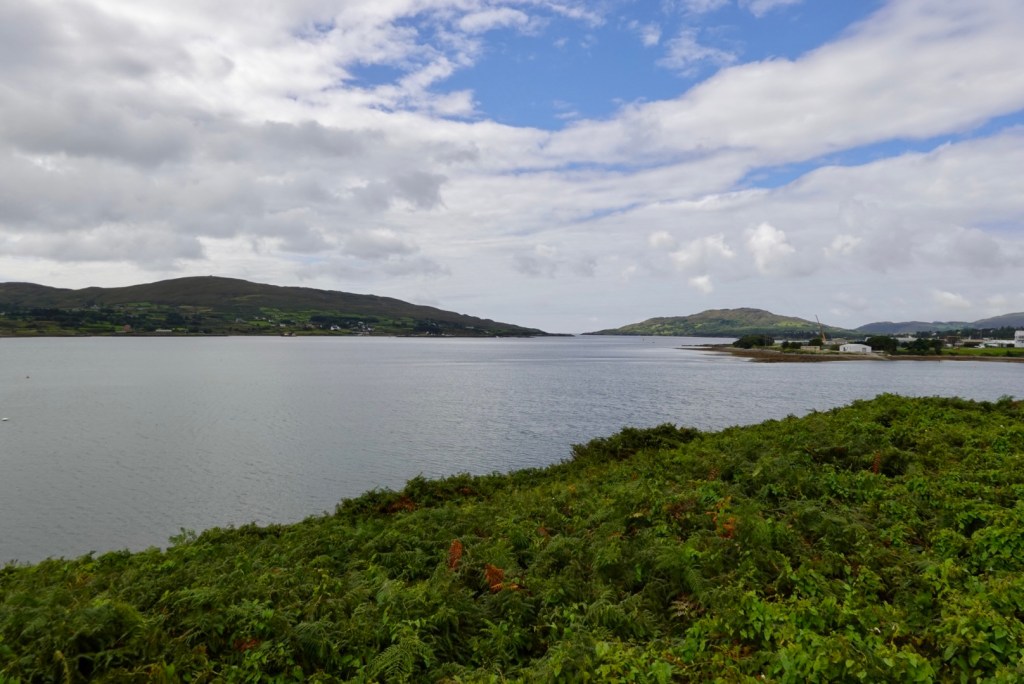
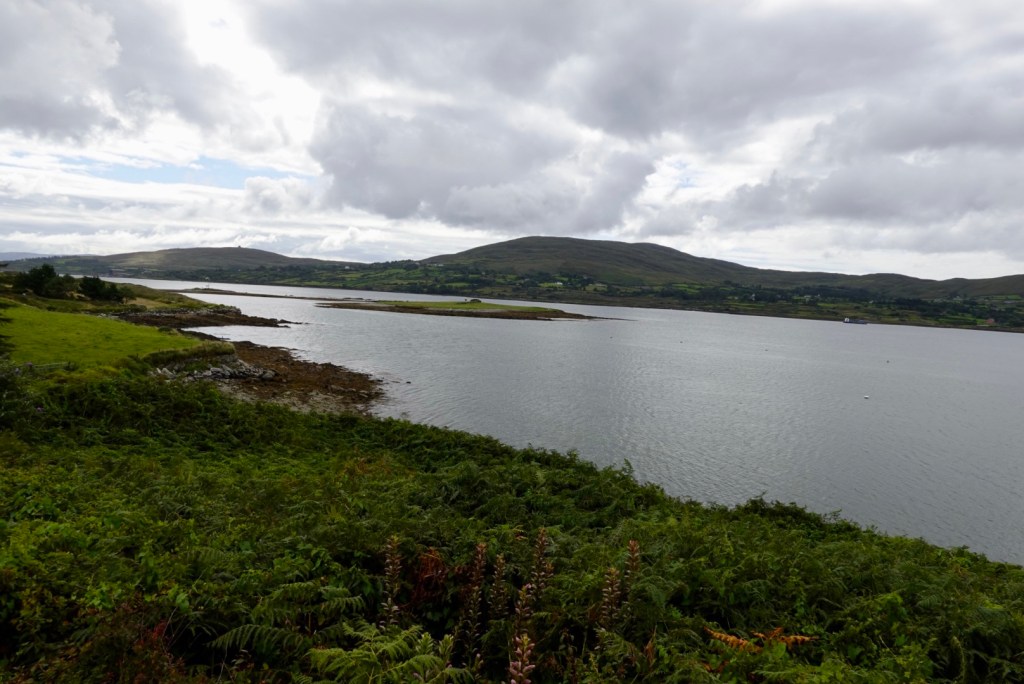
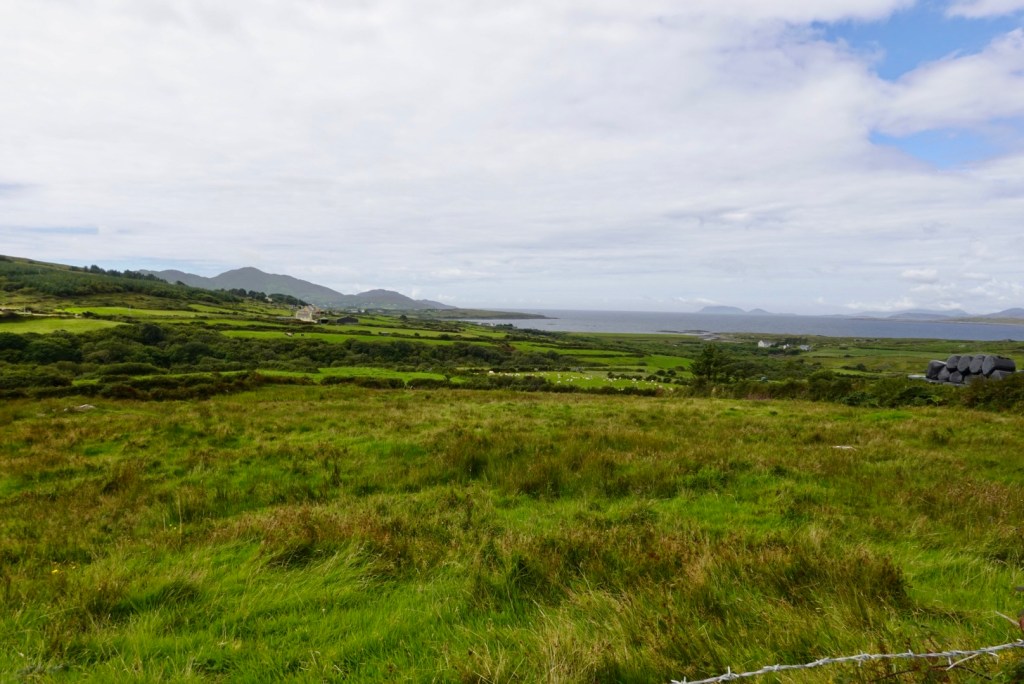
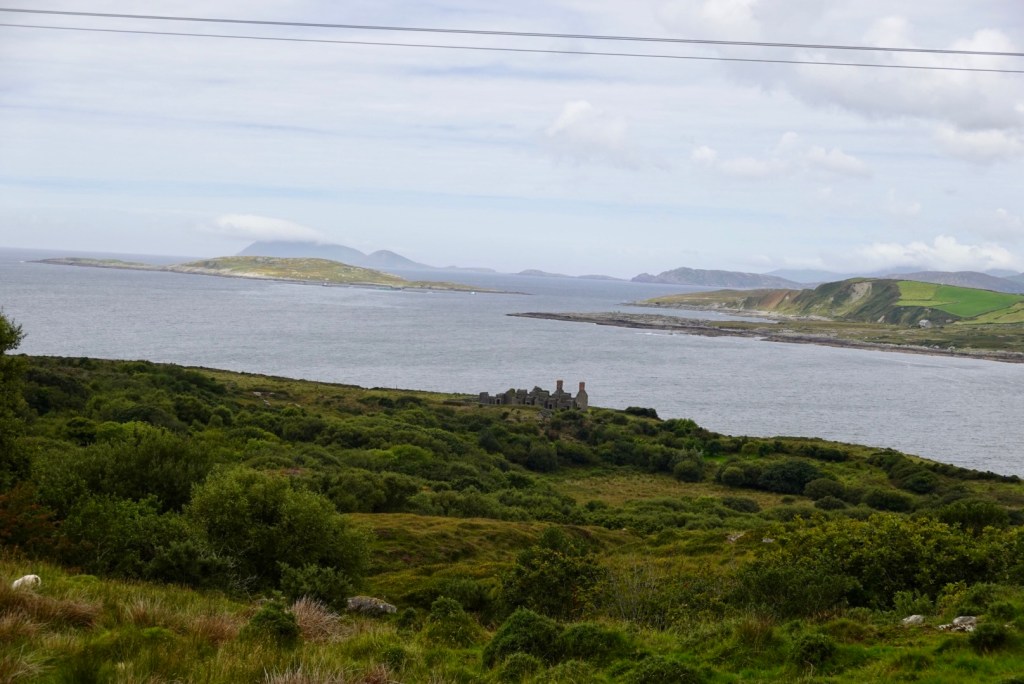
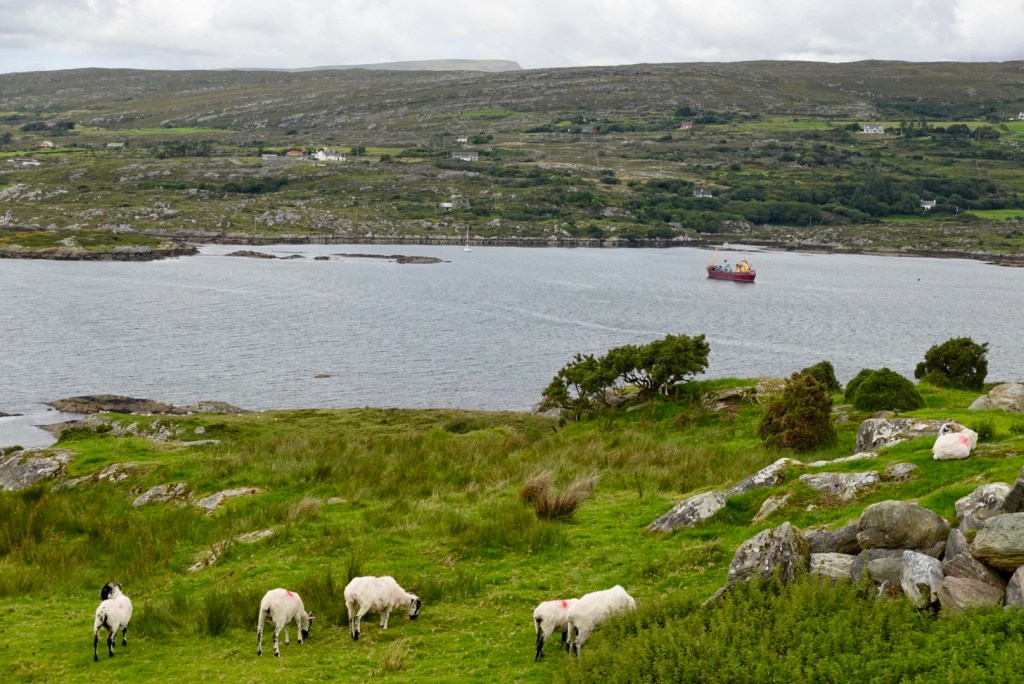
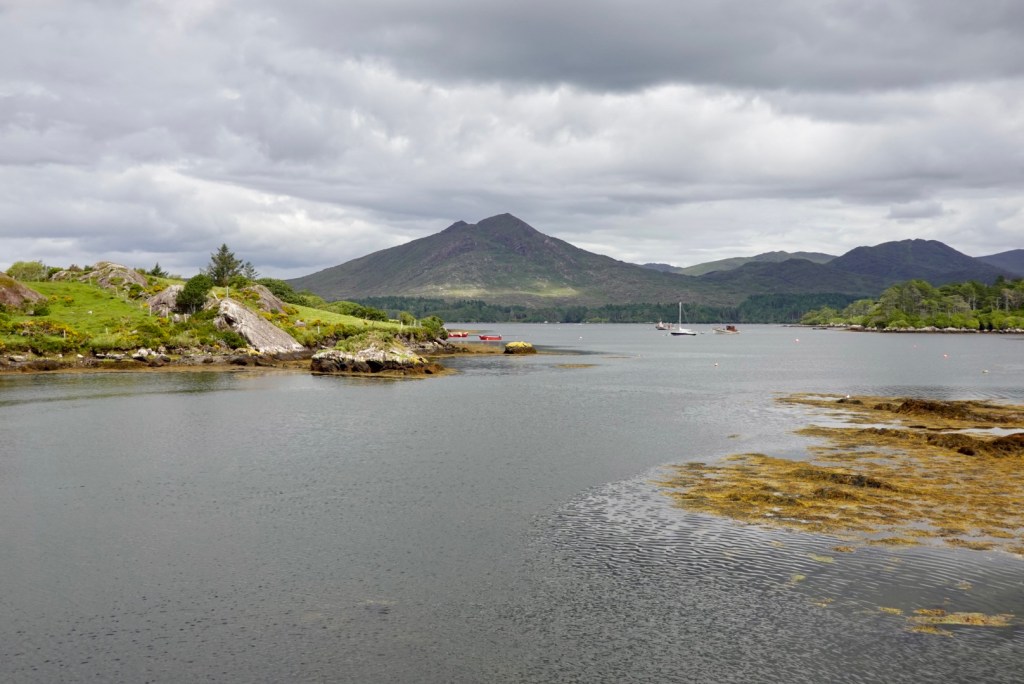
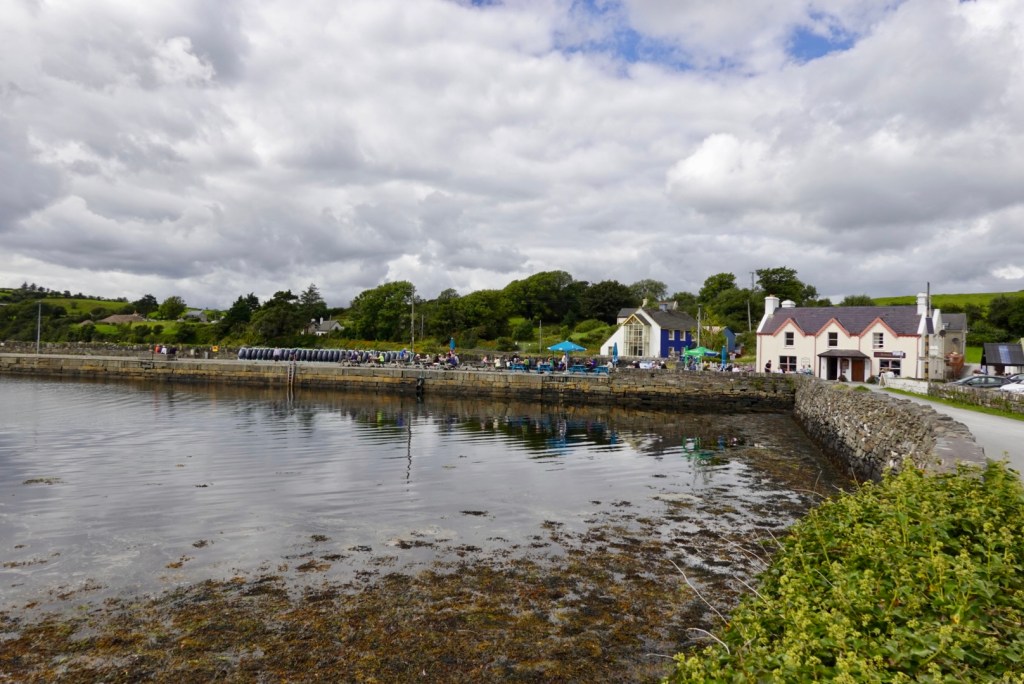
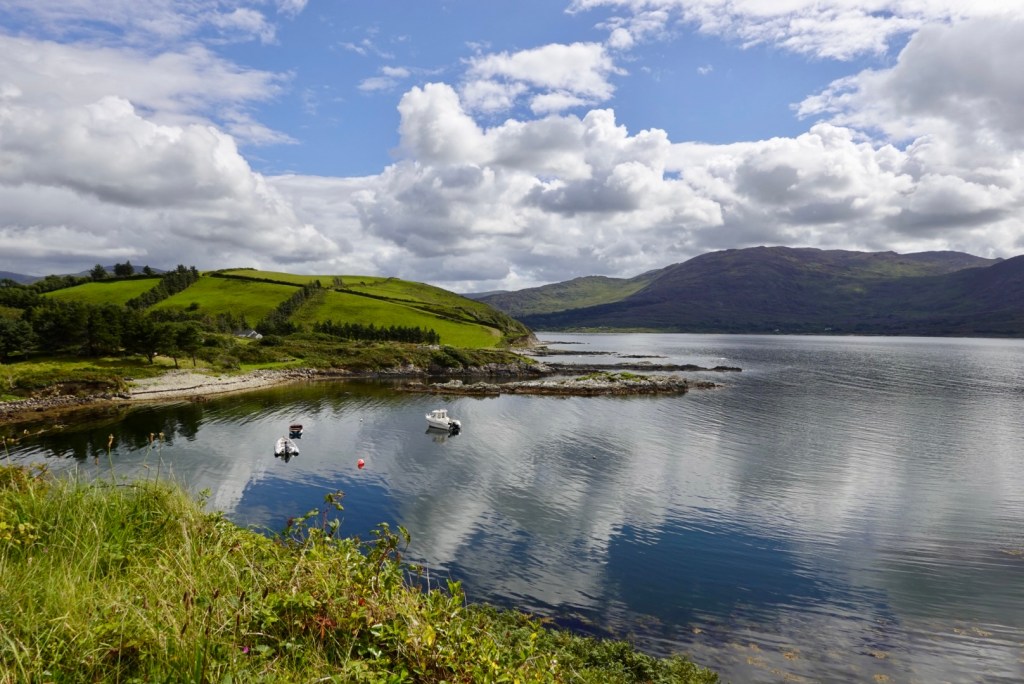
We followed the coastline of Bantry Bay going through the larger villages of Ballylickey, Glengariff, Adrigole and Castletownbere.

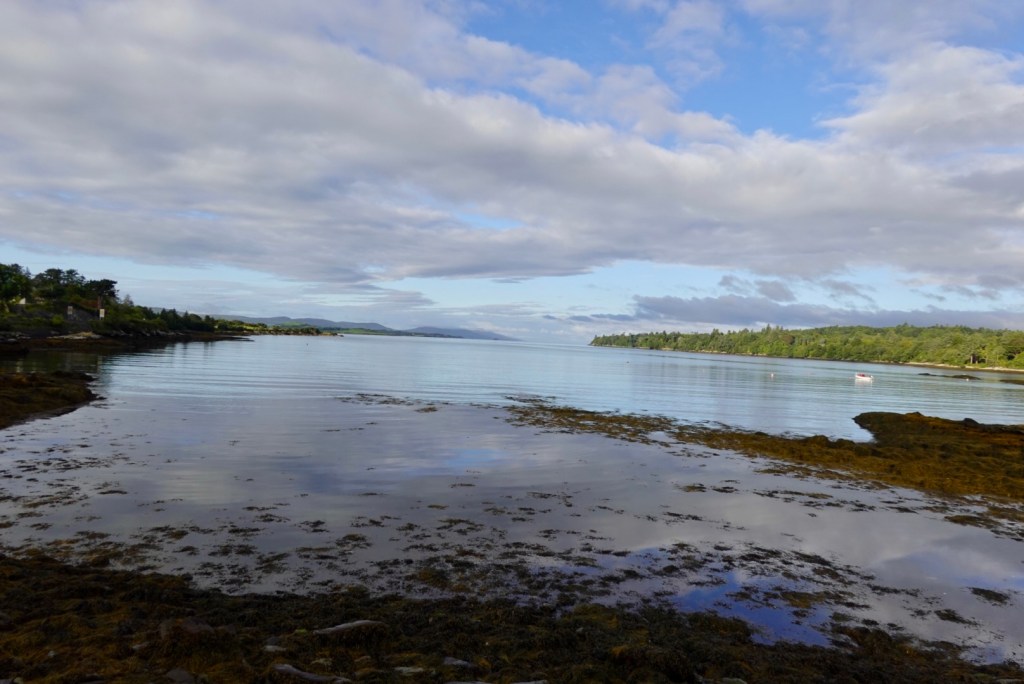
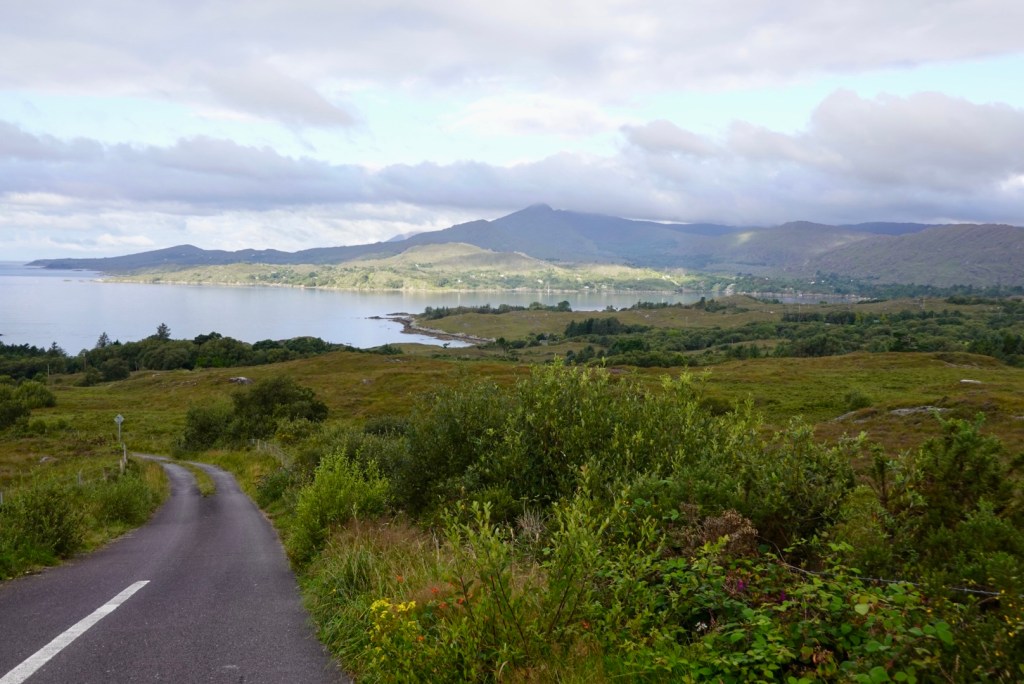
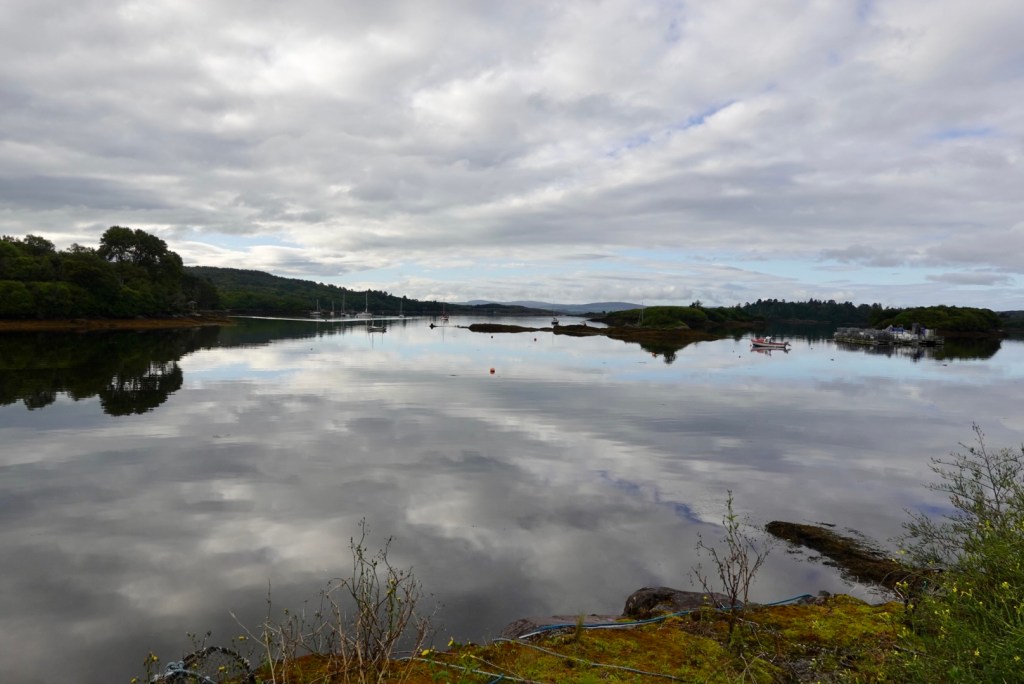
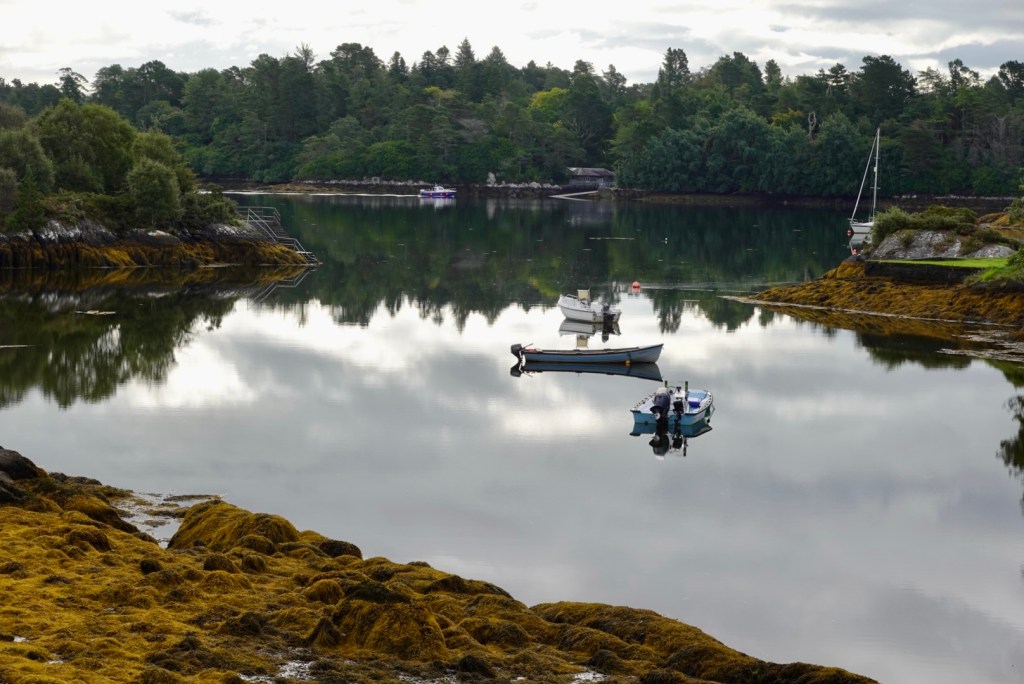
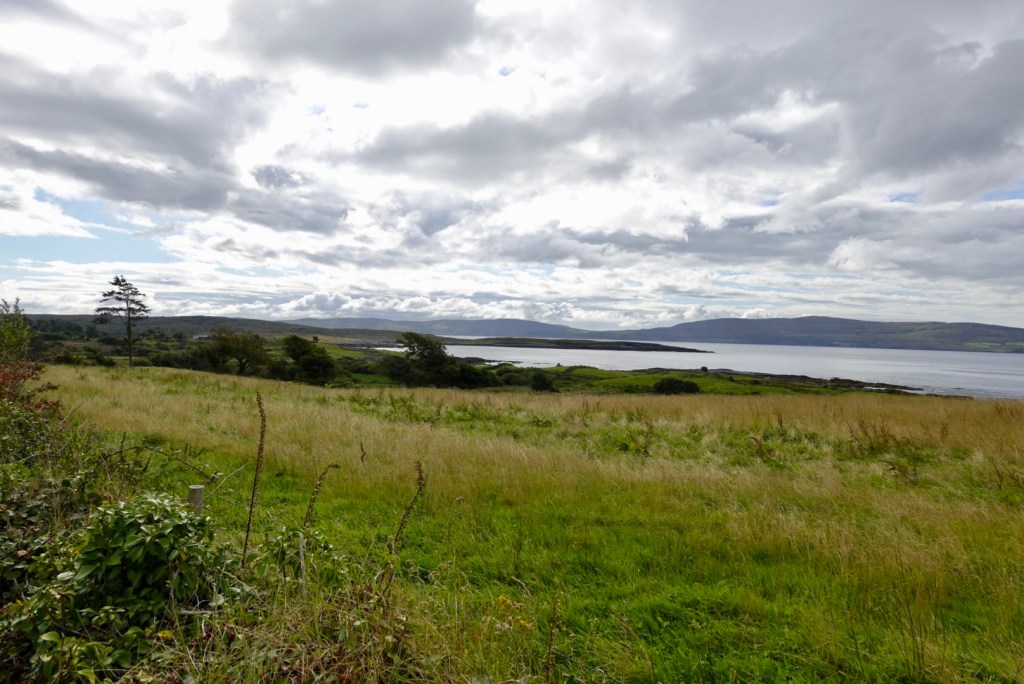
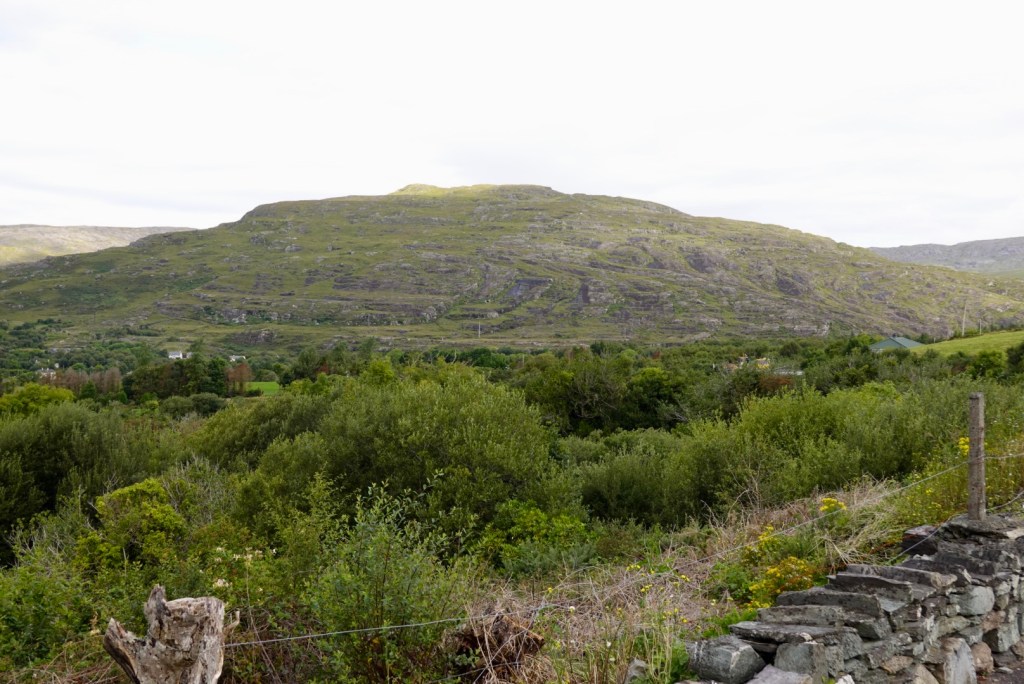
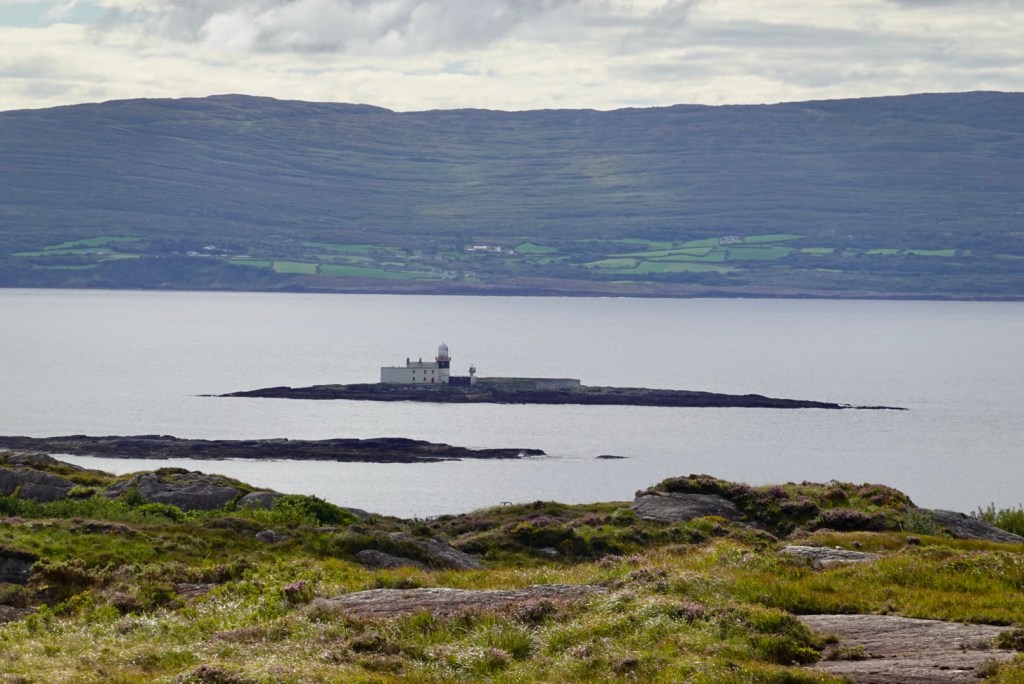
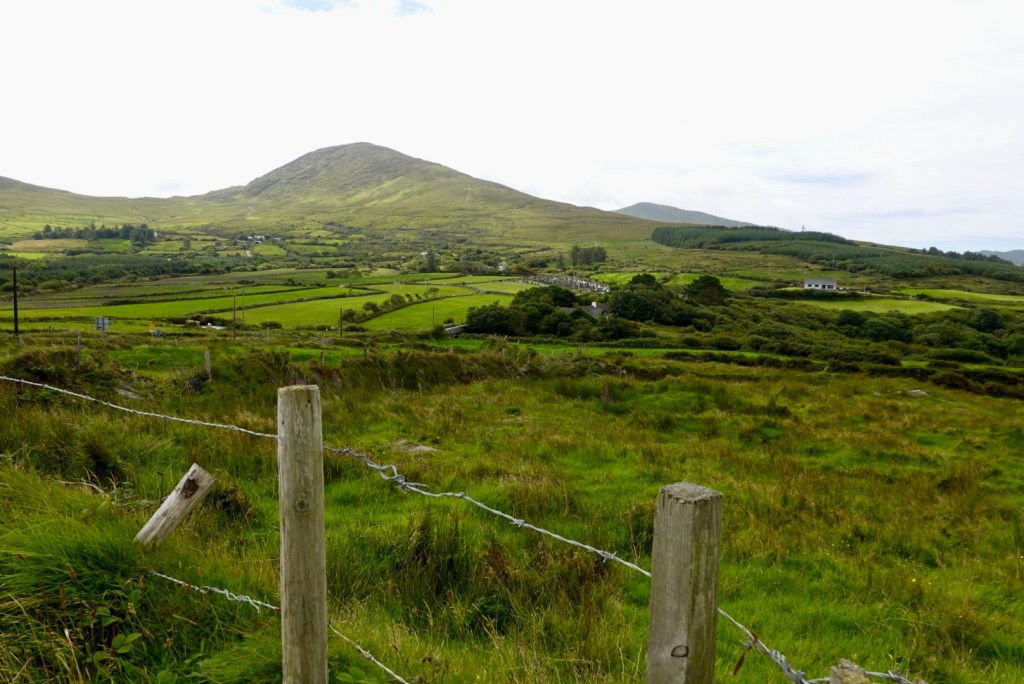
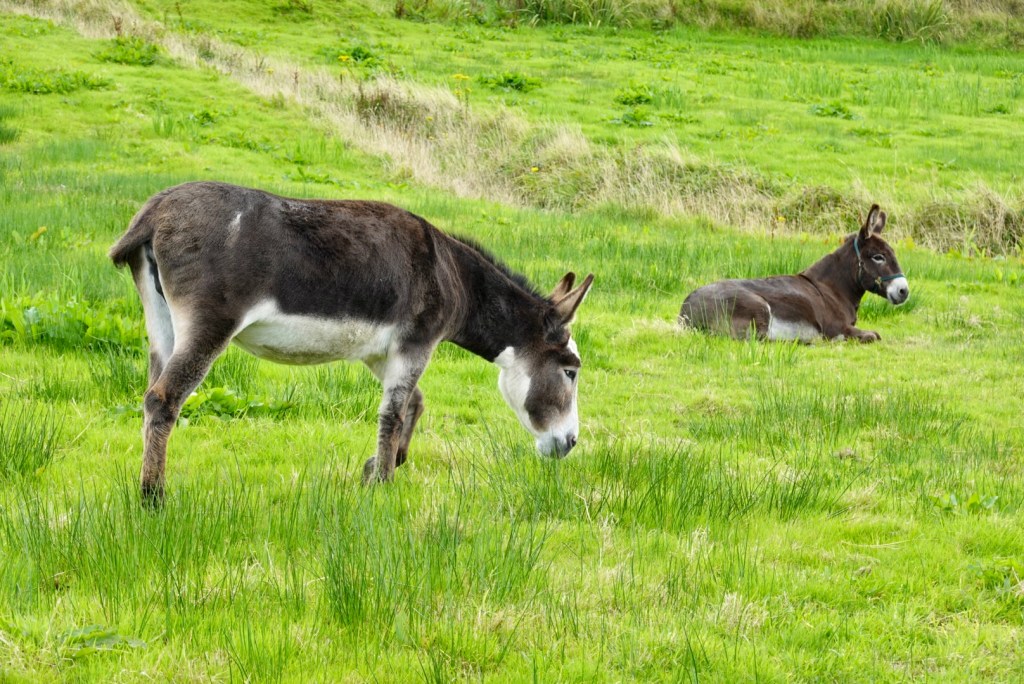
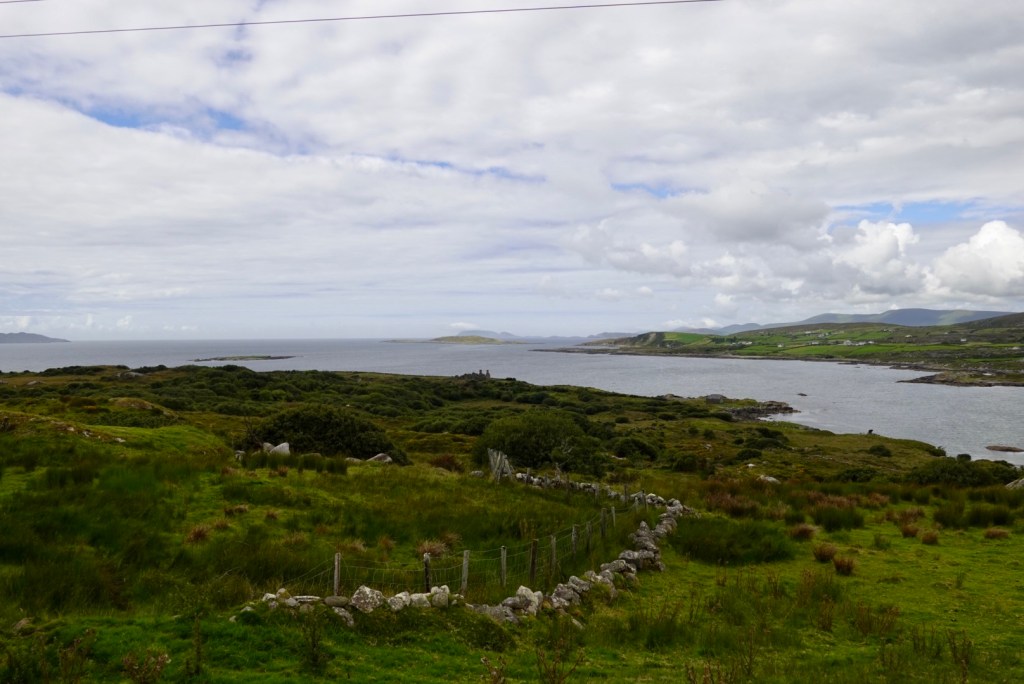
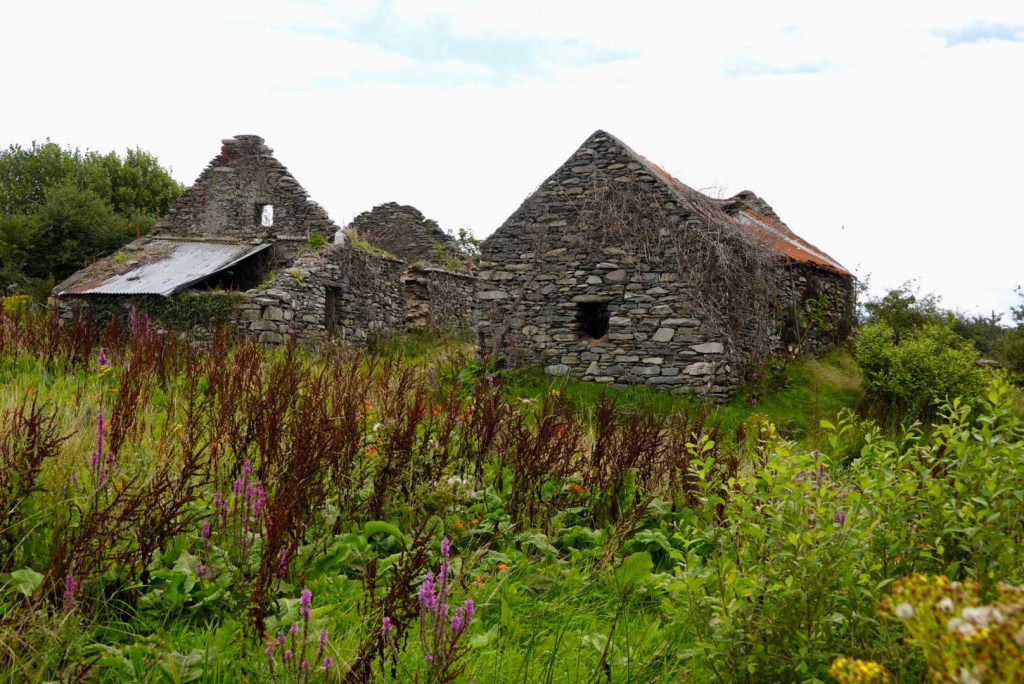
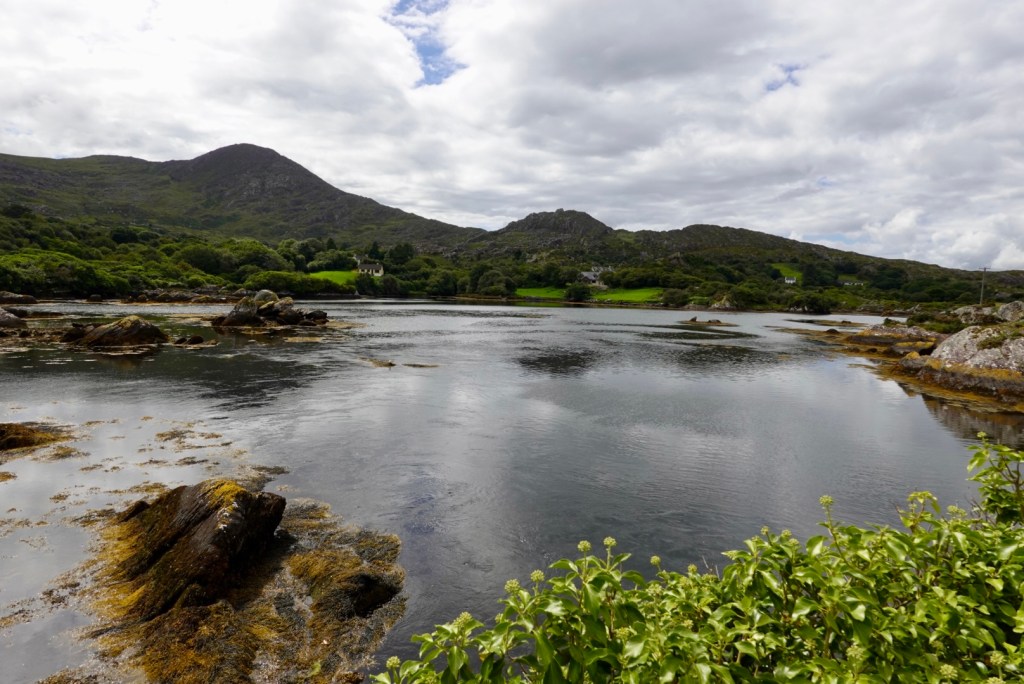
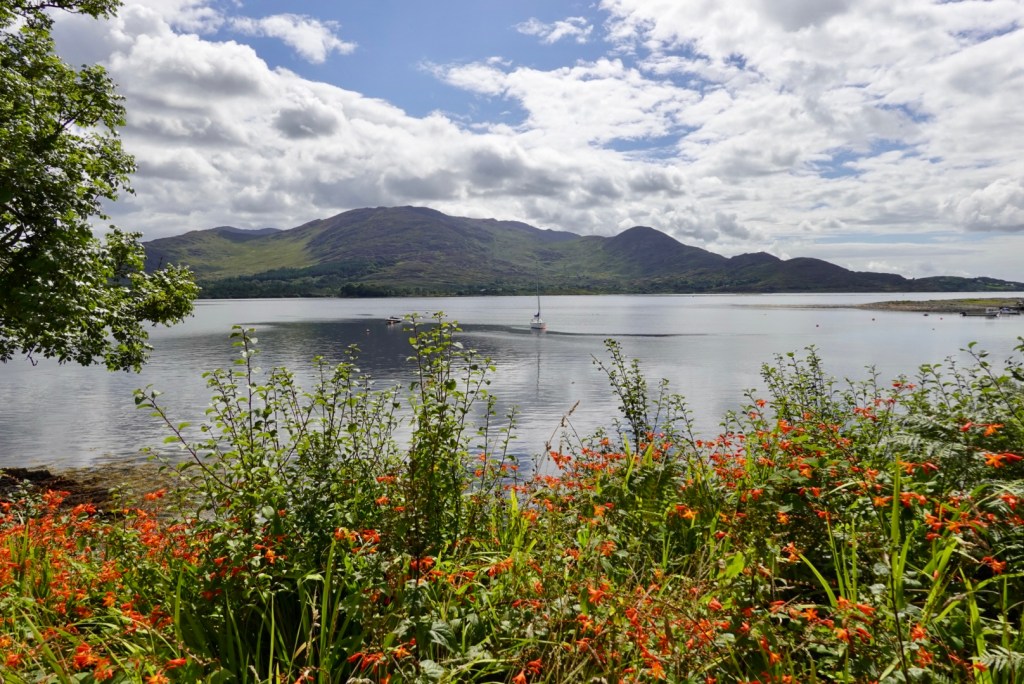
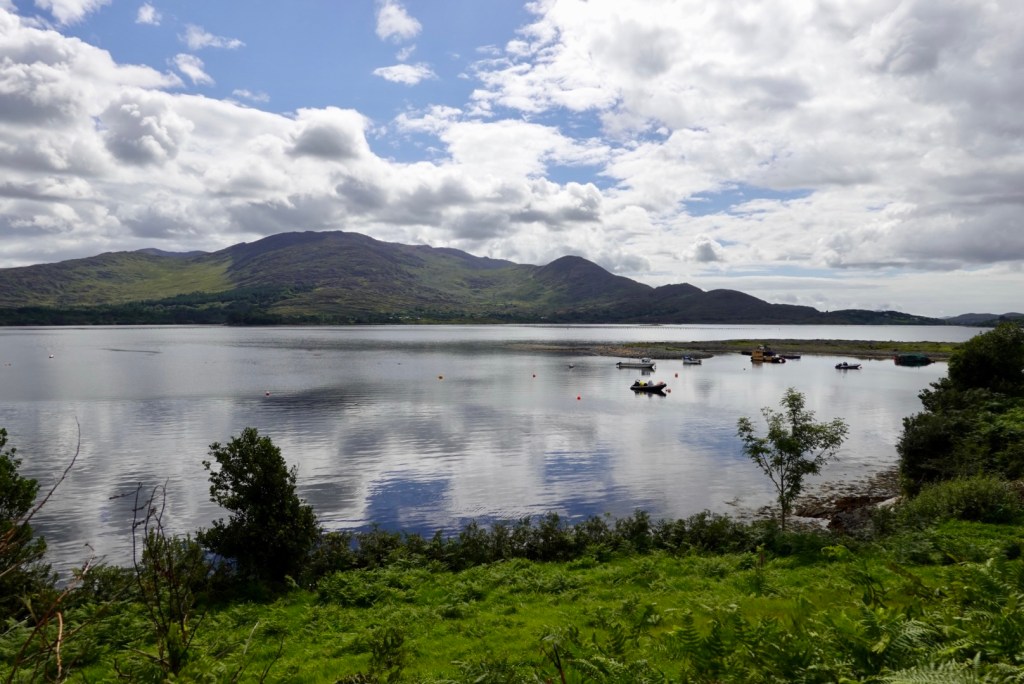
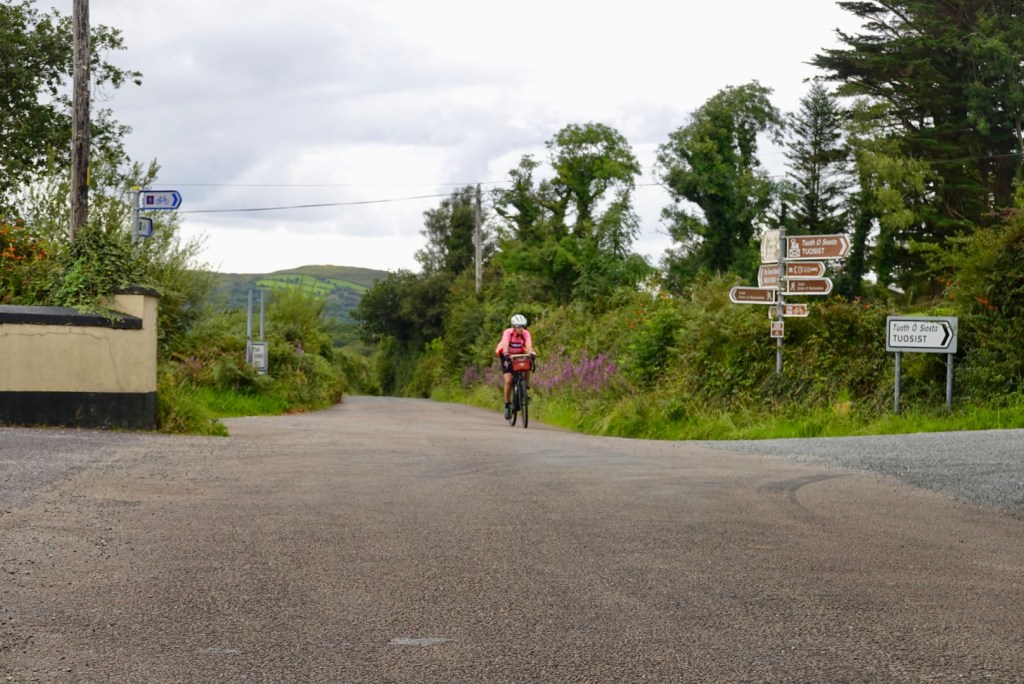
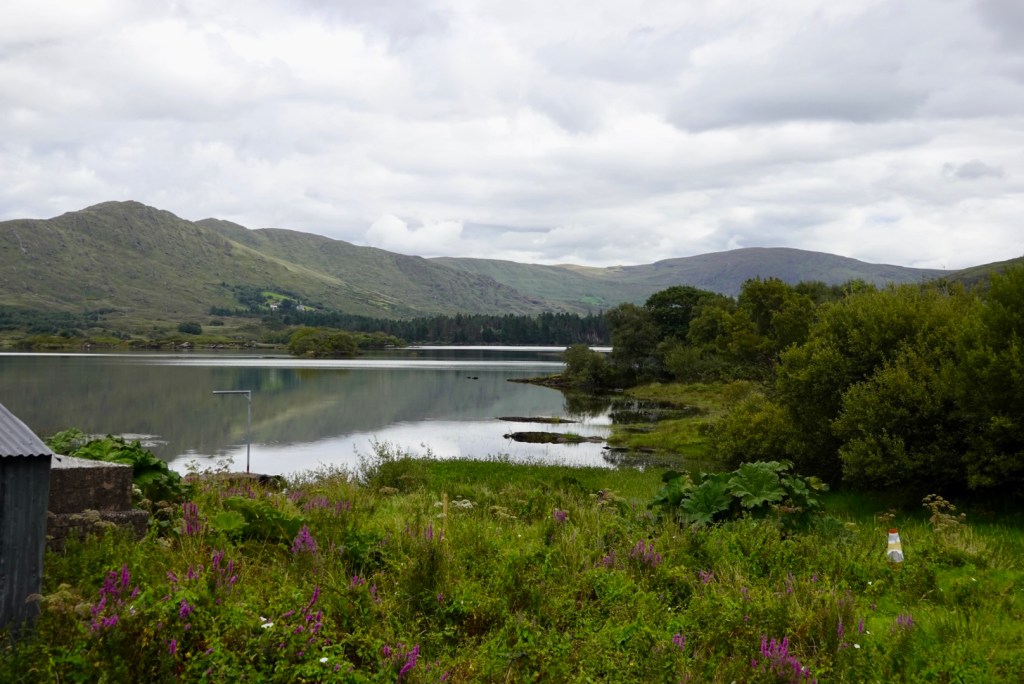
Photo overload today. I cannot pick so have left plenty here to scroll through.
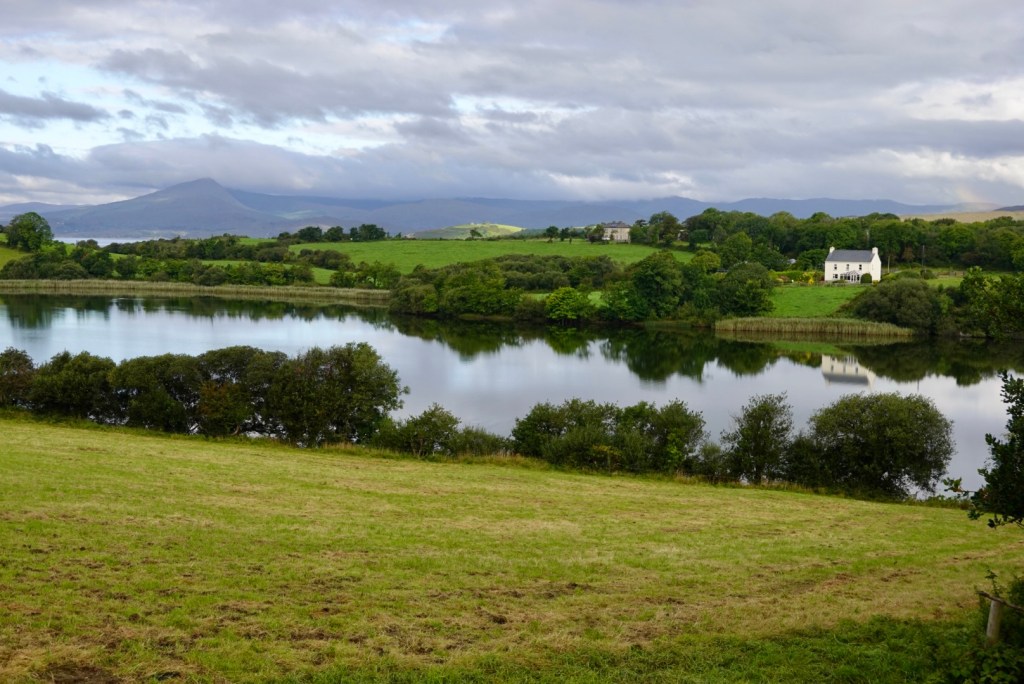
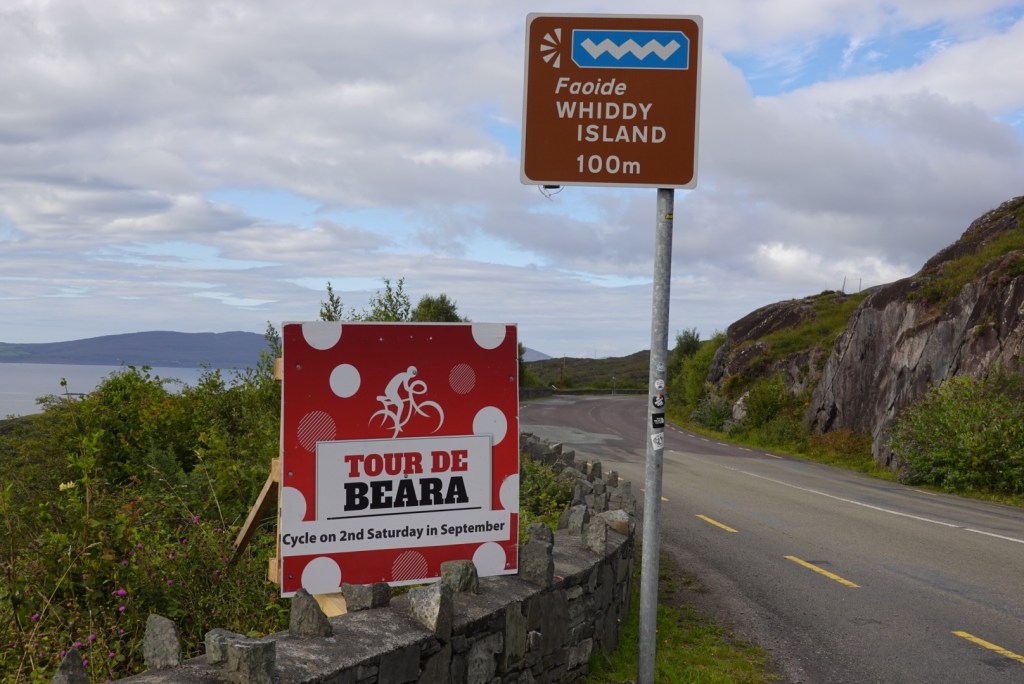
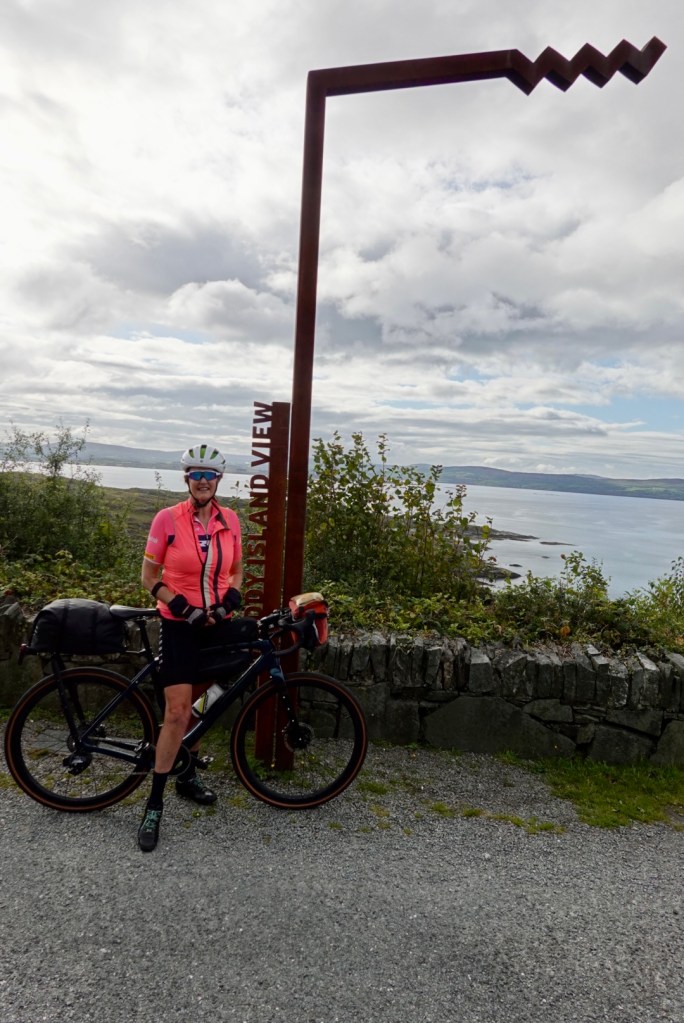
Whiddy Island had a USA Naval Air Station constructed during World War I to counteract German U boats in the region. Day trips and cycling on the island are popular now.

Tour de Beara is a one day cycle event, 160 km, 2600 metres climbing is the tougher if the three events on offer. Two shorter options available.
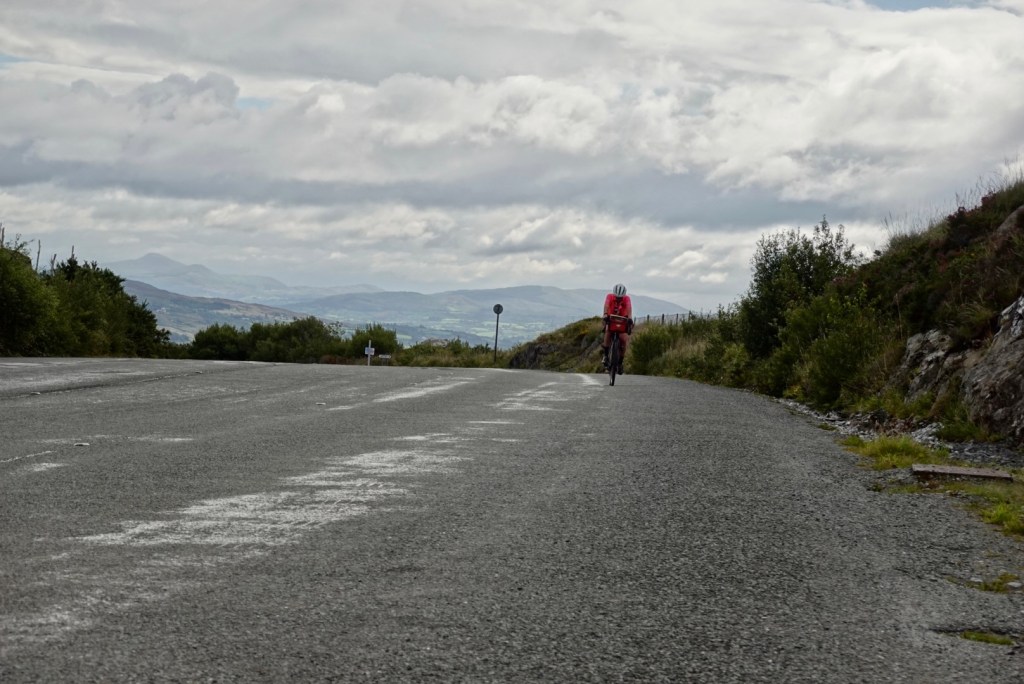
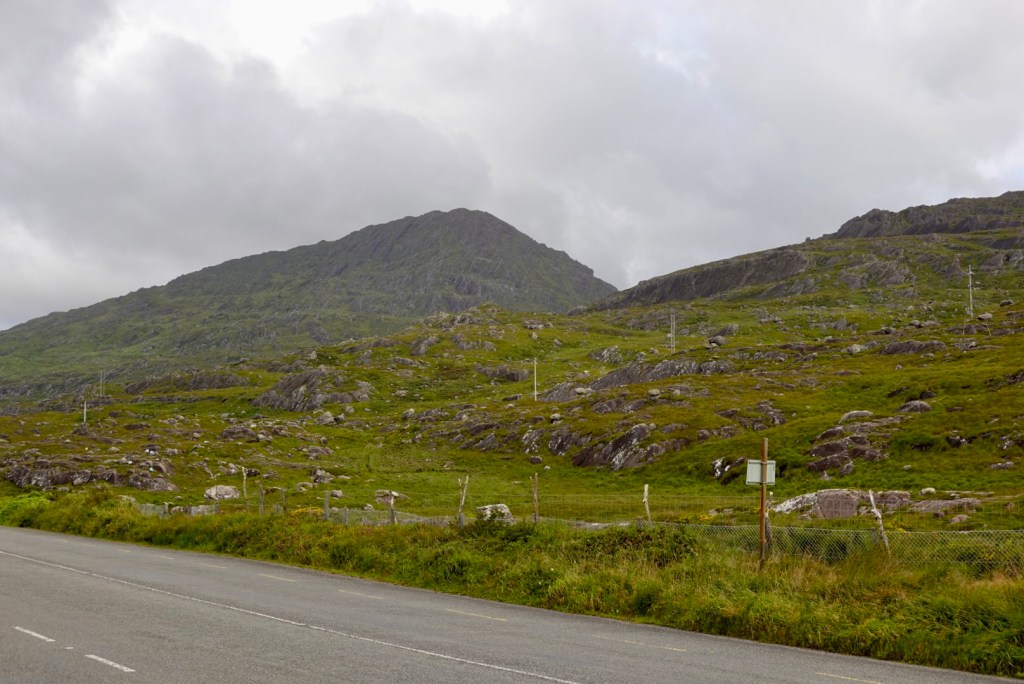
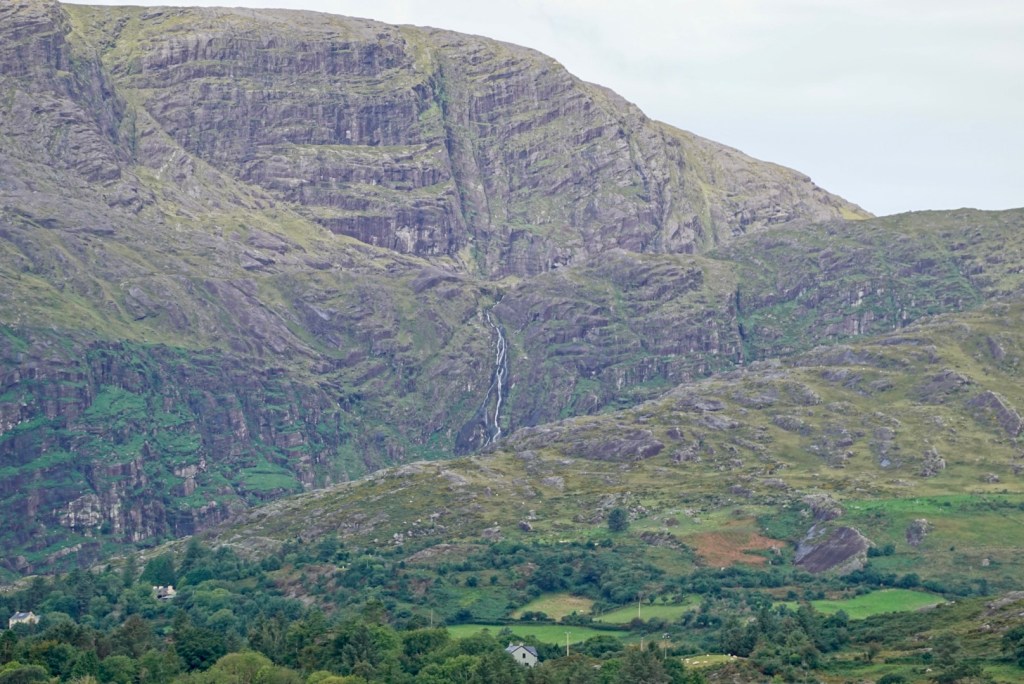
Stopping in Adrigole for a coffee, the machine was broken (disaster!). The mountain behind had a waterfall.

There is a well known walking path known as the Beara Way and now cycle route based upon the lady great chieftain of West Cork and South Kerry, Donal Cam O’Sullivan.

In 1602 the Munster region was savaged by war. Elizabeth 1 forces had defeated the Irish and Spanish at the Battle of Kinsale and were advancing on O’Sullivan’s lands.

After the loss of his stronghold at Dunboy (south of Castletownbere), O’Sullivan withdrew his troops and fled. 1000 people marched north. 35 made it to Leitrim castle.

The trail follows O’Sullivans route.
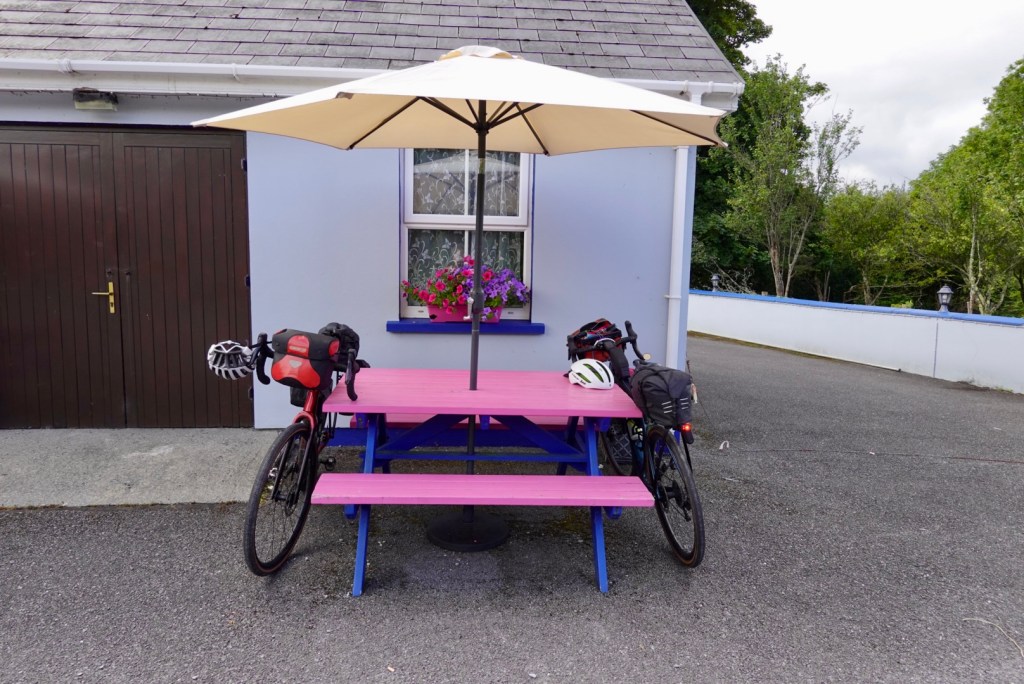
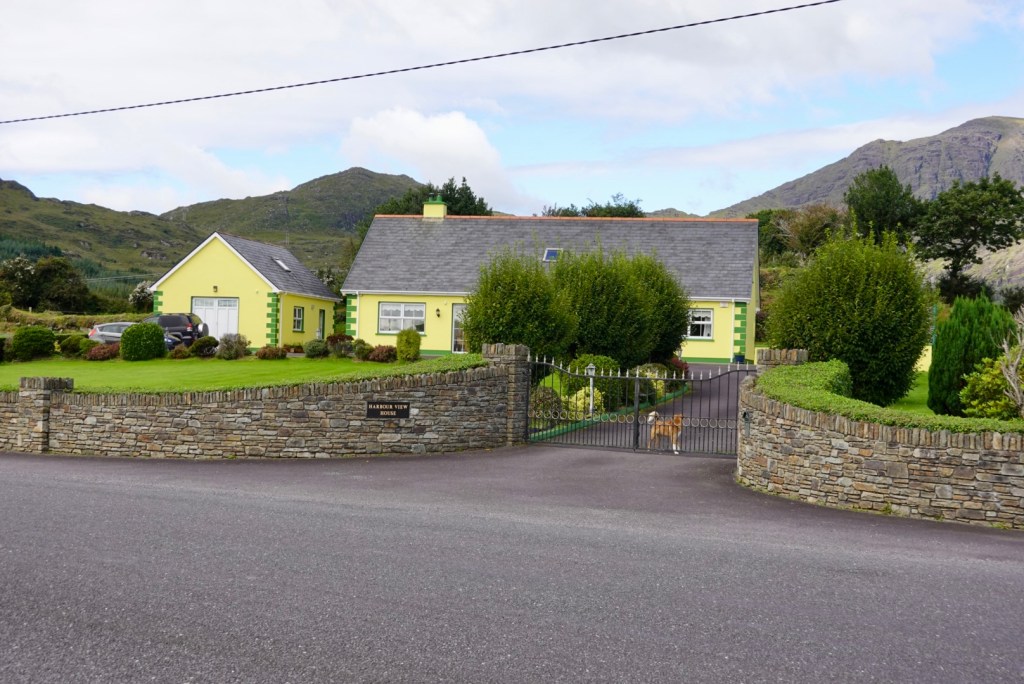
Very brightly coloured house, with determined yapping dog.

The views continued unabated as we headed to Castletownbere,
Castletownbere is the principle town on the Beara peninsula. The largest whitefish port in Ireland, with the second largest natural harbour in the world.

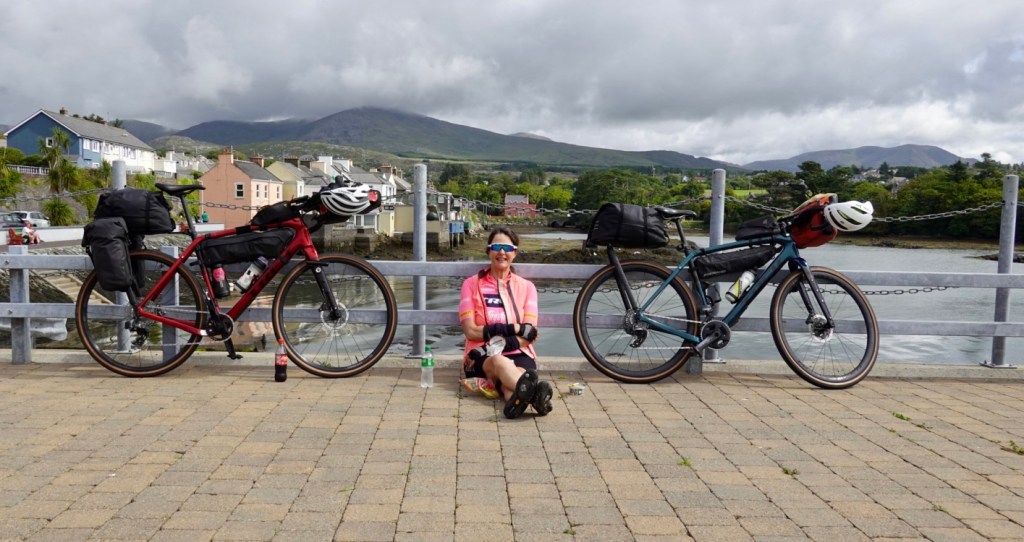
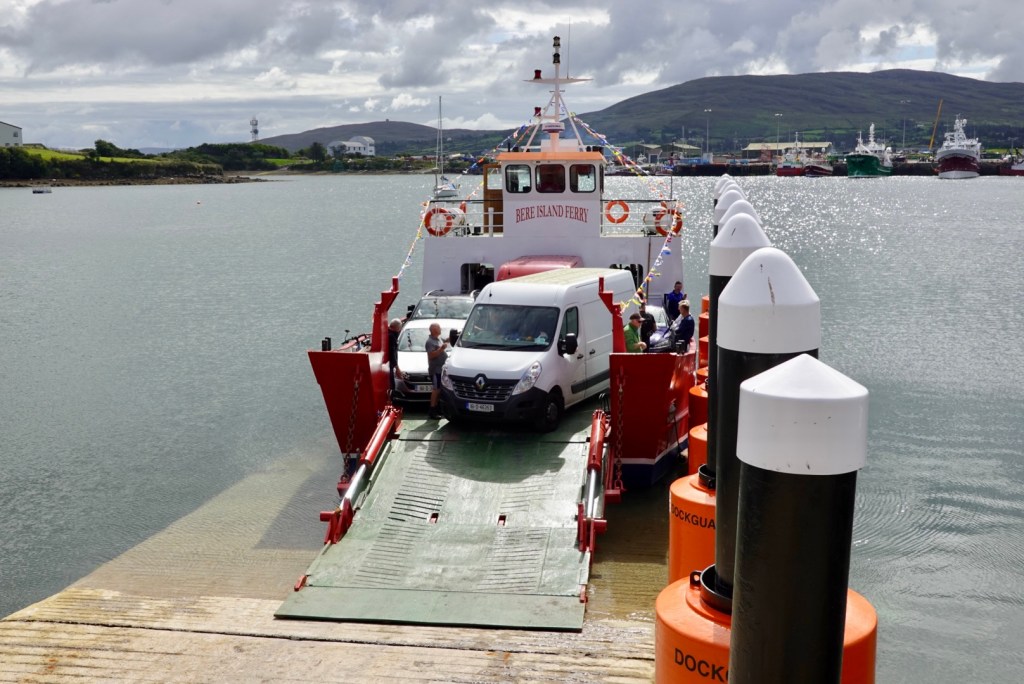
We stopped for lunch, parking our bikes on a railing overlooking the ferry. The ferry is about to leave for a nearby island. That van 🙈🤣

Views from our lunch spot. Lunch was obtained at an excellent supermarket over the road. Fresh rolls with banana, and a quark surprise. We both enjoyed it.
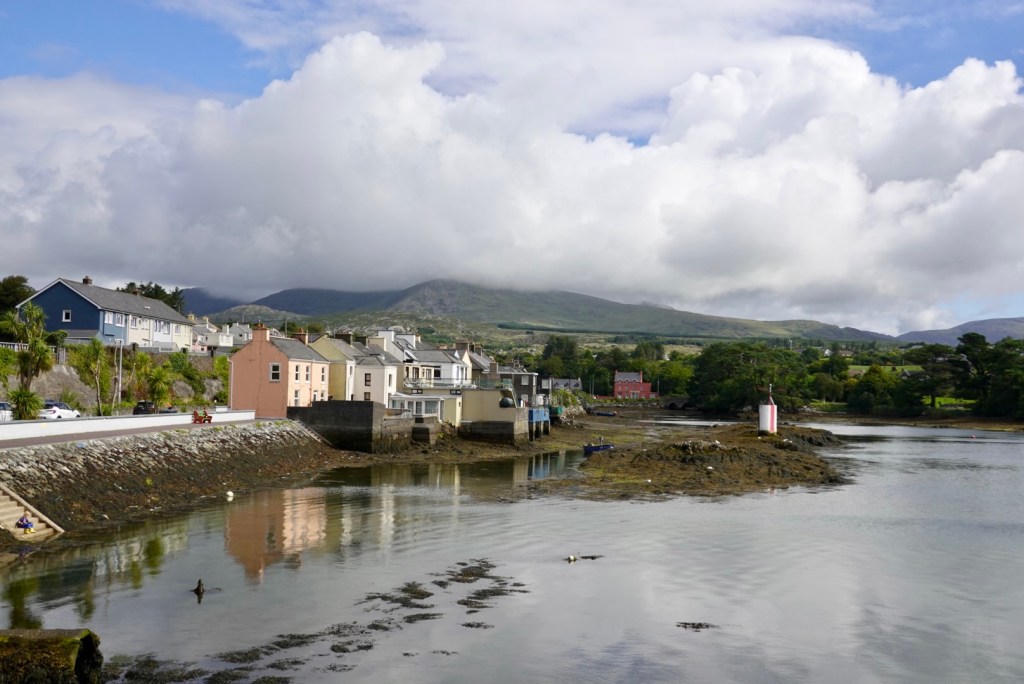
The local rescue boat
Eating my lunch

After lunch we climbed inland to cross the peninsula Eula to reach the Kenmare River side.
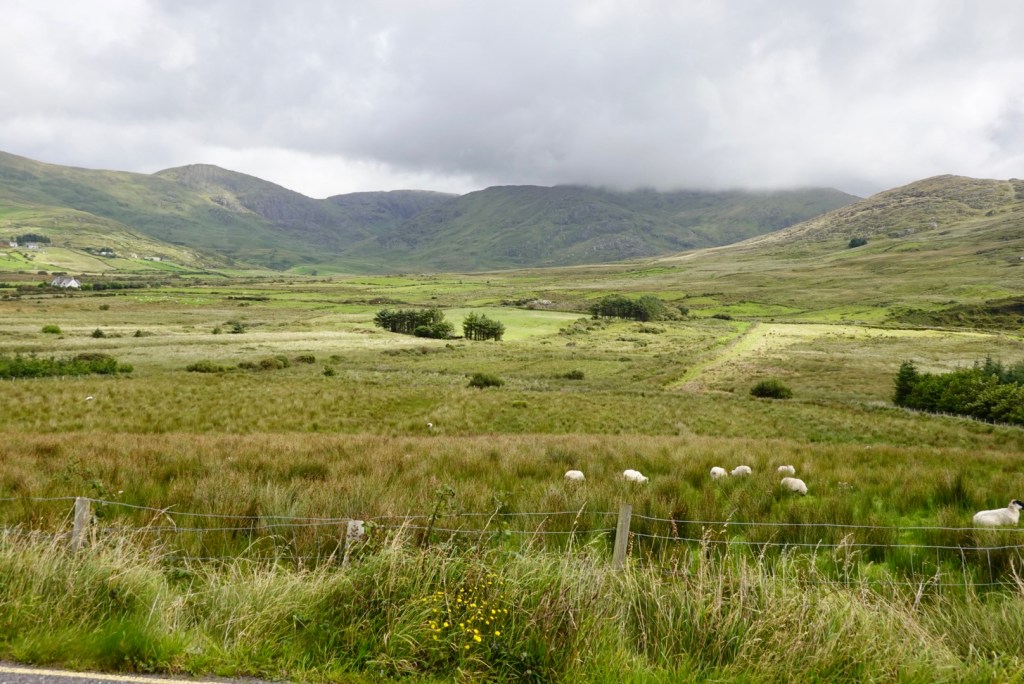
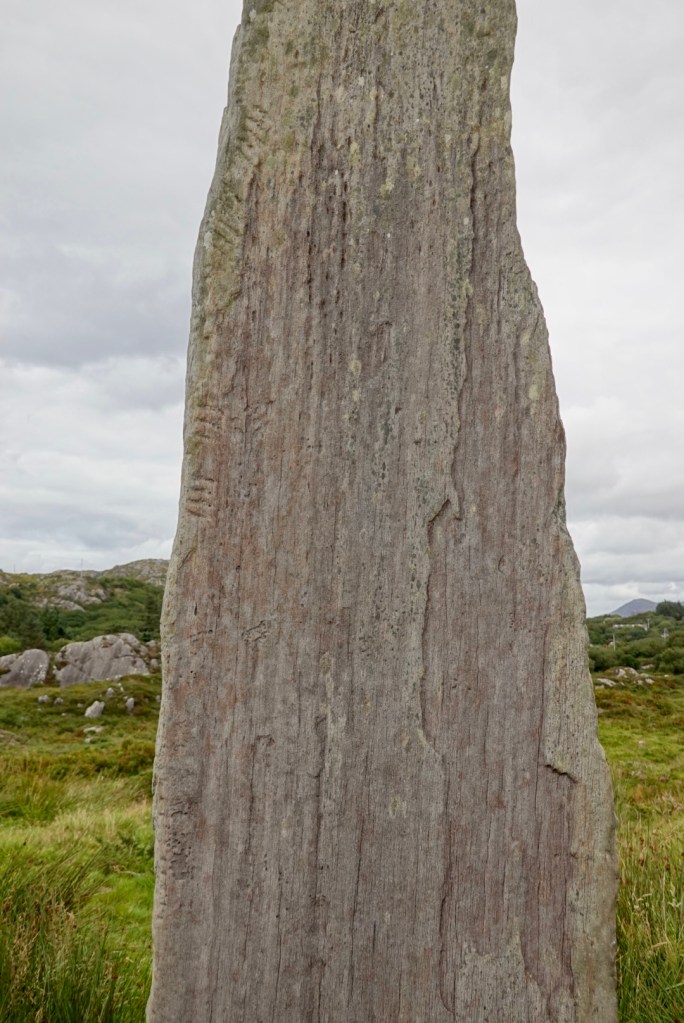
Once back on the coast, we deviated to visit the ancient Ogham Stone at Ballycrovane. It is the tallest known Ogham stone carved in the 4-6th centuries. It is the tallest of its kind in Europe at over 5 metres in height.

Ogham stones were used between the 4-6th centuries in Ireland. they are the oldest surviving written form of Gaelic. Short marks were made kin groups of between one and five notches, strokes or diagonal lines, usually on the edge of the stone.

We reached this one by going up what looked like someone’s driveway, through a gate then trudging through a muddy paddock to a knoll.
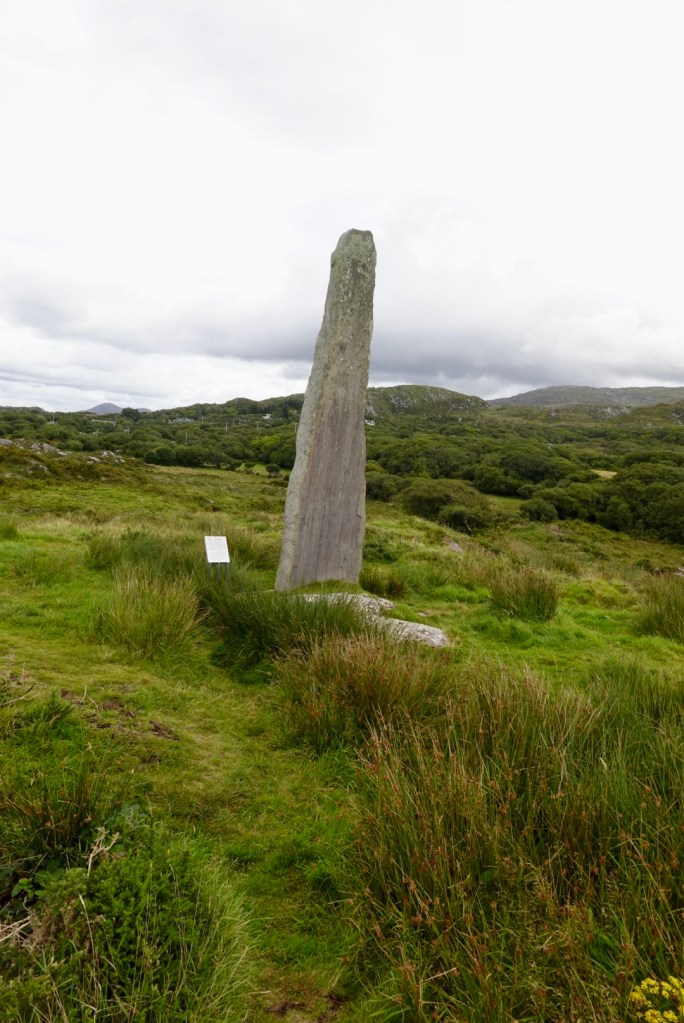
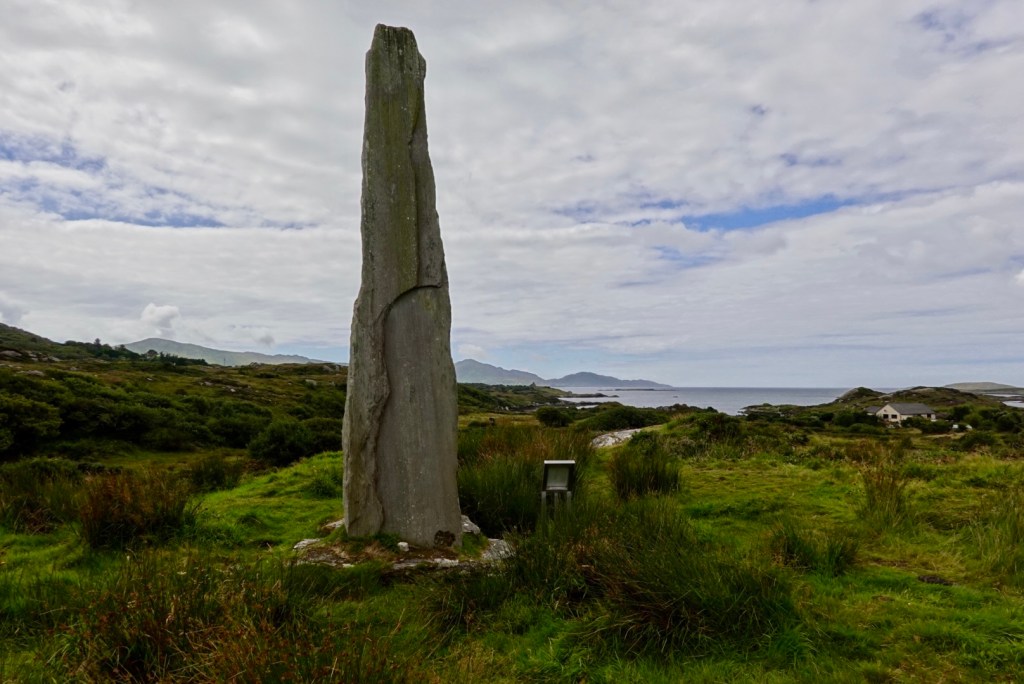
You can see some notches on the side, most having eroded.

We then continued our detour around the small bay.
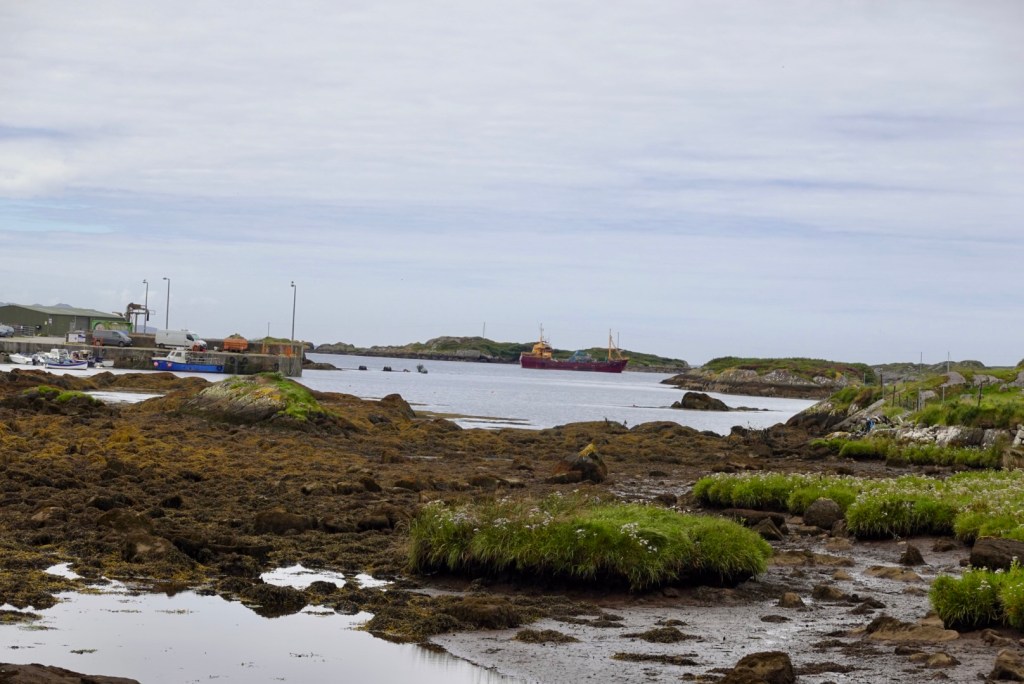
Up the hill….
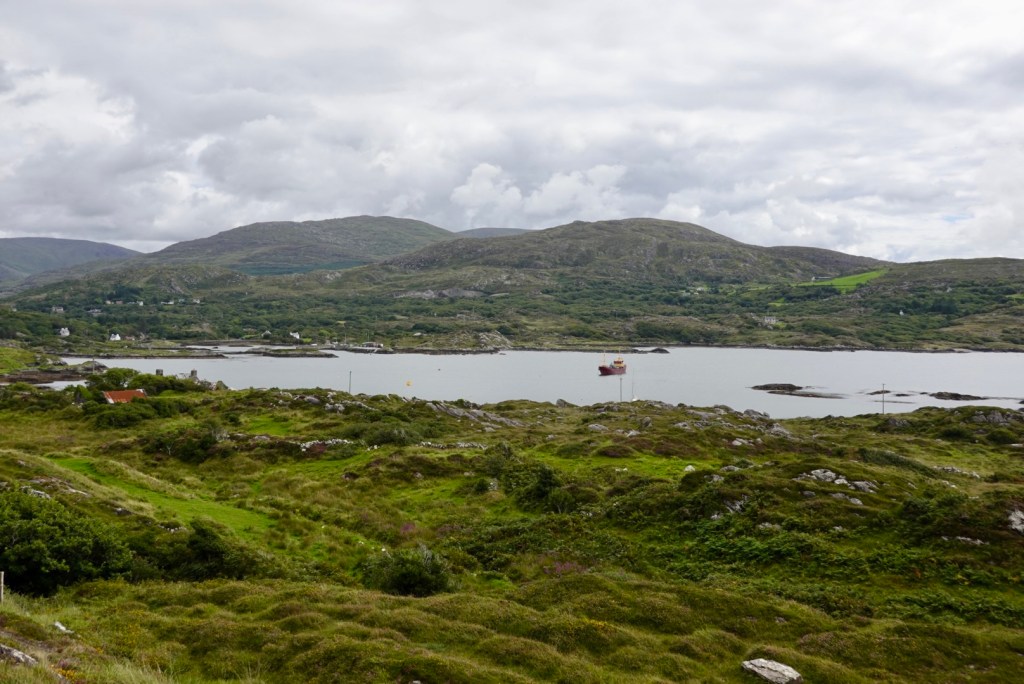
To see the Hag of Beara. At the top of the climb, Tony had a few other names for the hag, unimpressed with the climb to see a hag.
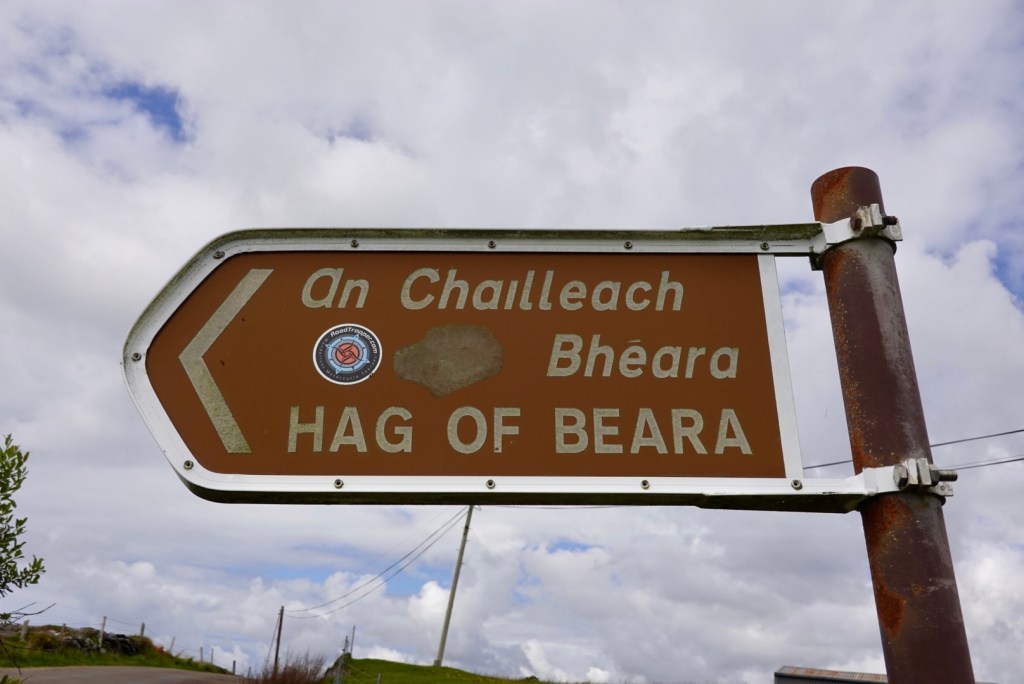
Hag of Beara, also known as the White Nun of Beara, or the Old Woman of Dingle, is a mythic Irish Goddess – or divine hag. I will go with hag!

She is best known as the narrator of the medieval Irish poem “The Lament of the Hag of Bara” in which she bitterly laments the passing of her youth and her decrepit old age.

According to legend, the rock represents her fossilized remains, staring out at the ocean awaiting her husband to return to her.

You need to use your imagination here. Apparently her head faces the water.
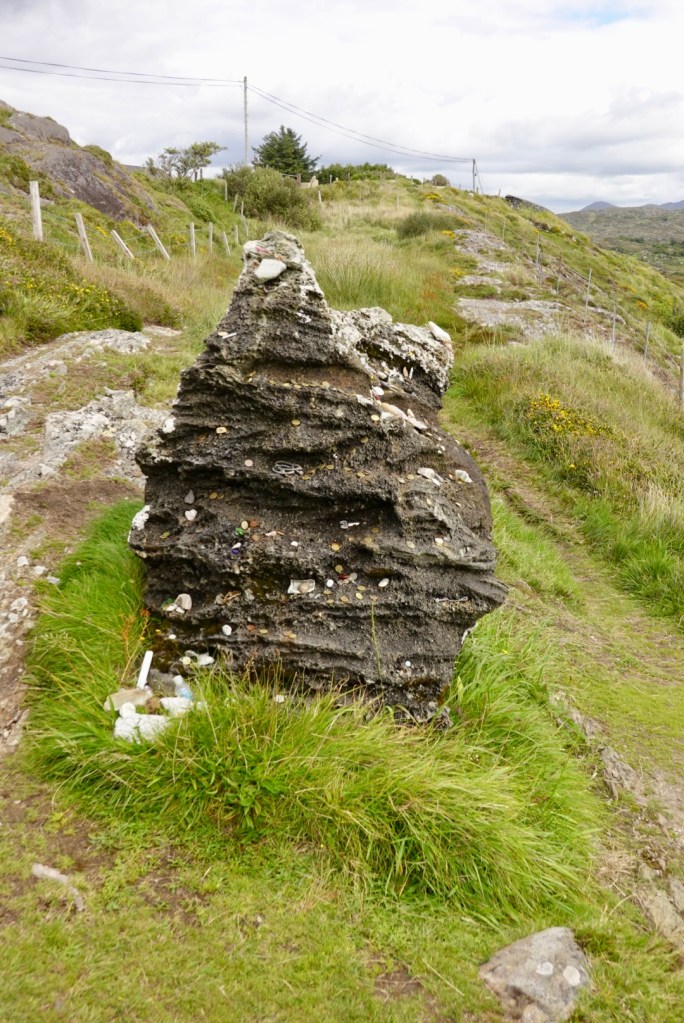
The rock is covered in small denomination coins and other ‘gifts’.
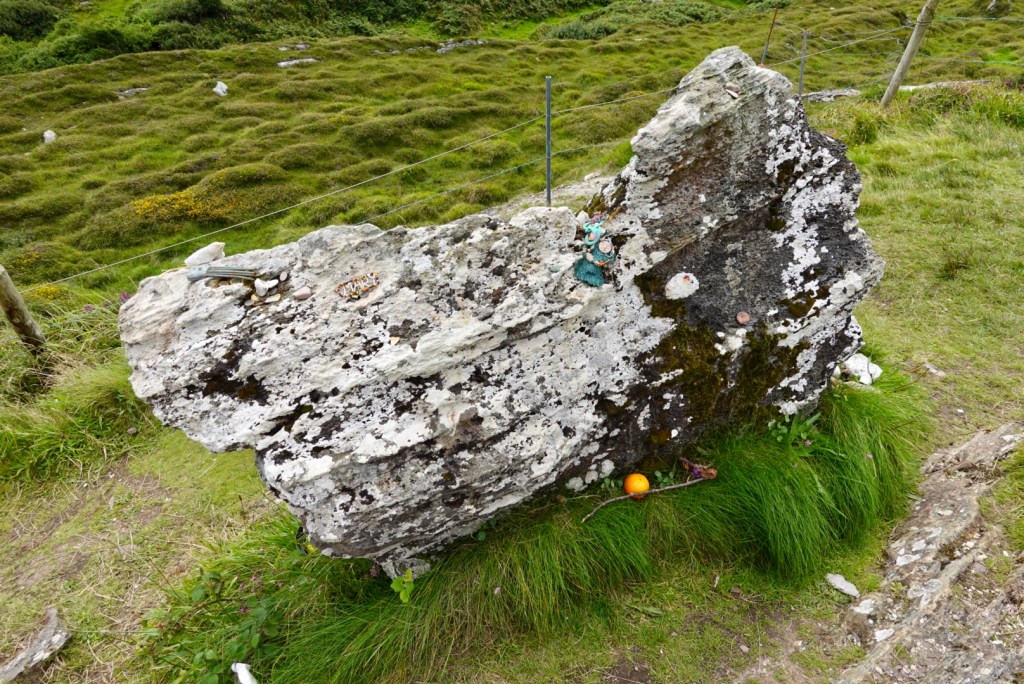
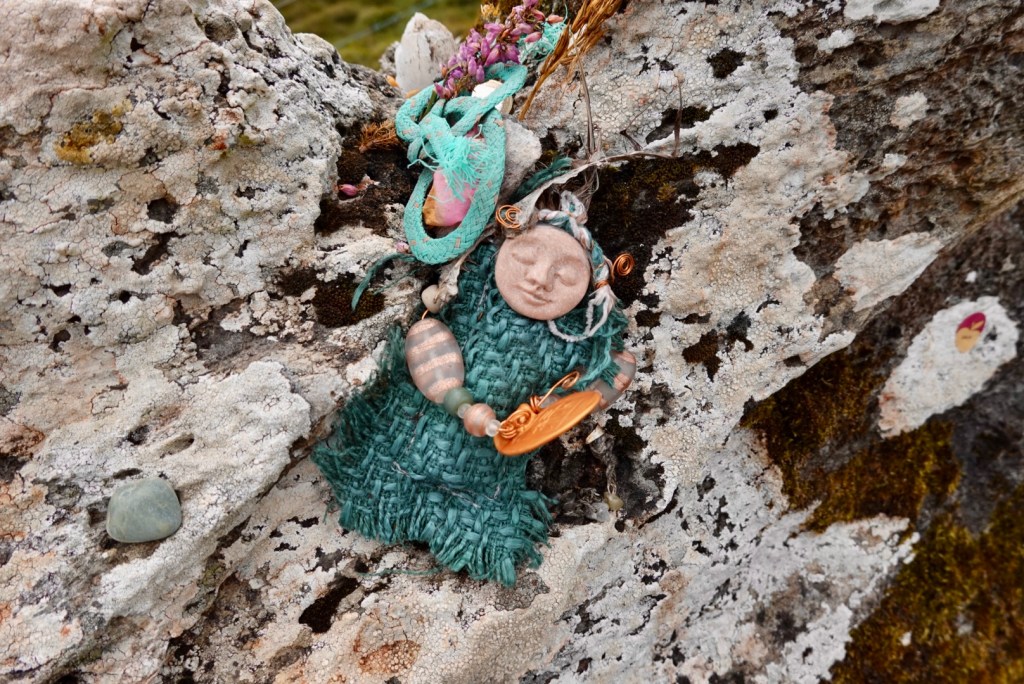
An example of one ‘gift’

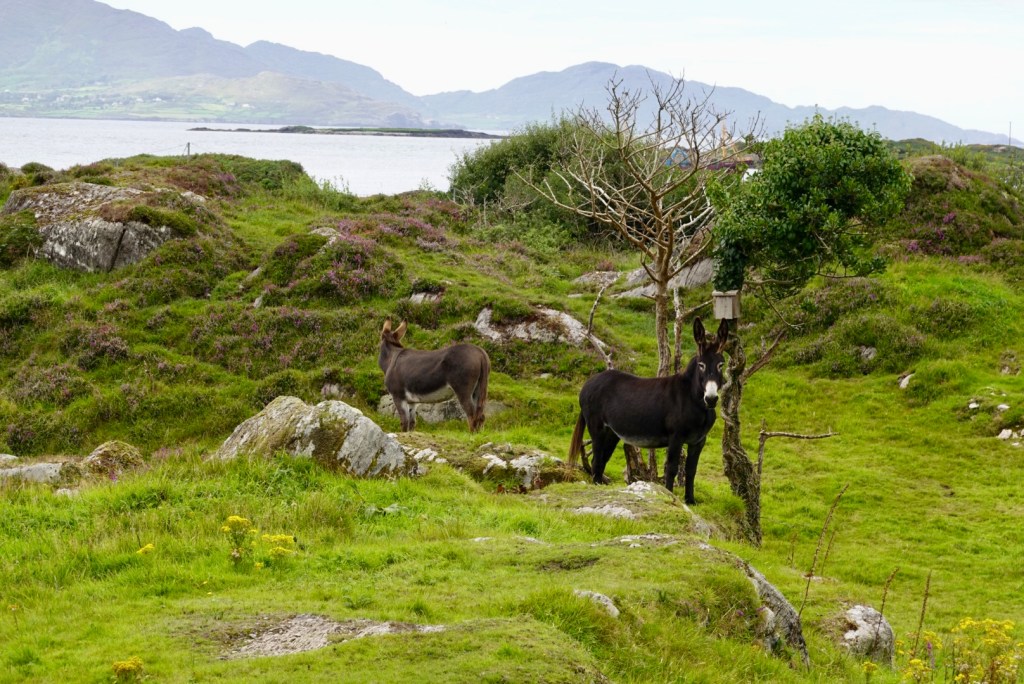
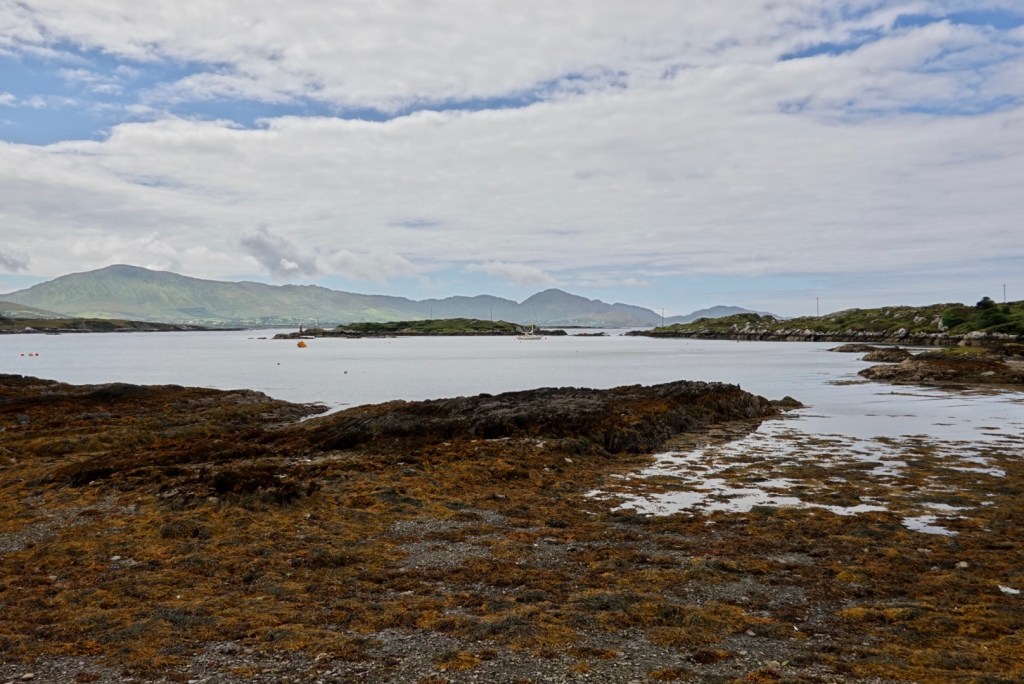
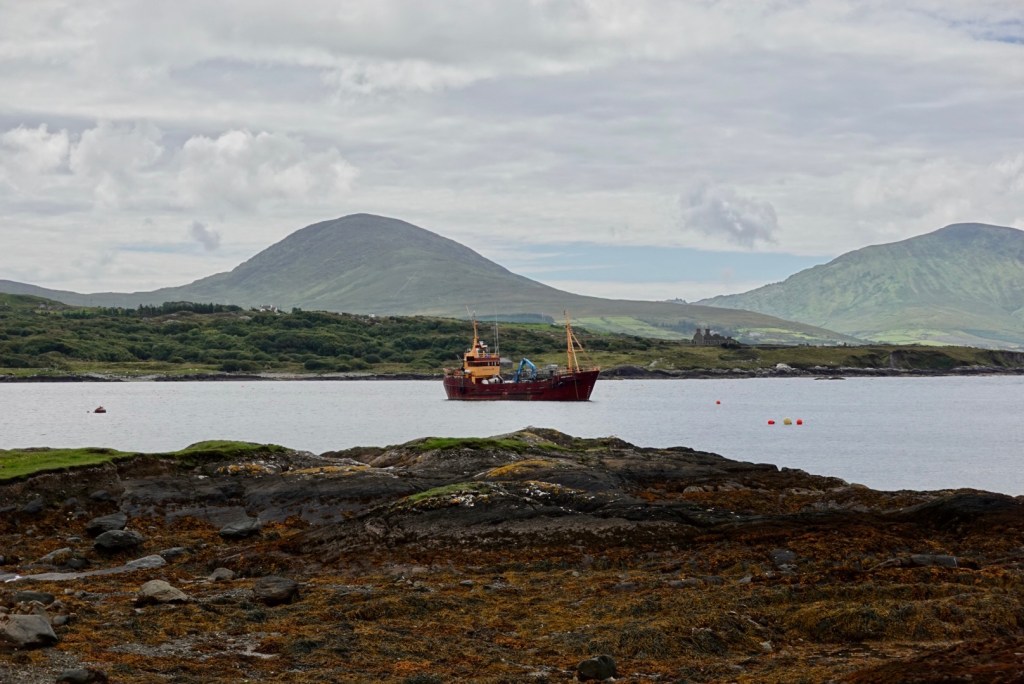
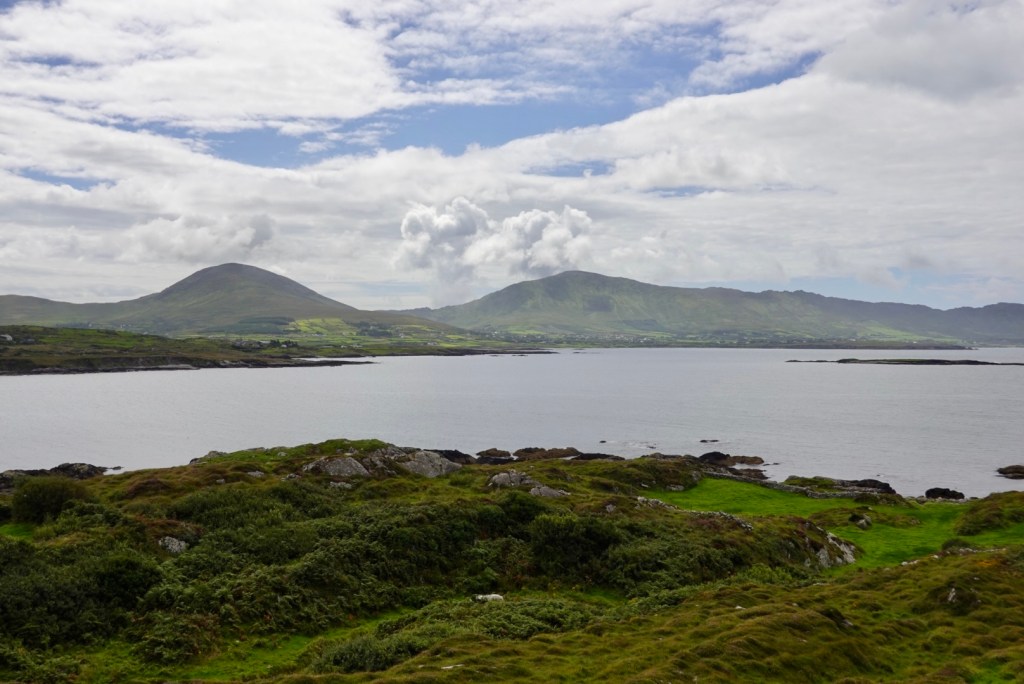
Back to the road, and down the hill we rolled. I’ve just left a series of photos here, as there were too many good ones to not include. The scenery was superb.

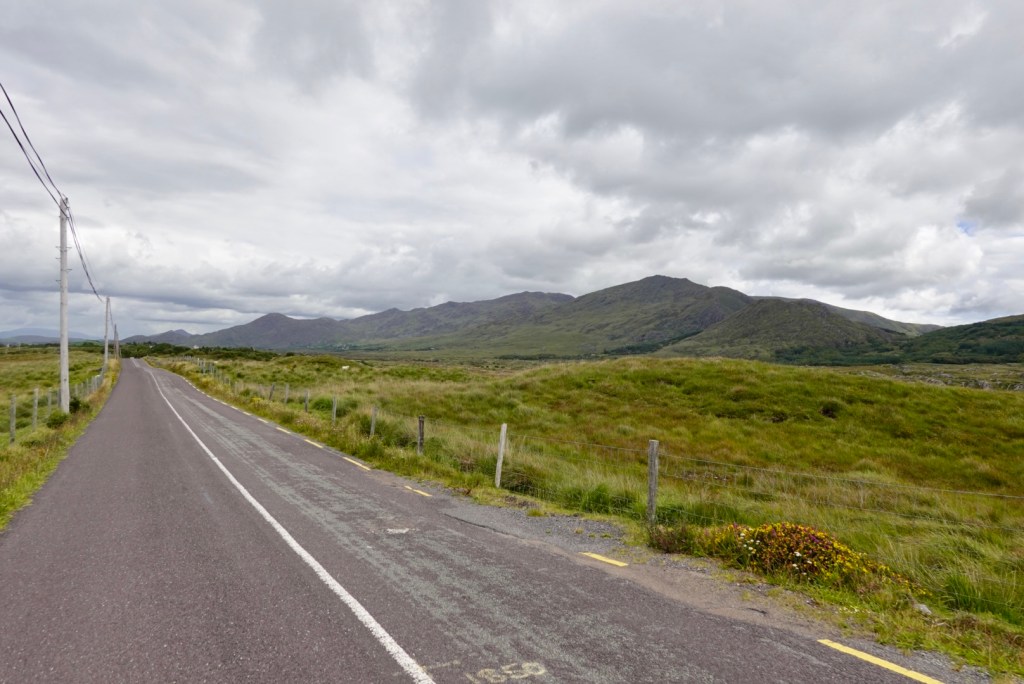
This pub was in the middle of now where, and packed out.

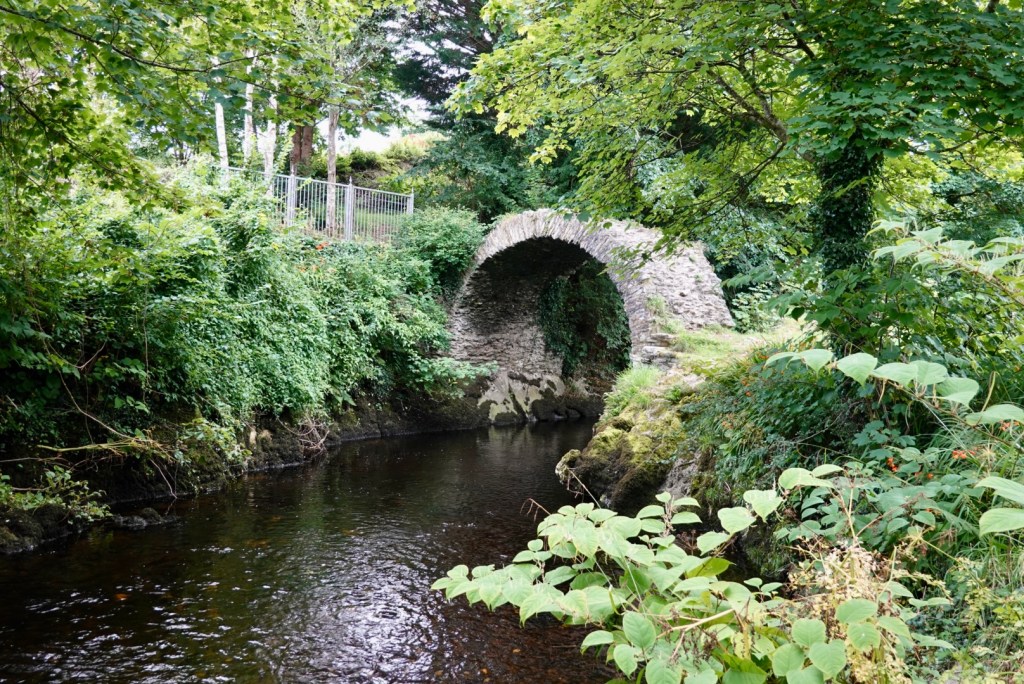
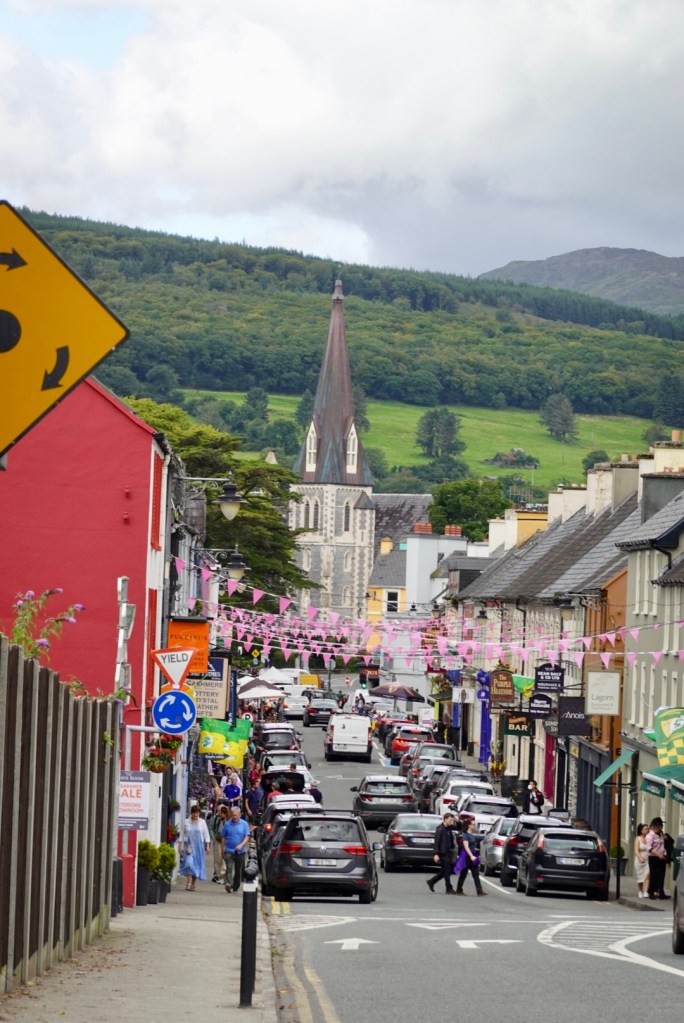
Kenmare, our home for the night. Slow crawl down the Main Street. We wandered back into town for dinner via this old bridge.

Another great day on the bike. 110 km, 1000 metres climbing. No rain, wind was ok, scenery was brilliant as you can see from Tony’s photos.

Thanks for reading. 😊❣️
In the footsteps of Owain and King Arthur

Today was a rest day. Our first and last for this cycle tour.

We headed off with Alan and Sue for a tour of their area. First stop was the town area of Corwen and a bit of history.

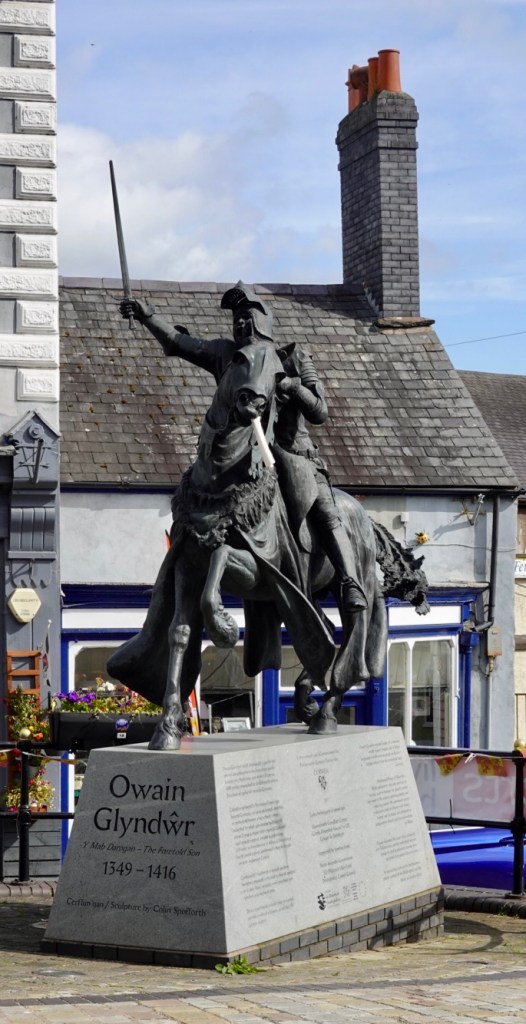
Owain Glynwr was the leader of a national revolt against English rule in Wales beginning in 1400 with an attack on Ruthin, a town full of English, from his stronghold near Corwen.

Proclaimed Prince of Wales by a Welsh Parliament, the only one ever to receive such an honour, he gained control over much of the country, winning battles and capturing castles. He summoned several parliaments, held an alliance with France, Ireland and Scotland, and proposed an independent church and two universities for Wales.

Owain sustained the hopes of his nation for over fifteen years and his myth lived on even though he died in obscurity, never having accepted the pardon offered to him.

In succeeding centuries he became a potent symbol of the Welsh spirit and the father of modern Wales.

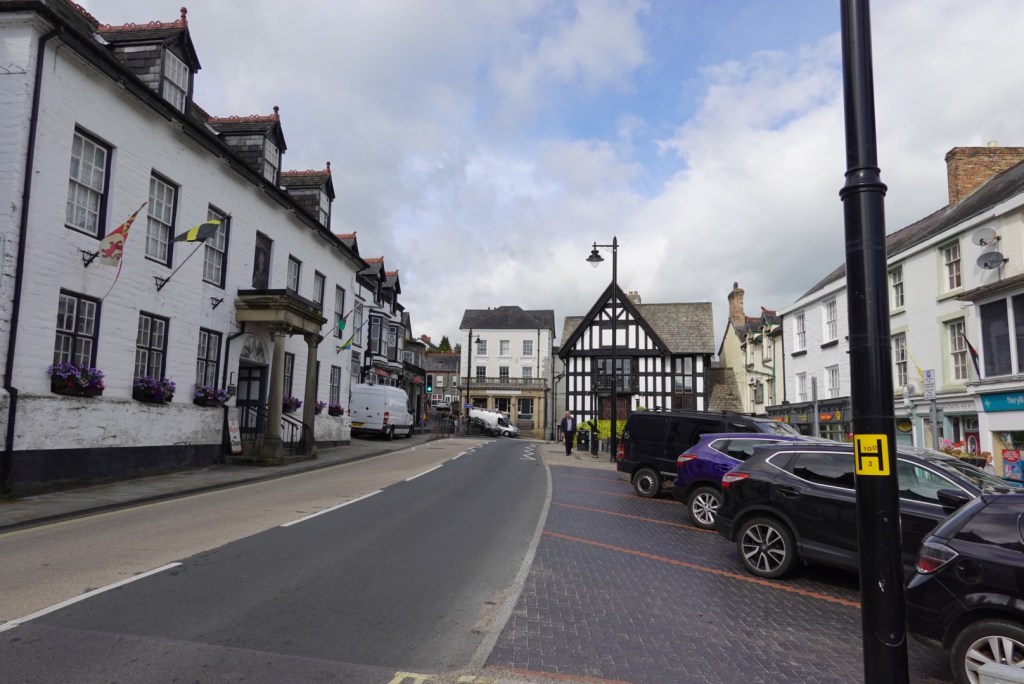
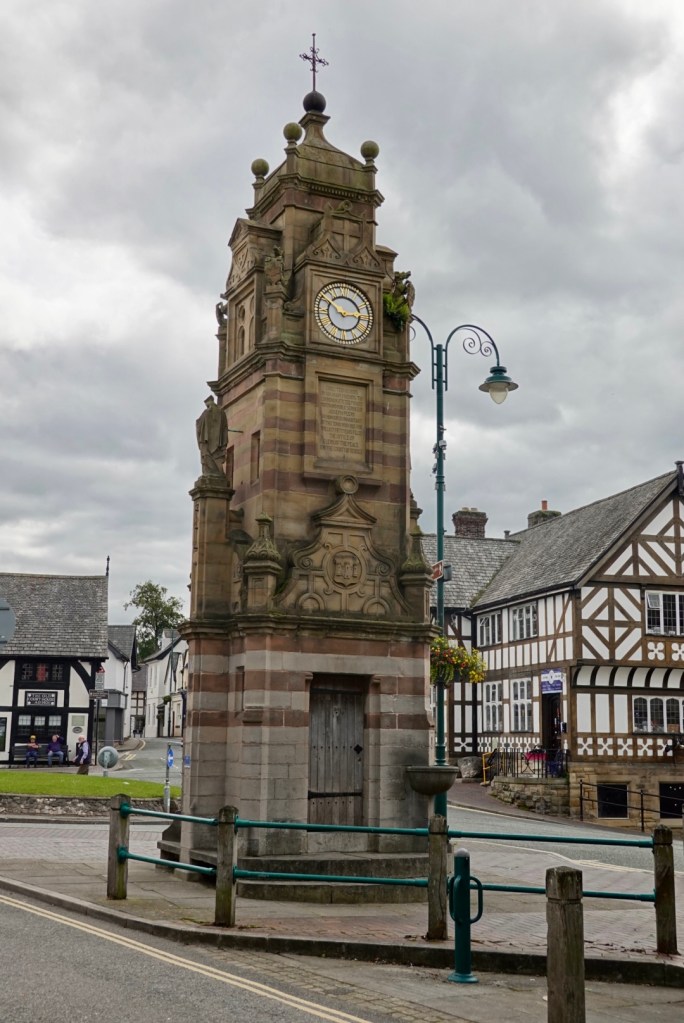
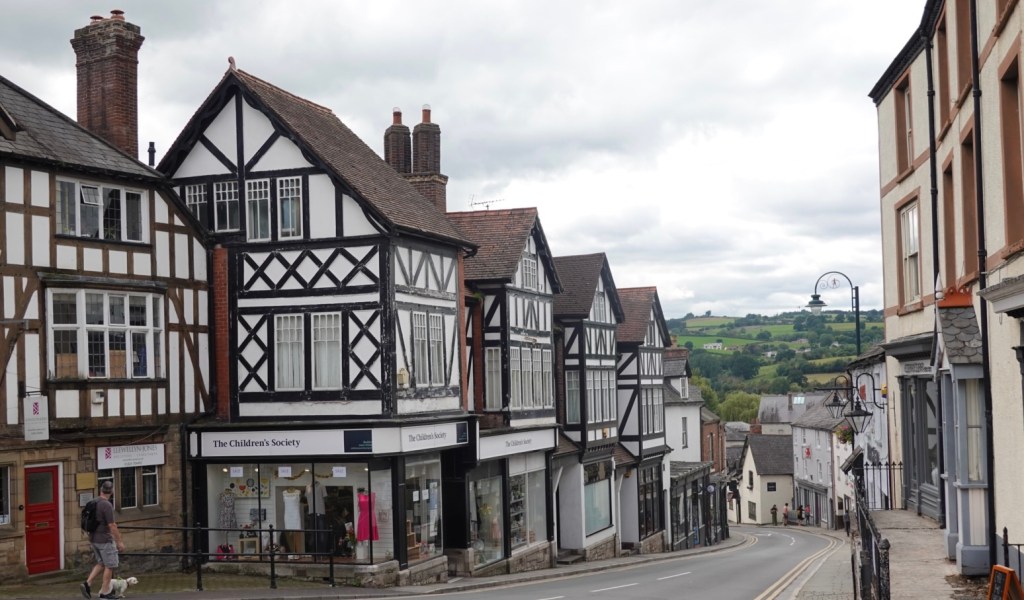
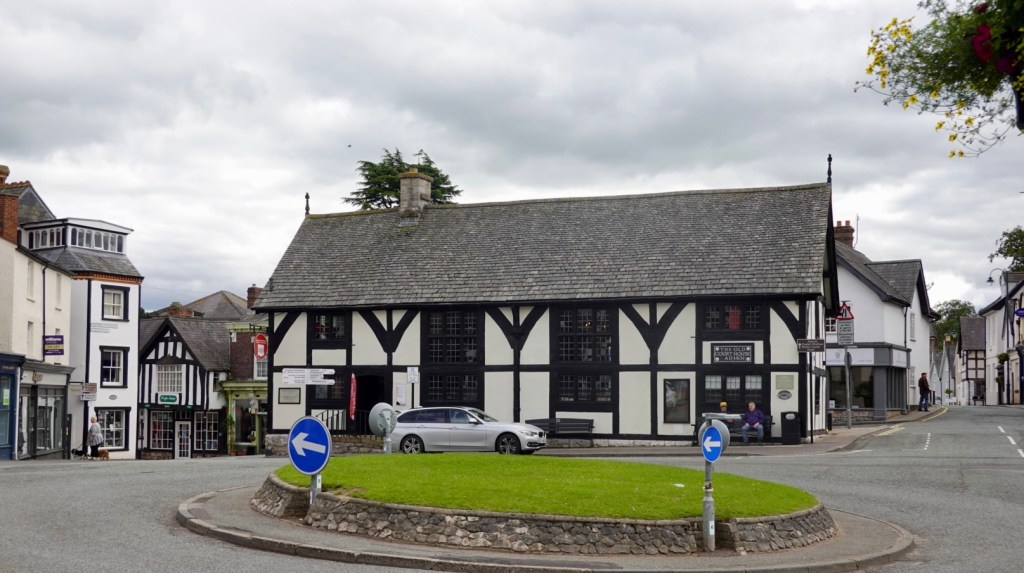
Looking down the Main Street of Corwen

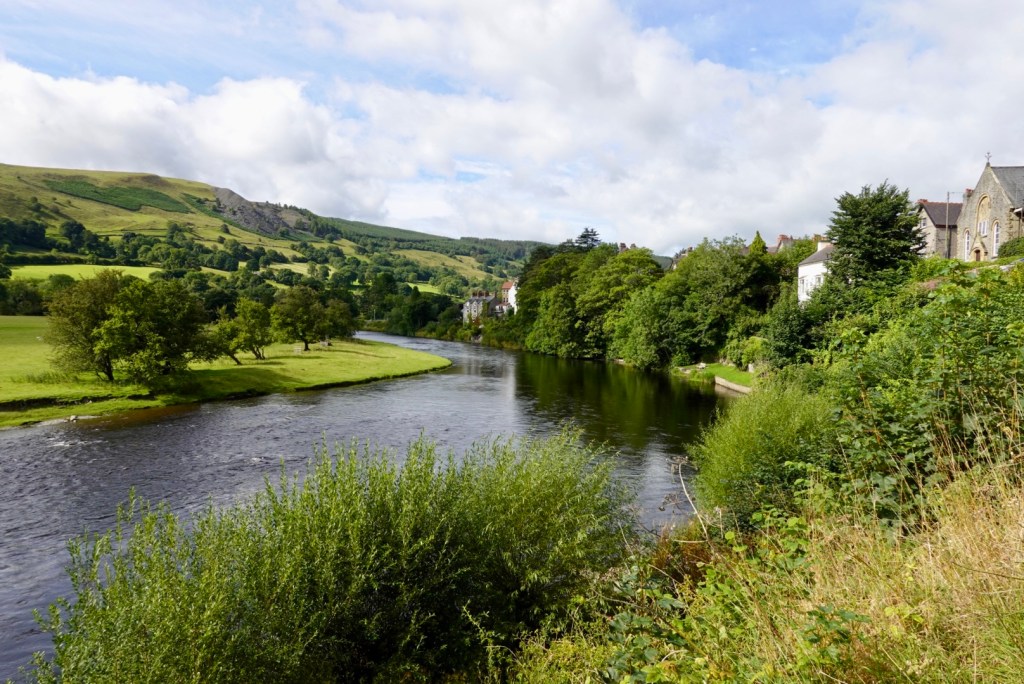
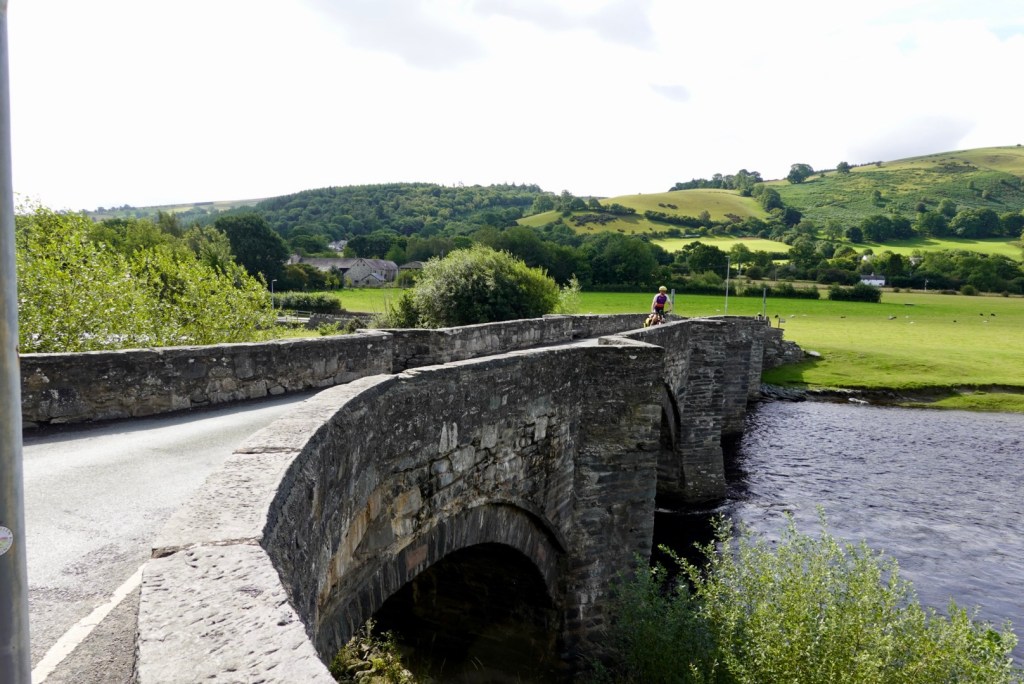
The river Dee flows through the region. Beautiful views.

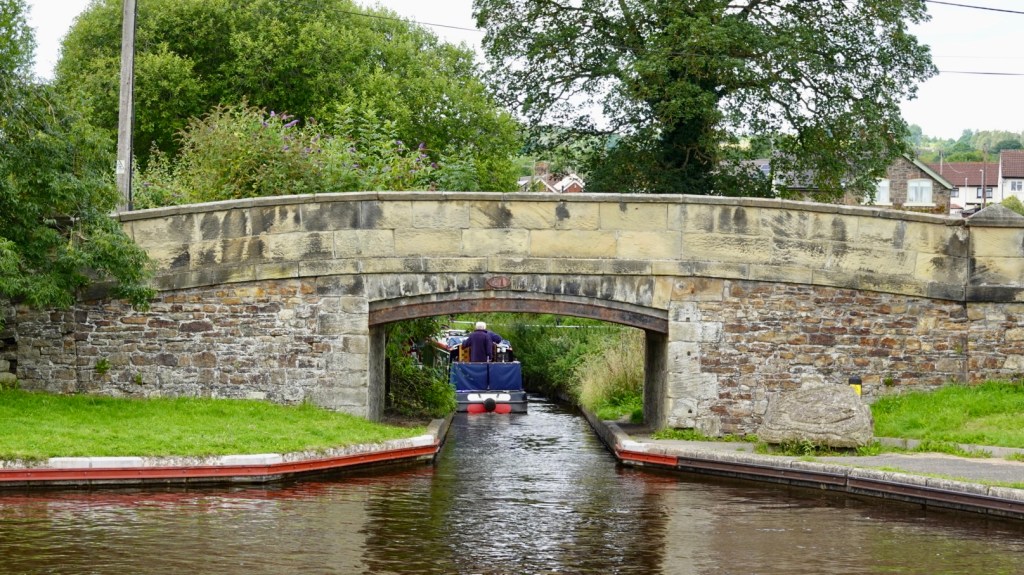
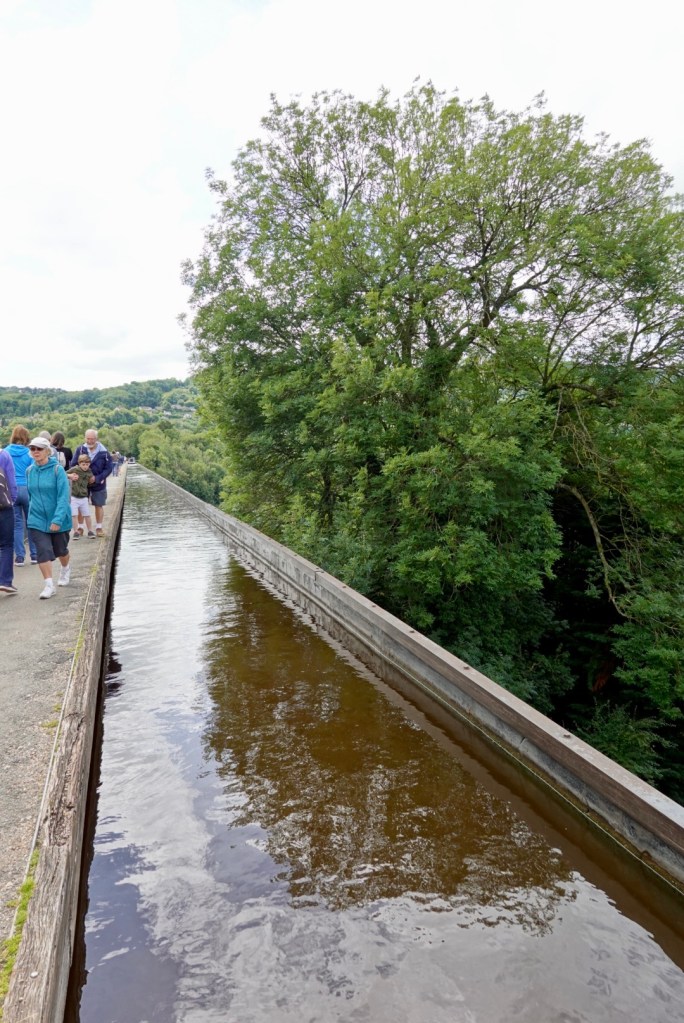
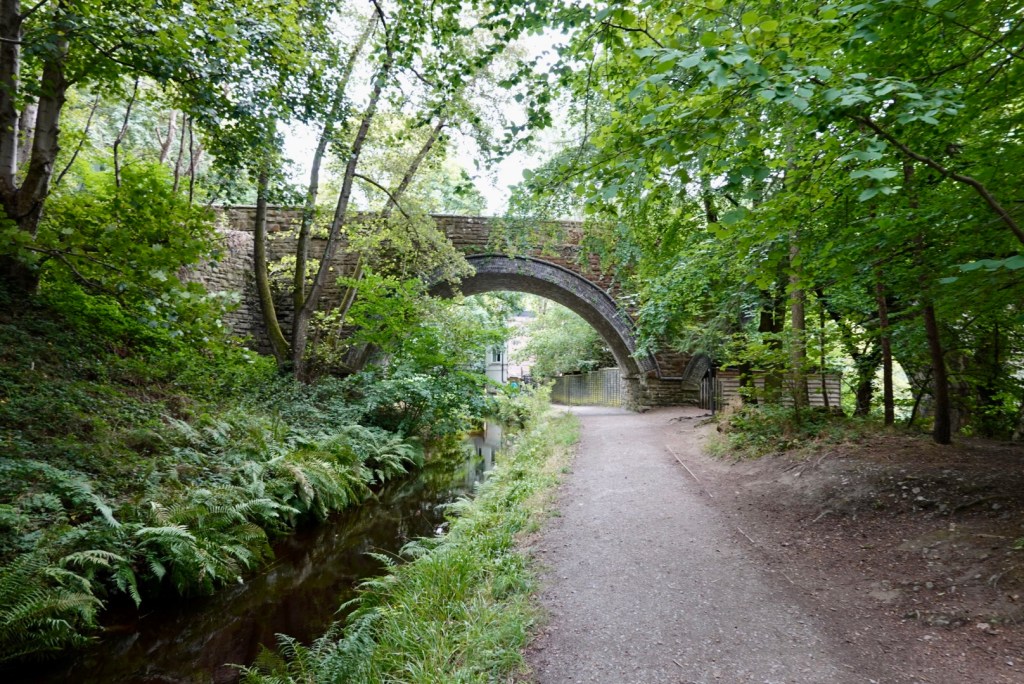
Trevor Basin is the junction point of the Llangollen canals. This then feeds into an incredible aqueduct. Originally constructed to move cargo around the country, today it is a tourist attraction and used for holidays on barges.

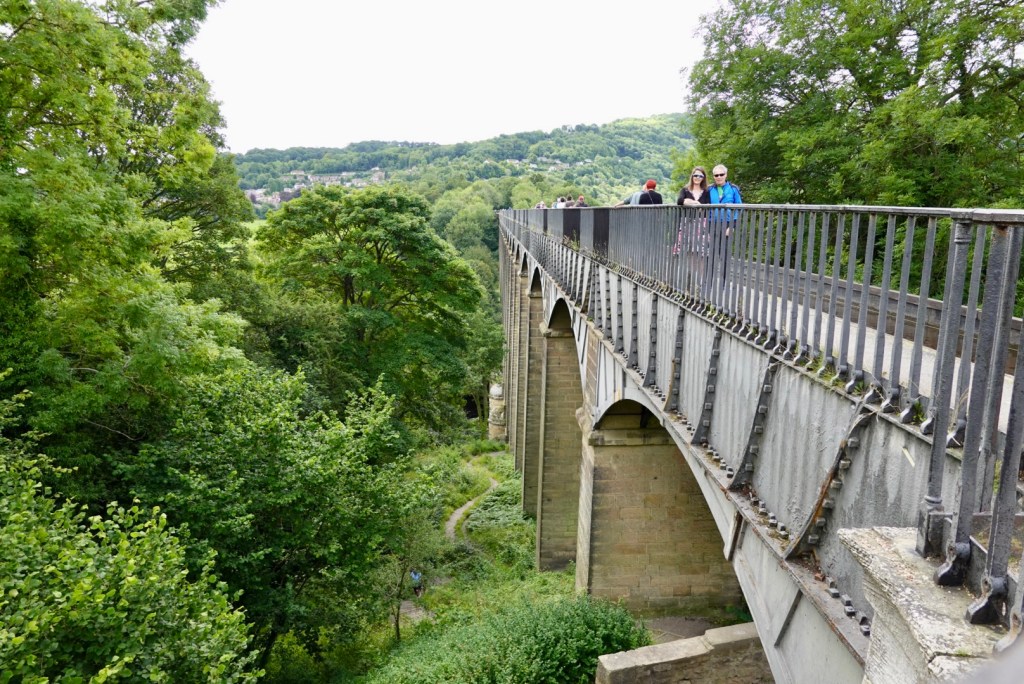
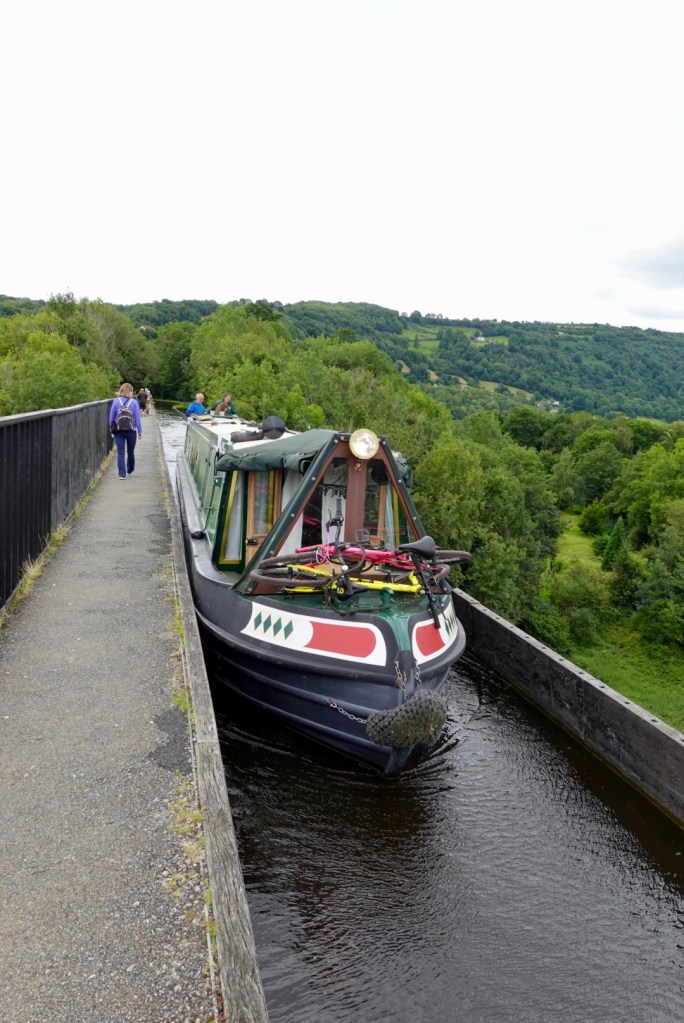
The Pontcysyllte aqueduct was built by Thomas Telford. There are 18 piers made from local stone. The canal runs through an iron trough that is 11 foot wide and 5 foot deep. It was the largest in Britain and cost 47,000 pounds constructed between 1795-1805.

Tony and I on the aqueduct
The aquaduct
A canal boat crossing
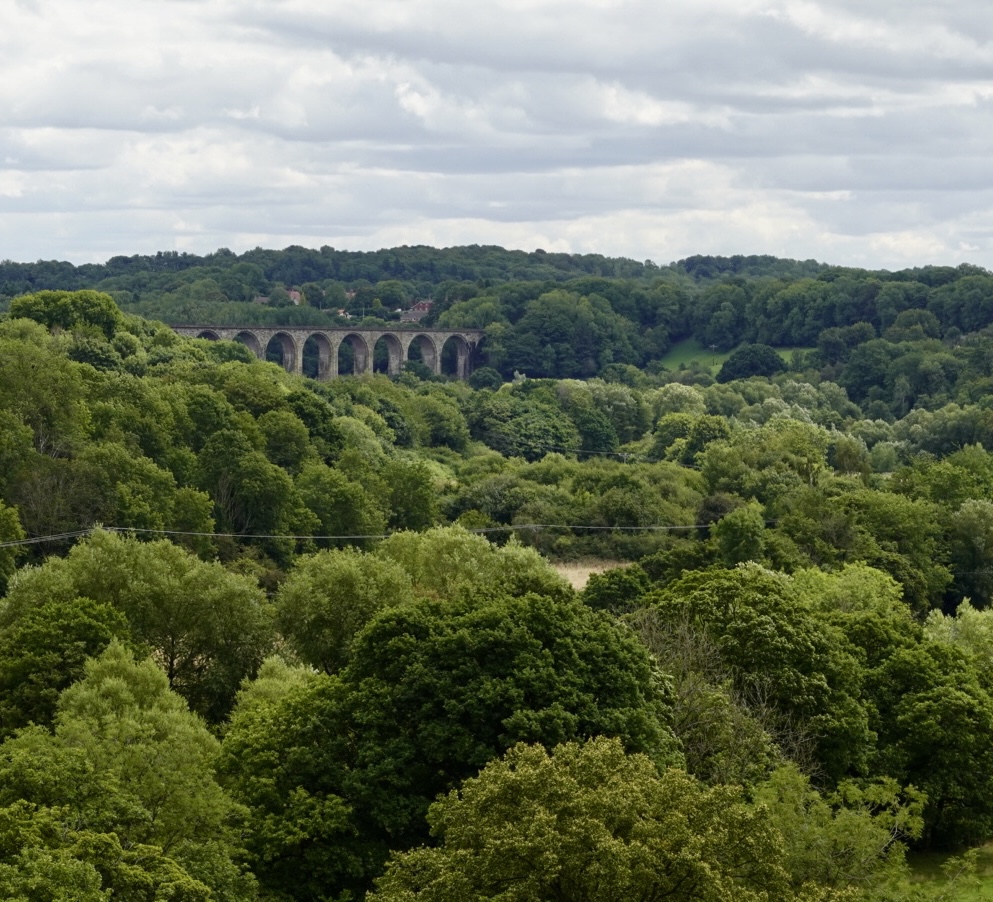
The view from the aqueduct looking towards the Chirk aqueduct

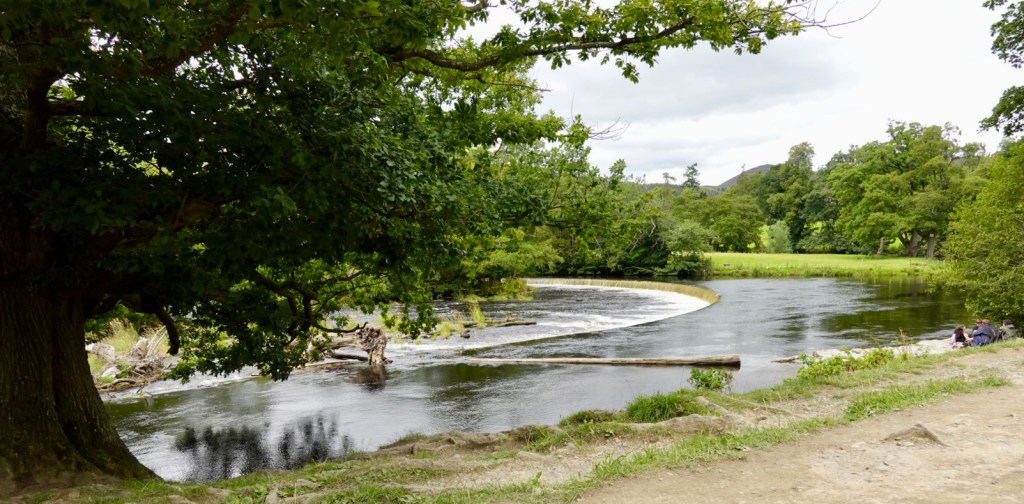
We then headed to Horshoe Falls, that provides the water for the aqueduct.

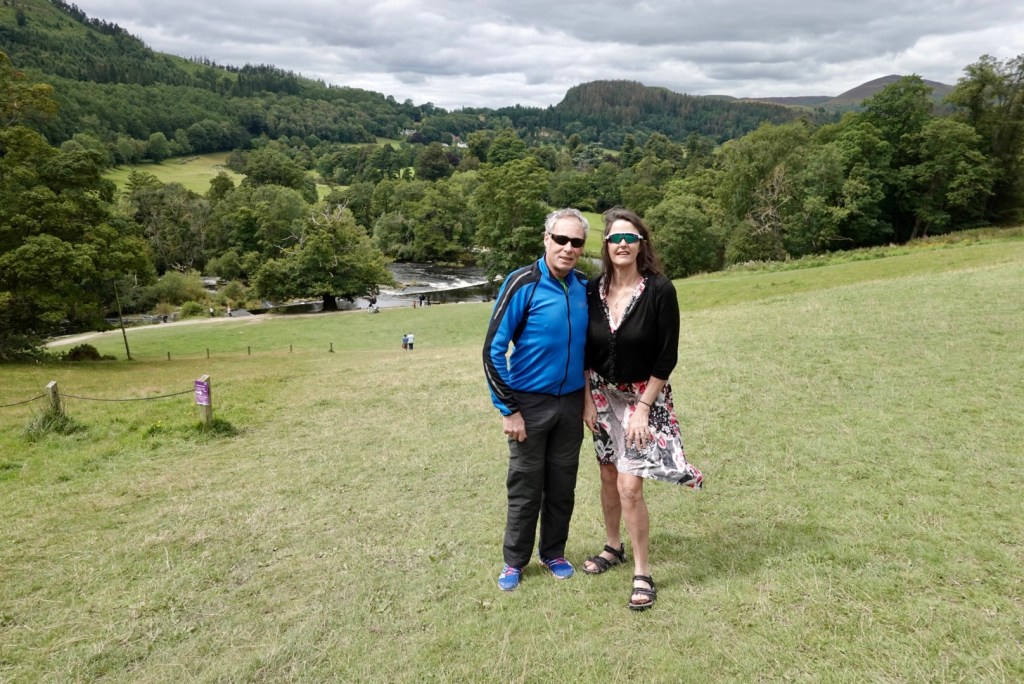
Tony and I
Horshoe Falls
Walking back from the falls

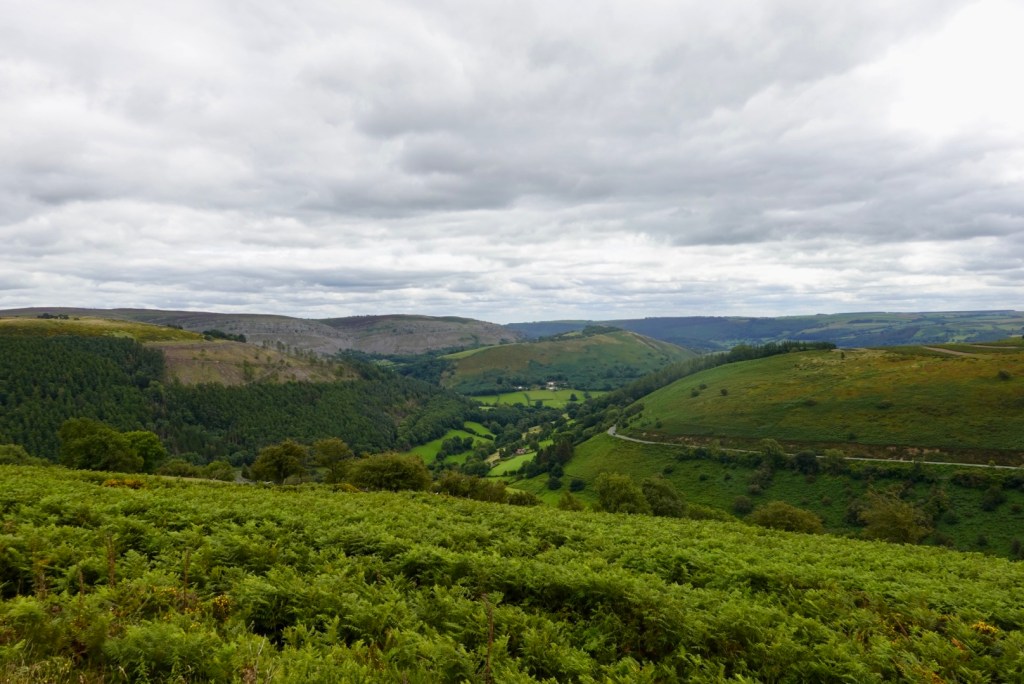
Next part of our tour today we headed up Horshoe Pass, where we had lunch and there were lovely views across the hills and mountains.

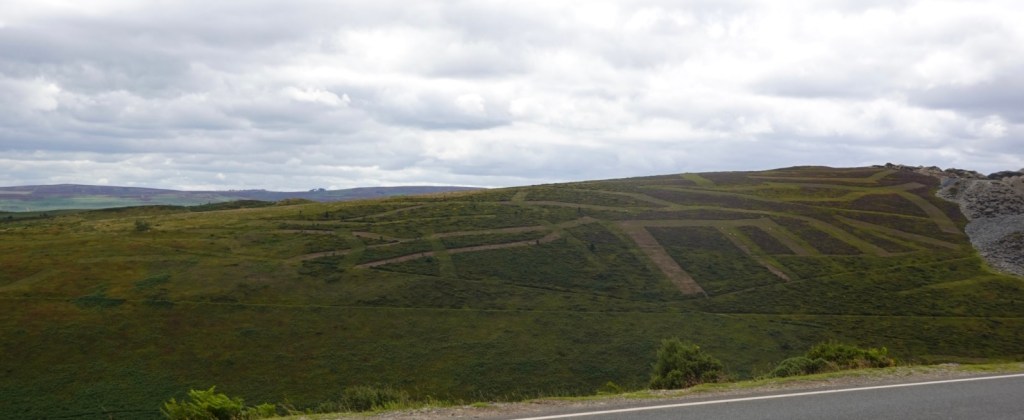
The vegetation has been clipped back to encourage the native heather to flourish

Finally we visited Ruthin, a historic market town. The castle was commenced in 1277 by Dafydd, the brother of Prince Llewelyn at Gruffud. He forfeited the castle to King Edward 1.

In 1400, Owain, from earlier Corwen fame, burned it to the ground in a show of Welsh patriotism.

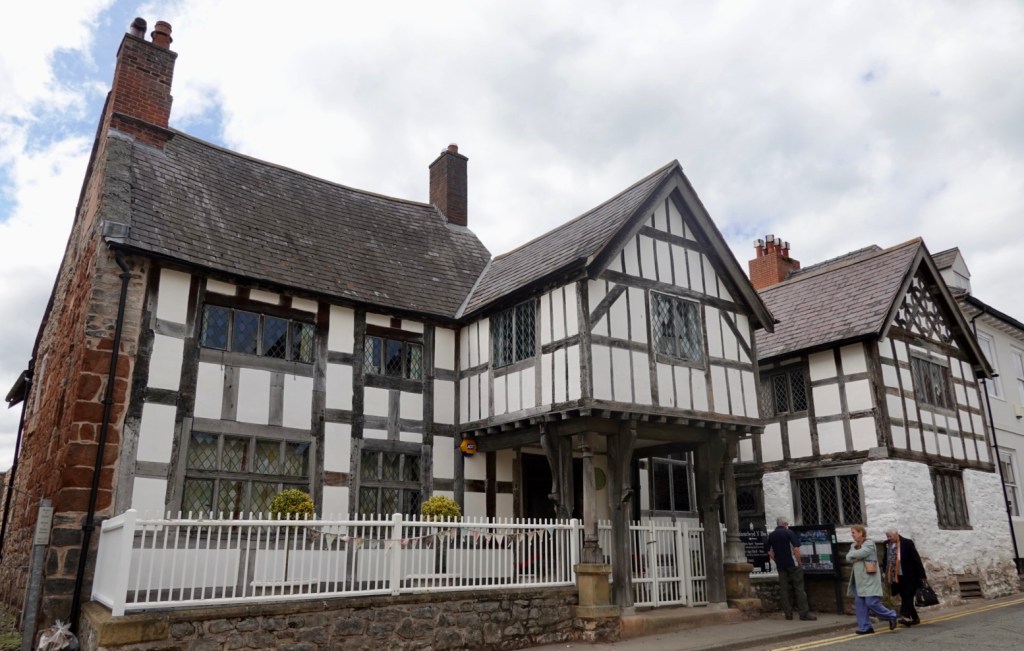
As we walked up to the castle, there were many interesting old buildings from the 1400’s onwards.

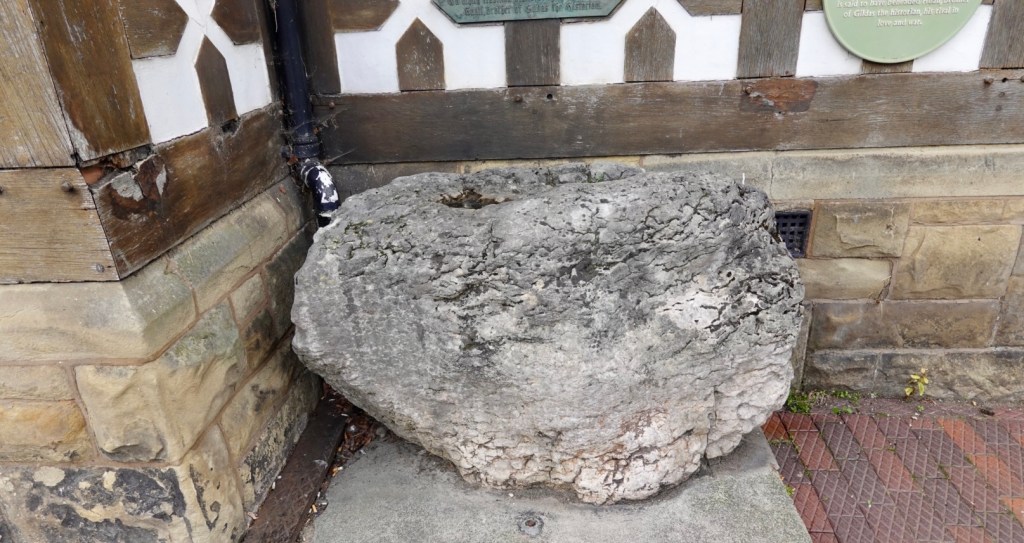
This rock is interesting. It is believed that King Arthur beheaded his rival Huail in this rock.

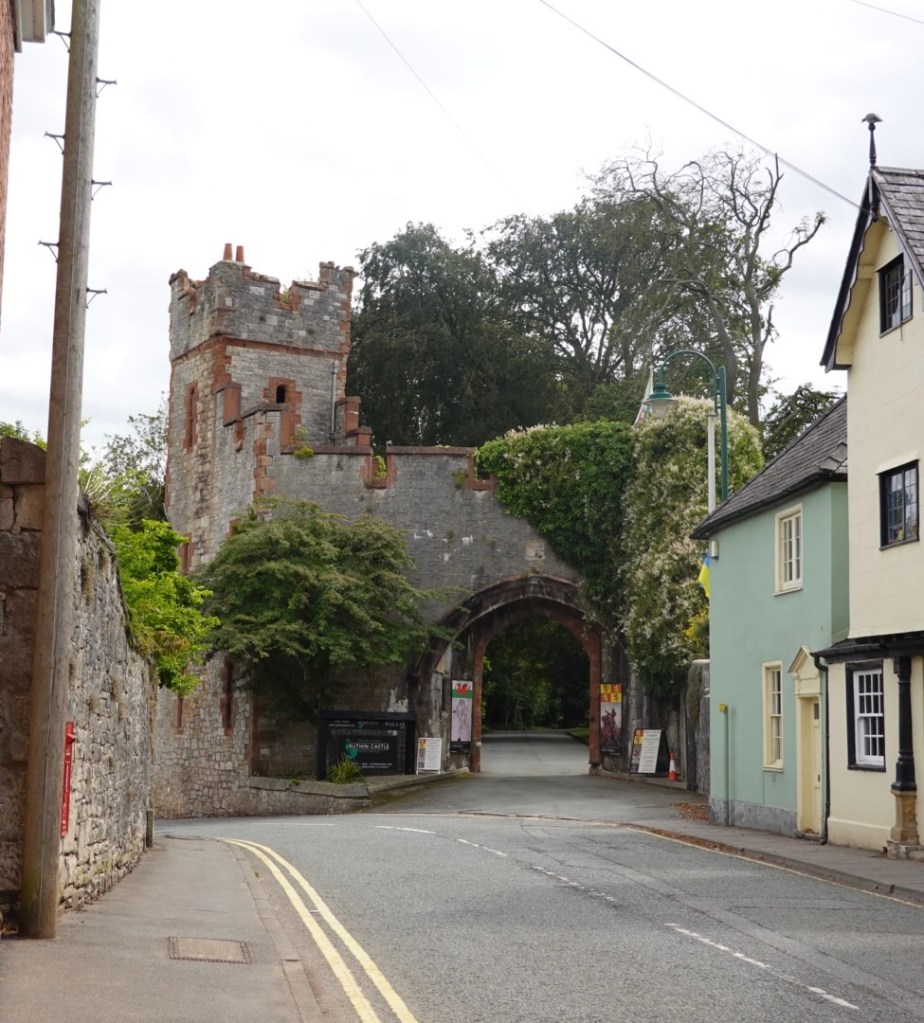
The entrance to the castle.

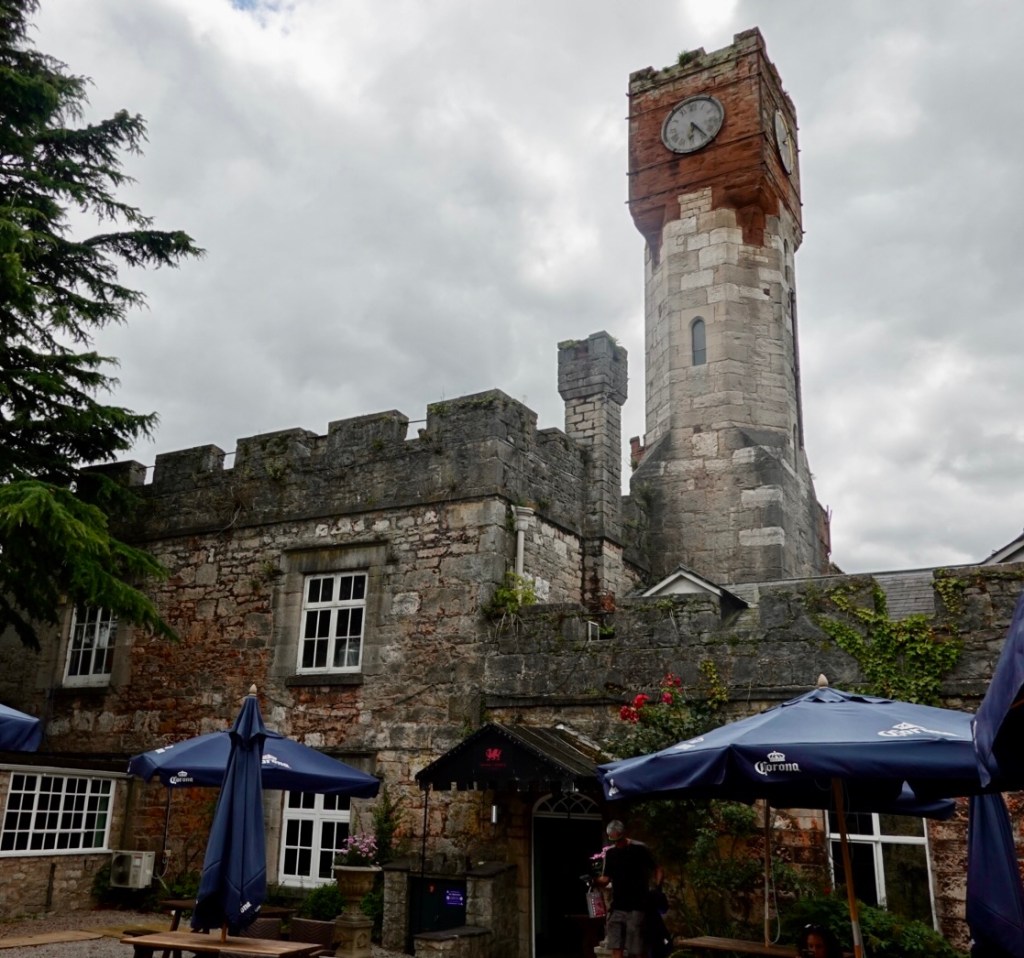
Part of the castle. King Charles III spend the night before his investiture as Prince of Wales in this castle.

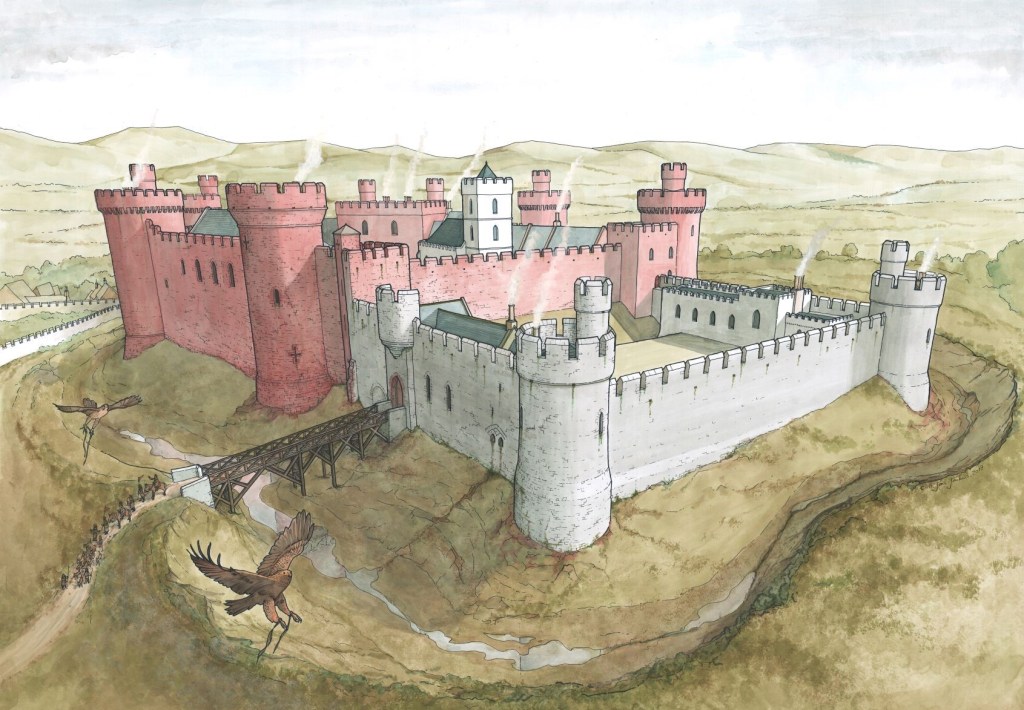
Reconstruction

So a lovely day with our friends. It has been a wonderful opportunity to catch up with them again reminiscing about our adventures riding LeJog, and their trip to Tasmania, and things that have happened un between.

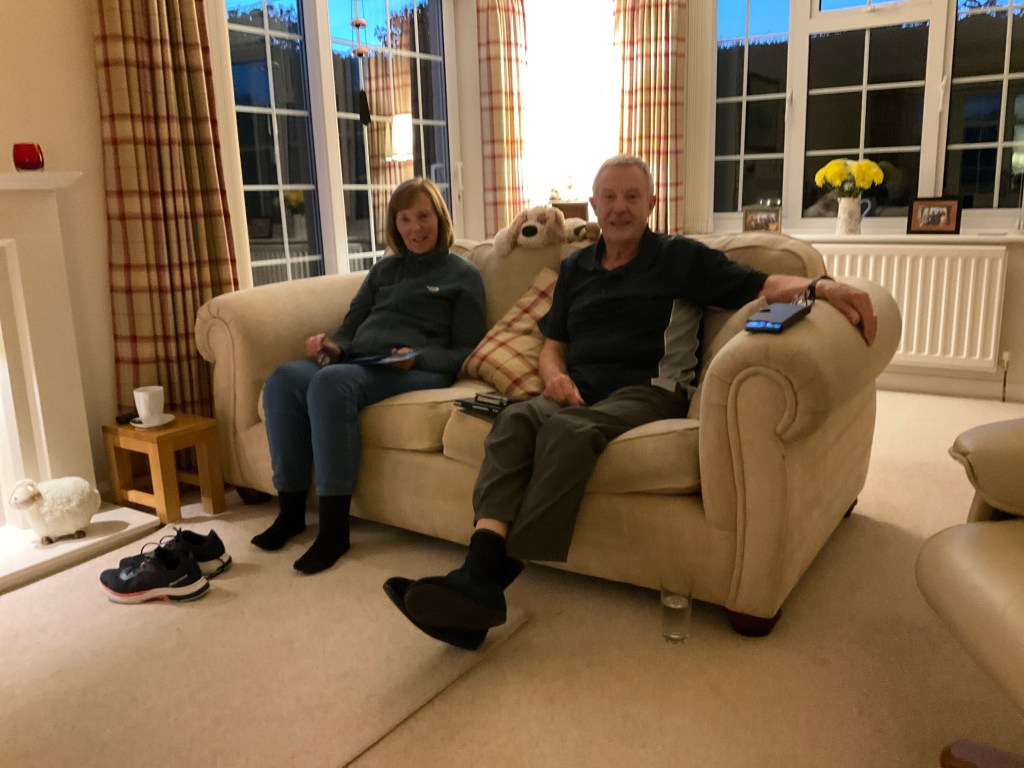
Here are Sue and Alan chilling after a day with us 😊❣️

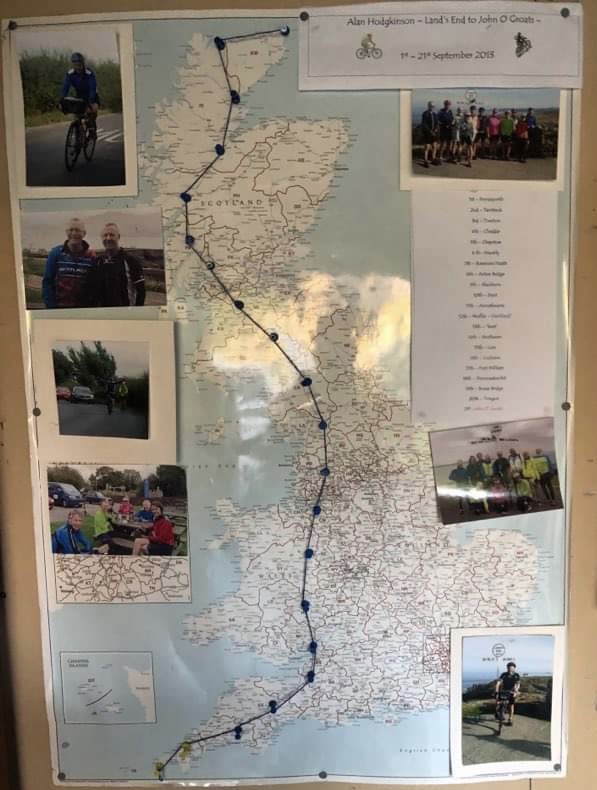
In their garage is this map of memories from our 2013 LeJog ride. I like the string concept and might look at what I can do with our rides.

Tony and I are I are in the bottom left photo and the two group photos. This is the route taken in 2013 LeJog ride.

Tomorrow we head to Holyhead, preparing our crossing to Ireland the following day. A long day ahead.

Thankyou for reading. ❣️😊

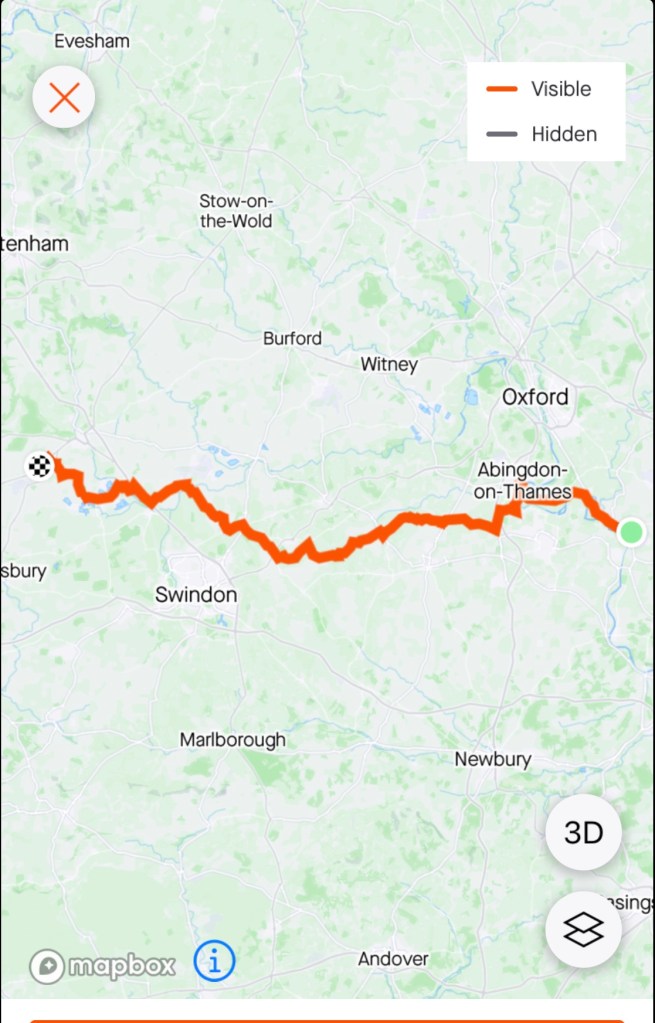
Day 1: Benson to Thames Head

Benson is on the north and east banks of the Thames River, with evidence of human presence found dating back to the Mesolthic period, some 10,000 BCE. Our friends John and Val are much much younger and far more vibrant! We have had a wonderful few days with them, and rue the fact that we live so far apart.

We bid them farewell, or rather, see you in four weeks.

We left Benson heading up Henley Road. It was super busy and we stayed on the narrow footpath. Our raincoats went on here, 800 metres after we began. Fortunately the rain was short lived….for the time being anyhow. The forecast was ominous.

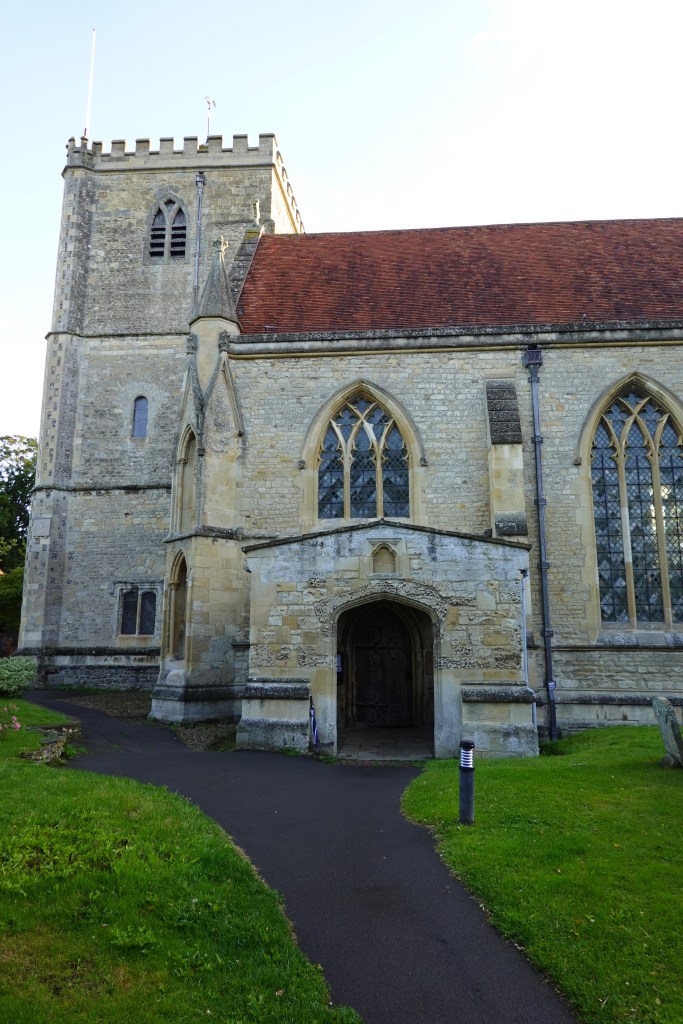
Dorchester on Thames was the first major village en route. The abbey was previously a Norman abbey built on the site of a Saxon cathedral. The current church was founded in 1140.

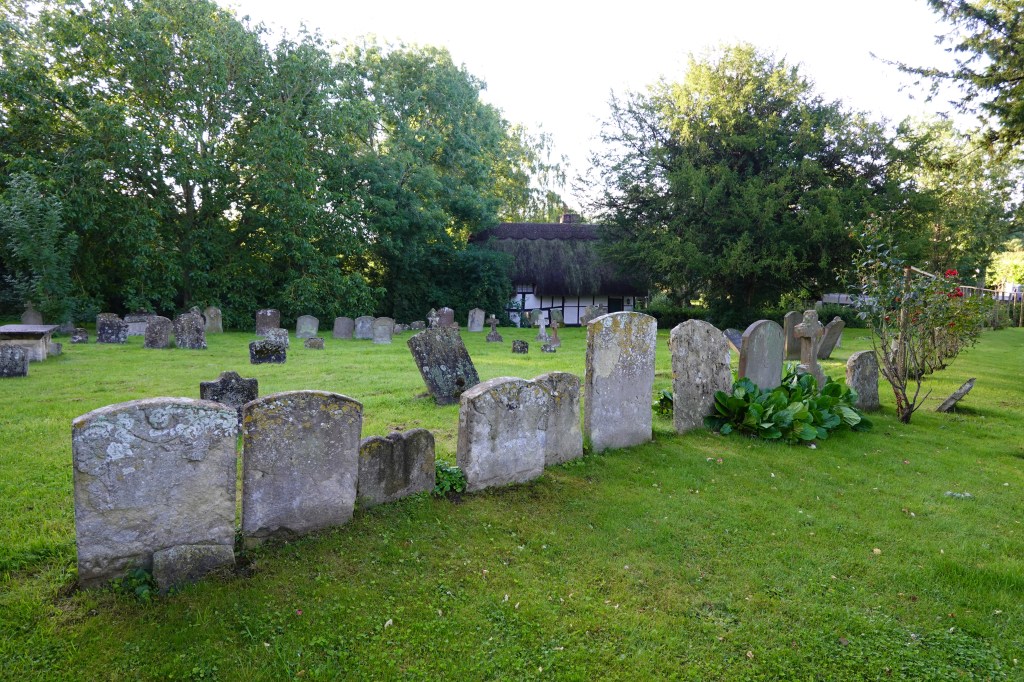
Hard to know how old the headstones are as most are quite eroded.

Lovely thatched cottage adjacent to the cemetery

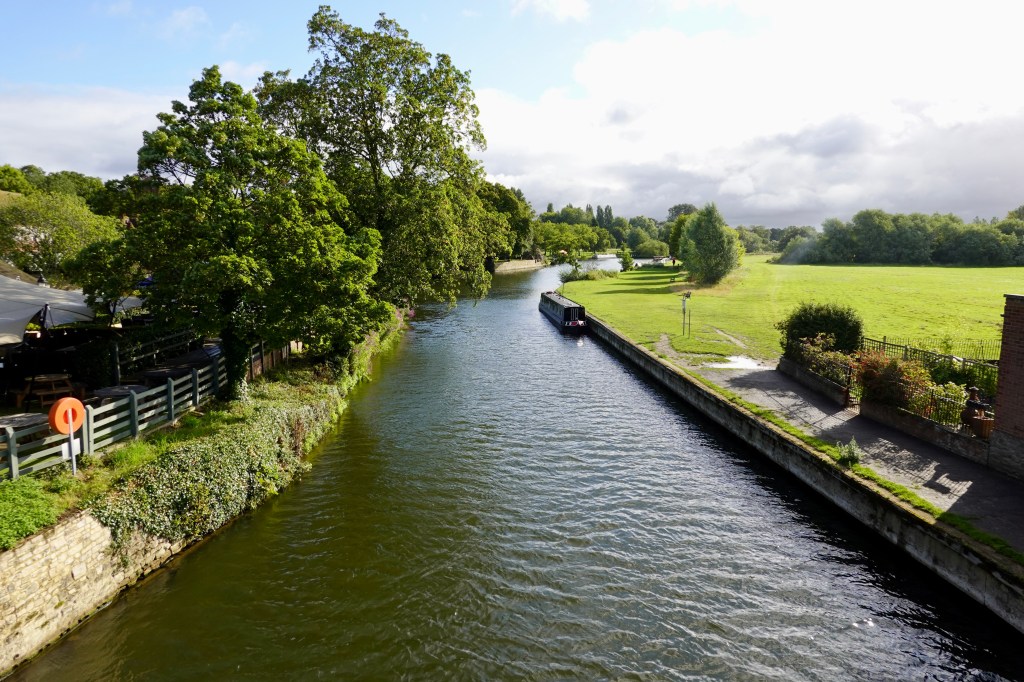
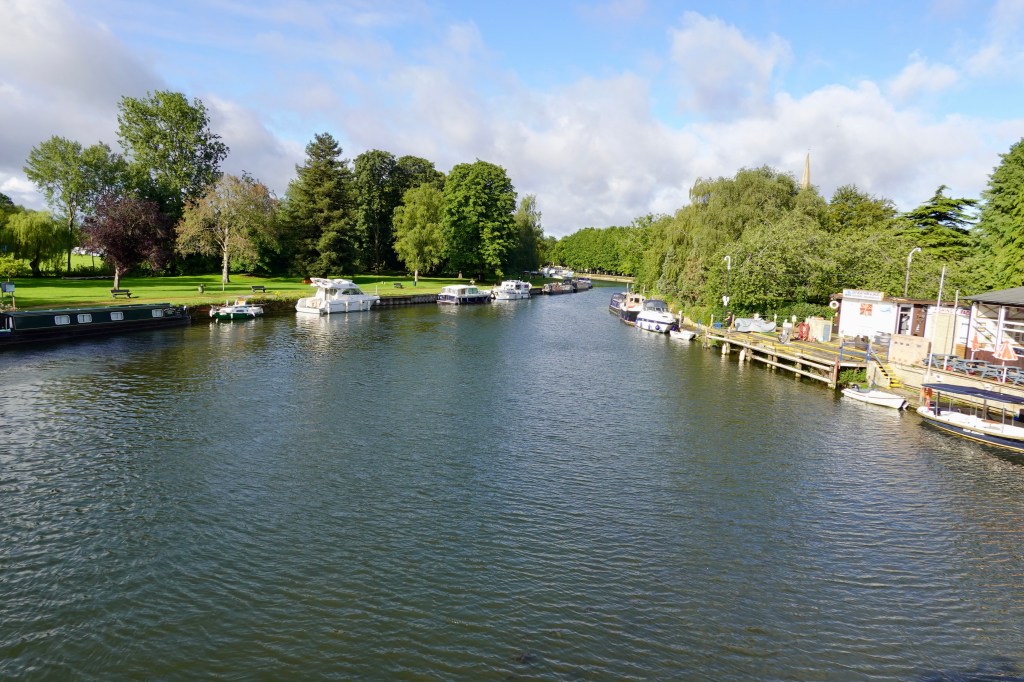
Next town as we peddled onwards was Abingdon on Thames, a historic market town on the Thames River.

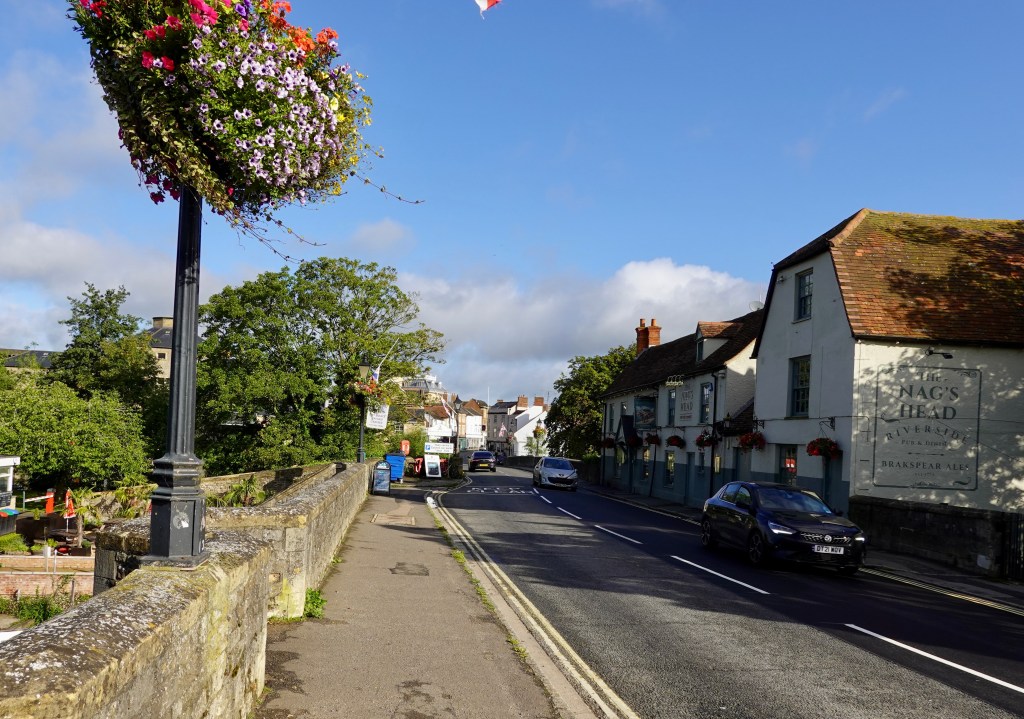
Love the pub name, Nags Head
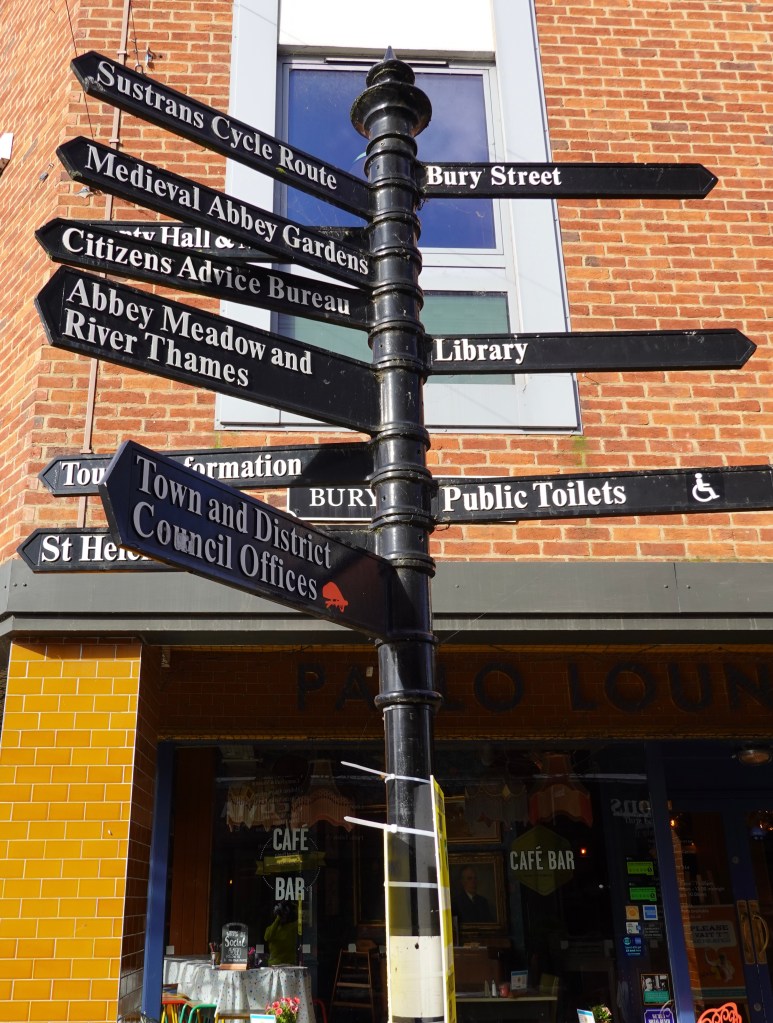
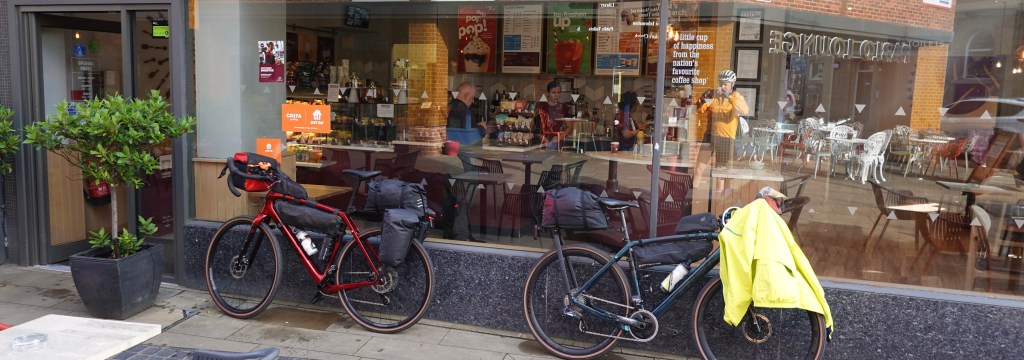
Coffee stop

After stopping for coffee and a toilet stop, we headed back on route, following the Thames out of town.

Nice cycle path called The Hanson Way

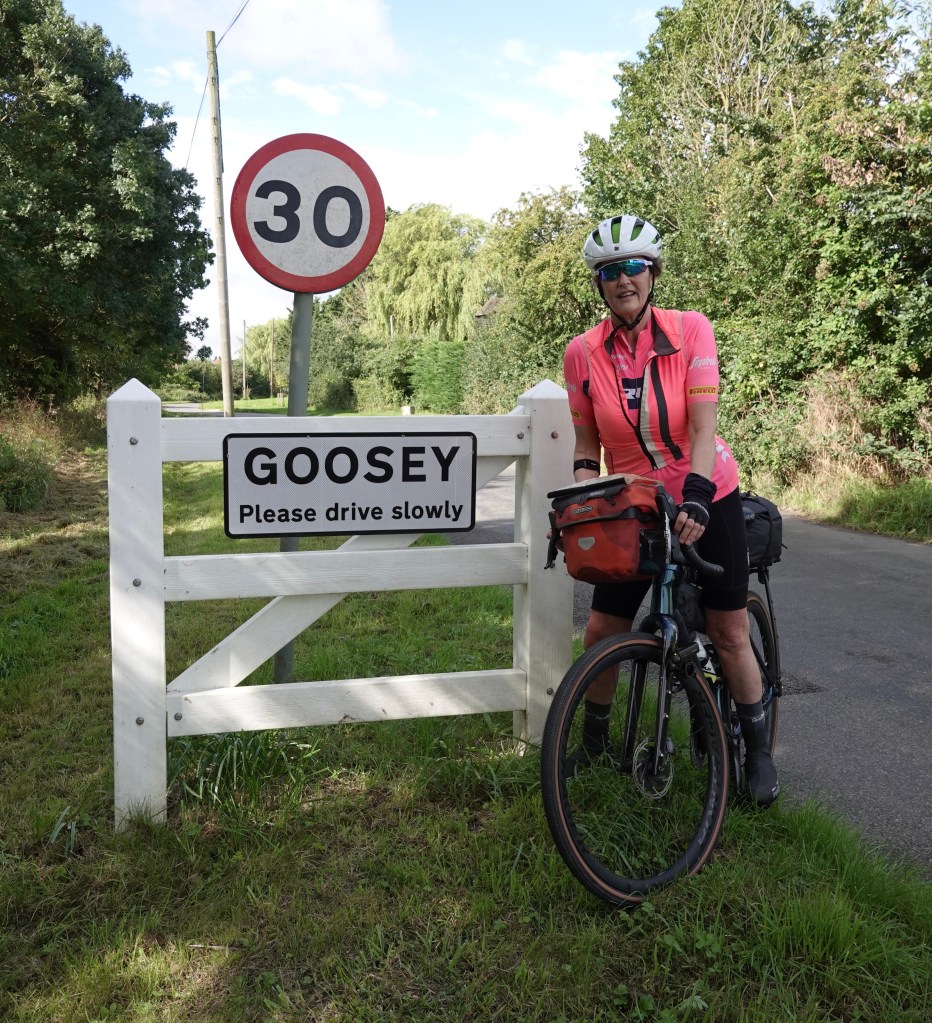
I had to stop at Goosey, great name. It has a history dating back to the 11th century starting off as Gosi.

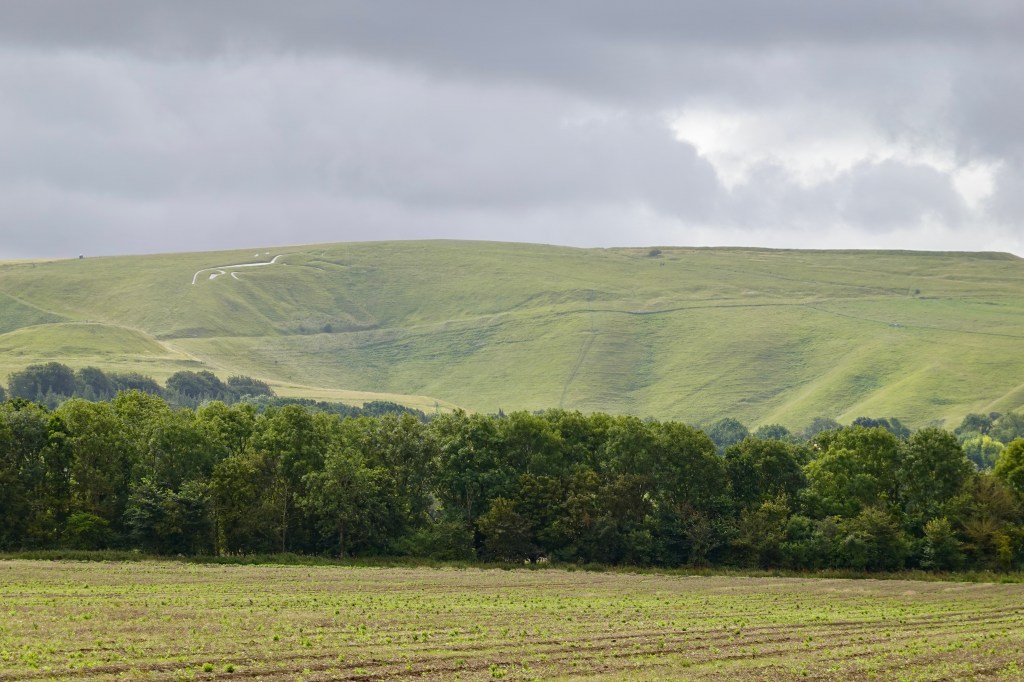
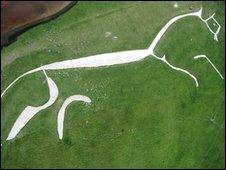
We routed todays ride in the hope of seeing a horse! Vale of the White Horse named after the huge chalk horse, 100m from nose to tail, carved into the hillside above Uffington. It has been dated to around 1000 BC.

Hard to get the photo from this particular angle. Here is an aerial view I have borrowed.

For the first 50 km or so today it was quite windy, with a SW blowing. We were heading NW with more W than N, so we copped it.

Rain was coming and we were feeling a bit peckish, having been keen to push along to try and beat the rain.

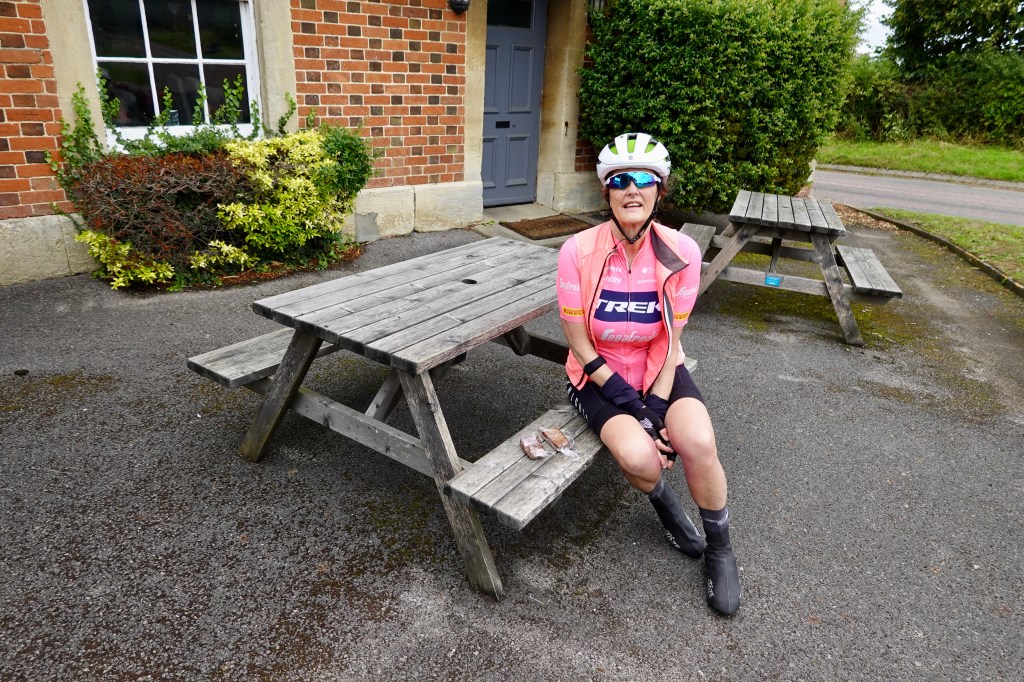
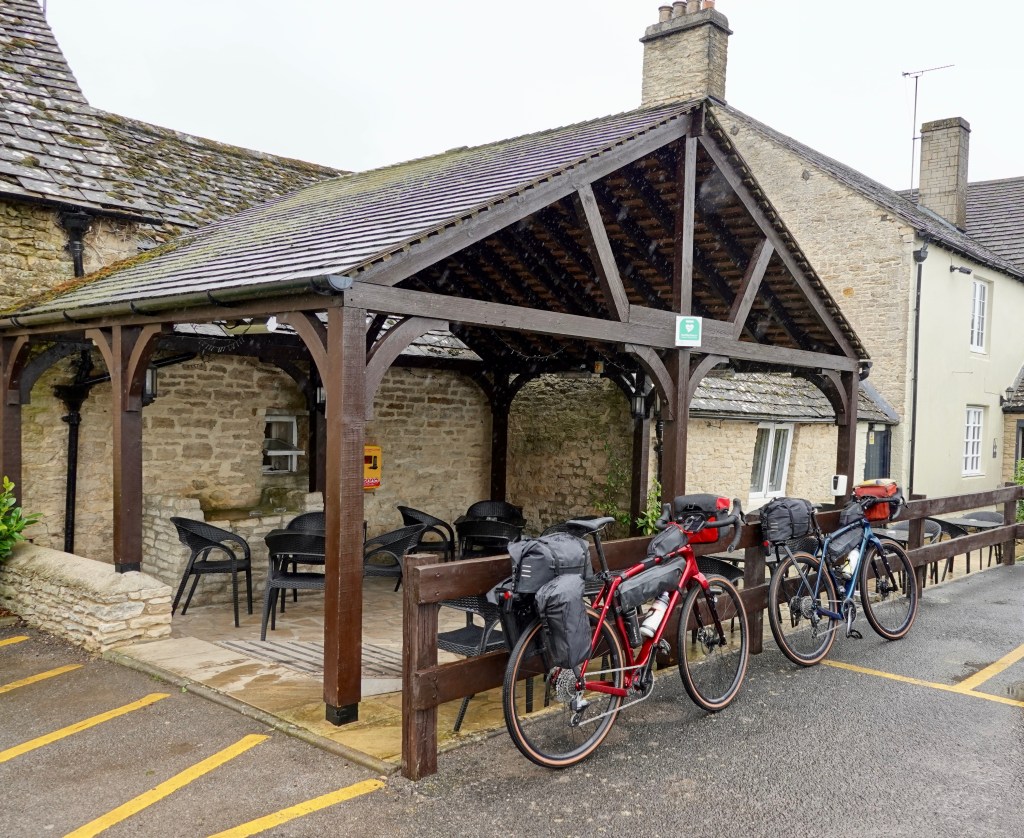
We took the opportunity to sit at this closed pub and eat the goodies Val had given us. Just after this photo was taken, we donned our rain jackets as it started to rain and did not let up for the rest of the ride.

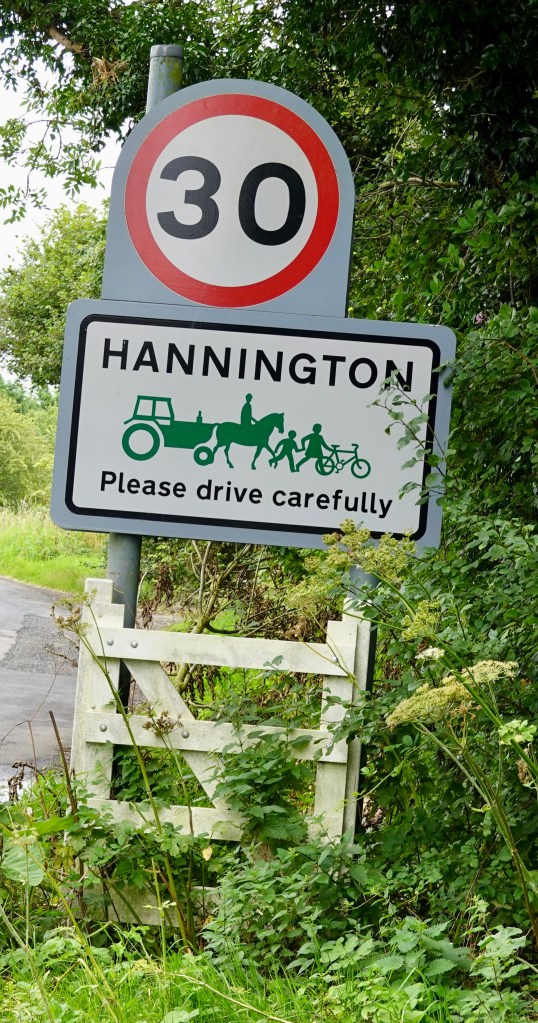
A number of the villages had these all encompassing signs.

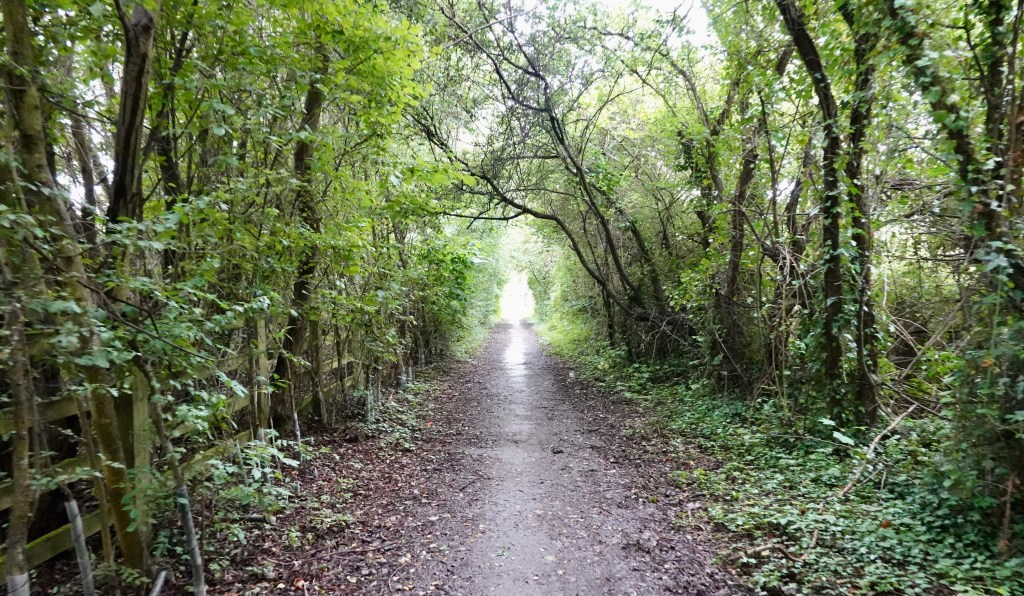
Riding around lots of waterways that were part of the Cotswolds Water park, we did not stop. The camera tends not to be produced in the rain. However, under this tree canopy we did get one of this lovely track we followed,

We arrived at our overnight stay at Thames Head hotel. It was 1 pm, earlier than check in, but as our room was ready, they allowed us to check in.

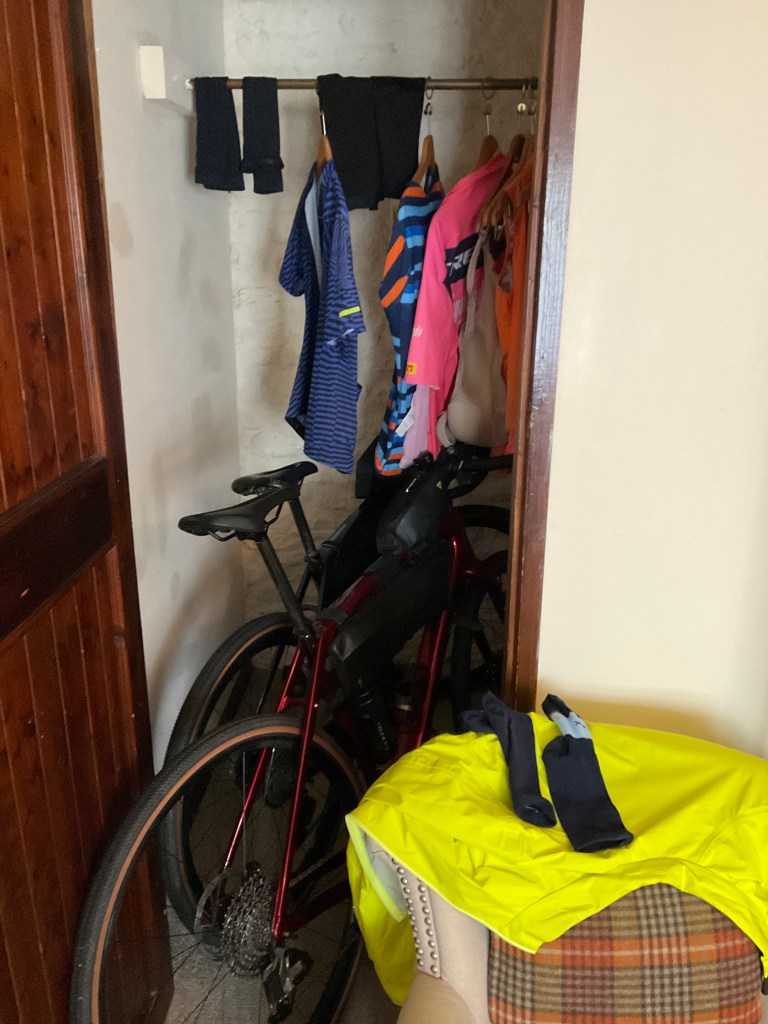
Our bikes have been cleaned and dried and stored, in our bedroom cupboard 🤣

We grabbed some lunch in the pub, baked potatoes. Tony is waiting patiently.

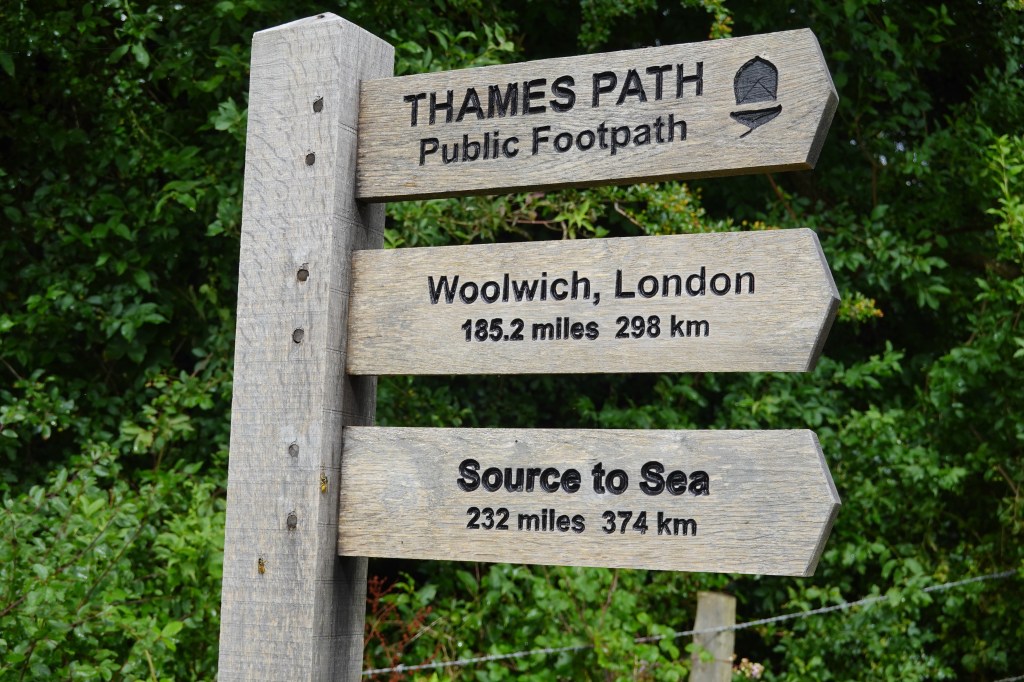
Thames Head is a group of seasonal springs and generally recognised as the source of the Thames River. I visited here in 2007 and it was dry.

After it stopped raining we walked to the Source. Maybe a 3 km round trip walk.

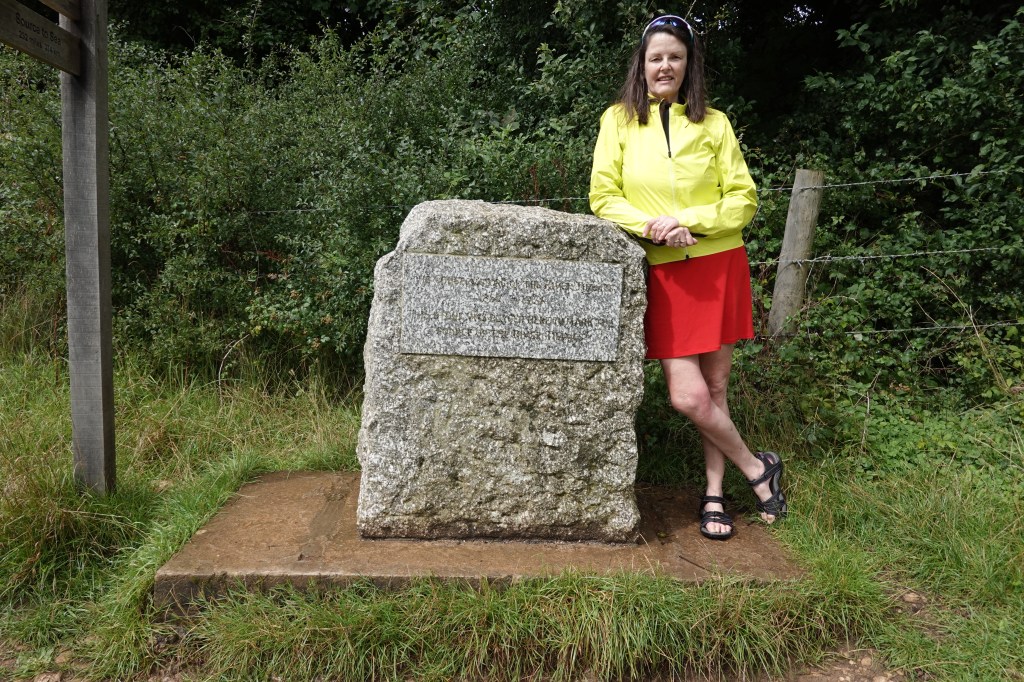
The hard to read headstone states this is the source.

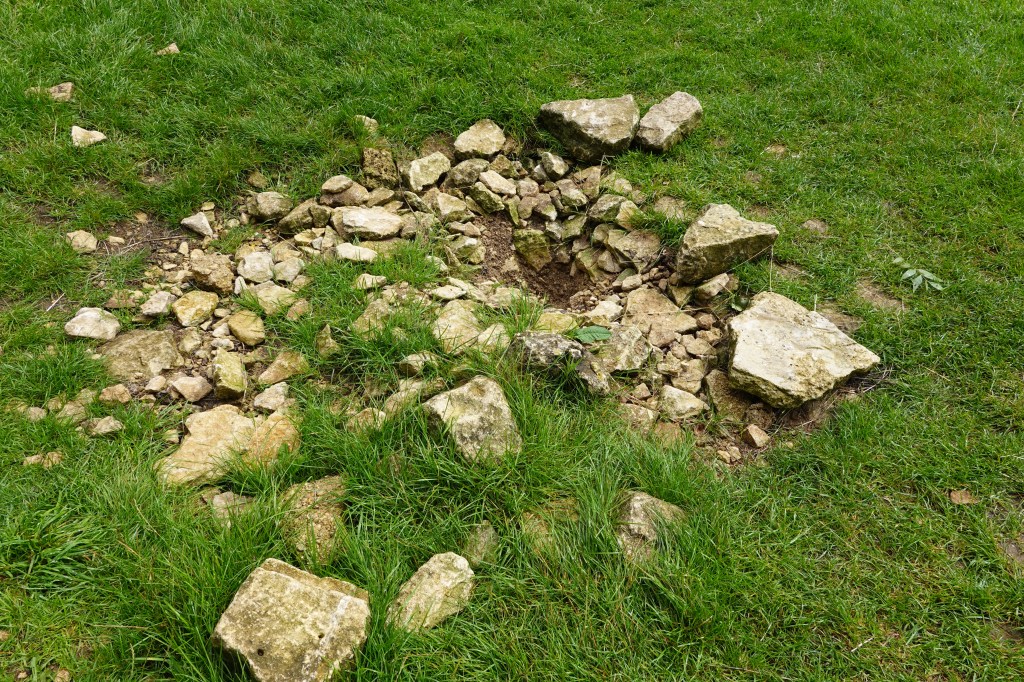
Here it is, the source! Impressive? Still dry.

We walked back along the road we had ridden a few hours earlier, and I think cycling this section is safer than walking it. There is no verge.

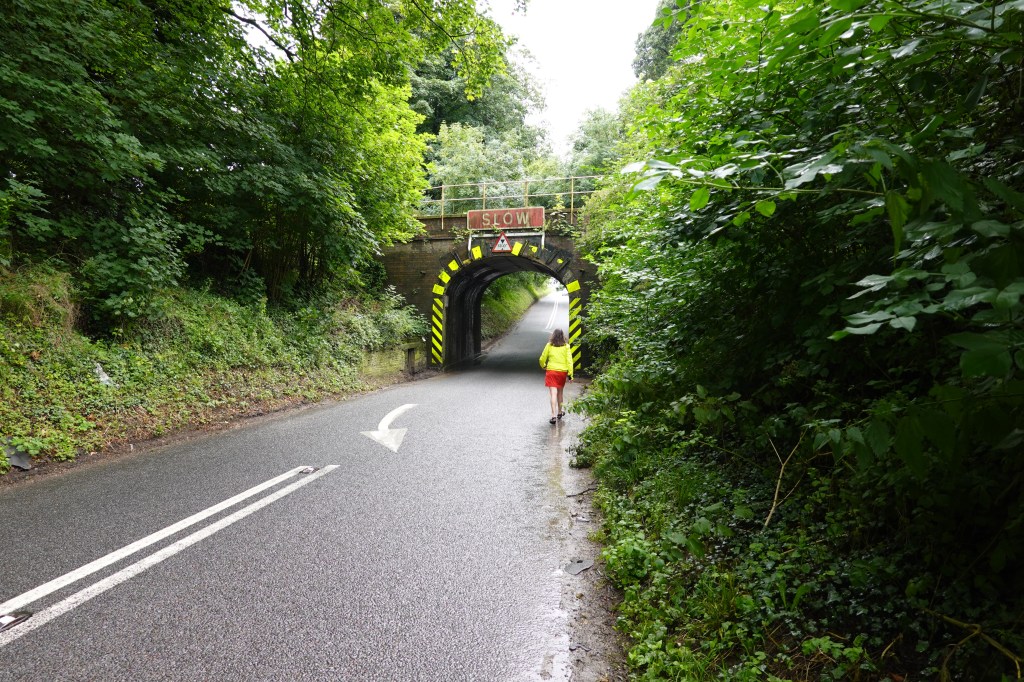
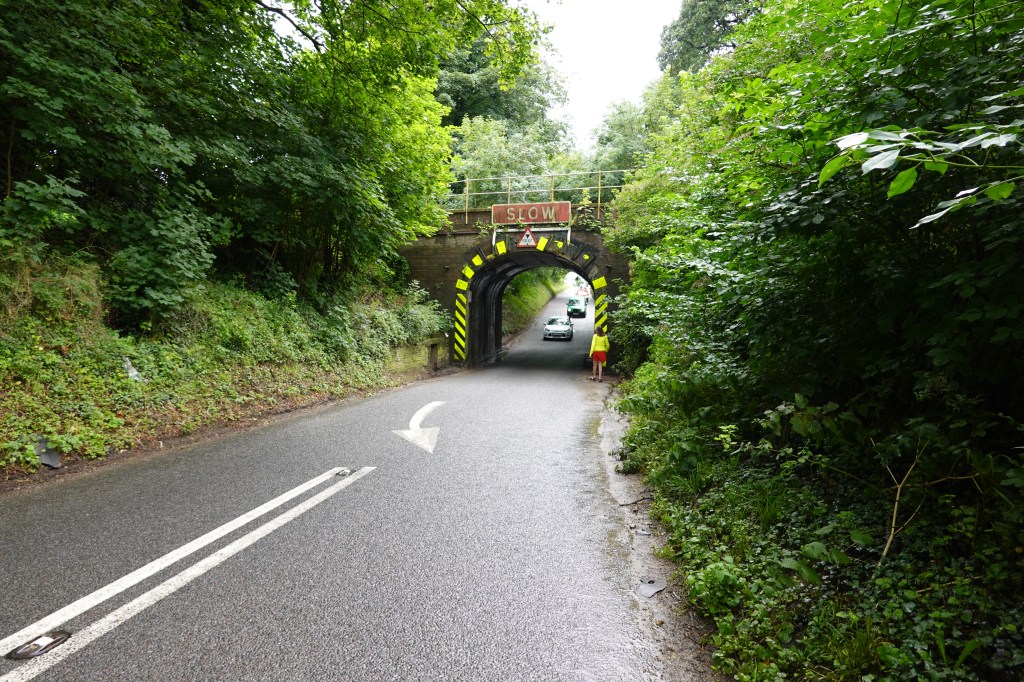
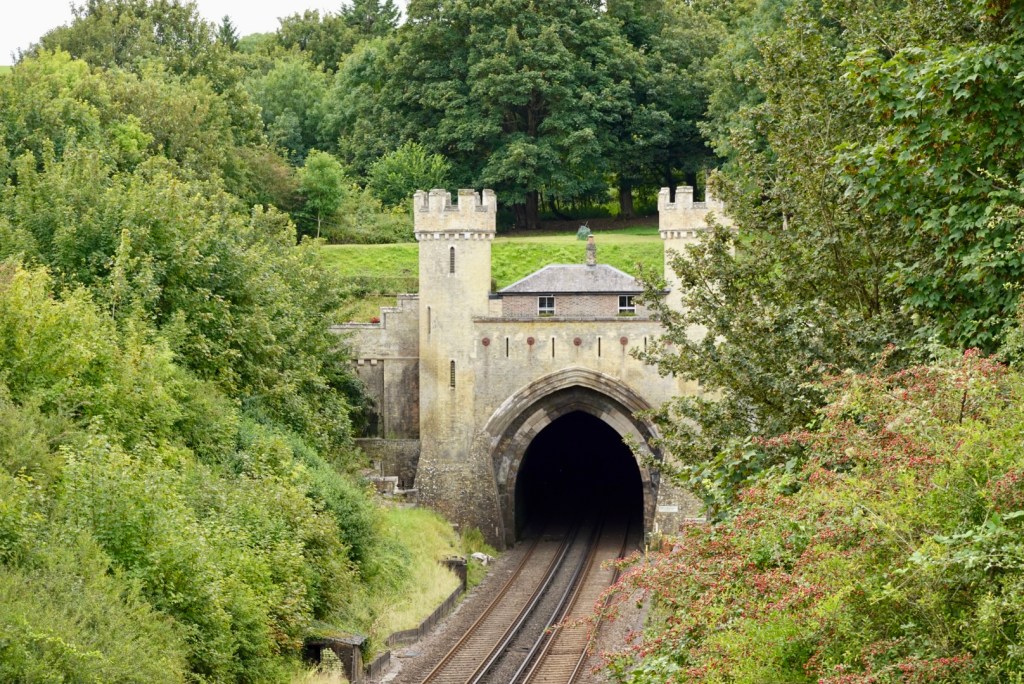
I waited until all oncoming traffic had gone through the rail tunnel then walked briskly through.

Tonight we got to meet another cycling friend for the first time, in person!

Ali and I have an unusual friendship connection, having been seriously stalked by the same wacky Canadian many years ago. We bonded through our shared experiences.

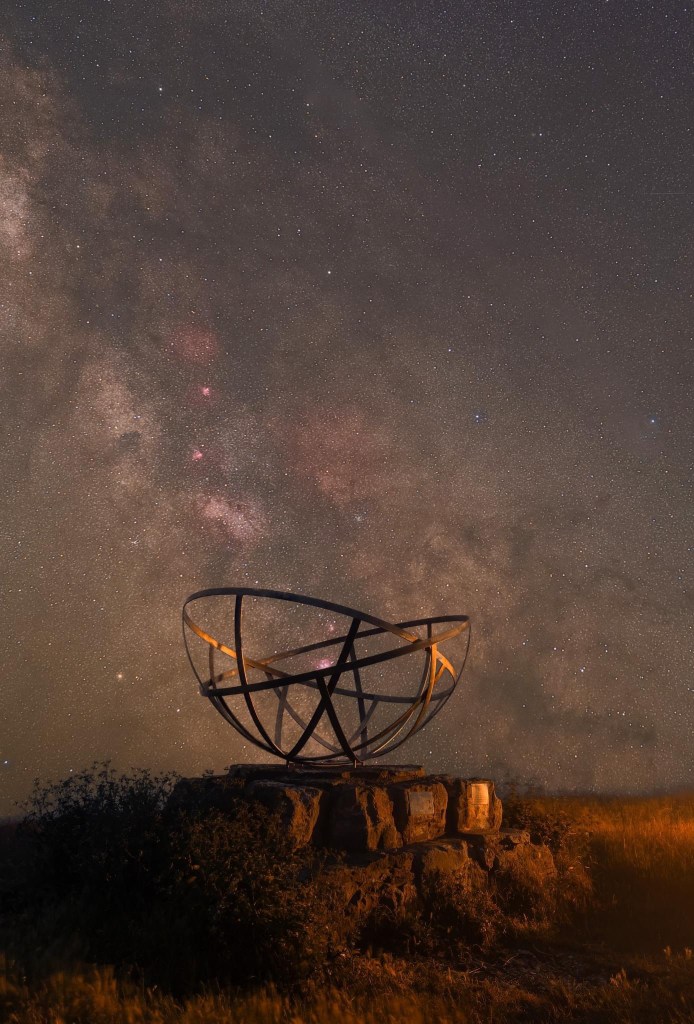
Ali no longer Zwifts, having taken up photography with a passion. Her work is seriously good and has featured in many publications.

Here is a recent example from her photography page: AlisonJane Visual Perception.

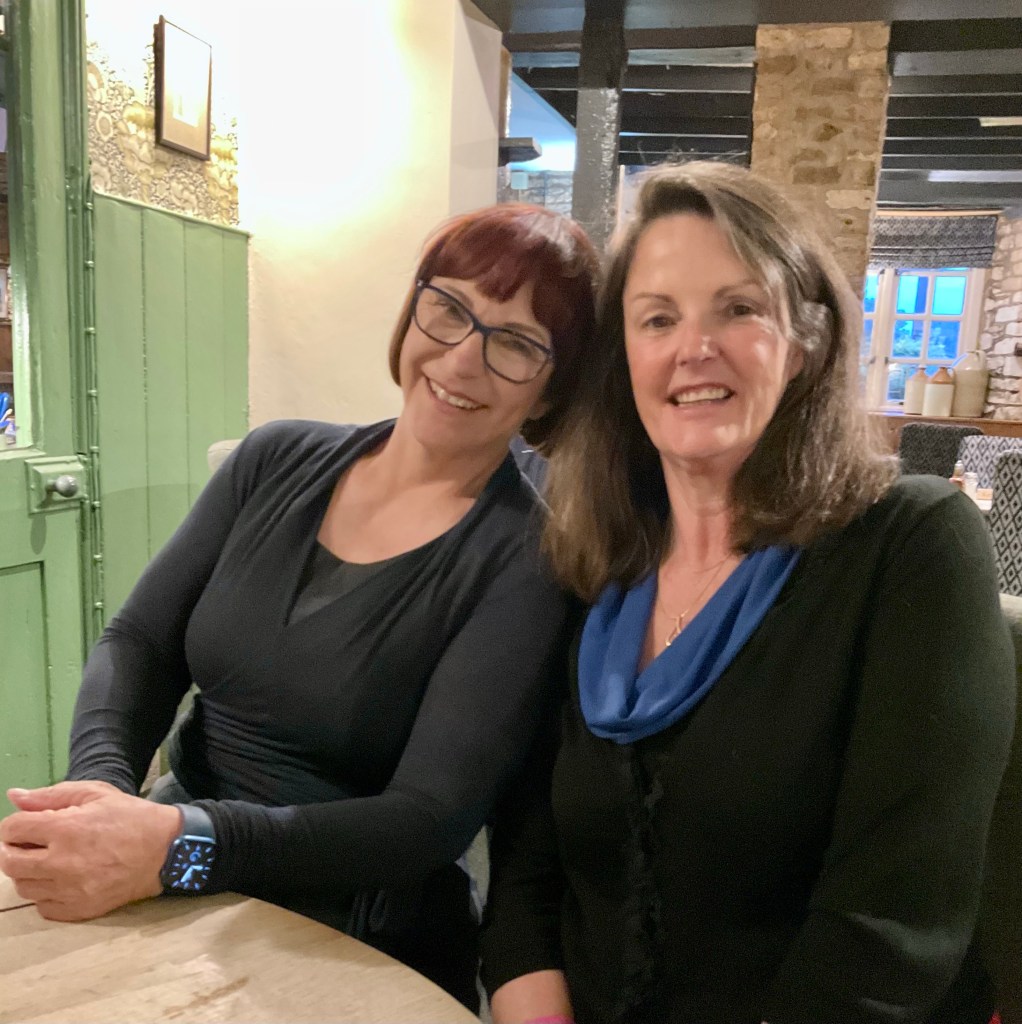
Ali and Sharron

Day one done and dusted, 93 km, 444 m ascent. A good route overall, with some challenging winds, but that’s what you sign up for when doing cycle touring. 😊❣️
Thanks for reading. I need some sleep now.

Benson

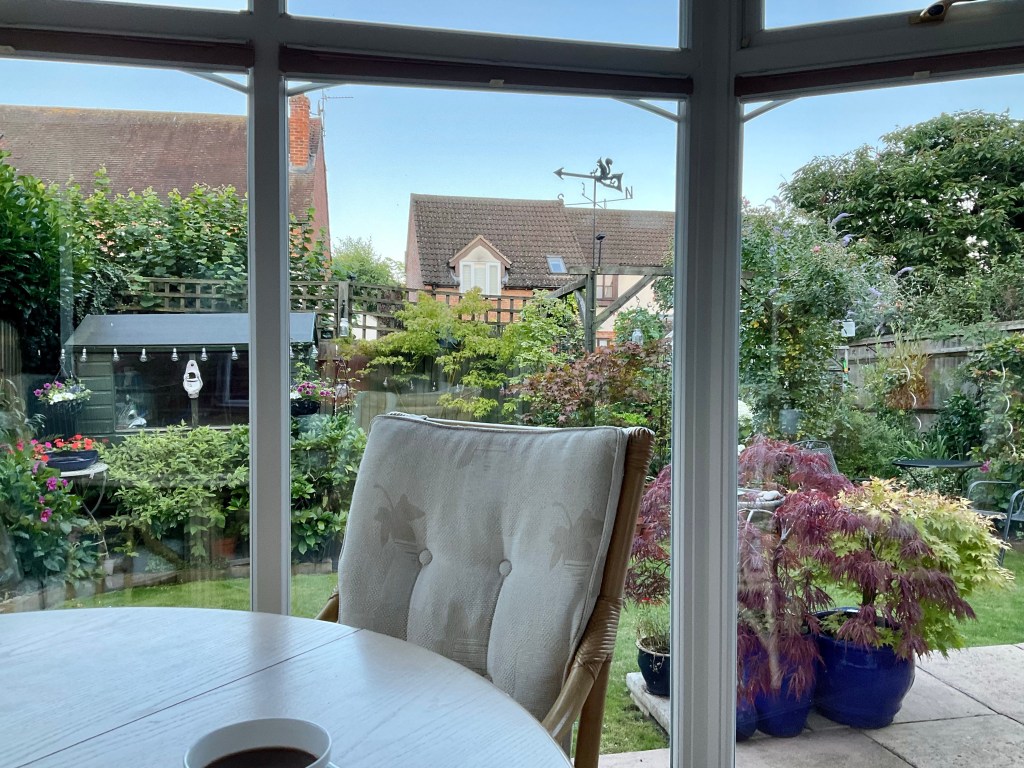
Waking up in England, the first view from the conservatory whilst the rest of the household sleeps.

After a fairly non eventful 22 hours flying, plus 10 hours transit interspersed, we arrived in London, to rain.

Whilst parts of Europe have been sweltering, this has not been the case for the UK or Ireland.

An Irish cycling friend Jono posted this meme yesterday stating it was the wettest July he remembers. Let’s hope August is better, although there is a reason I purchased a new rain jacket 🤣😊

I had booked return transfers for a mini van to transport us to Benson. In theory, the driver waits for you with a clearly named sign in the arrivals hall.

Tired and titchy we could not find him. We rang the company and he eventually turned up.

So we are now comfortable in the home of John and Val whom we met in 2013. John was a leader for the cycle company we did five trips with pre doing our self supporting cycle touring.

John used to work for Queen Elizabeth II as her chief flight engineer. He has flown with all members of the family globally until the flight program ceased. He has many wonderful stories from those days.

Recently at an honours service at Windsor, John remet the now King with whom he has flown with many time. The King, noted that the current charter services are always running late and wished that the Royal flights still existed.

Val is a beautiful lady with whom I met an immediate connection when we first met. Very funny, kind and caring and a great cook who loves her garden and crafts, it was great to cuddle her. She had tracked our flight from Dubai.

John walks a neighbours dog, so we walked a few km around Benson.

We met a cycling friend Deb today who popped around for afternoon tea.

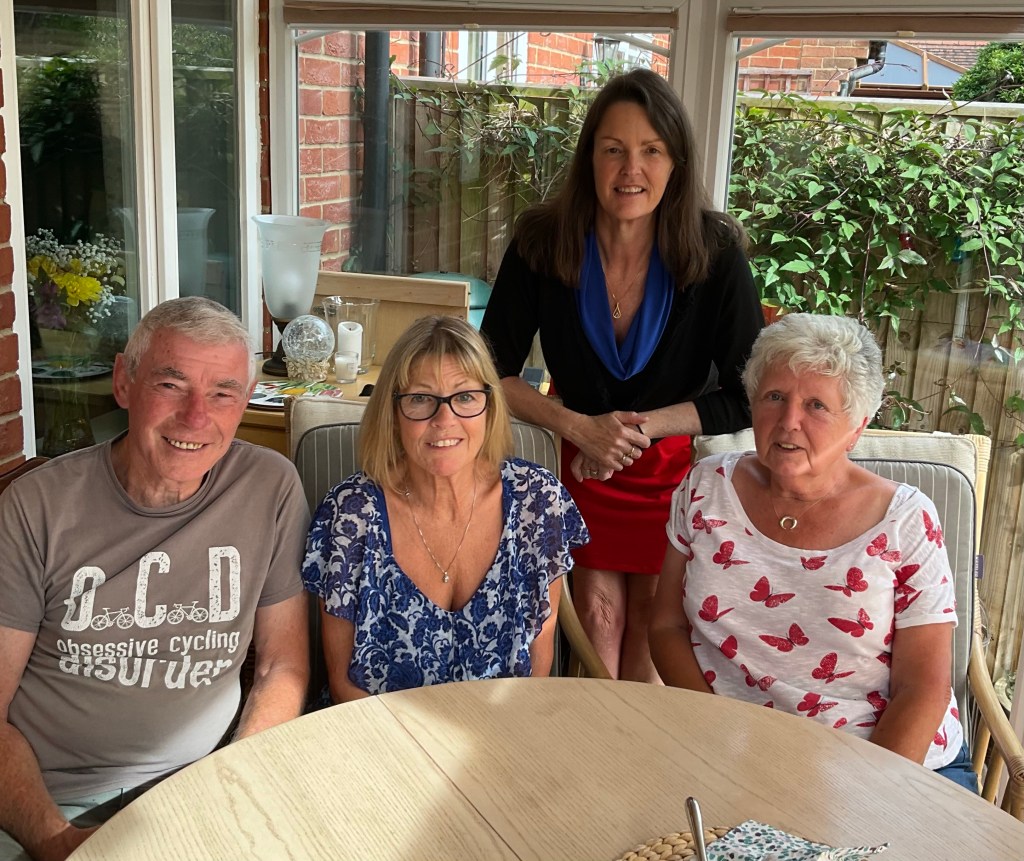
John, Deb, Sharron and Val

Tomorrow our cycle trip starts. The bikes have been reassembled and our bags are packed. The weather forecast is not great.

What will be, will be 😊❣️💪🚴

Day 17: Limerick to Cork

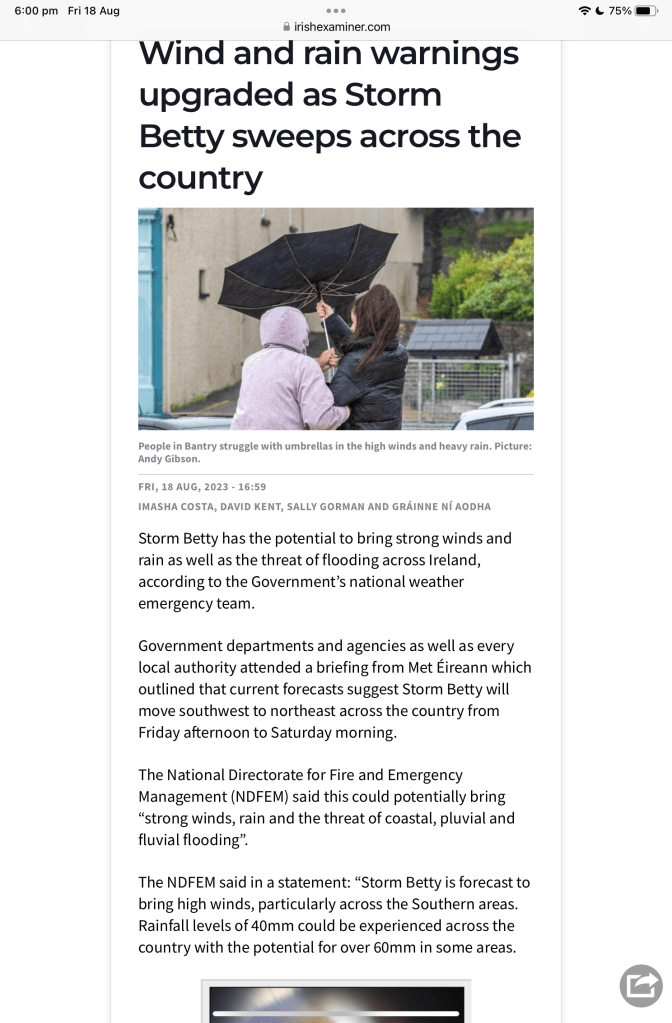
Storm Betty was not looking pretty for us. We had hoped overnight it might blow away into other directions, but it was not to be.

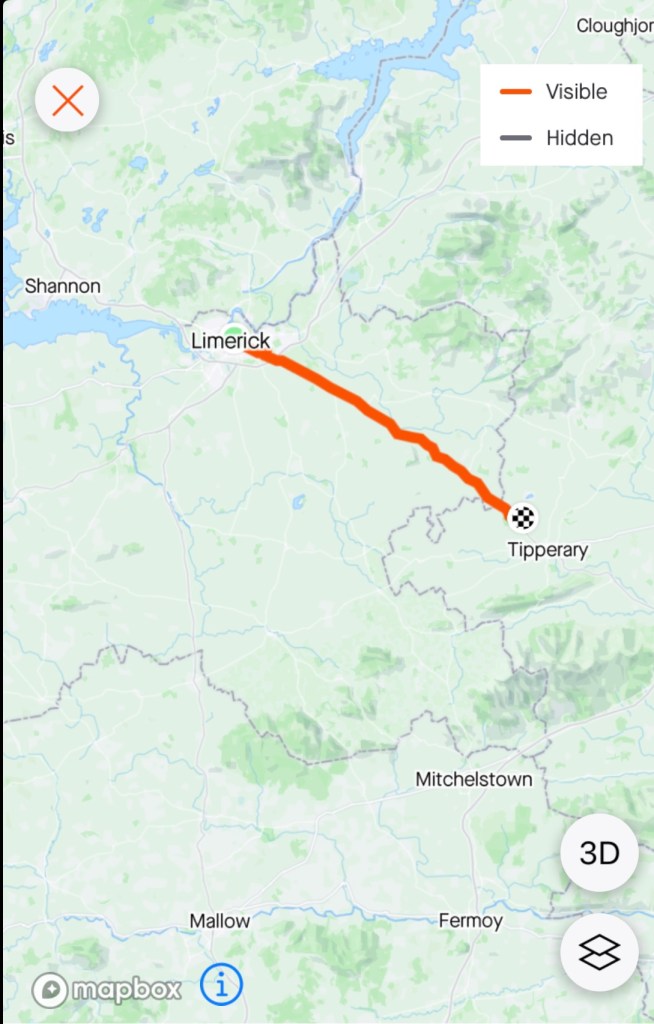
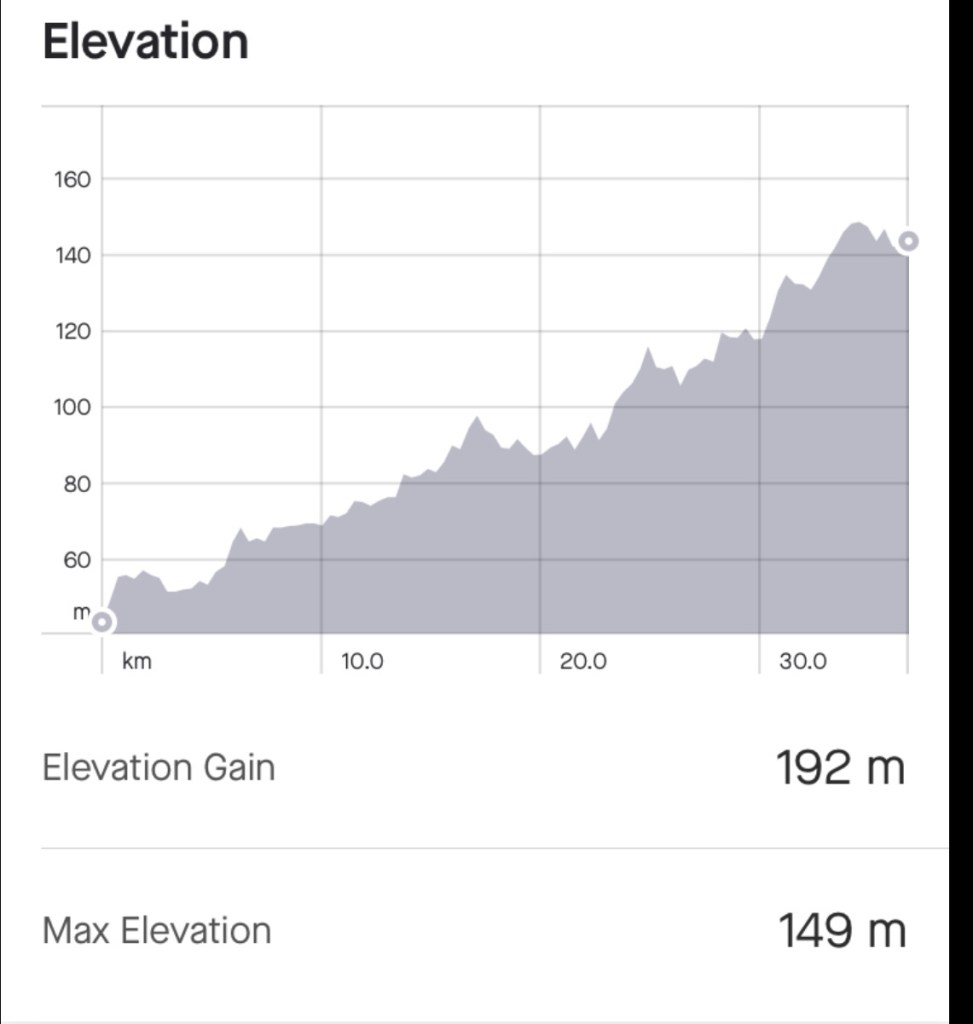
Our goal was to ride to Limerick Junction, then reassess. Limerick Junction is in County Tipperary, not county Limerick, go figure. Reminds me of Burnie Airport being in Wynyard Waratah Council area.

The camera did not come out much. We were on a very busy road, did have a reasonable verge for most, with a super shite headwind to contend with. It is hard work as the wind can buffer you suddenly.

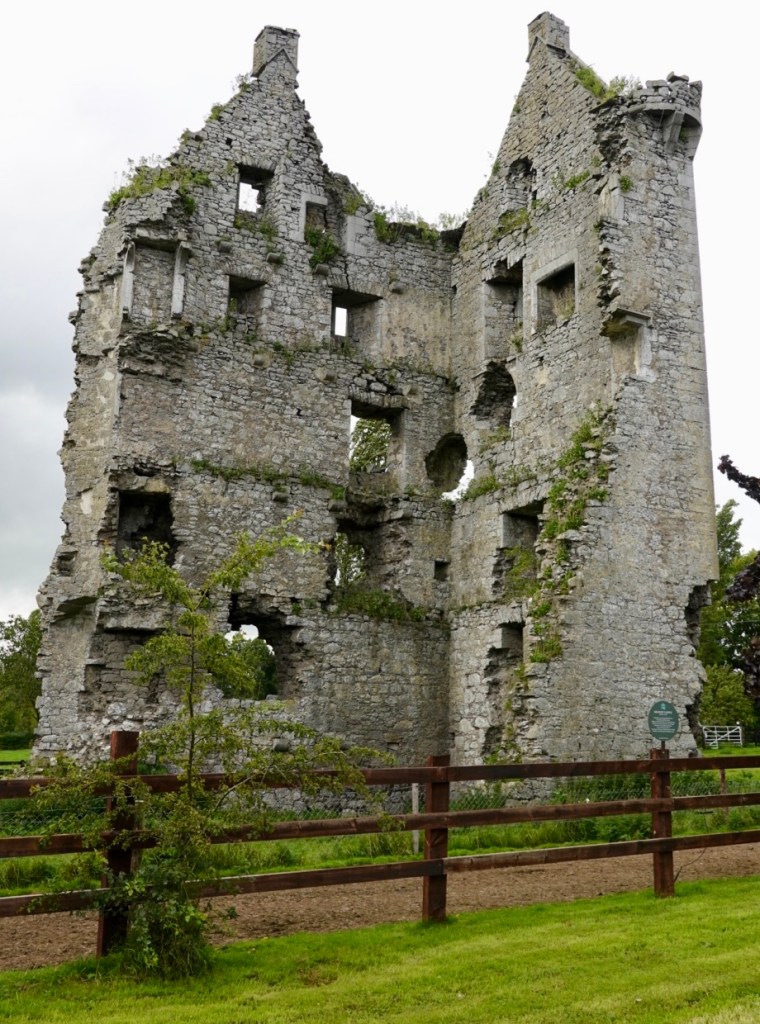
However, we did stop to look at this structure, still standing…just!

It is Kilduff House, constructed in 1550 on the outskirts of New Pallasgreen.

Lots of wars and fighting in the area including ownership fighting led to it’s demise as no one looked after it. I imagine it’s life left is limited as it is now fenced off, seemingly waiting for the walls to come tumbling down.

We did like this sign in an adjacent paddock.

We had crossed into County Tipperary.

“It’s a long way to Tipperary” was a popular British military marching song and we really only deviated to this area today so I could say that – it is a long way to Tipperary, and still we were 4 km short of the town.

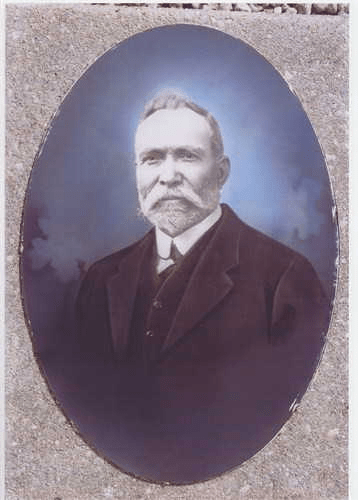
Tony’s great great grandfather William Atkinson was born in county Tipperary in 1844. In 1850 the family were about to emigrate to Australia when grandfather James Atkinson was murdered. Emigration was postponed until 1854.

William married Eliza, who is Tony’s great great grandmother. William had an affair with his house maid Fanny and she became pregnant and William had two children born at around the same time (Eliza’s 5th and Fanny’s 1st). Sadly Eliza died shortly after her 5th child was born with a puerperal infection.

William later remarried Amelia and together they had 11 children.

William Atkinson

We made it to Limerick Junction which is a village and hosts the region railway station.

We knew that the bikes could be an issue on the train as generally there is room for only two. The train travels from Dublin to Cork so likely fairly full.

The lady in the station office rang the train Inspector David, and I could hear her say they needed to get the train due to the weather, and he said he would see what he could do.

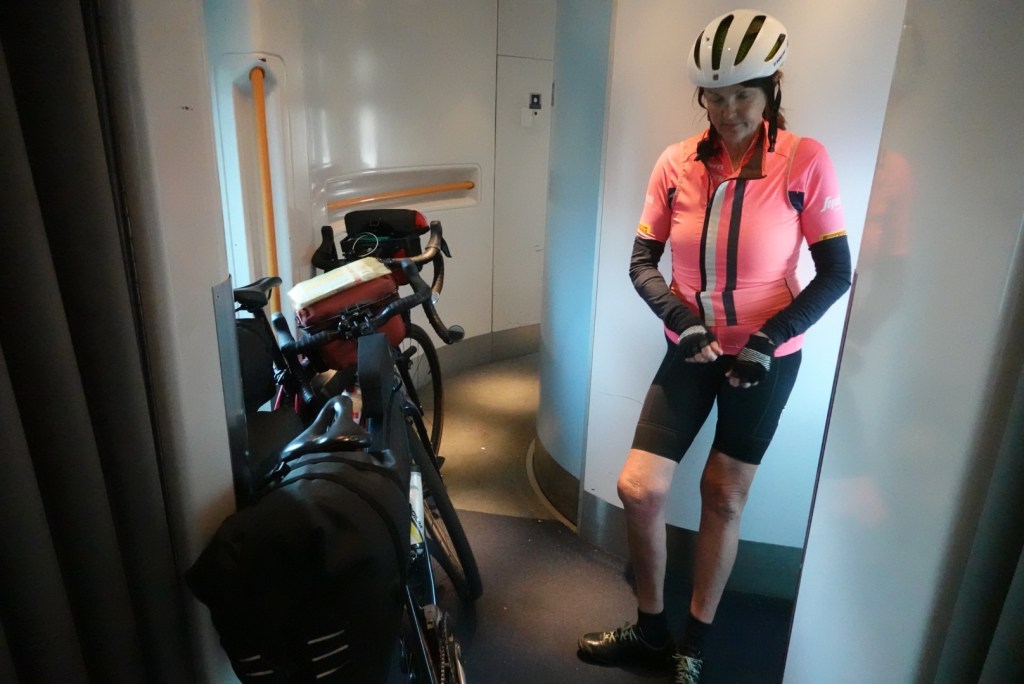
So the train arrived, it was super crazy with people having emerged from the Limerick train all rushing aboard. The bike carriage was full, but at the last moment David turned up and ushered us in to here, a spot between two carriages.

Here we stood, with only one stop being Mallow.

Mallow was where we had accomodation for the night, paid for, non refundable. It was just out of town and not available until 5 pm. We would have got soaked hanging around waiting then getting there. Plus we do like to eat dinner each night.

We made the call to travel instead to Cork, a big city, and only 20 km from the ferry terminal we needed to be at the following day. That way if the weather continued to be detrimental to riding, we had options ( ie maxi taxi).

The weather warnings were clear. 130 kmh winds is indoor material. Anything above 30 kmh is tough enough, and we had 30-50 kmh in the morning ride.

The train ride was surprisingly smooth given we stood the whole way. We needed to juggle the bikes only for the lady with a food cart who came through to the last carriage then returned.

We arrived in Cork to rain. We had nowhere to stay, and I had spent much of the time on the train searching. Most accomodation was fully booked. Plus we have the issue of the bikes. I do not like to book non refundable accomodation without knowing they can store bikes ok.

Getting off the train we headed into the city area, and the rain started to pour down. We stopped at the first hotel but no go. The second hotel, yes! But they wanted 30 euro more than I could get on Hotel.com

Using my iPad I booked the same hotel for less, however it was still $390 aud! That was cheap for Cork this wet Friday, and it did not include breakfast. Normal hotel room.

However, they let us in 90 minutes early and stored our bikes in their locked conference room.

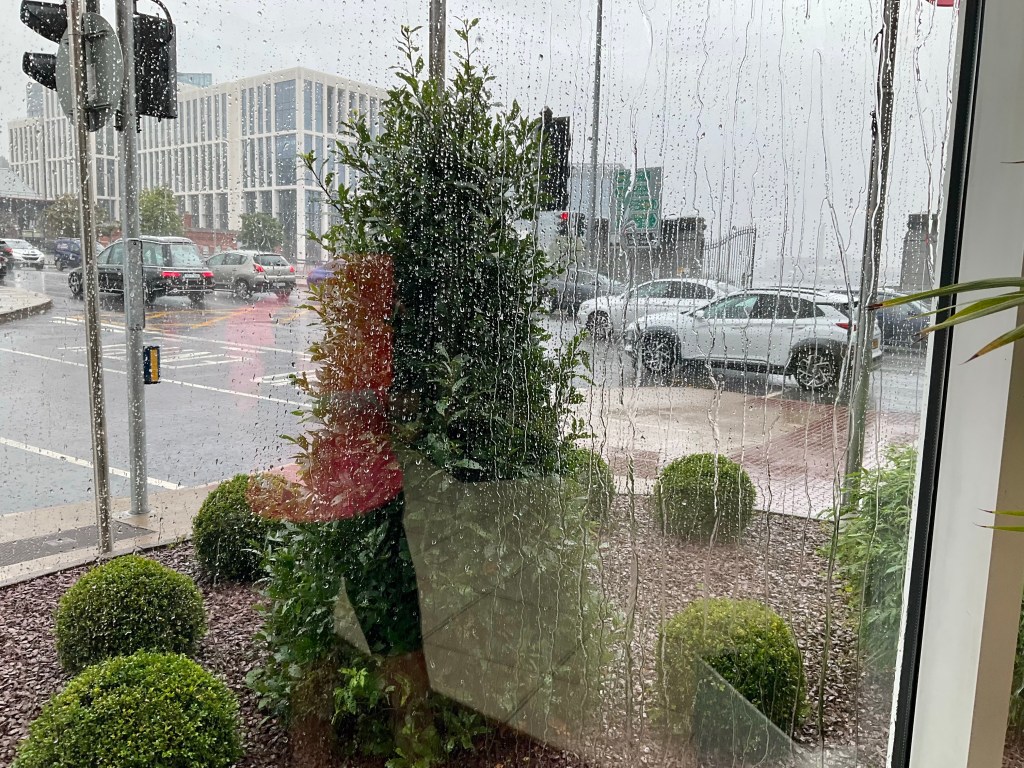
The view from reception as I booked and looked outside.

We hoped to go for a walk at some point but the weather did not let up. Updated weather warning at 6 pm.

We had dinner in the hotel, although not particularly relaxing as the couple nearby were having a ding dong argument. We felt like we were imposing and did not know where to look.

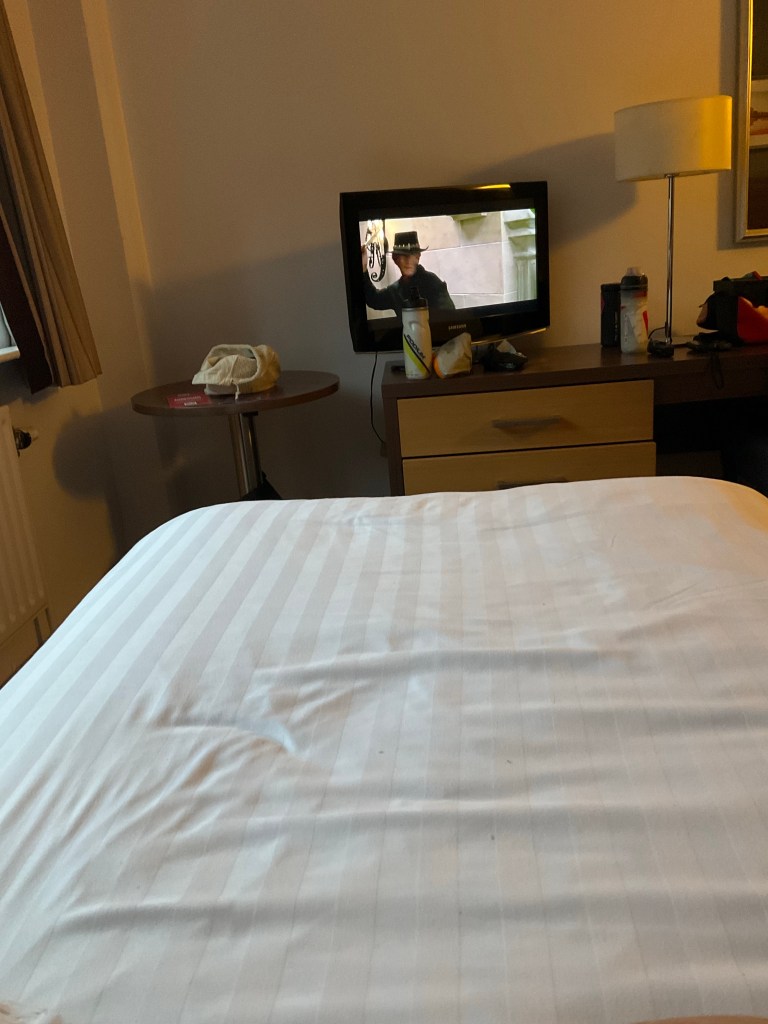
We watched some Irish tv. Guess what was on?

Crocodile Dundee 🤣🤣🤣

The rain eased as we hopped into bed…..

Thanks for reading 😊❣️

The ride, then train from near Tipperary to Mallow, then to Cork

Day 26: Lewes to Hampton Court

We were heading to London today, outer London near Hampton Court, but first had a far more important engagement with a man of Sussex fame!

It was maybe 45 minute cycle ride to Ditchling to meet Graeme of Sussex. Far more relevant Sussex than those ‘other two’. He also does not whinge and has a far greater sense of humour.

Few photos on route to Ditchling.

Top of a smaller hill
Nice forests
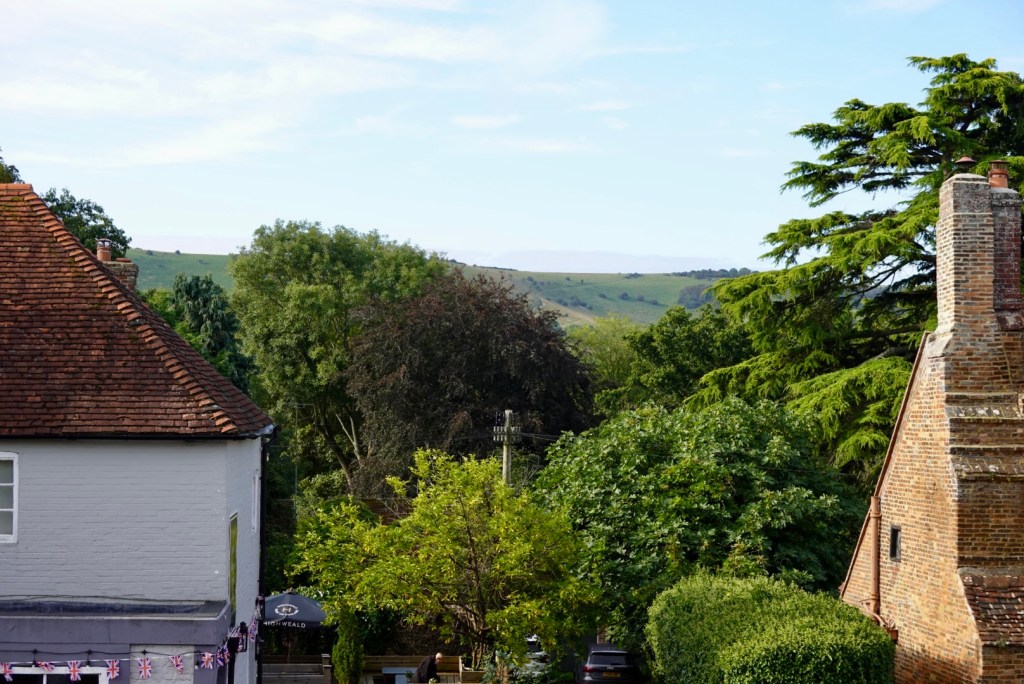
Wonderful view over the South Downs
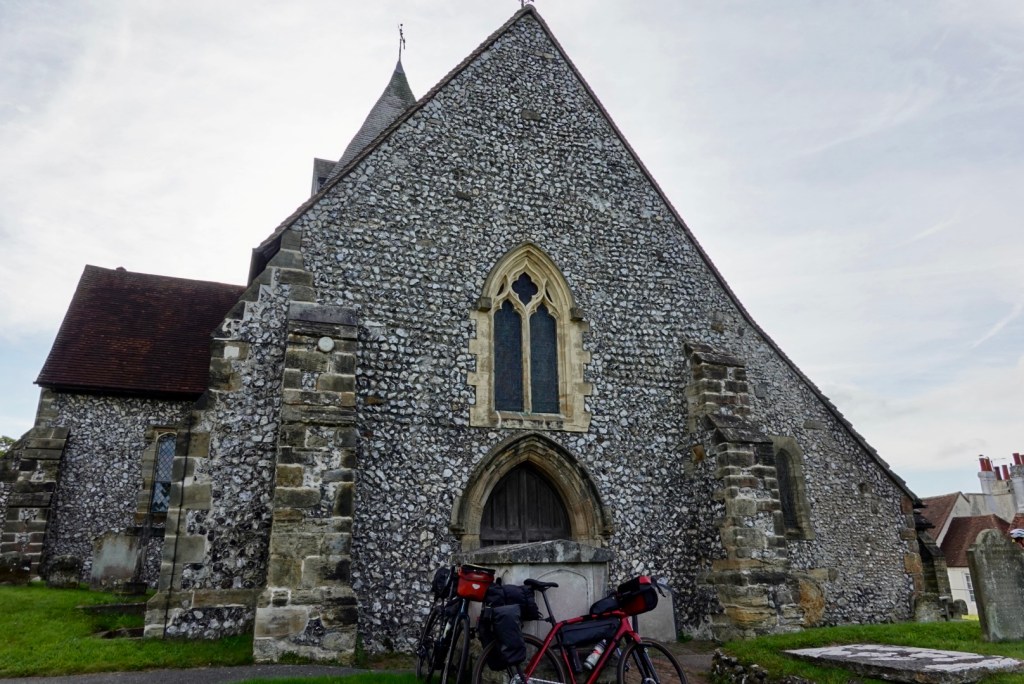
Nice church

Ditchling is famous for a few reasons. It is where Graeme of Sussex’s favourite tea room is. It is where Queen Camilla went to primary school as she grew up nearby. Dame Vera Lynn lived here for many years until her passing a few years ago at the age of 103.

Her public funeral procession started in Ditchling and included an airforce flyover. The town was decorated with poppies and her famous war time song “We’ll meet again” was played across the English Channel.

The church over the road, St Margaret’s was founded in the 11th century, with the current exterior 13th century.

View towards the local hills, and a tougher cycle climb used annually in a Brighton racing event.
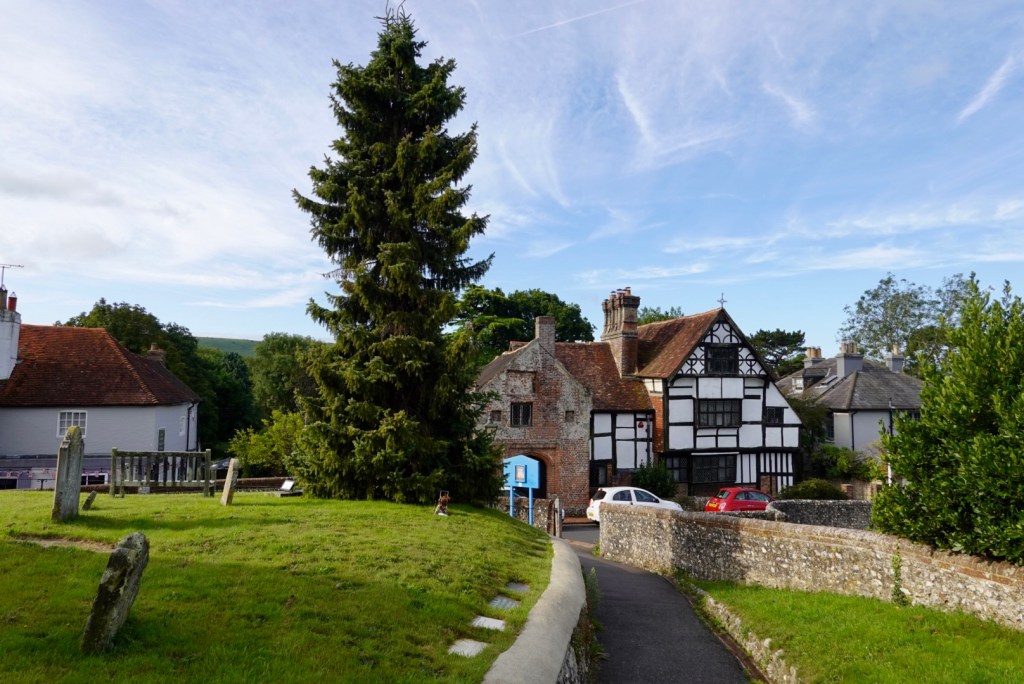
Local houses

It was lovely to catch up with Graeme. We first met him in 2015 when we rode from Calais to Narbonne and up to Carcassonne. I remember we him in the ferry crossing from Dover when we were introducing ourselves, and he stated his Graeme was spelt the posh way.

A favourite photo of Graeme and I on a warm day in France 2015, no panniers as this was a supported ride (ie our luggage in a van)

Graeme lives about an hour cycle ride from this cafe and we were treated to coffee and tea cake here during our catch up.

We had caught up with him in 2016 and had dinner together, so it was quite a few years, but we just picked up where we had left off.

At the cafe

Graeme lives in Henfield, on our route today so we cycled together for an hour to reach his house, going through his favourite areas and laneways. It was great to ride his favourite routes, as the local cyclists always have a better idea of where to go.

A tunnel along the way

At his lovely 17th century home we sat outside in the garden, chatted, shared soup and got to meet Sandra his partner. Long heard of, but never met, it was delightful to meet her.

Graeme has done many cycle tours with their daughter Matilda, and we enjoyed looking over the photographic memories. Wonderful memories for both.

Sandra, Graeme and Tony
Graeme, Sharron and Tony

Sadly we needed to bid the nicer Sussex chap farewell and continue on our merry way.

Some busier roads initially, but we did turn onto quieter lanes for much of the ride towards London. Many forests and commons, a few lakes and quirky churches.

Timber spire

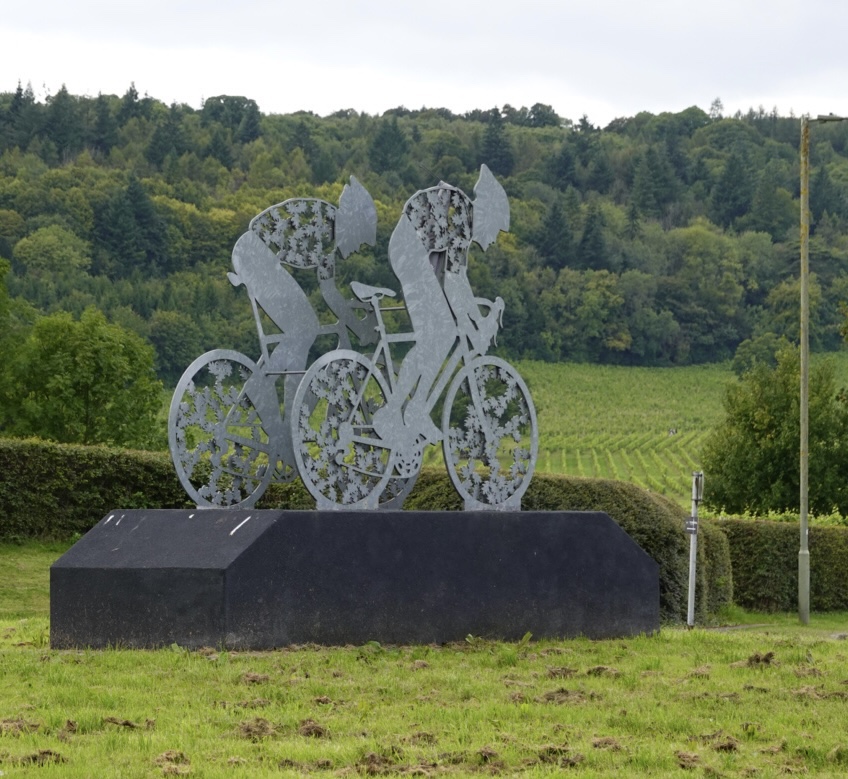
The roundabout of the day award goes to this one.

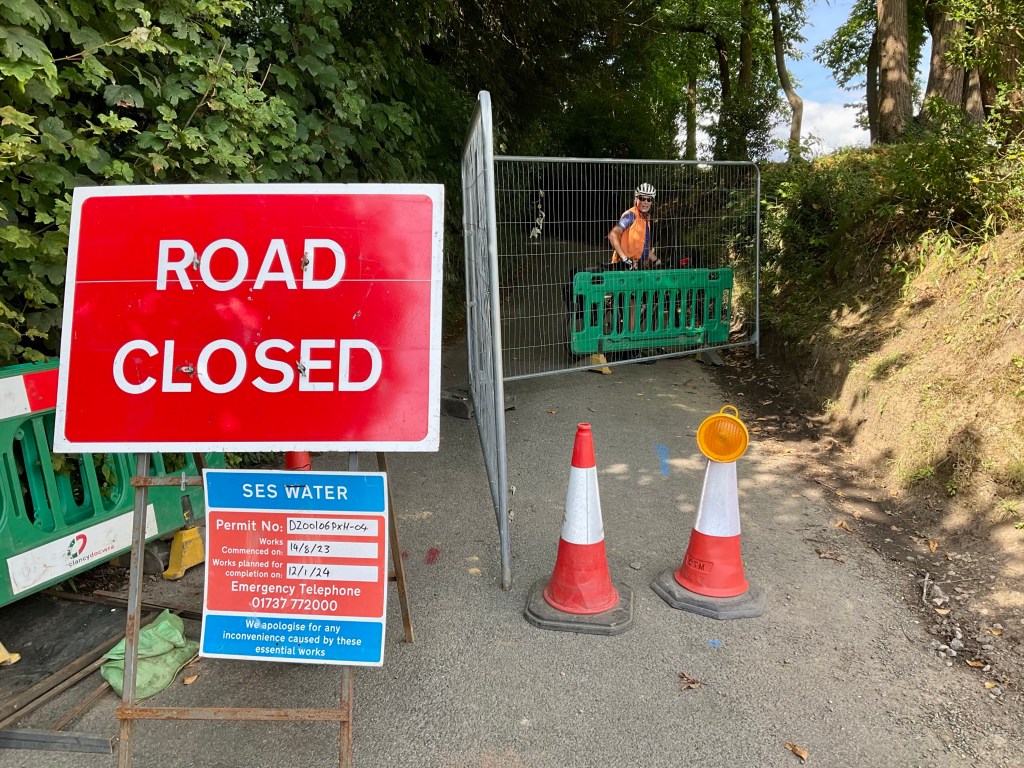
There was a road closure on our route with no quick and easy way around ( this was near the top of a hill climb, and I do hate descending and climbing another hill to detour).

So around we go, and we were able to get through but tight squeeze at the other end.

Down the road a car stopped and asked us if we had come through. yes we said. He then said ‘what do you think will happen tomorrow when the workers are back.’ I replied ‘no idea, but we will be long gone’ 🤣

Not sure if he was an annoyed local, or just enquiring as he wanted to get through too.

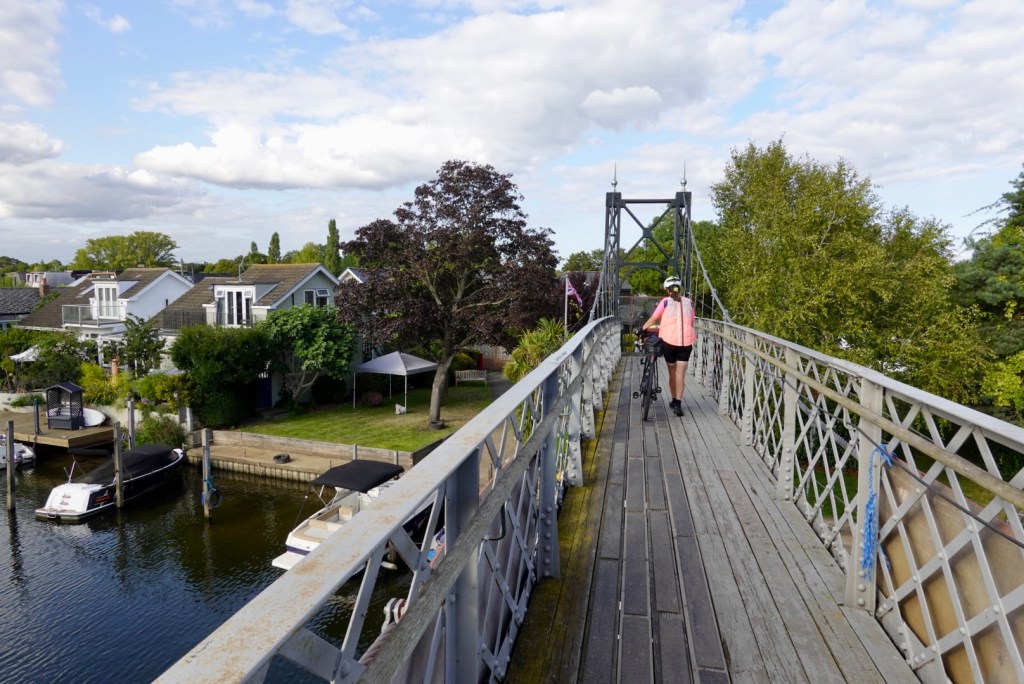
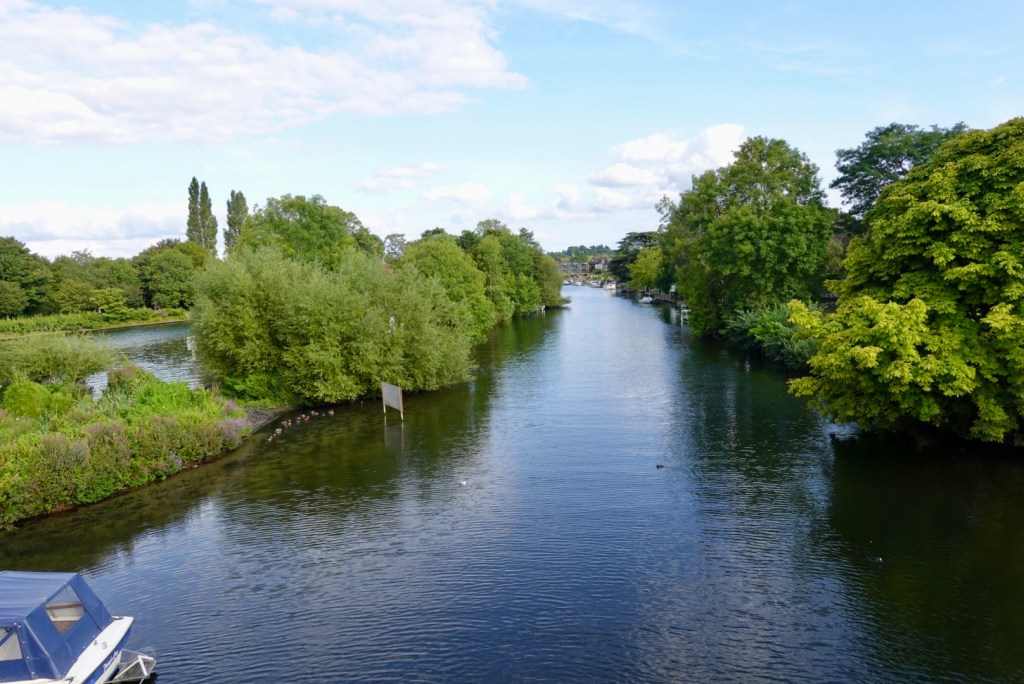
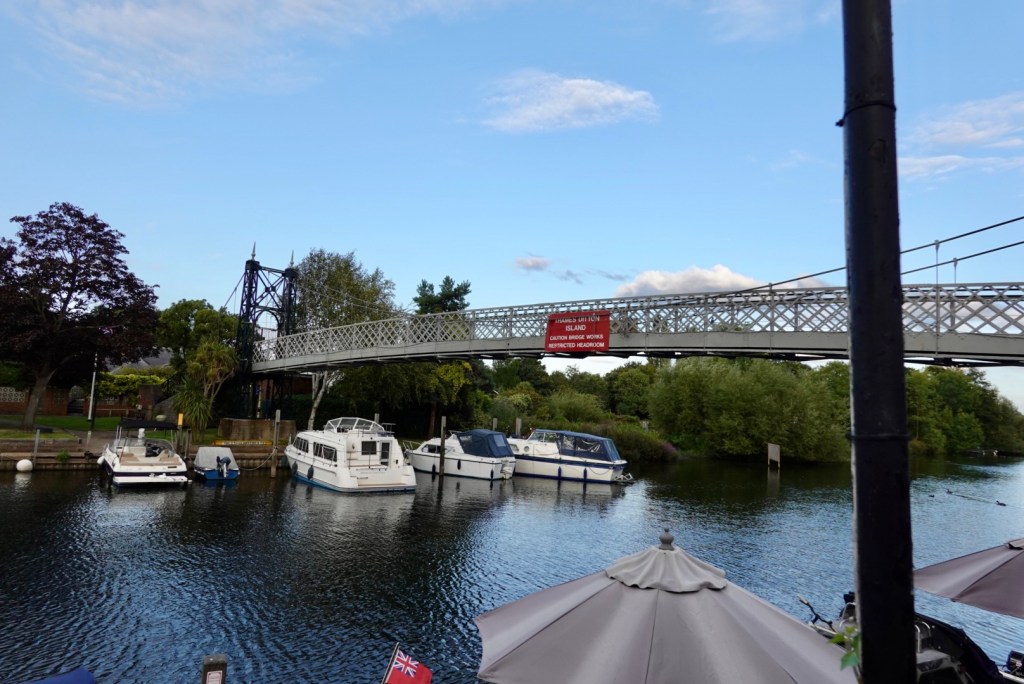
Thames Ditton Island was to be our home for two nights. You access it via a footbridge and code at the locked gate.

Walking across the footbridge.
Looking towards Hampton Court
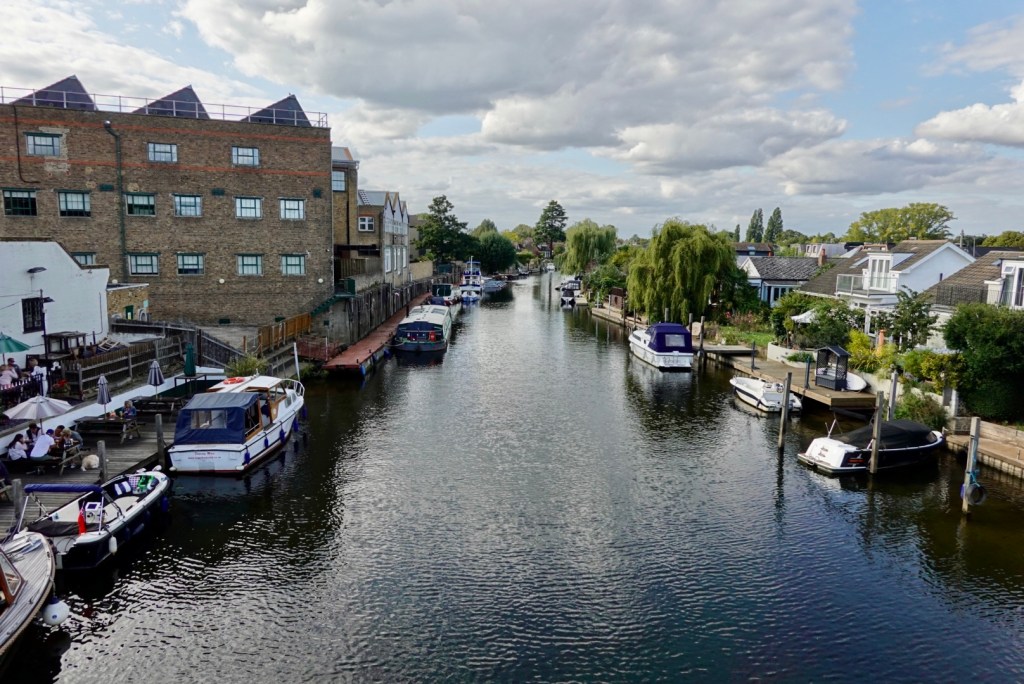
Looking downstream

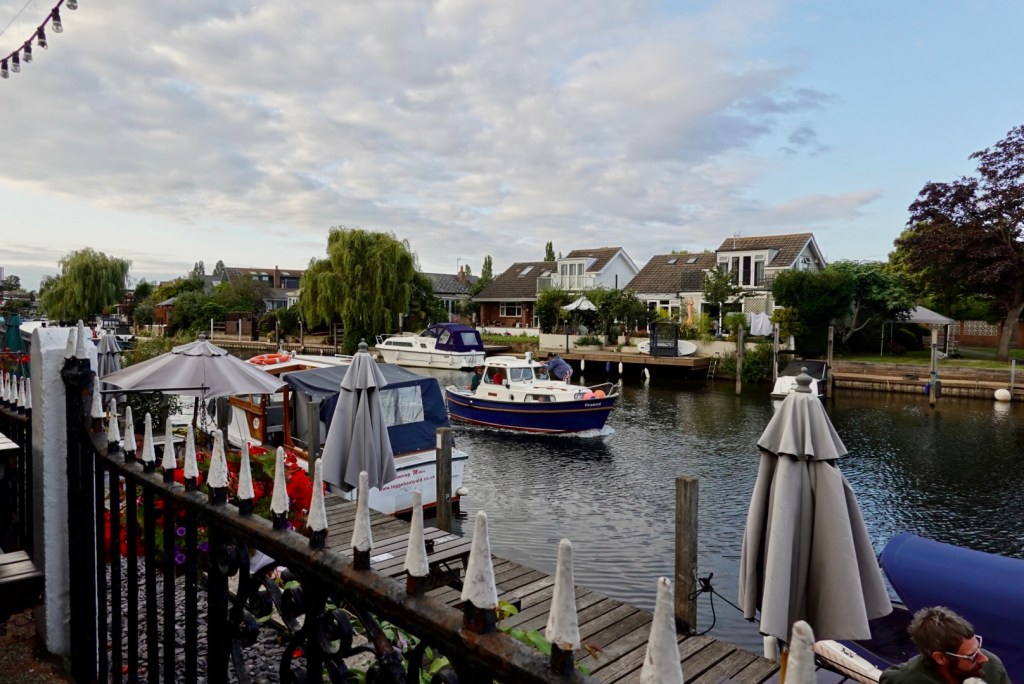
The island is 320 metres in length and has 48 homes with gardens and moorings.

We are in an Air BNB cottage here and love the area.

We went for dinner at the pub Ye Olde Swan just across the footbridge. It was a former 13th century hunting lodge that King Henry VIII stayed at (close proximity to Hampton Court Palace). Great food and location.

Sitting outside for dinner looking at the footbridge to the island
Looking across at the island from the pub. lots of watercraft on the move. today was a public holiday so people out and about making the most of their day off.

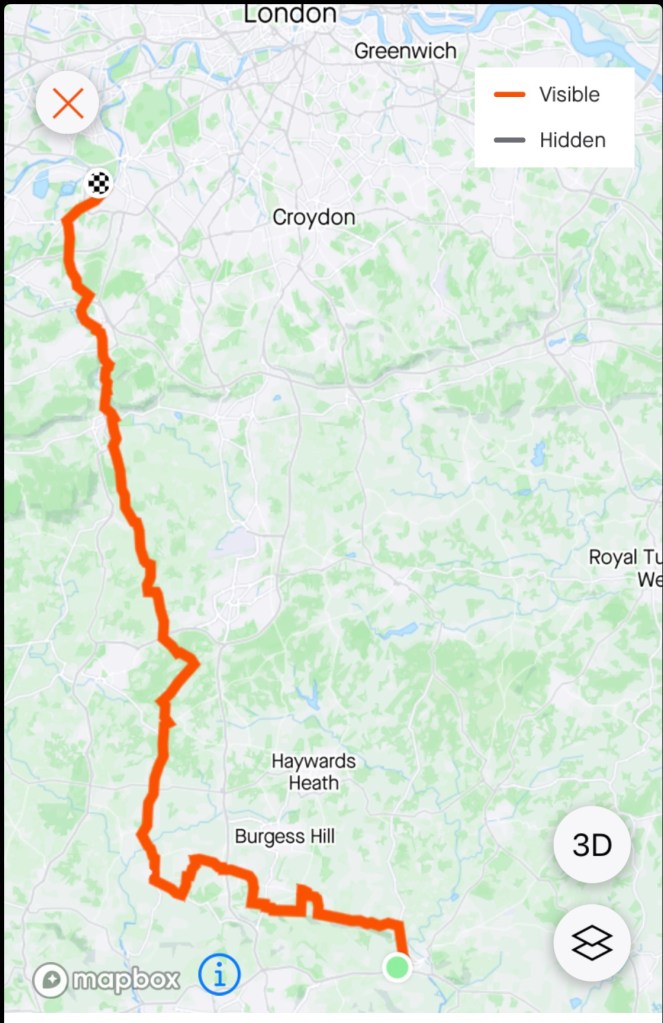
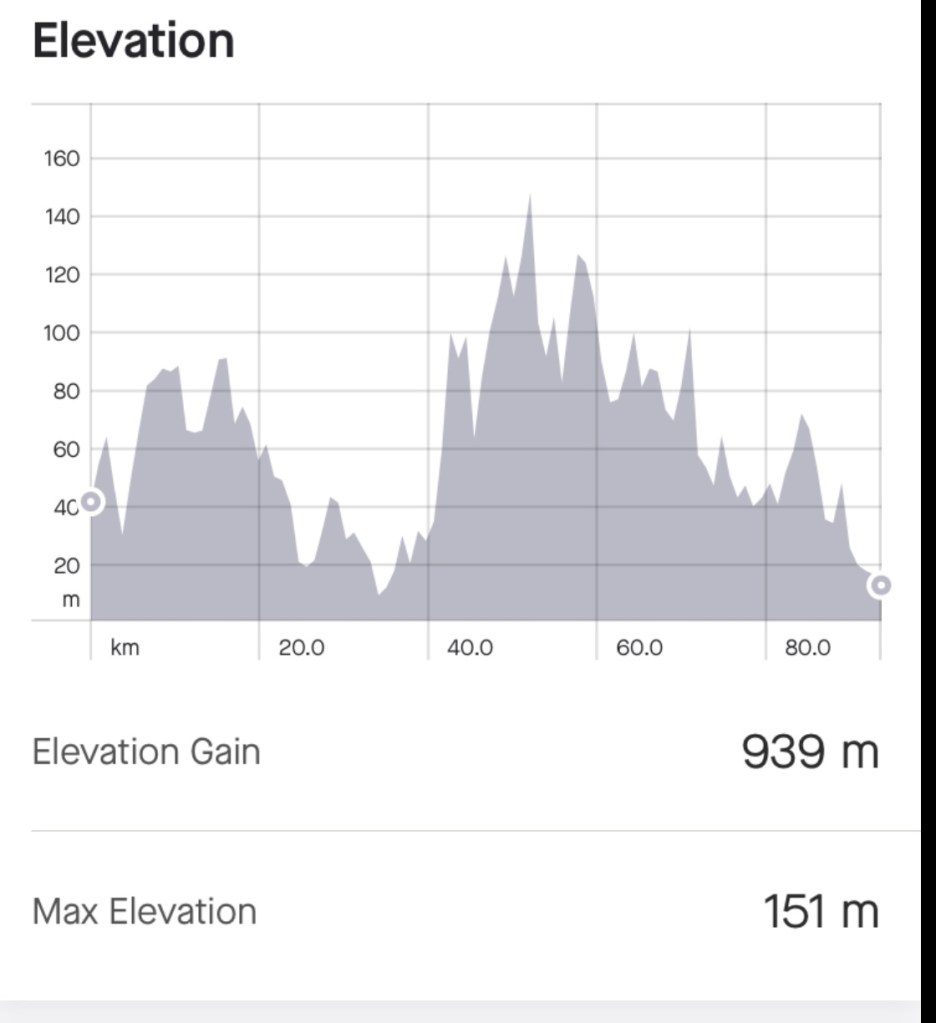
So here we are, another day done and dusted, two more left on the road. 95 km today and a lumpy 939 vertical metres climbing.

What a journey we have had, and a few great days ahead too.

Thanks for reading 😊❣️

Day 26: Neufchatel-en-Bray to Dieppe to Lewes

First people up in the hotel we packed and crept down as quietly as we could from the 2nd storey, on the stone steps with metal cleats (🙈) to the reception, grabbing the master keys to unlock the hotel plus the garage.

Never had that amount of trust placed with us in any accomodation anywhere so huge thanks to the owner.

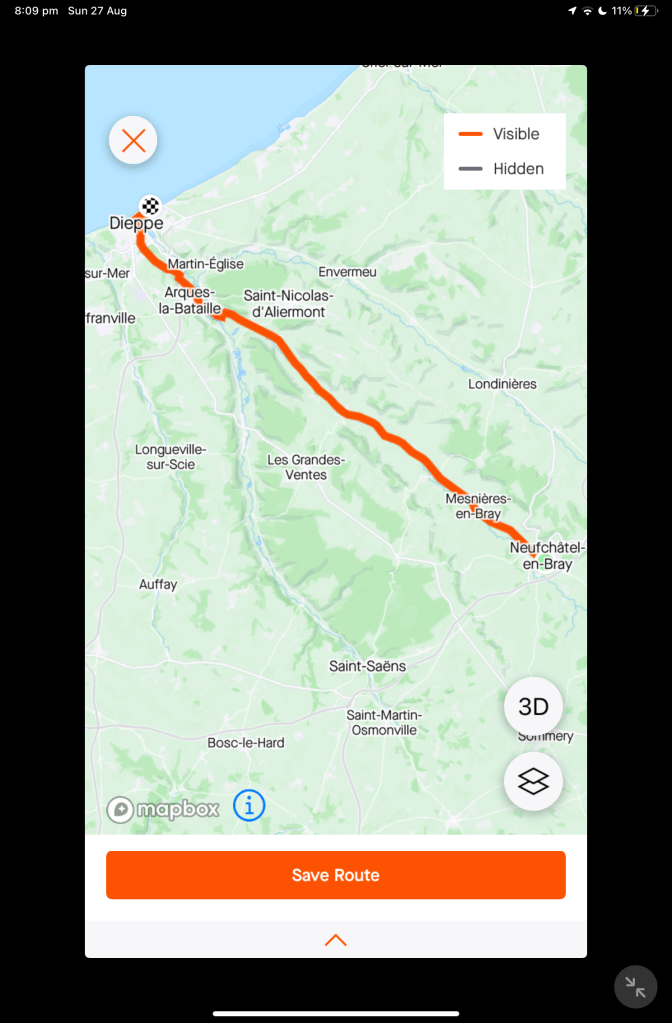
We were on the road by 6.30 am, it was still dark so lights on and headed to Avenue Verte greenway.

The Avenue was quiet bar ducks and rabbits and we cruised along, slowing down for the countless crossings and barriers. It was a 39 km ride and flat.

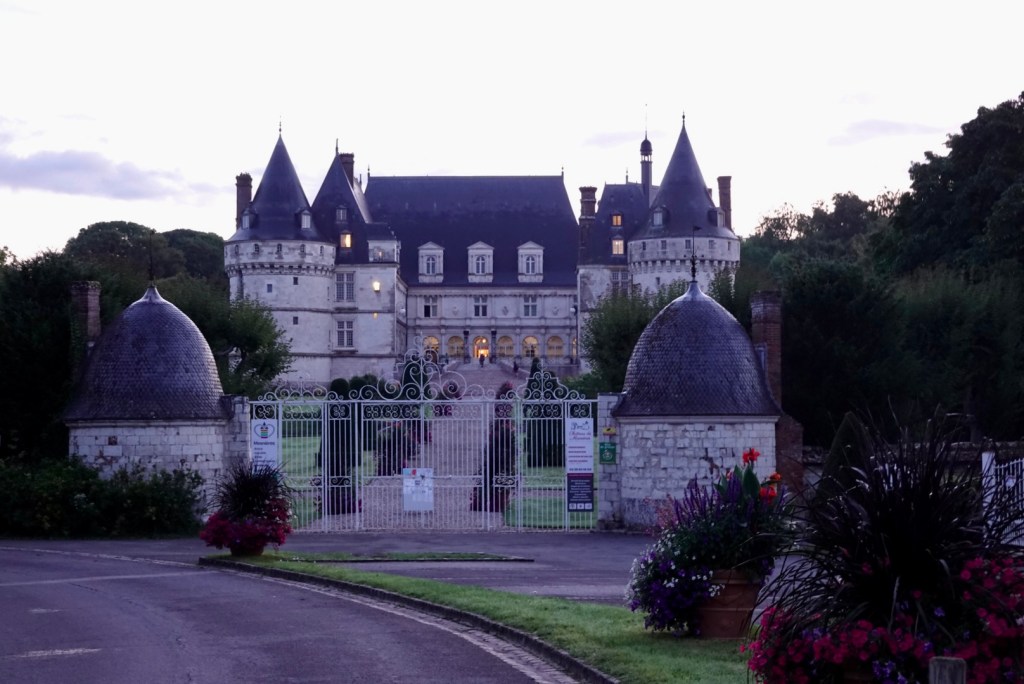
We stopped as we passed by Chateau de Mesnieres. It is regarded as a jewel of Renaissance architecture. It is open to visit but not today for us.

We went past this chateau, and surprisingly a lot of people people on the move.

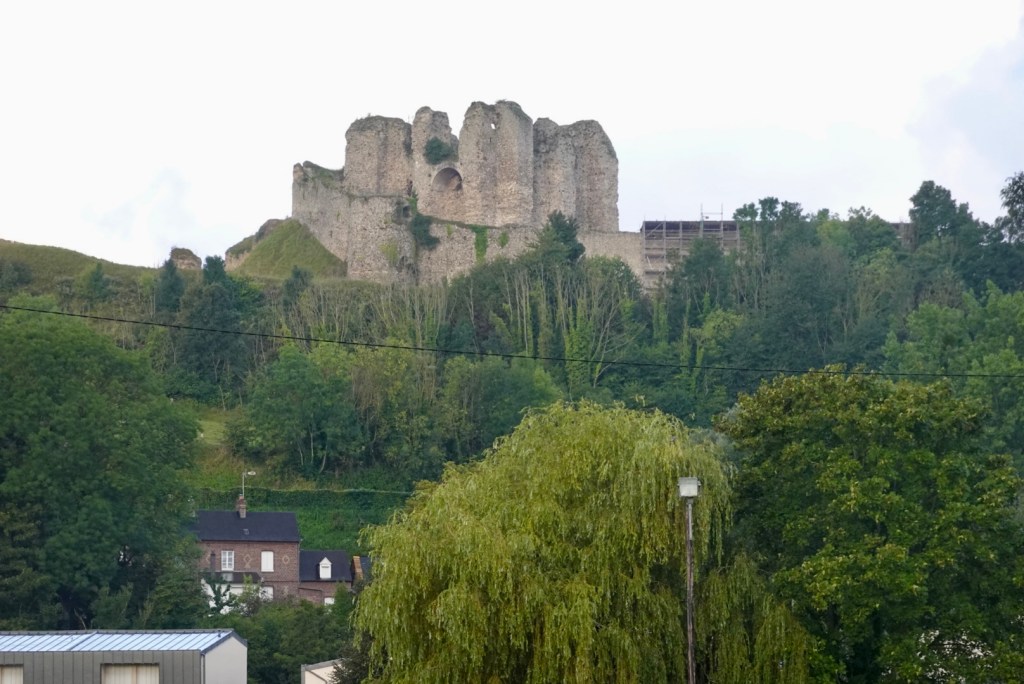
Another highlight was Château d’Arques la Bataille high on the hill. It is now owned by the state. Initially built by Count William of Talou, uncle of the Duke of Normandy who became William the Conqueror.

It has a long chequered history, quite sad. It saw many battles over the years, and ultimately purchased by an infamous French group, the Black Band who systematically removed anything of value (tiles etc) for profit. Apparently a number of well to do French families today owe their wealth to their Black Band ancestors who did this to countless historical properties.

We saw this old castle high on the hill

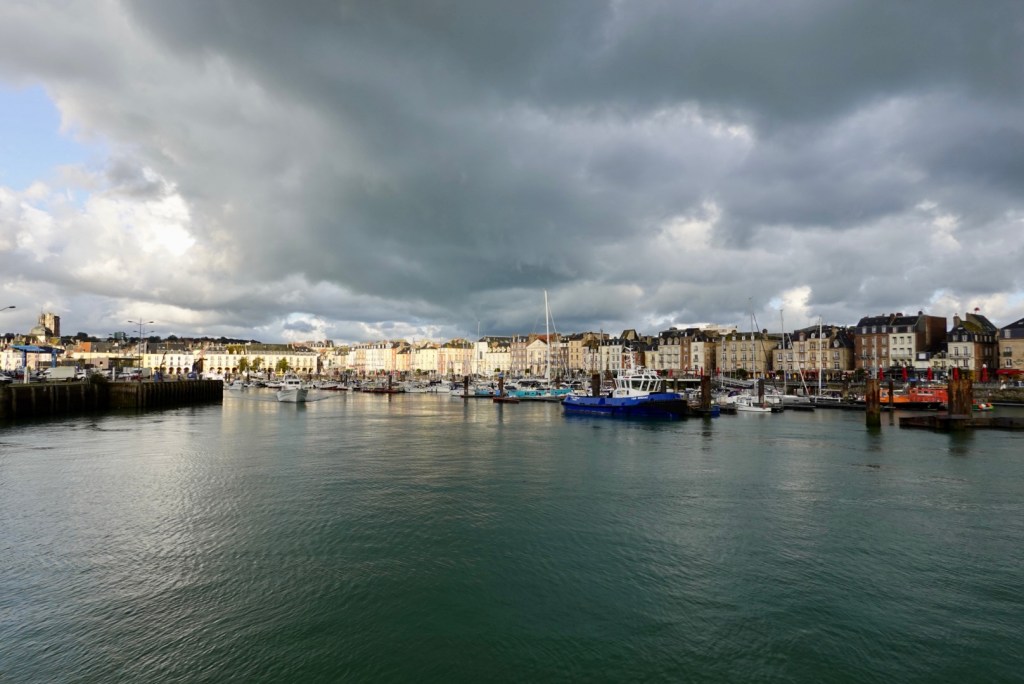
Dieppe is an English Channel port with direct ferry transfers to Newhaven in England, hence our destination as we had a four hour ferry transfer.

It started raining as we arrived in Dieppe and went for a cruise around town to check it out, plus find food as we had not eaten.

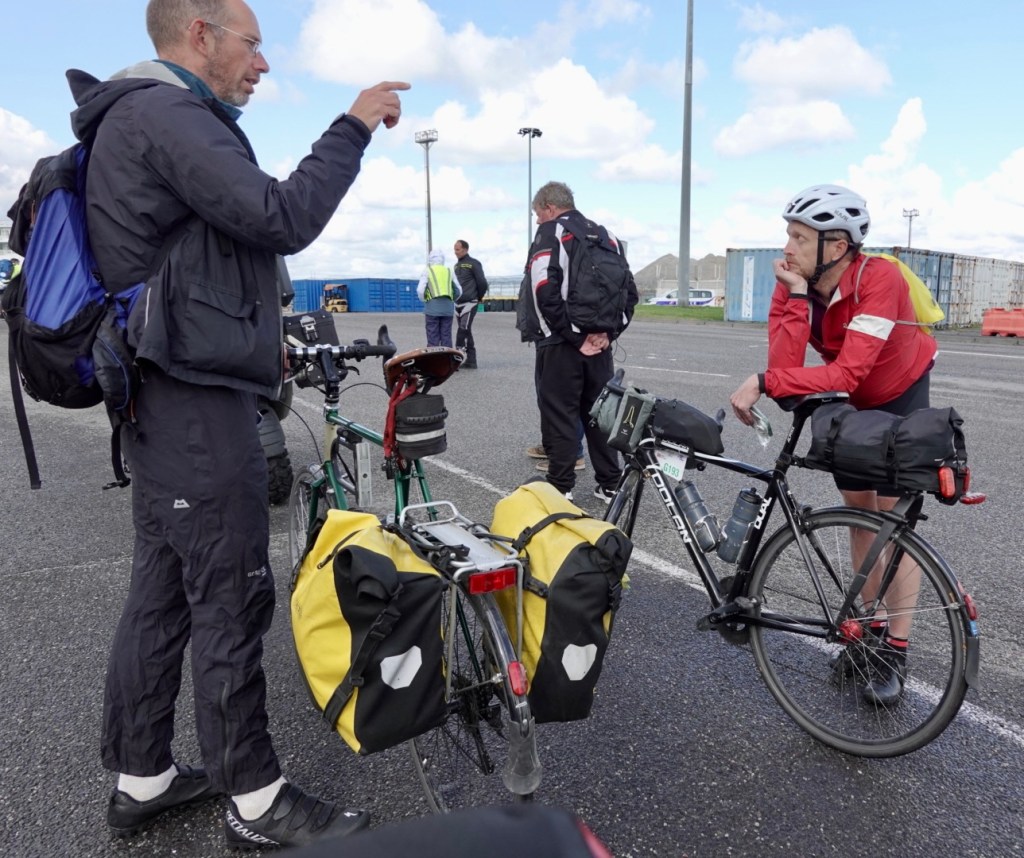
We arrived at the terminal well ahead of time and sat with a group of cyclists recounting their tales.

I chatted with two English ladies who spent a fortnight riding to Paris and back. The guy in grey on the left spent a fortnight riding around Normandy. The guy in red rode across to do Paris-Brest-Paris race (7th time he has done the race) and is heading home to England.

We have passed through immigration here, just waiting to board the ferry, that has arrived.

We had a cabin on the ferry so spent most of our time there after eating some over priced food. I heard one lady with two heavily loaded trays, complaining to staff that it had cost more than her weekly shopping bill.

You can survive for four hours without buying their food, and you can bring your own food too!

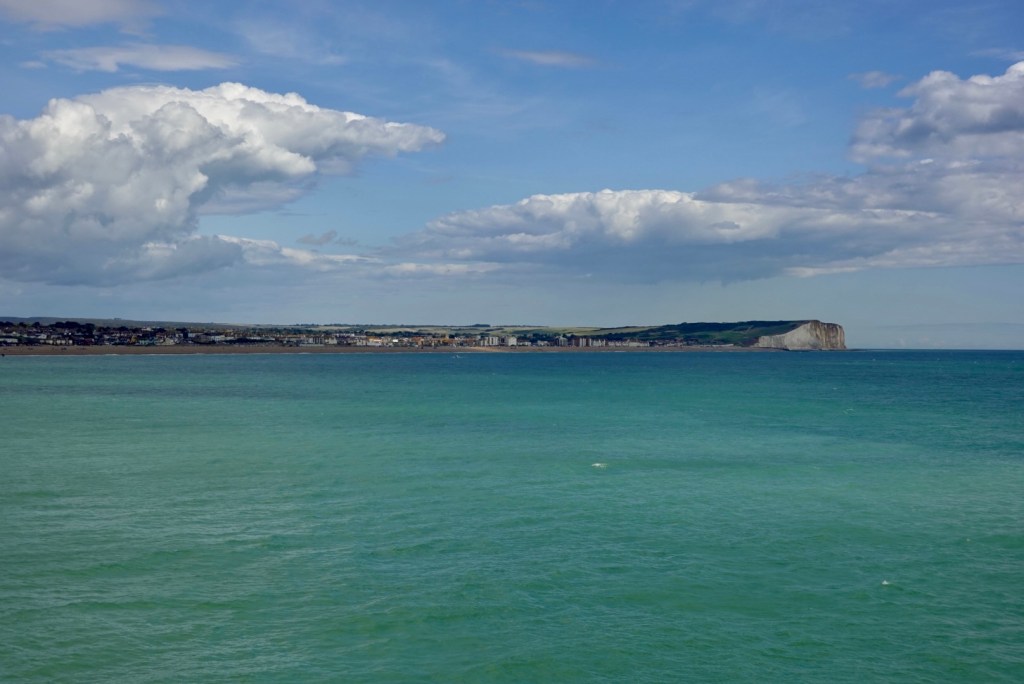
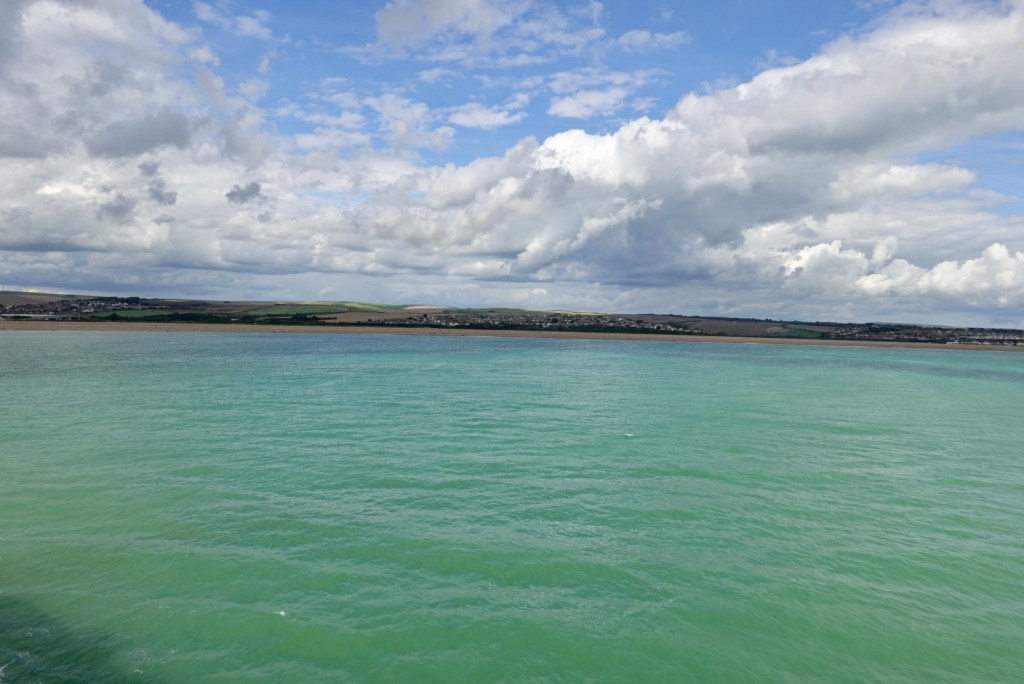
As the ferry closed in on the English coast a few views as we waited to descend to level 3 where our bikes were stored for the crossing.

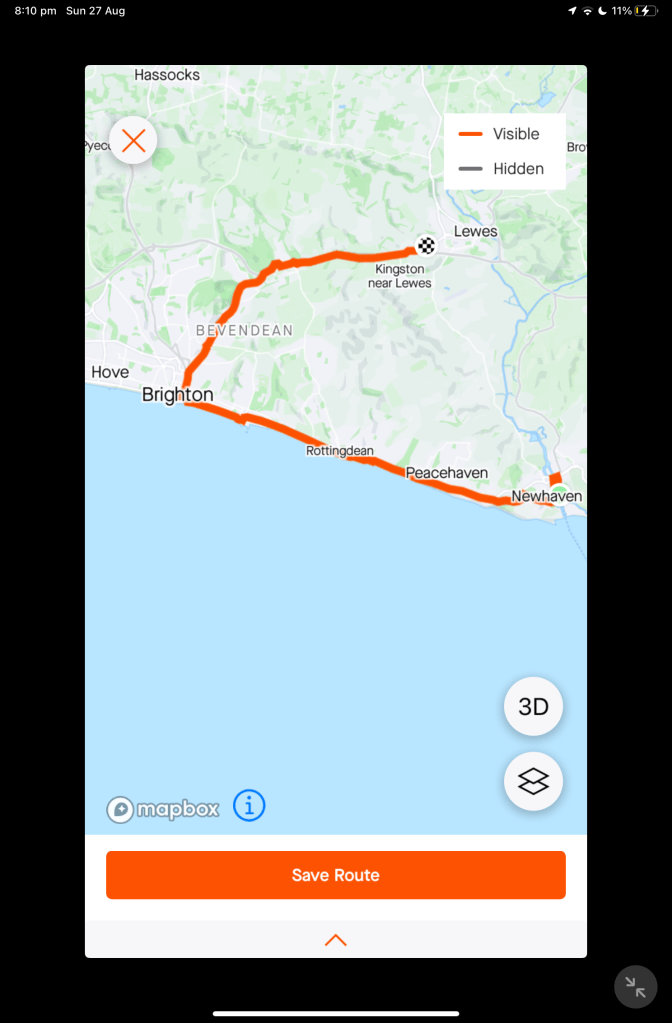
Once in Newhaven we decided to head to Brighton along the coast for a look. The Paris-Brest guy told us there was a pathway.

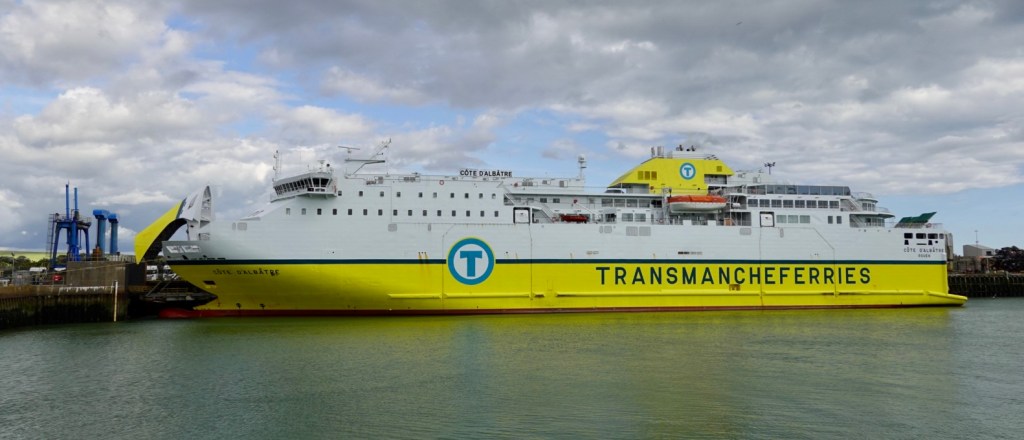
We crossed the harbour and photographed our ferry, much smaller than the Cork to Roscoff, but these ferries do multiple crossings daily.

Parts of the recommended pathway were shite! After a number of km it did improve though and instead got smacked in the face with a westerly headwind.

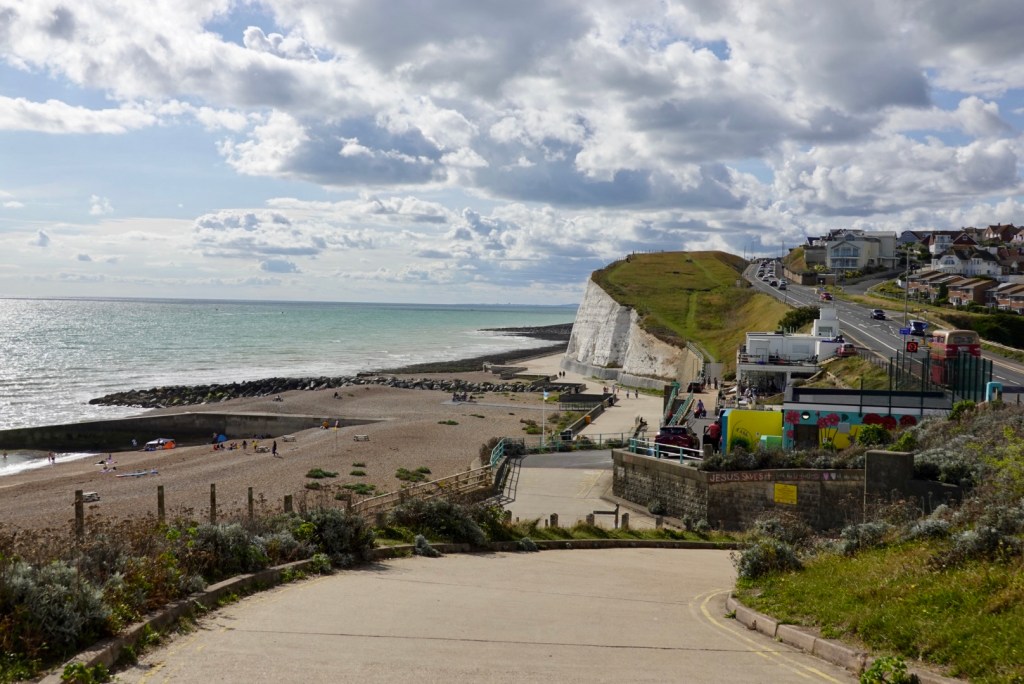
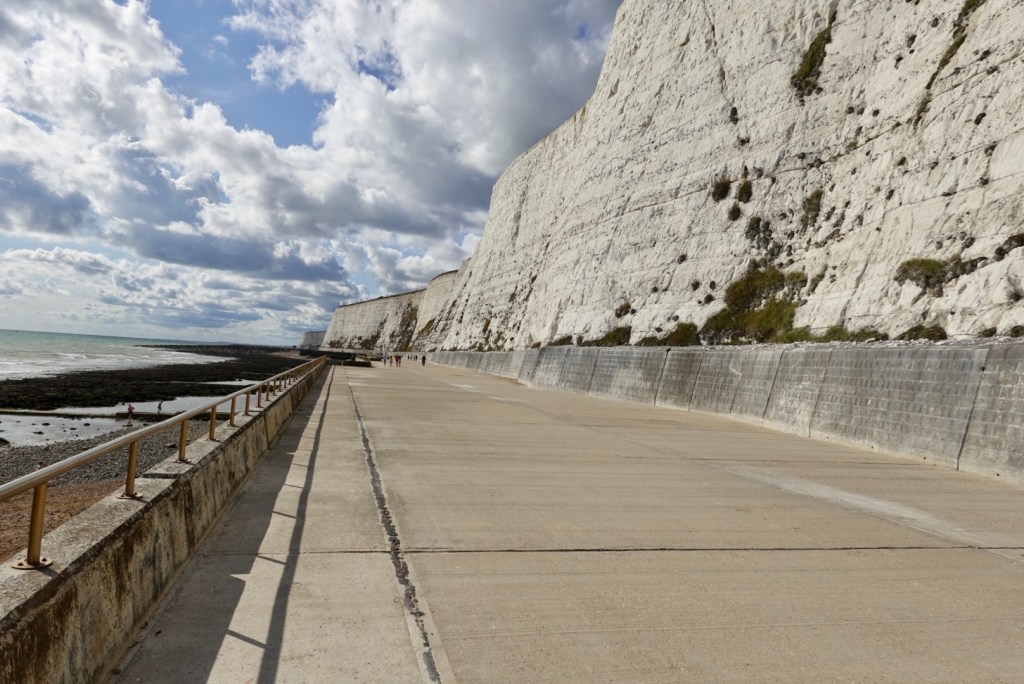
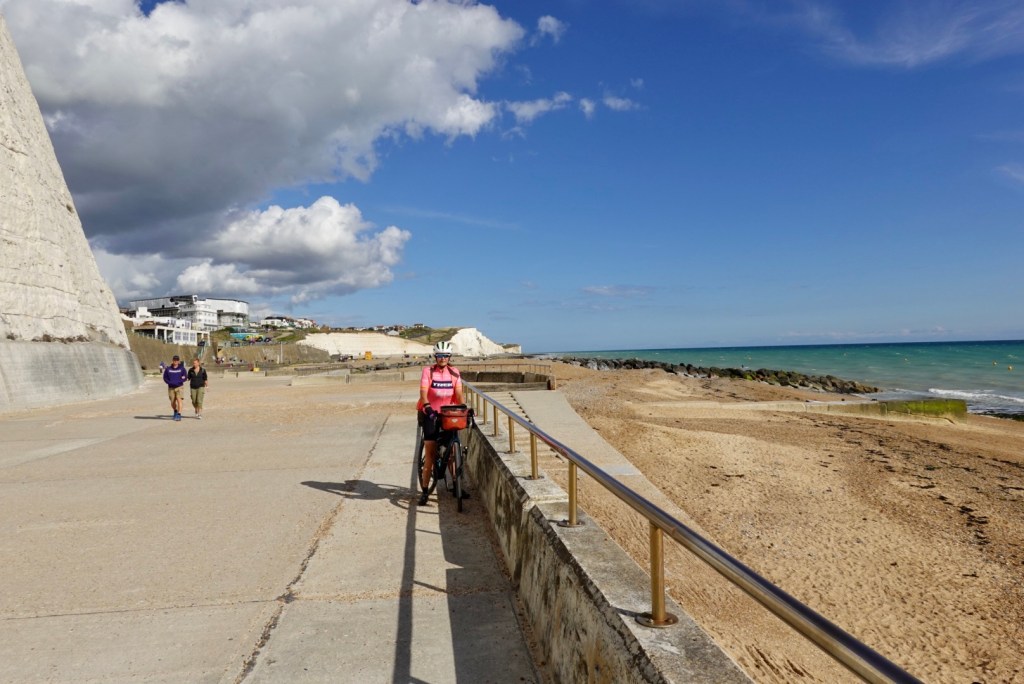
We dropped down onto this boulevard underneath the white cliffs. We went for maybe 5 plus km along the boulevard. The beaches are predominantly pebbles here. There were areas where it was dense with people, then it would open up again.

Patches of sandy beach

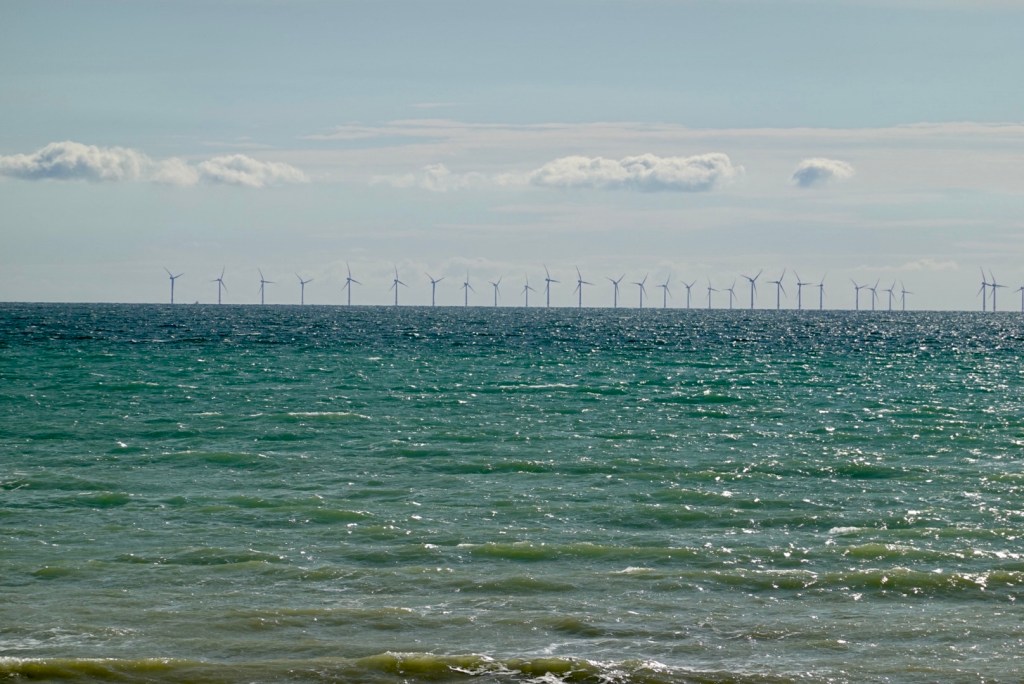
From the ferry, and our ride, we could see an offshore wind farm. It is the Rampion Offshore wind farm and is the first such farm in England. It generates enough electricity used annually by around 350,000 British homes. This is around half the homes in Sussex, the county we were in.

A section of the Rampion wind farm

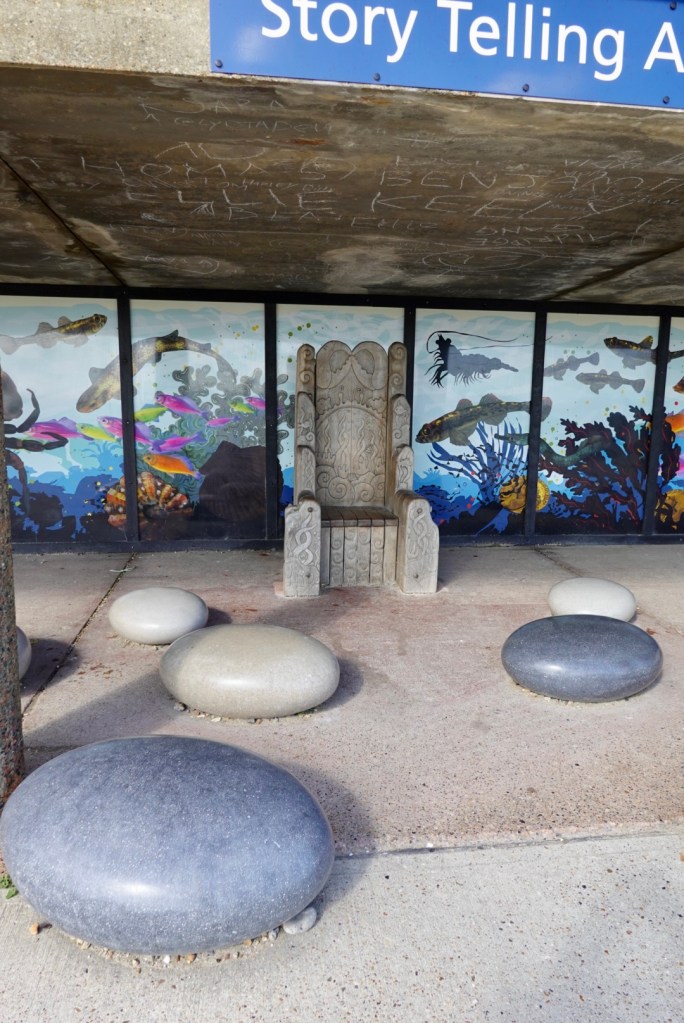
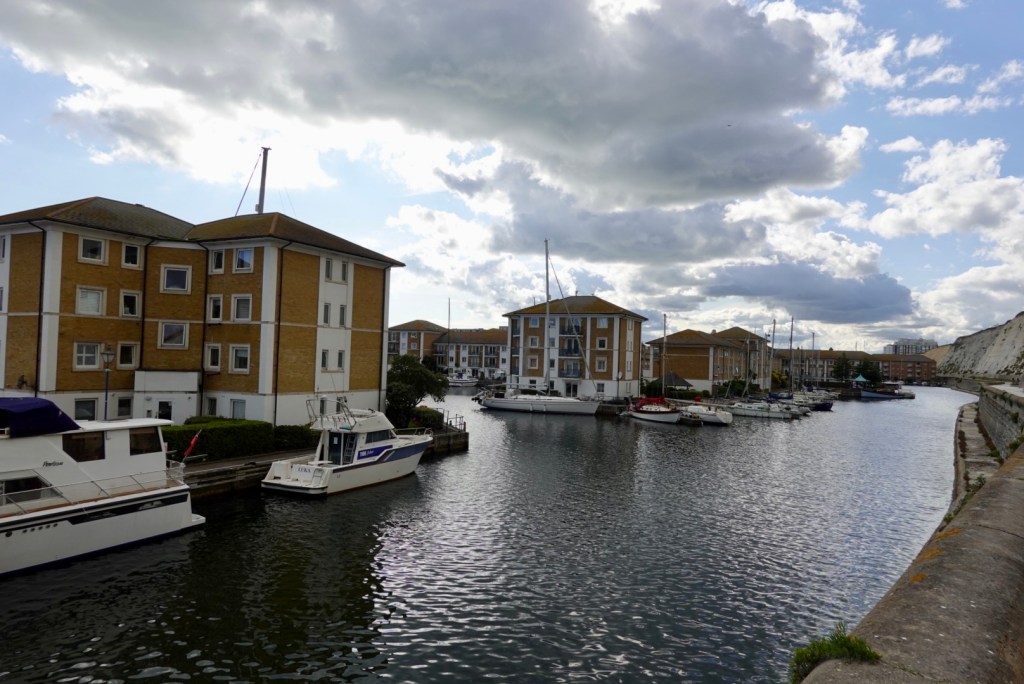
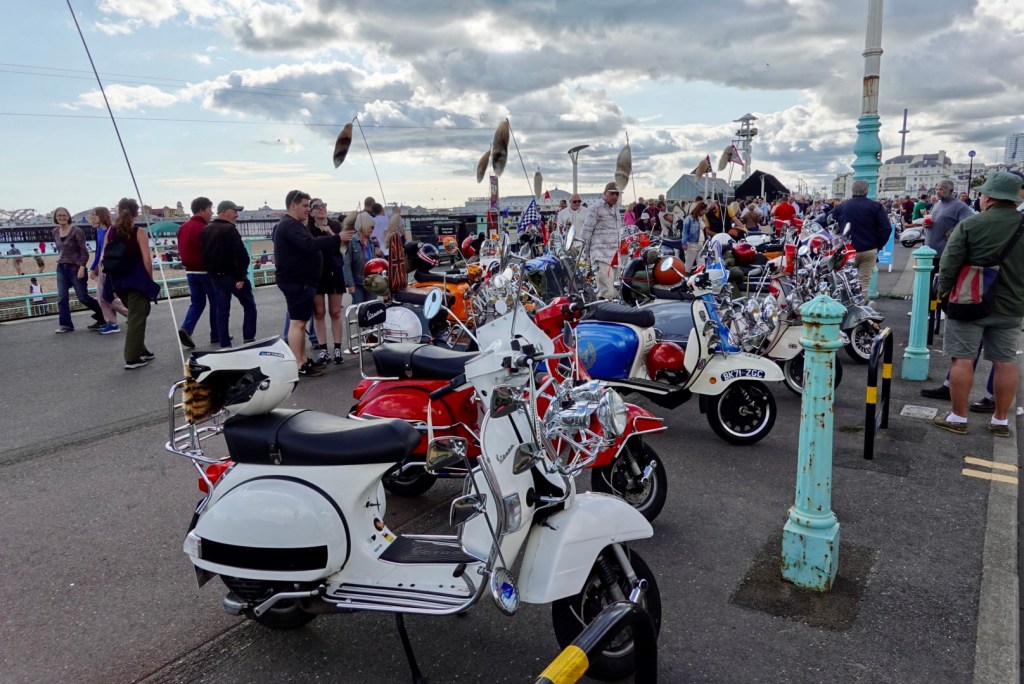
Little curios along the way included a story telling area, homes on canals and a Vespa parade. There were hundreds of vespas on show. Took me back to Muhlbach in Italy and the Vespa party we had walked in on.

One can never have enough rear vision mirrors on a Vespa it seems.

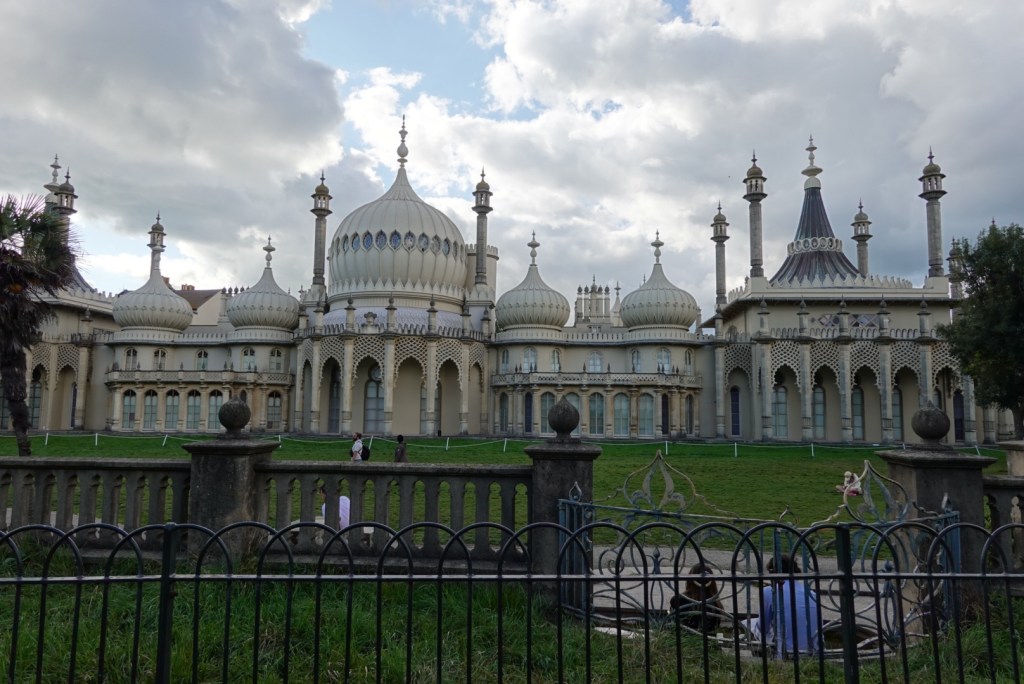
We detoured from Newhaven to Brighton, as we had not ridden through there before – been close – but not close enough, and I wanted to see the Royal Pavilion. Brighton was transformed into England’s first seaside resort in the mid-18th century.

The then Prince of Wales secretly married Mrs Fitzherbert, causing outrage. He held many lavish parties and in 1815 transformed his house into what is now the Royal Pavilion. The building was completed in 1823 by which time he was better known as King George IV. His niece, Queen Victoria, sold the Pavilion to the town of Brighton in 1850.

It looks quite deserted and sad I thought.

Got to our accomodation on the outskirts of Lewes in one piece, as getting out of Brighton was quite hairy.

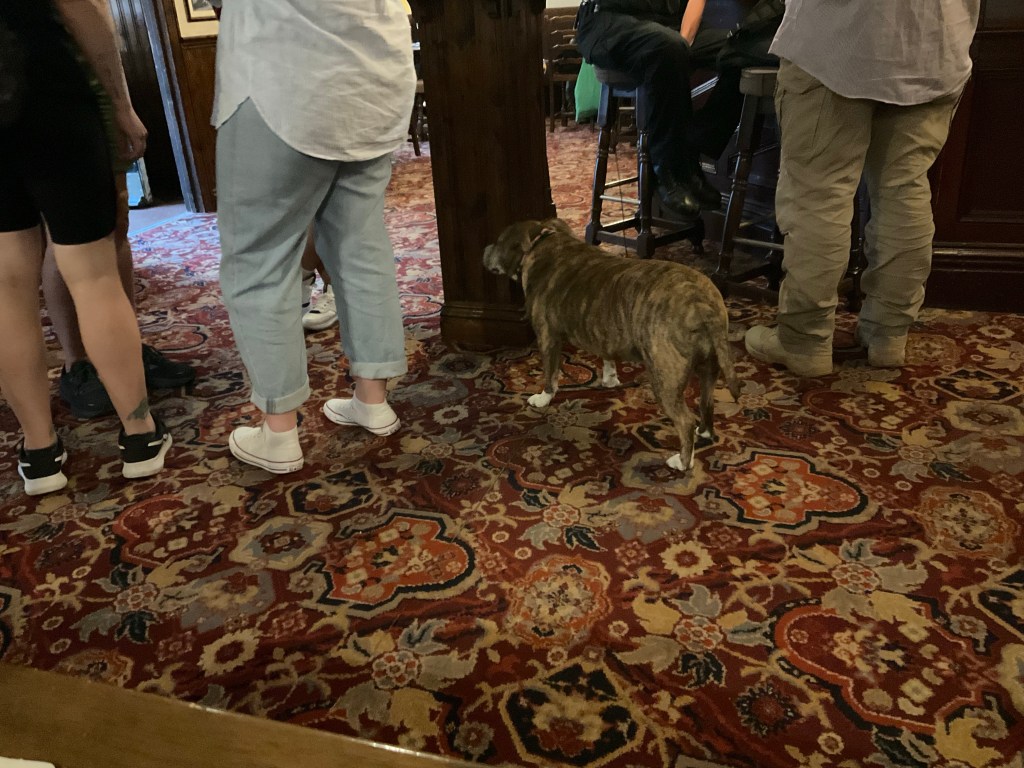
We showered and walked into town looking for dinner. 1.8 km ,after we found a pub that had a spare table and were entertained by this dog Stella and her outgoing owner, who kept talking about his ‘first ex-wife’ who lives in Western Australia. We had a lot of laughs.

Two rides today totalling 68 km plus transferring from France to England so a full day.

Three more days riding left in our adventures.

Thanks for reading 😊❣️

Day 25: Rouen to Neufchatel-en-Bray

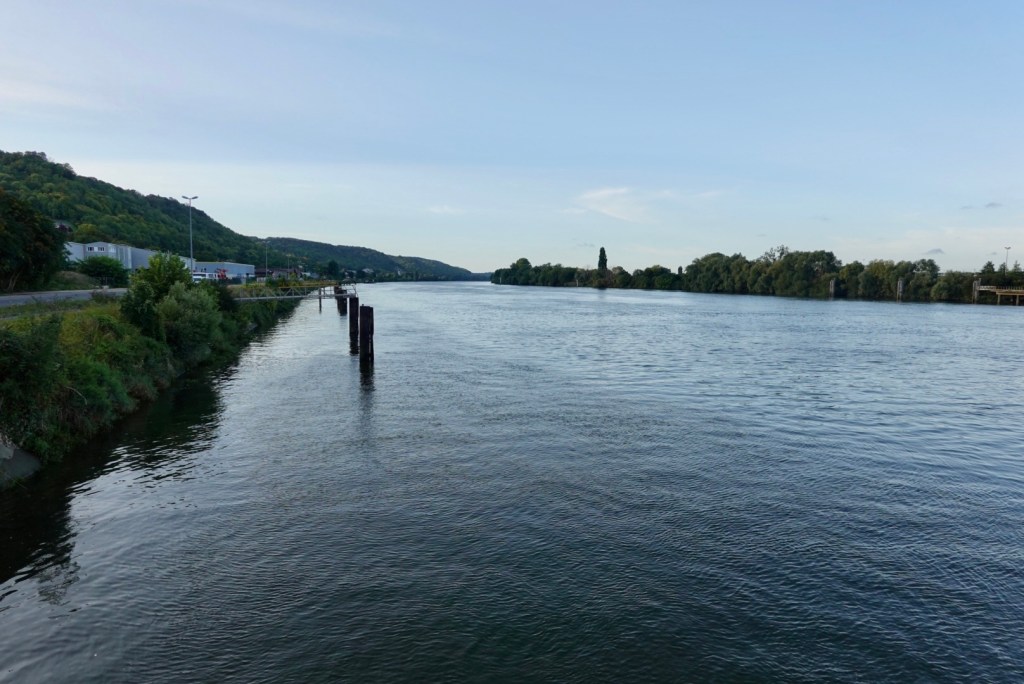
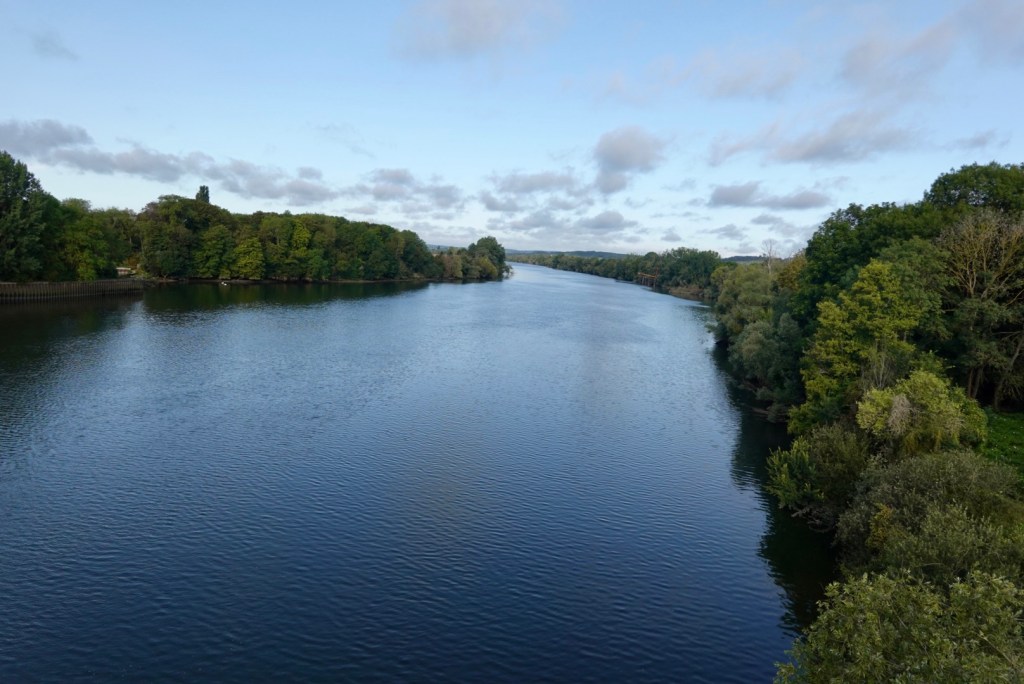
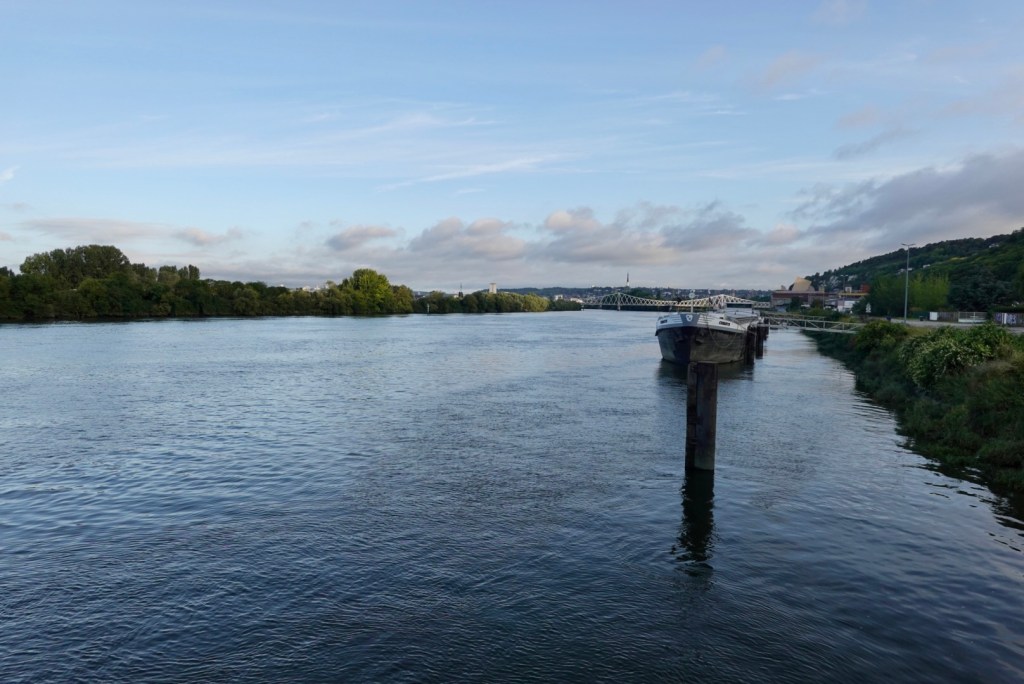
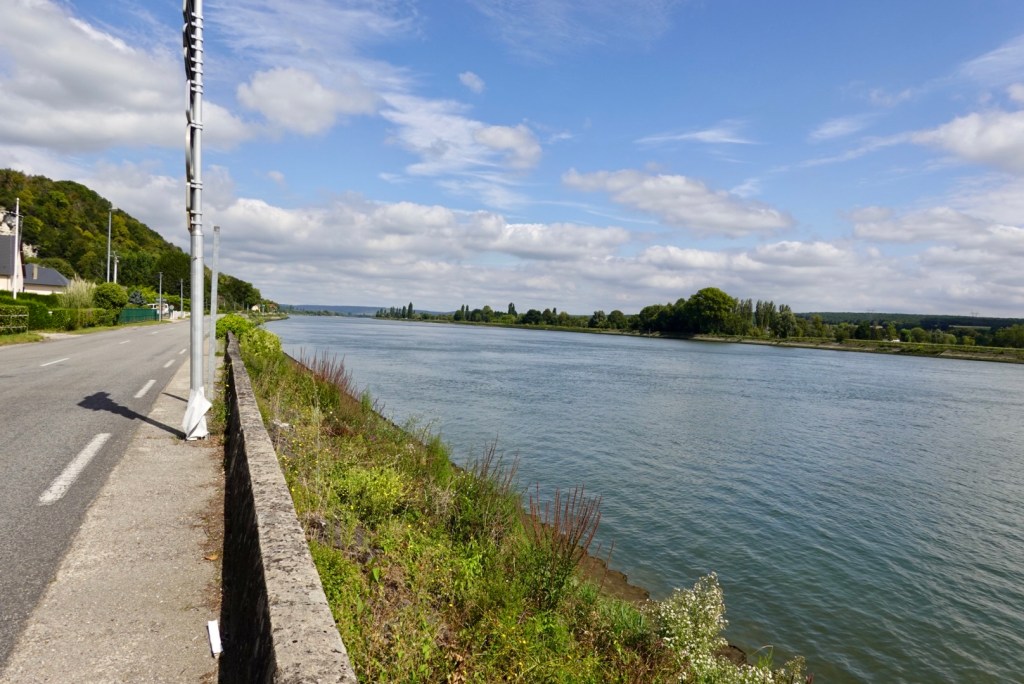
We followed the Seine upstream to Tourville-la-Riviere and Pont de-l’Arche. The river keeps winding its way into Paris, but we are heading in a north easterly direction, then north.

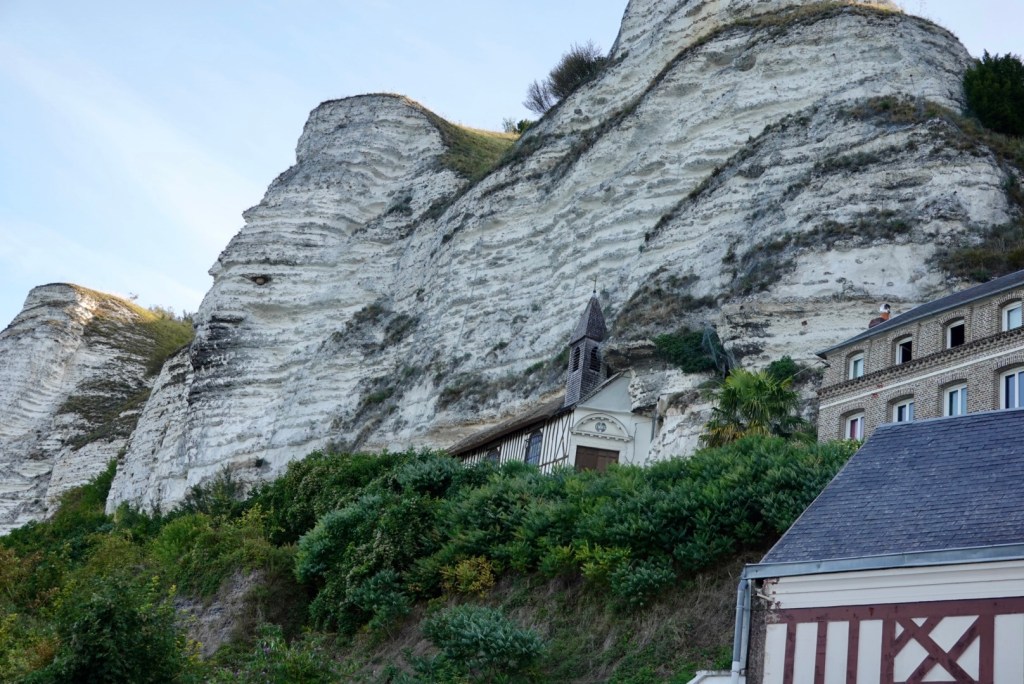
The church is built very close into the cliff walls
Interesting buildings

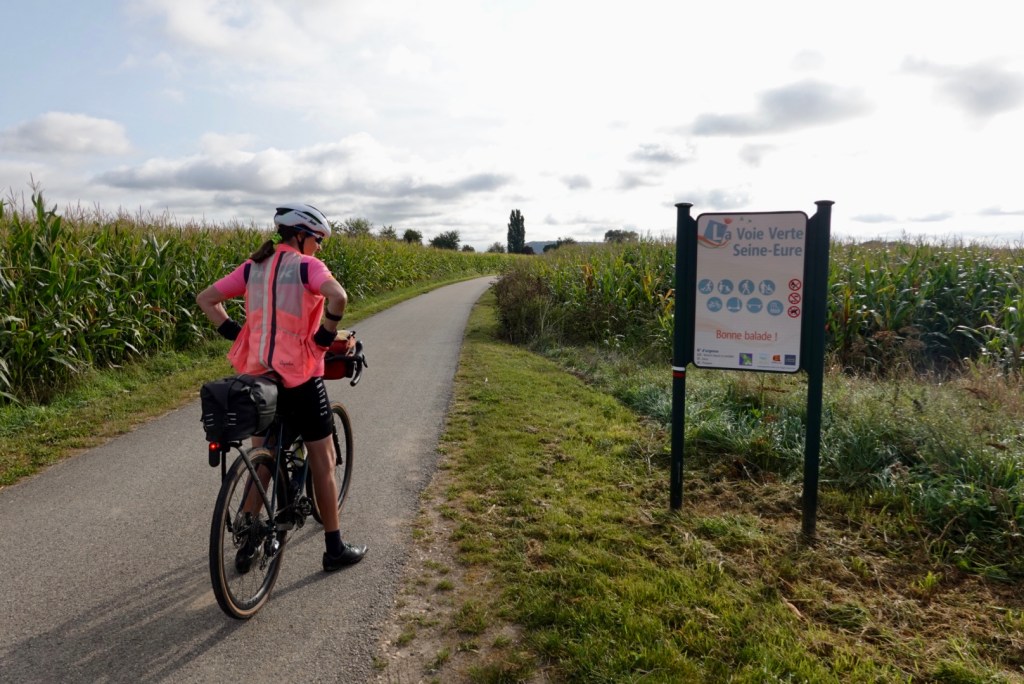
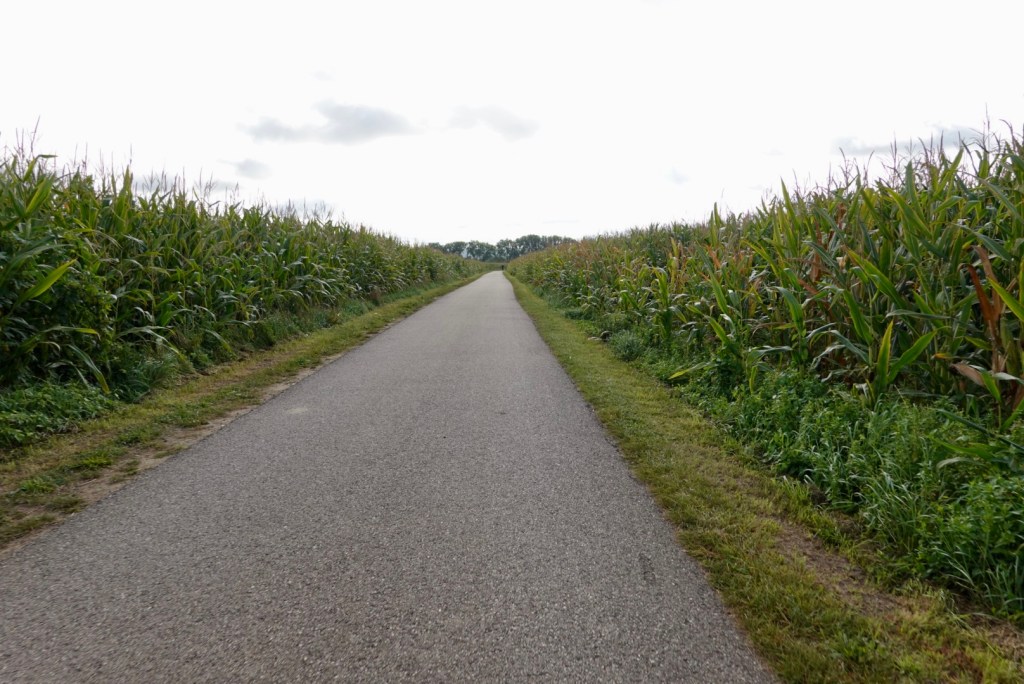
We follow this bike path for quite a few kilometres through fields of corn.

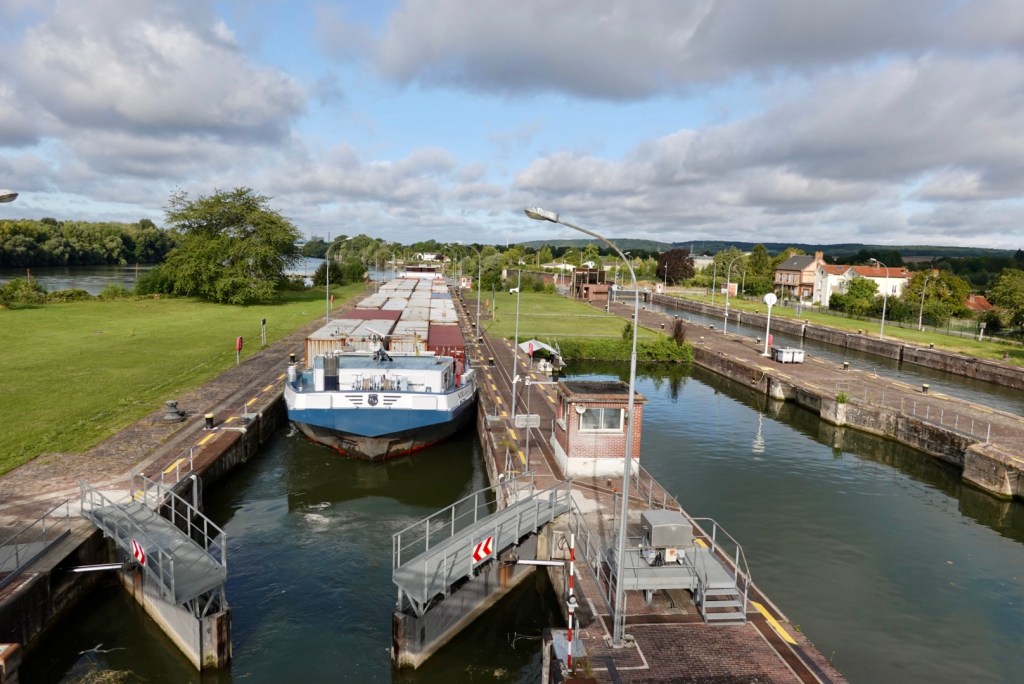
We say farewell to the Sene at this navigation dam located in the Eure. It is the largest on the Seine, 300 metres from bank to bank, including two locks that allow 8,000 boats a year to pass through.

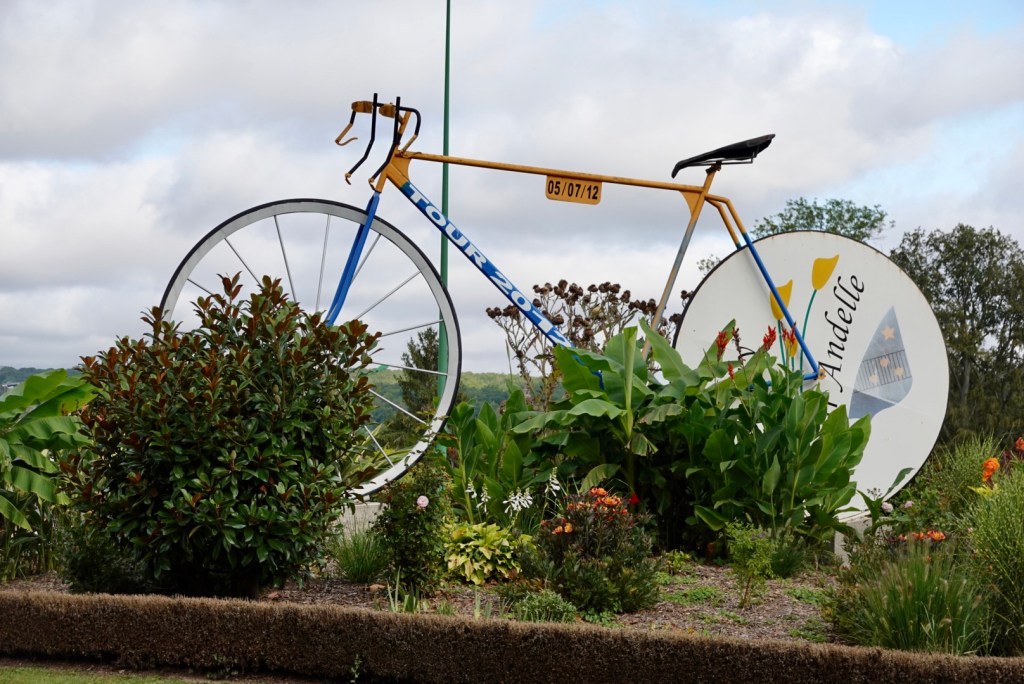
The roundabout award today goes to the town of Andelle. The Tour de France passing through in 2012.

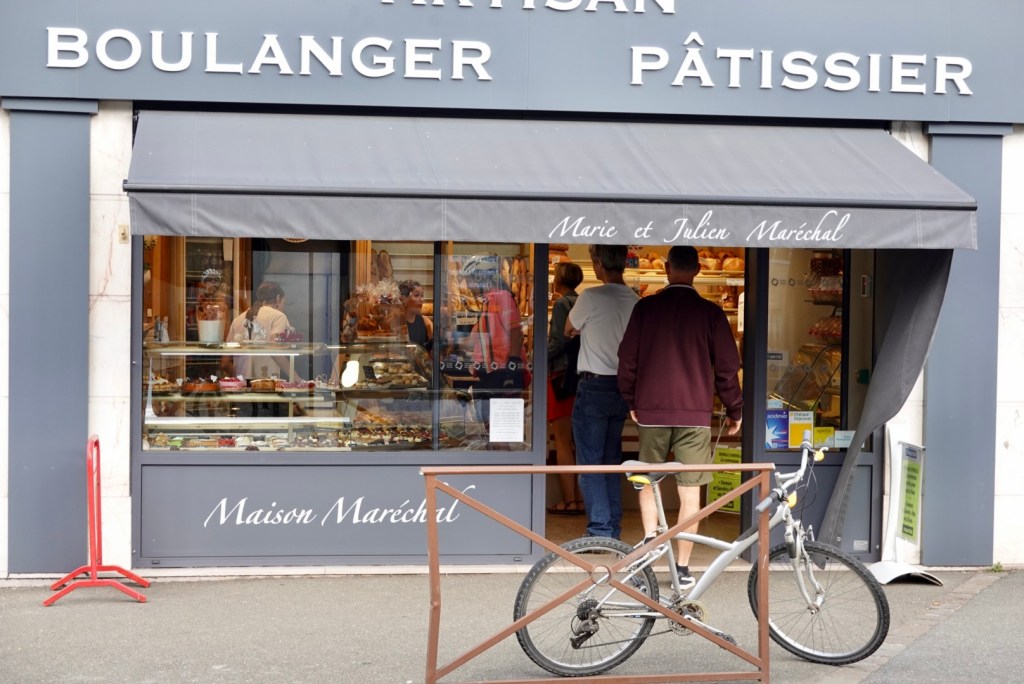
They had a nice bakery too!

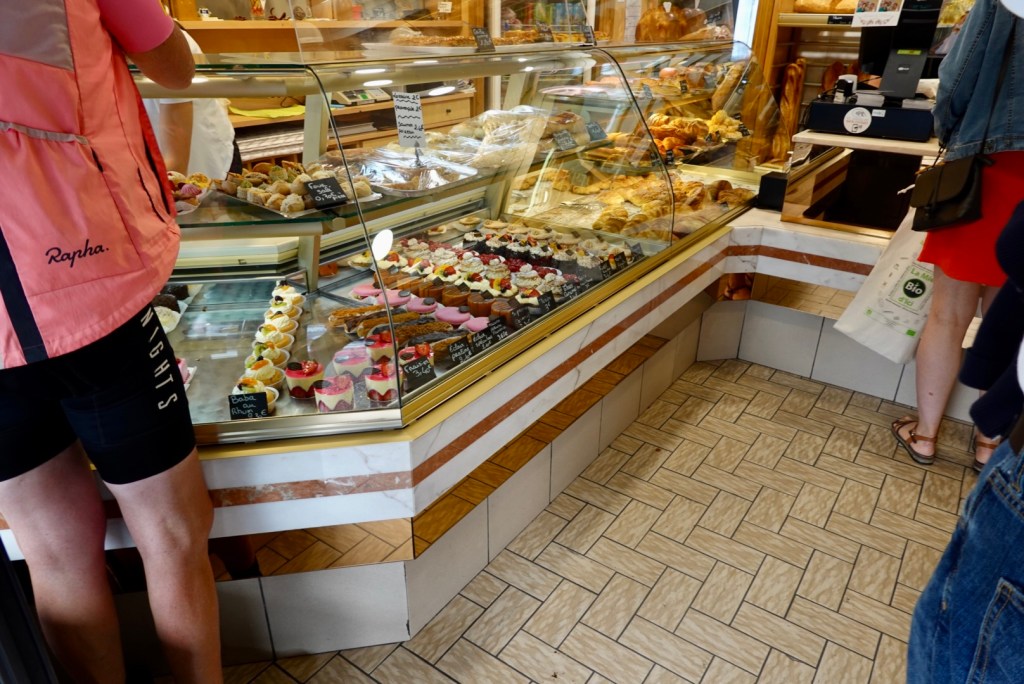
What to choose?
The church over the road
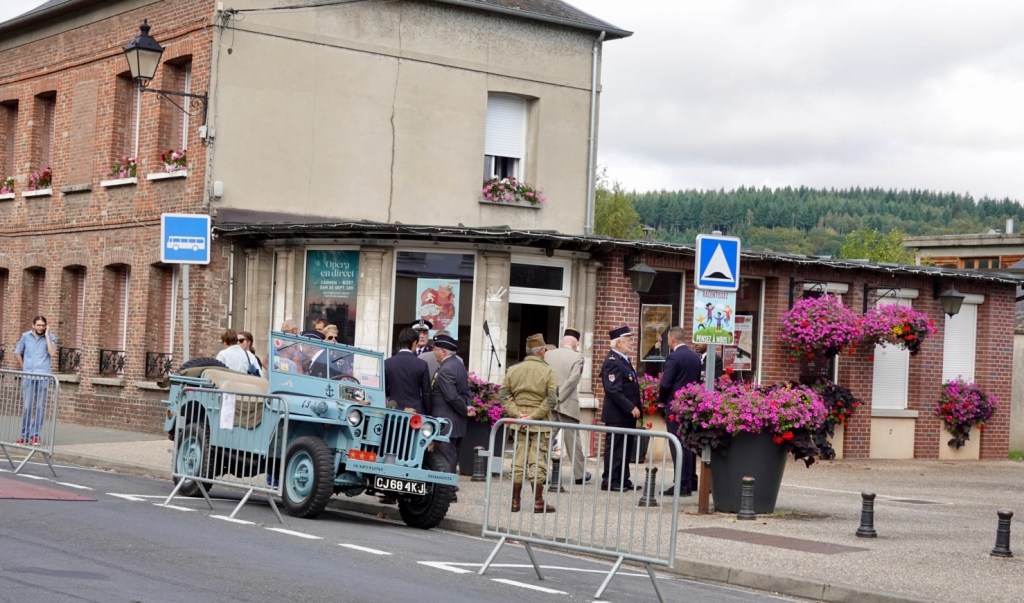
Veterans gathering, playing music. Looked like a parade may have been going to happen.

It was technically an easy ride today. Our legs are quite strong now after all 25 days and lots of vertical metres. Our fitness scores according to strava keep improving, although I am a a tad cynical as to the methods it employs to determine that.

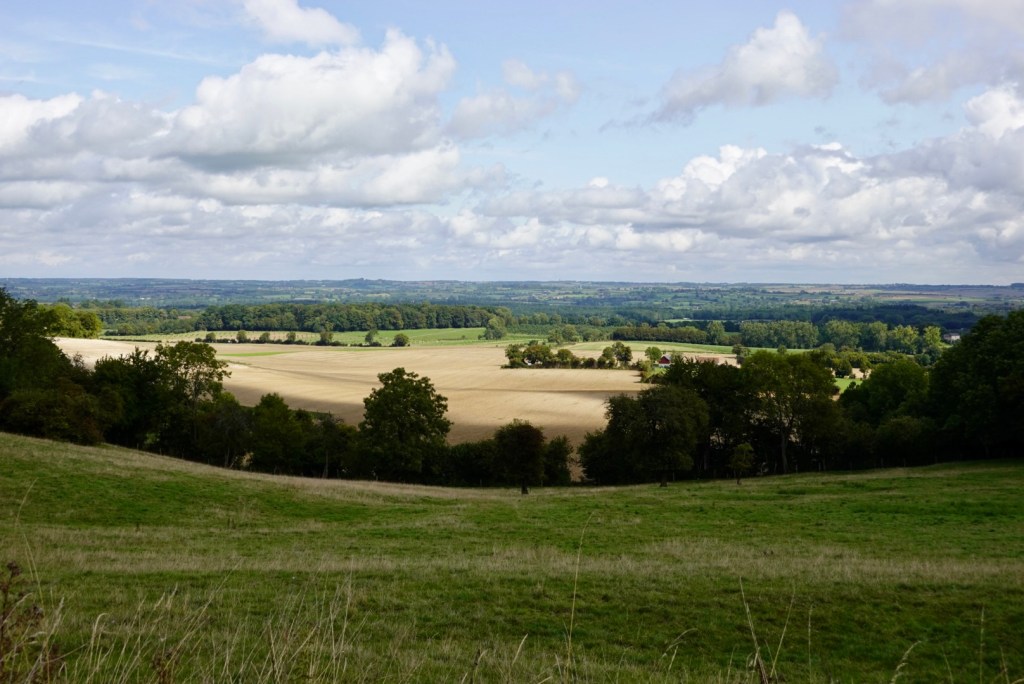
Most of our climbing today is mid ride, and we look over forests and farmland.

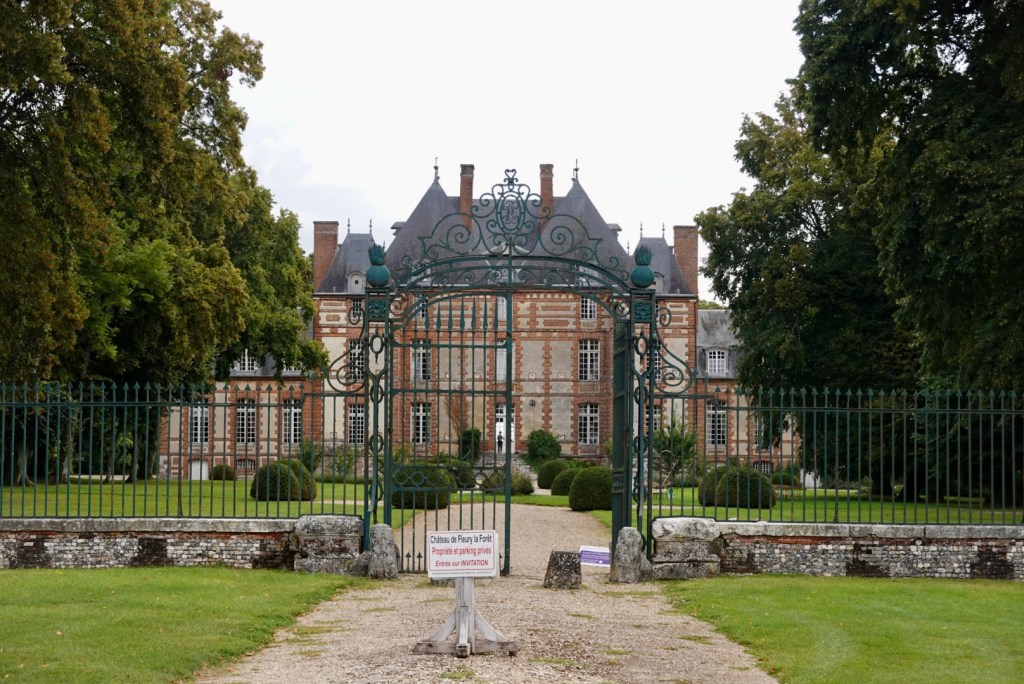
Nice chateau with a sign that says entry only upon invitation. I searched for our invitation must have lost it.

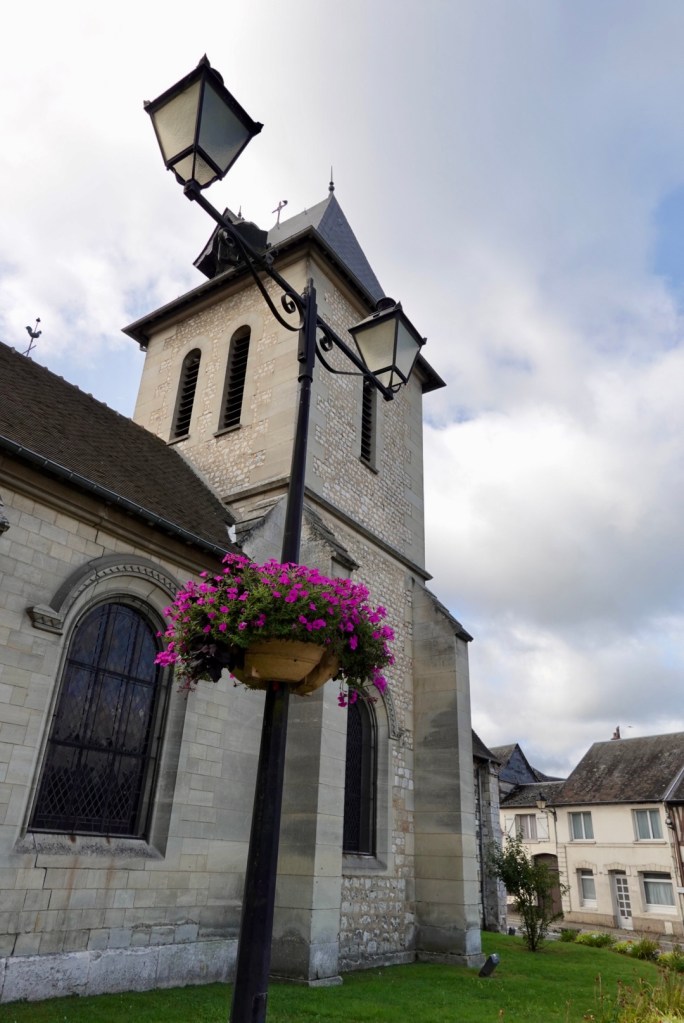
An interesting church spire.

A nice mairie
Here I am, just finishing a hill climb, still smiling.

We rode through a number of forests in the area. We did yesterday too as we approached Rouen.

Lyons-la-Floret is a classified beautiful village, in a forested setting. The village was founded on the site of a castle that once stood here in the 12th century.

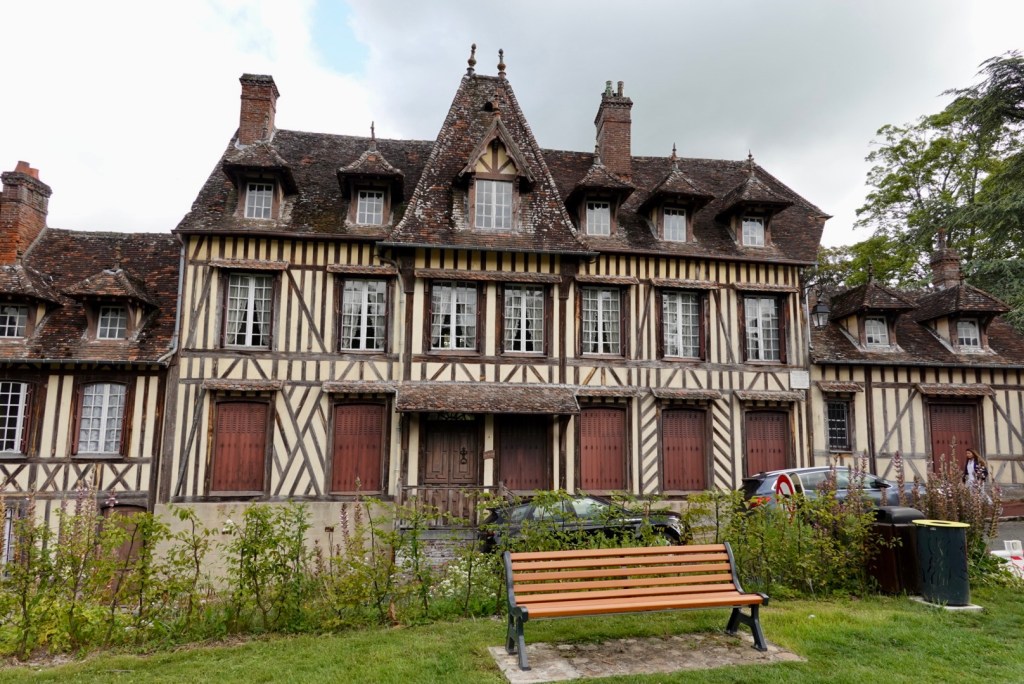
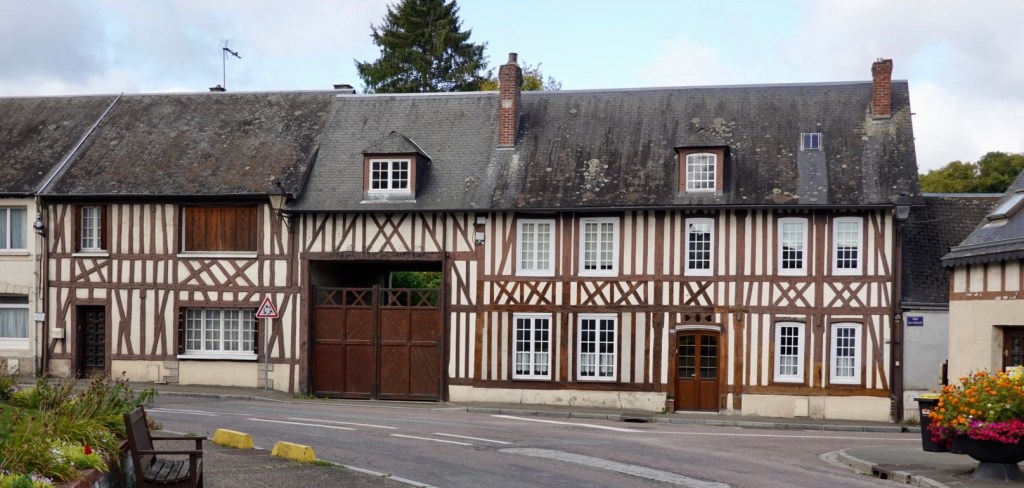
The covered marketplace dates from the 17th century. Numerous half timbered buildings.

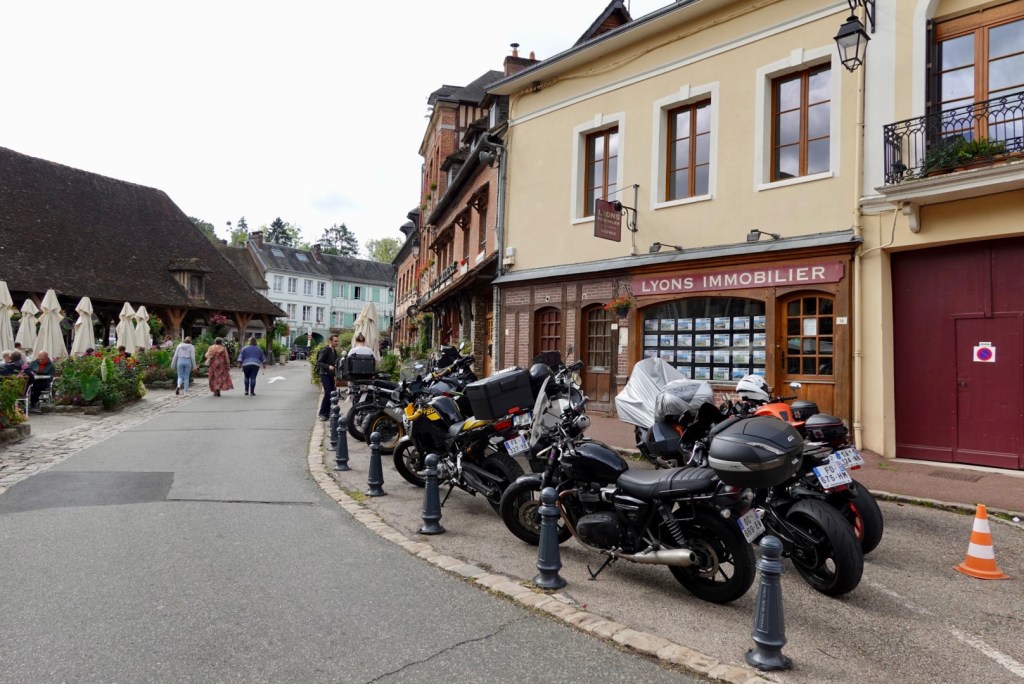
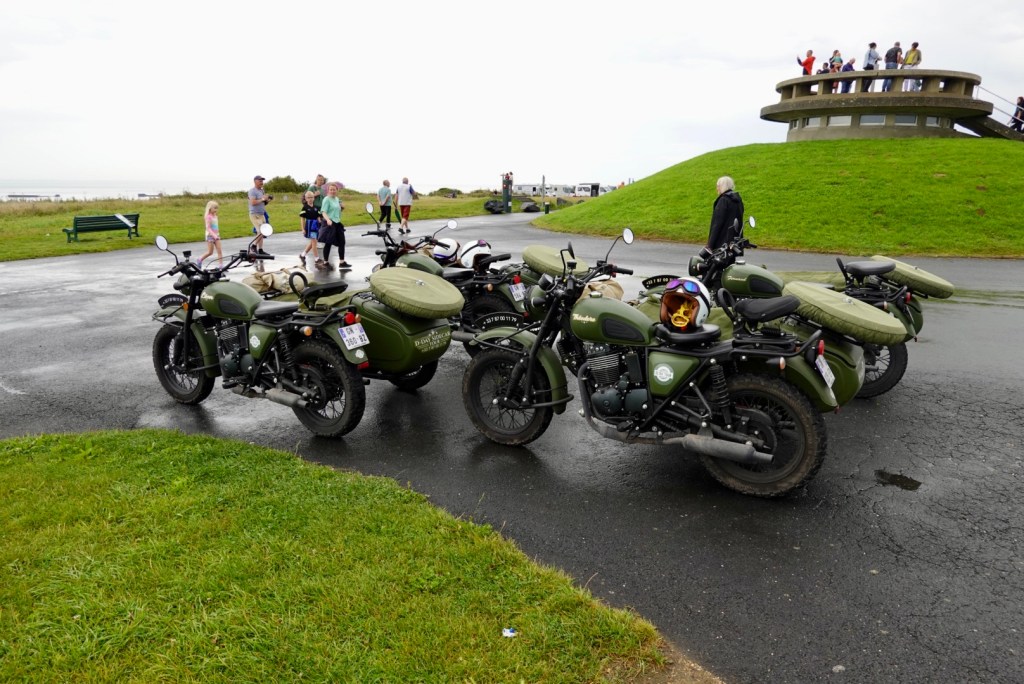
Today the town was super busy with motor bike riders stopping by.

A small collection, many more around the bend.

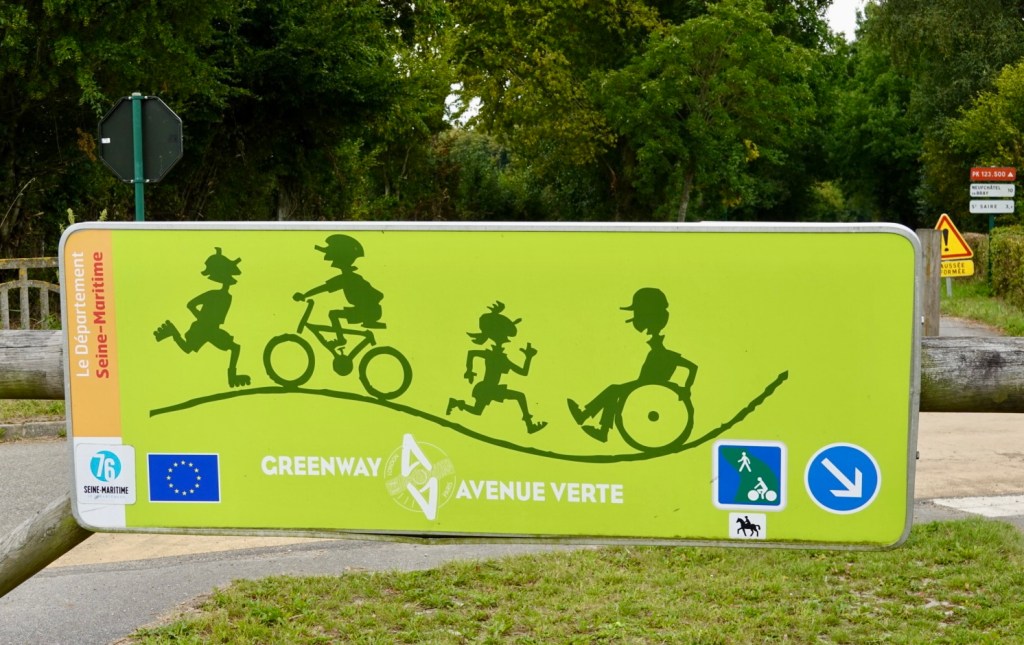
The last section of ride today was along Avenue Verte, a 40 km shared pathway between Dieppe and Forges-Les-Eaux, where we hopped onto it.

Ultimately it will go all the way to Paris, almost entirely on traffic free routes. It is a joint Anglo-French initiative with England having mu,tip,e sections.

We rode the French length in 2016 en route London to Venice. Tomorrow we will complete the reverse route as we head to Dieppe, our final port of call in France this trip.

Neufchatel-en-Bray is our overnight stay. A bit of a nondescript town, but a handy transit point. We are starving and restaurants do not open until 7 pm.

I’m being a bit tough on the town I guess. It is famous for the cheese of the same name. It was heavily bombarded during WWII and has since been rebuilt, hence the lack of character compared to other villages and towns in the region.

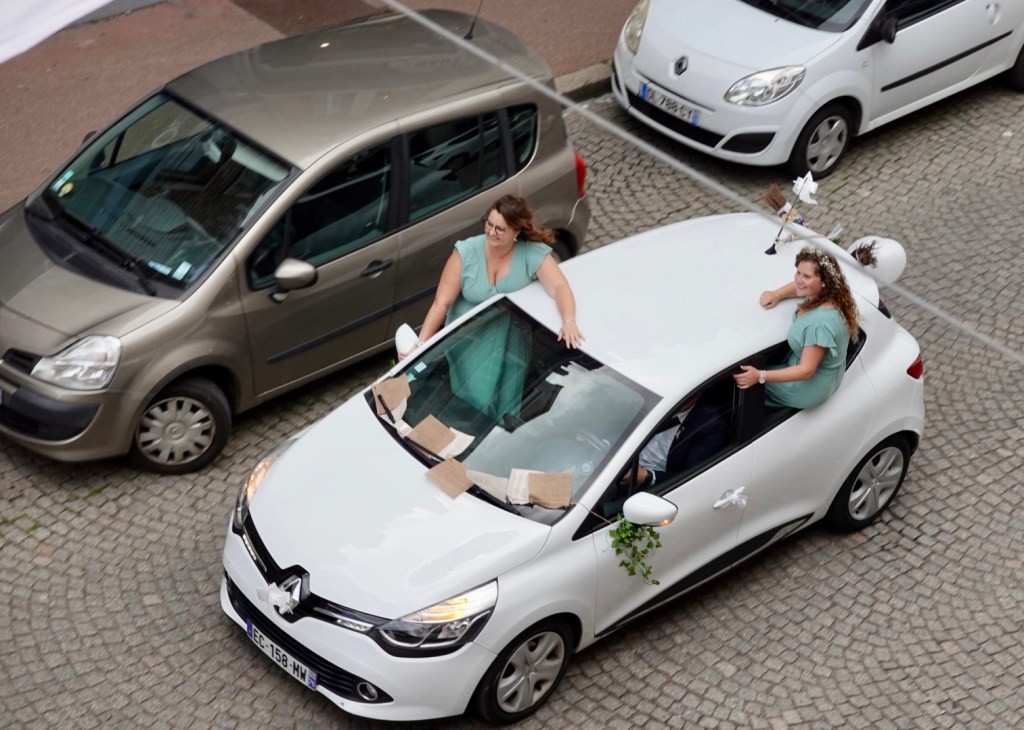
A wedding was held this afternoon. The church bells tolled and then the bridal party and guests came down the street tooting their horns. Looking out the window, the bridesmaids hang out of the car, literally!!

They came through town twice! My ‘that is not safe’ hat was well and truly on, being the total party pooper I am!

Well we have had dinner now, next door at a small Italian restaurant.

We will be up early tomorrow, so early that staff will not be here to set up for breakfast. The owner has shown me where the master keys are, and which one will open the garage. That trust is super.

Thanks for reading. Off to bed I go.

😊❣️
Day 24: Honfleur to Rouen

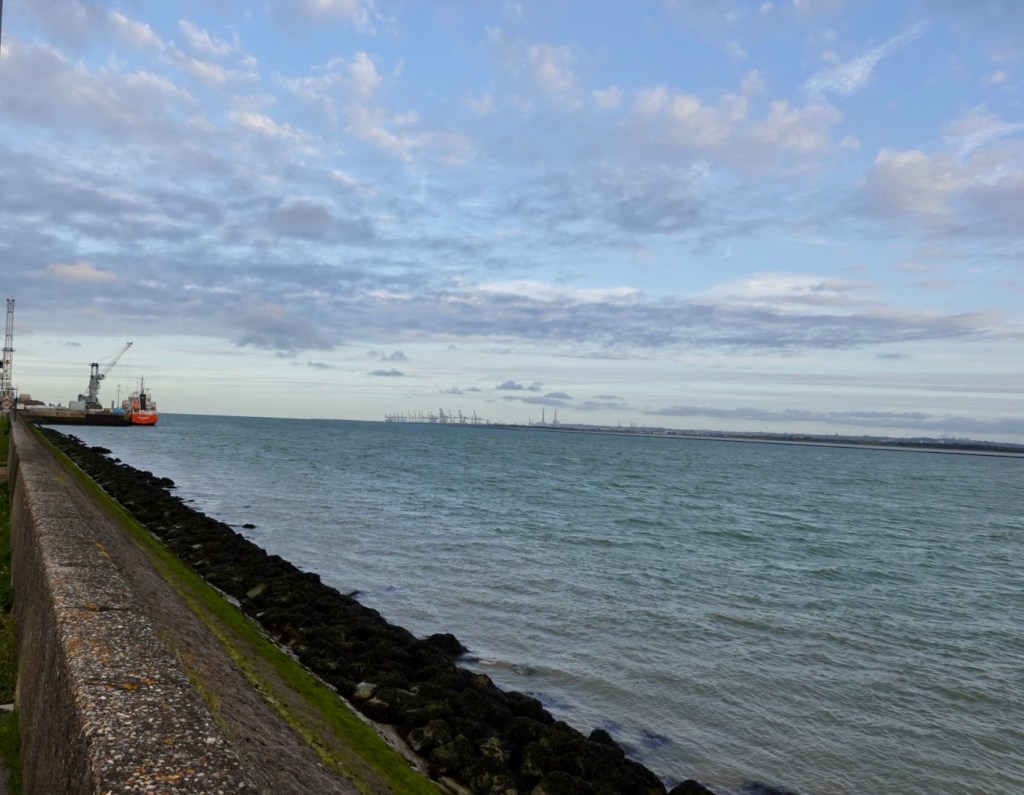
Leaving Honfleur we followed the mouth of the Seine along the Reserve naturelle de l’estuaire de la Seine.

You can see the English Channel in the background as well as the port of Le Havre, the second largest port in France, situated on 10,000 hectares of land.

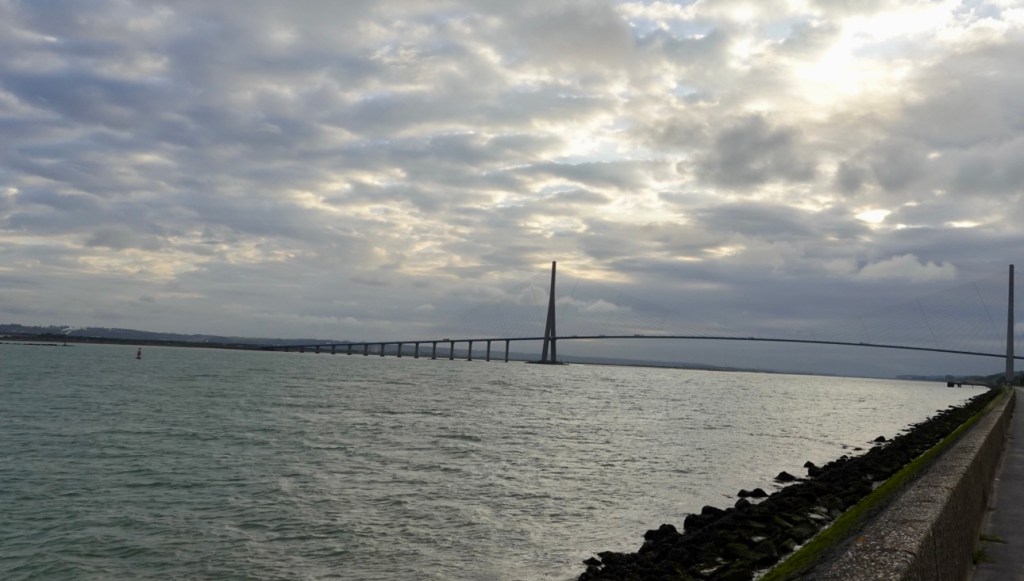
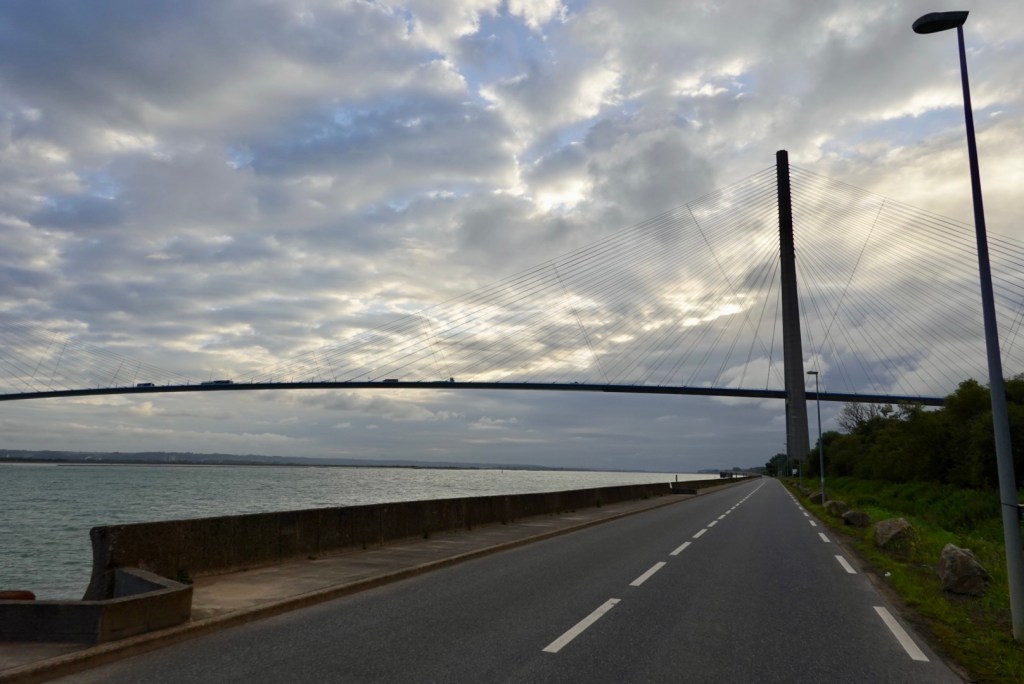
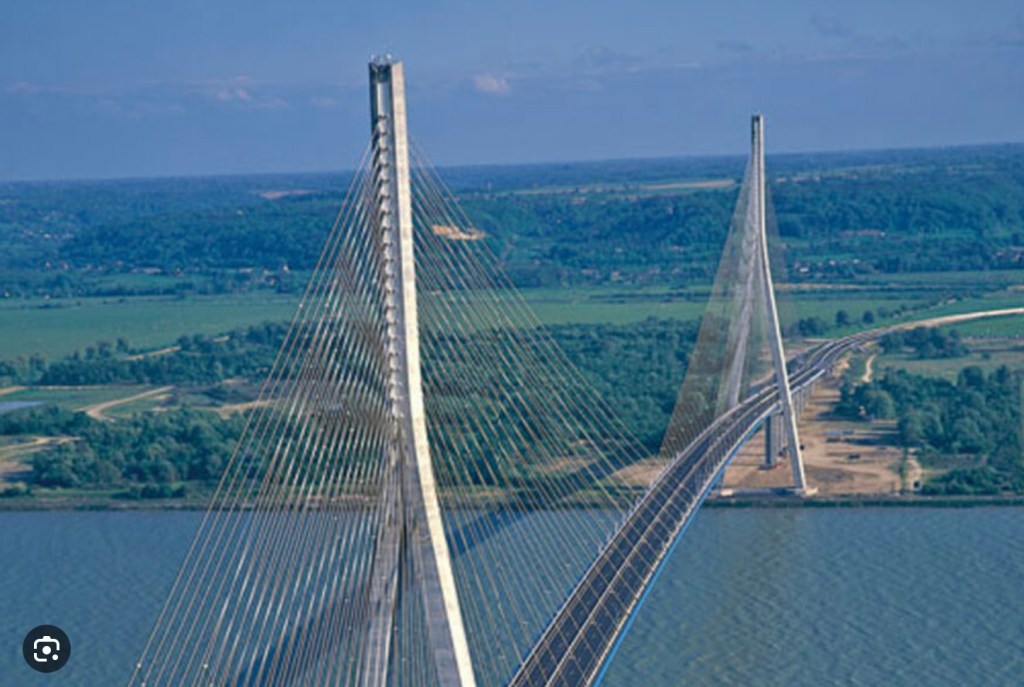
Spanning the mouth of the River Seine estuary, the Pont de Normandie bridge is a prominent landmark. At the time of construction, it was the longest cable stayed bridge in the world. It remains the longest in France still.

You cannot see the cable stays given the light as we rode this morning.

A little closer
Stolen aerial shot

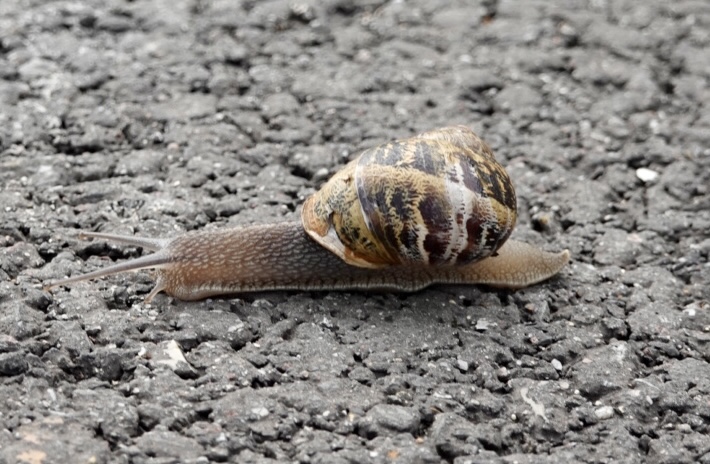
A French snail slimed it’s way across the road. Closer examination, looks the same as Australian snails we thought. 😊

A French snail

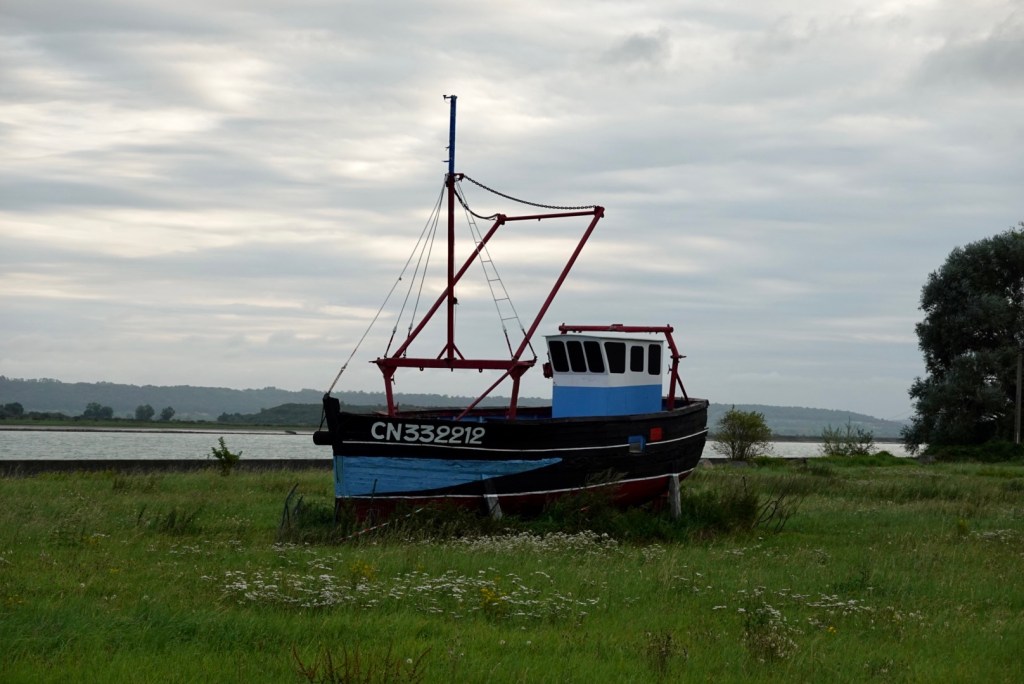
We followed the river for around 10 km before heading inland. This boat rested on grass as we turned right.

There was a section of muddy sludge that went for about a km. When you walk your bike it feels a lot further 🤣😳

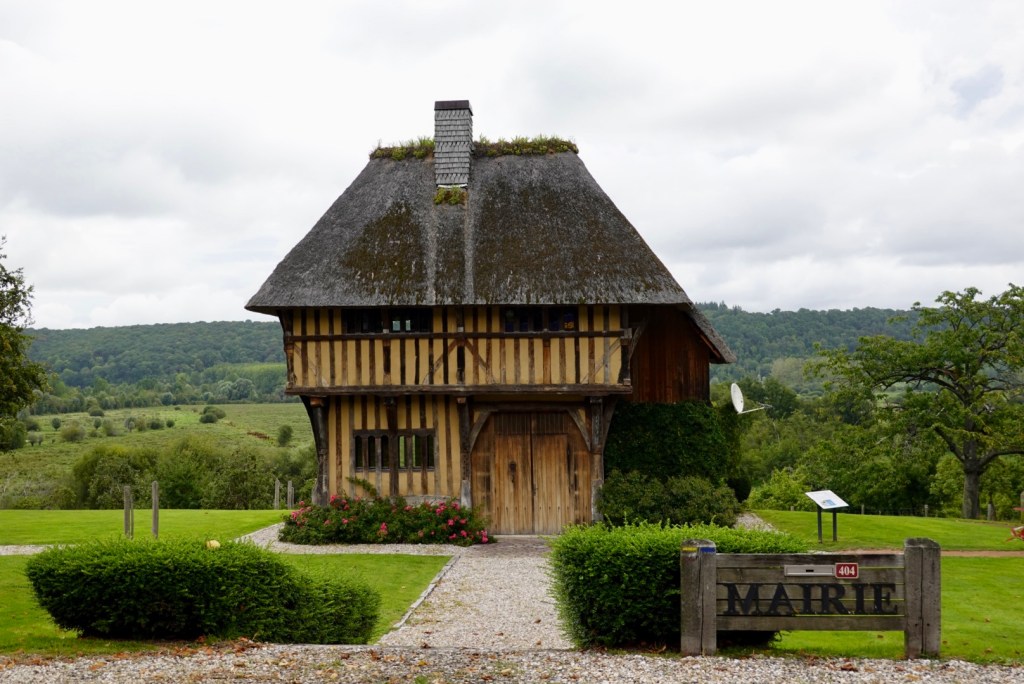
Back on the sealed surface was this lovely Mairie (town hall). There are around 36,000 Mairie’s in France. In larger towns they are called Hotel de Ville.

Very annoyingly Tony’s rear wheel broke a second spoke. He was super pissed off.

To have this happen in the middle of nowhere is concerning. I took extra weight onto my bike and we soldiered in to the next major town some 16 km away, Pont Audemer.

When you tour you need reliability.

Pont Audemer narrowly missed being razed to the ground during World War 2. Bombers had been sent to bomb the town but thick fog prevented them from flying in formation, and instead the bombs were dropped randomly, and the historic centre escaped the raid.

The old town is dissected with branches of the Risle River and several canals. It is referred to as “Normandy Venice”. However we did not get to explore this as planned.

We needed a bike shop. We stood in the Main Street. We had no wifi left to search for bike shops. I walked down the Main Street looking for inspiration and found none.

I turned left looking for Tourist Information and saw a supermarket. Then I saw him! A cyclist moving at the rate of knots up the street, over the curve, heading to the supermarket.

I called out to him as he locked his bike to railings. He spoke little English but between my little French and his English we got there.

He purchased his bananas and came back with me to our bikes, then we followed him for maybe 2 km, weaving around streets and ending up on the edge of town at a Giant bike shop, and it was a huge shop!

Huge thanks to Marc for taking the time to take us to this great bike shop 😊

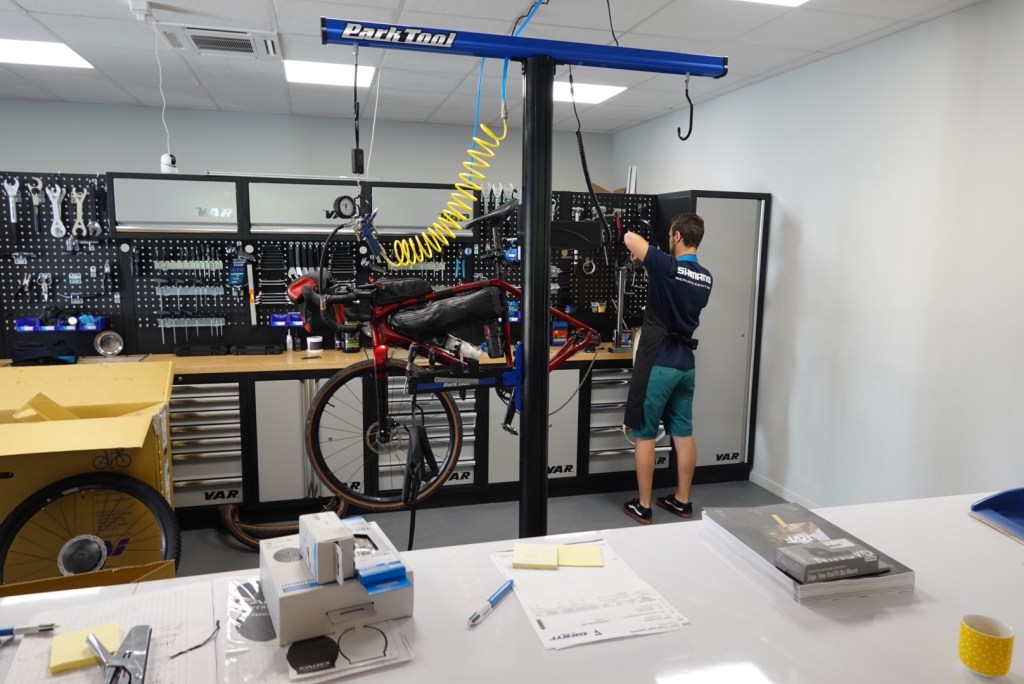
Inside we met Pauline and Martin, who were brilliant. Pauline made us coffee and Martin fixed the wheel.

In their opinion, the wheel is defective and we need to go back to the vendor, which we have since done, but not yet received a response so unsure of what they are prepared to do on our return.

The wheels are rated for touring with a far greater weight load than we are carrying.

Martin and Pauline, Giant Pont Audemer. Brilliant service with a smile (and coffee). 😊

Back on the road we made away towards Rouen. We were thankful that this annoying issue happened on a technically easier day (92 km and less climbing day) but have concerns moving forward and just hope this wheel lasts until we finish.

Little villages, farms, forests, animals marked our route,

We descended back down to the Seine. The foreshore homes here were flash.

Unoccupied it seems but typical of the area. 5 storey home.

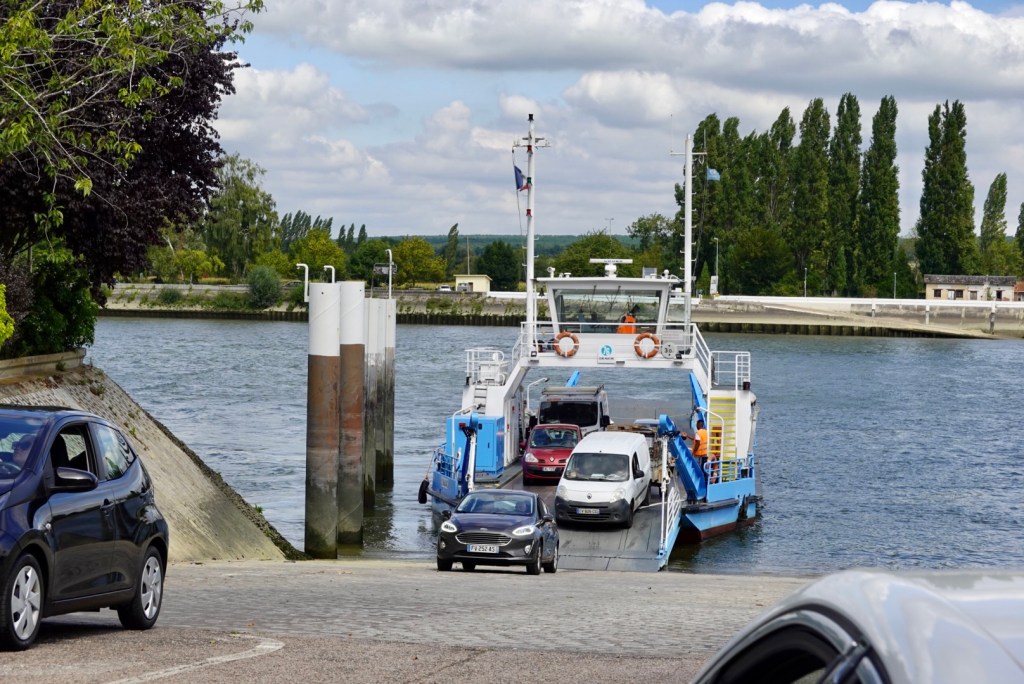
We needed to cross the river before Rouen and it is fine via this free ferry service.

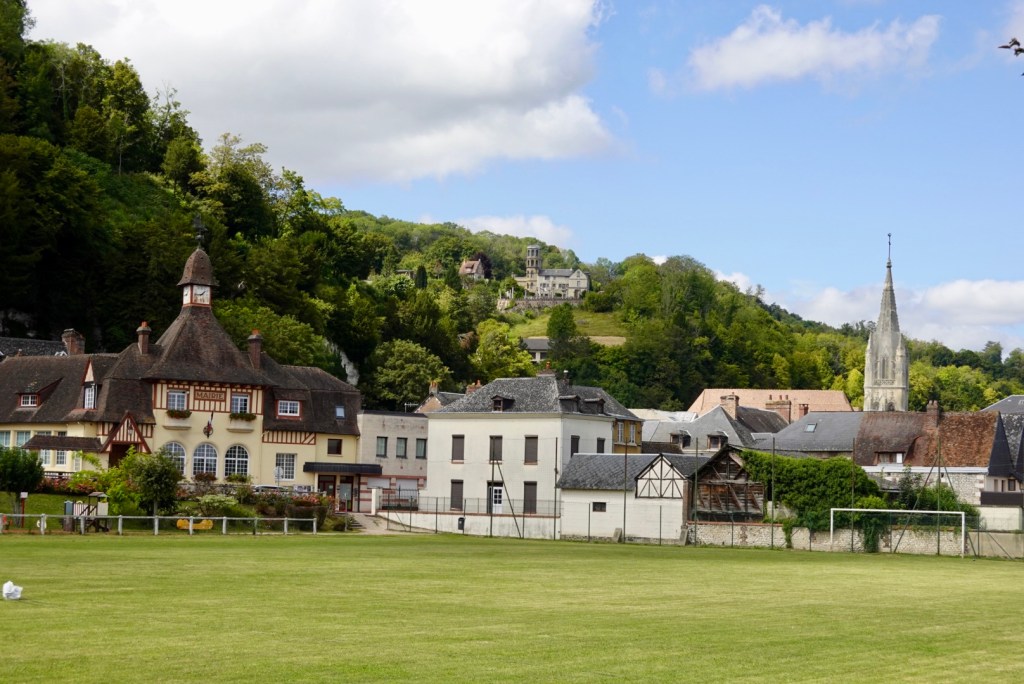
Looking at the local village whilst waiting for the ferry
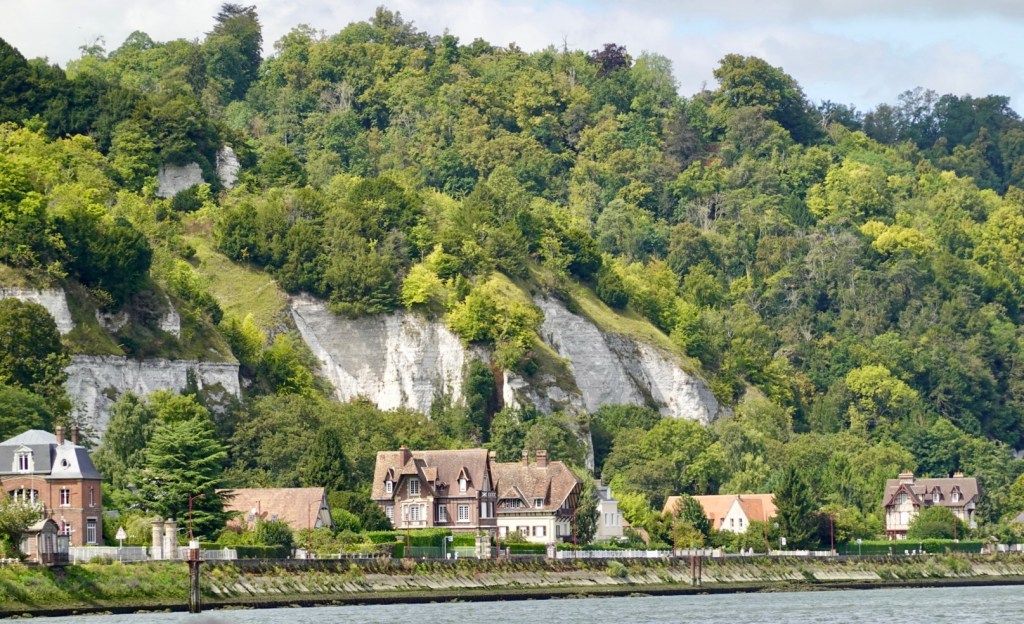
On the ferry looking up the river at homes and the white cliffs.

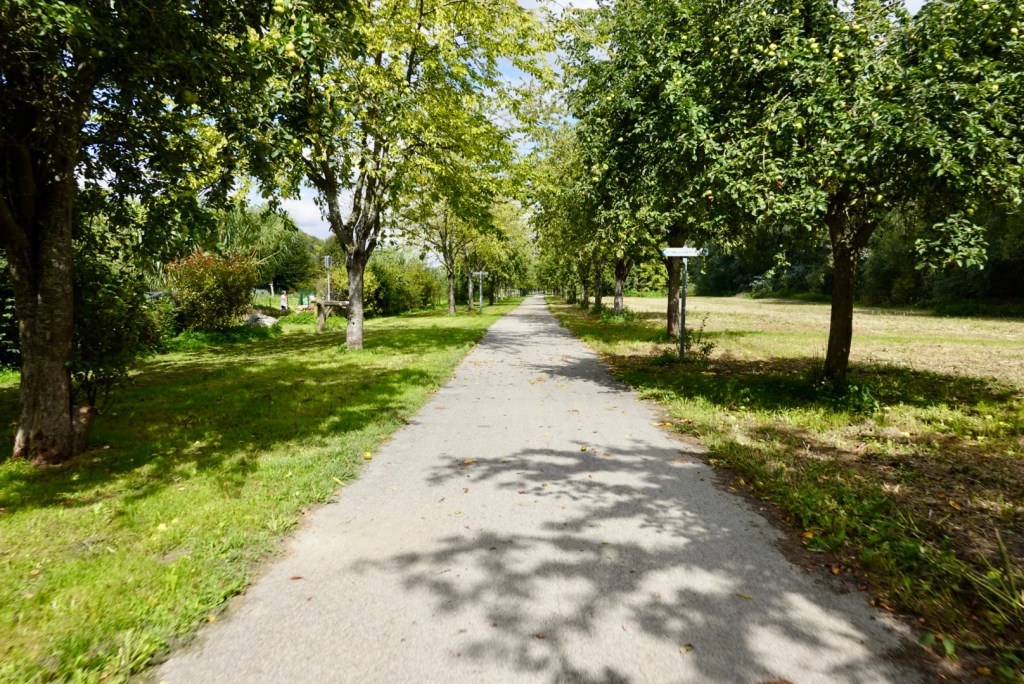
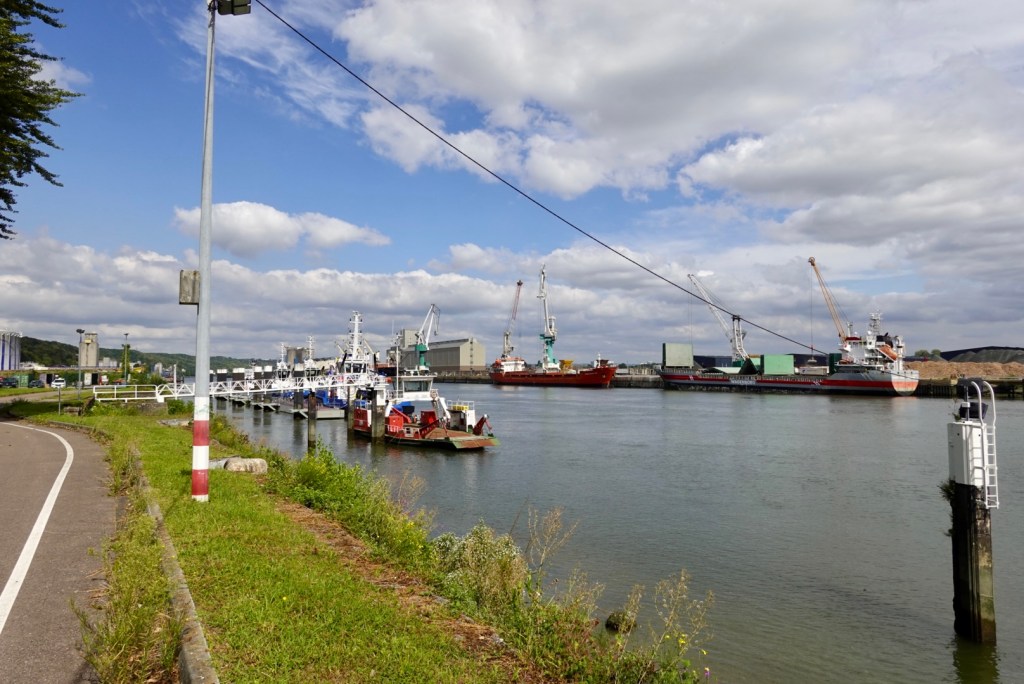
Once on the ferry we followed an excellent shared pathway. The closer we got to Rouen the port and industrial structures increased.

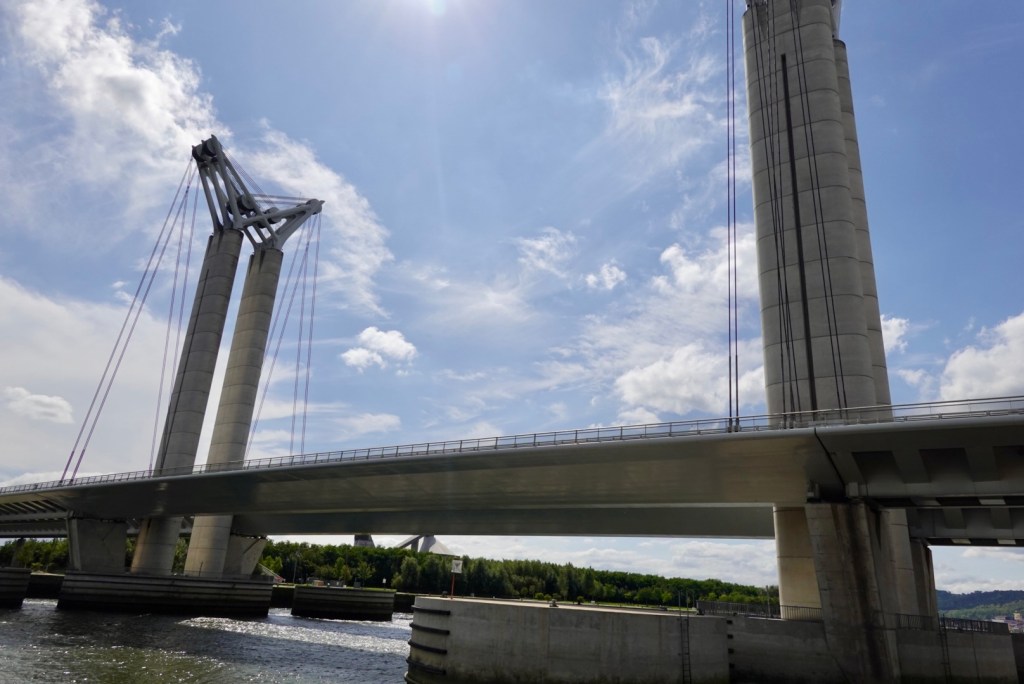
In Rouen we passed under this interesting bridge. The centre panel can be lifted by the hoists.

Getting closer now riding on a wide boulevard

Our accomodation is in the street adjacent to the amazing cathedral. We pushed the bikes past, and would be back visiting soon enough.

Checked in, stored the bikes, showered, laundered clothes and off we went to walk around the historical heart.

Rouen is the ancient Normandy capital and was founded at the lowest point where the Seine could be bridged.

The town is classified as a City of Art and History and has more than 200 protected sites. Unfortunately a great deal of Rouen was badly damaged during World War 2, but extensive reconstruction has taken place to rebuild the mediebal old town.

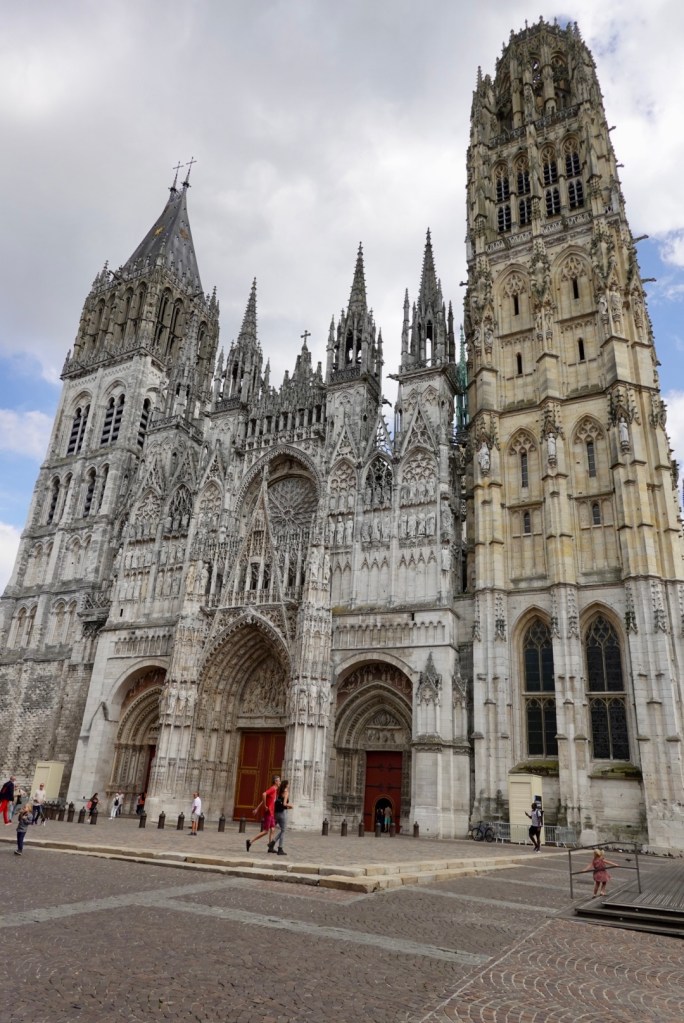
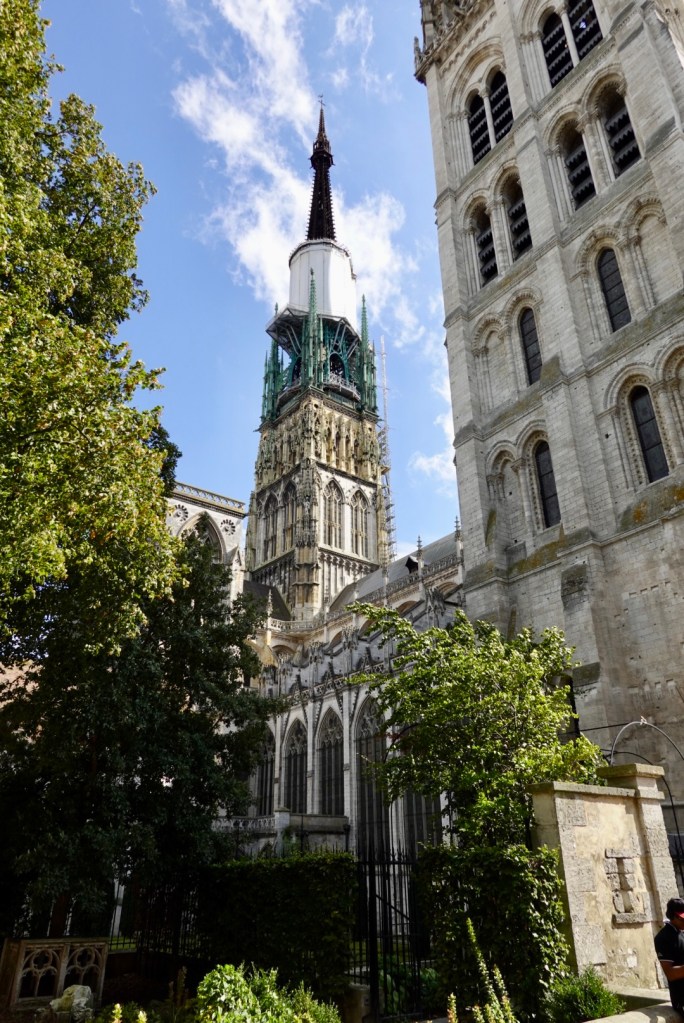
The cathedral is impressive, and was painted by Monet on numerous occasions. Today’s cathedral is the third in the same location. It was constructed between the 12th and 16th centuries. Nothing of the first exists, and the crypt remains from the second. Close to collapse after World War 2, it has undergone major renovations.

The cathedral spire is 151 metres high and was a world record until 1880.

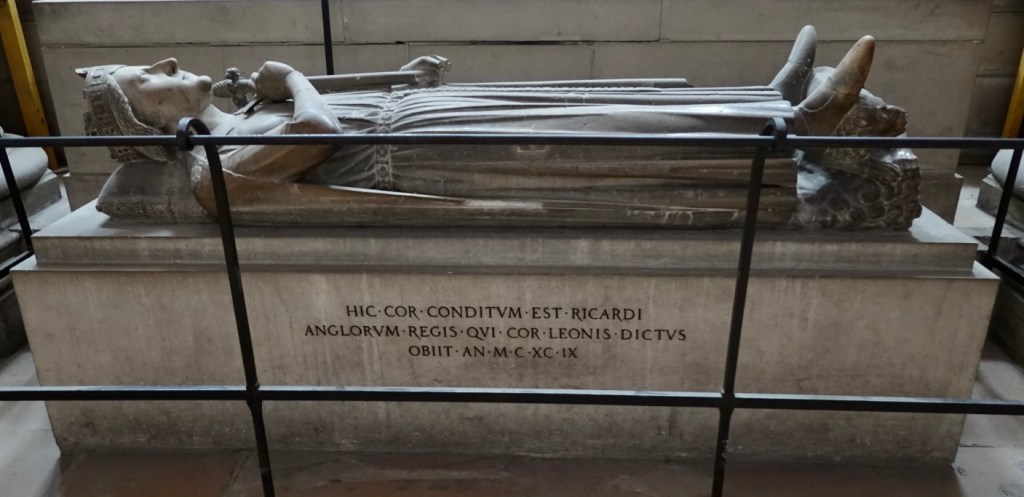
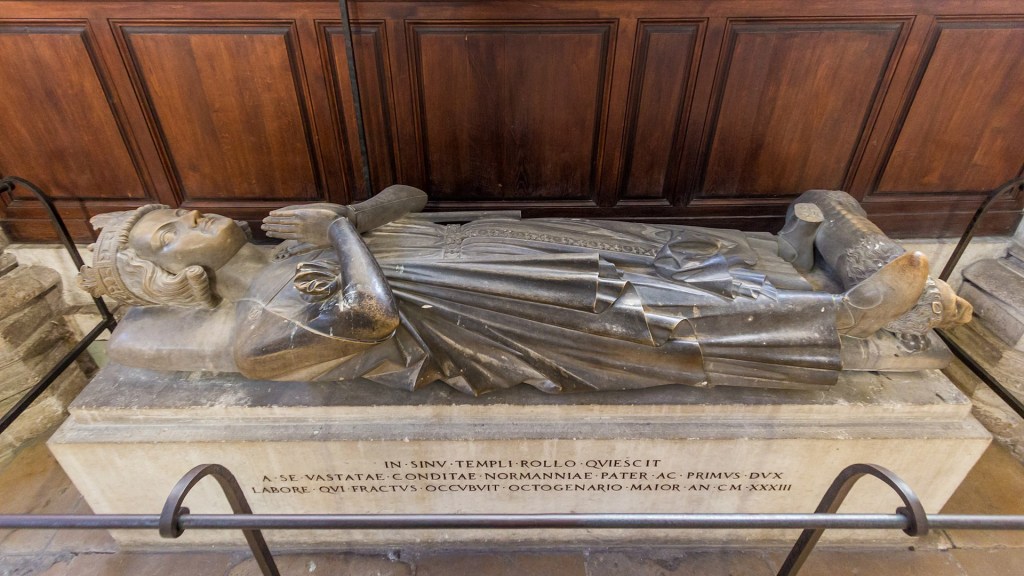
Inside the cathedral there is an effigy of Richard the Lionheart, that is of particular interest to me – he is the son of ‘my’ Eleanor of Aquitaine.

Richard was a Duke of Normandy and became King Richard II of England. When he died (in France), his heart was removed and buried in this cathedral.

We visited his burial site ( of his body) at Fontvraud last year. Only have his entrails left to visit!

Rollo, the Viking founder of Normandy from the 9th century is also buried here.

Side door to the cathedral
Cathedral spire being renovated
A section of the vaulted ceiling. Amazes me how they constructed these ceilings and arches so many centuries ago.

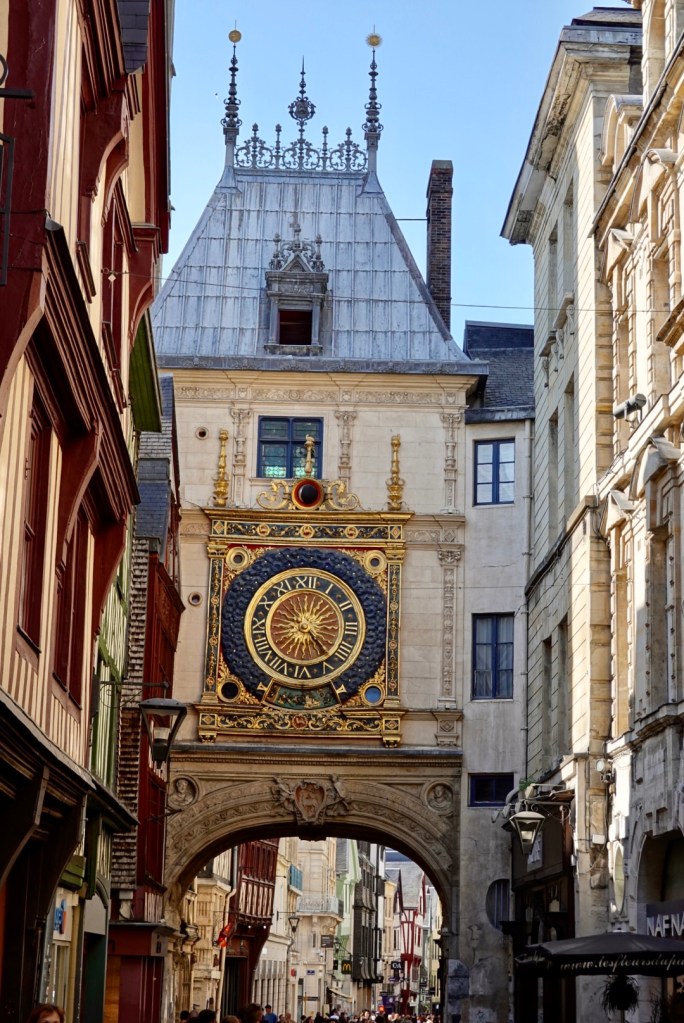
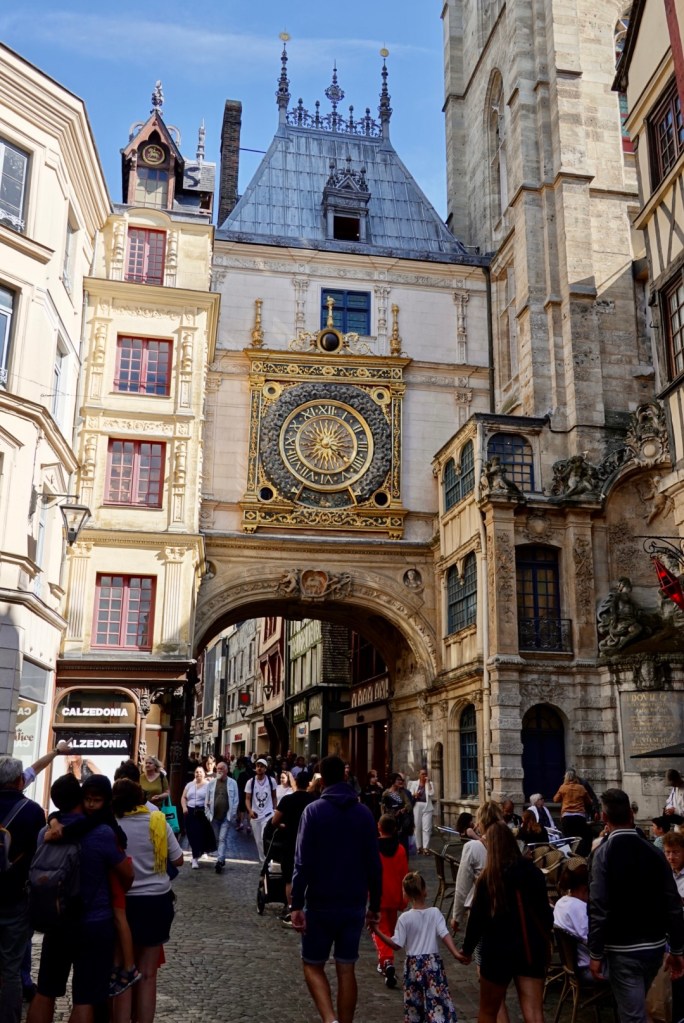
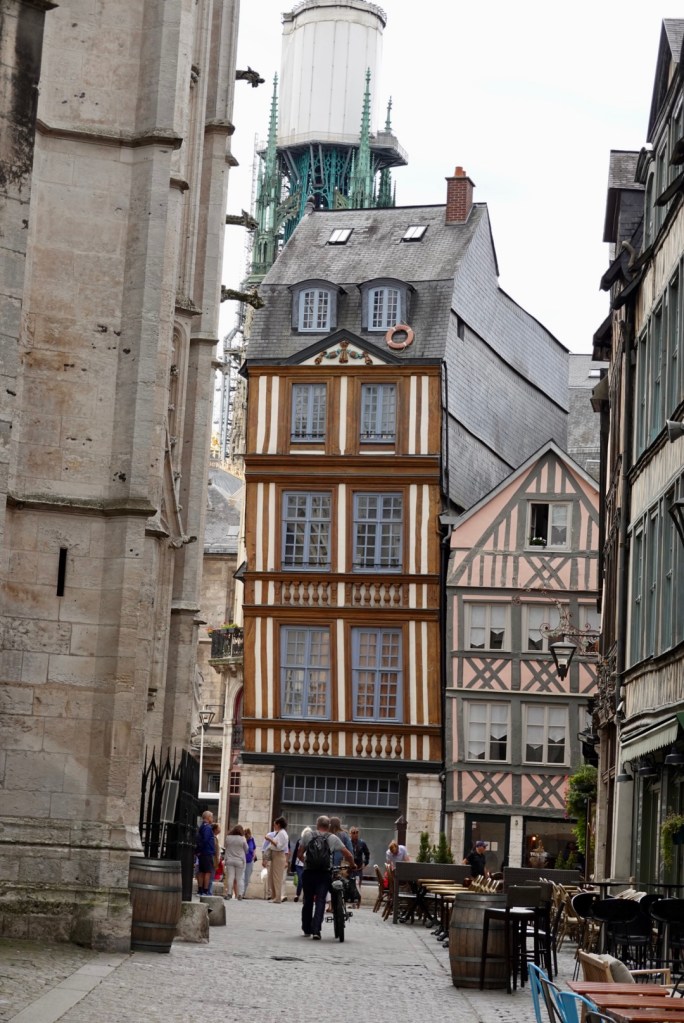
We kept walking through the old streets, under the old clock known as Gros Horloge. It was constructed in the 14 th century and installed in a renaissance arch. The mechanism is the oldest in France made in 1389.

Viewing the clock after walking under the arch.

We were heading to a other super important historical site, but passed other curios on the way.

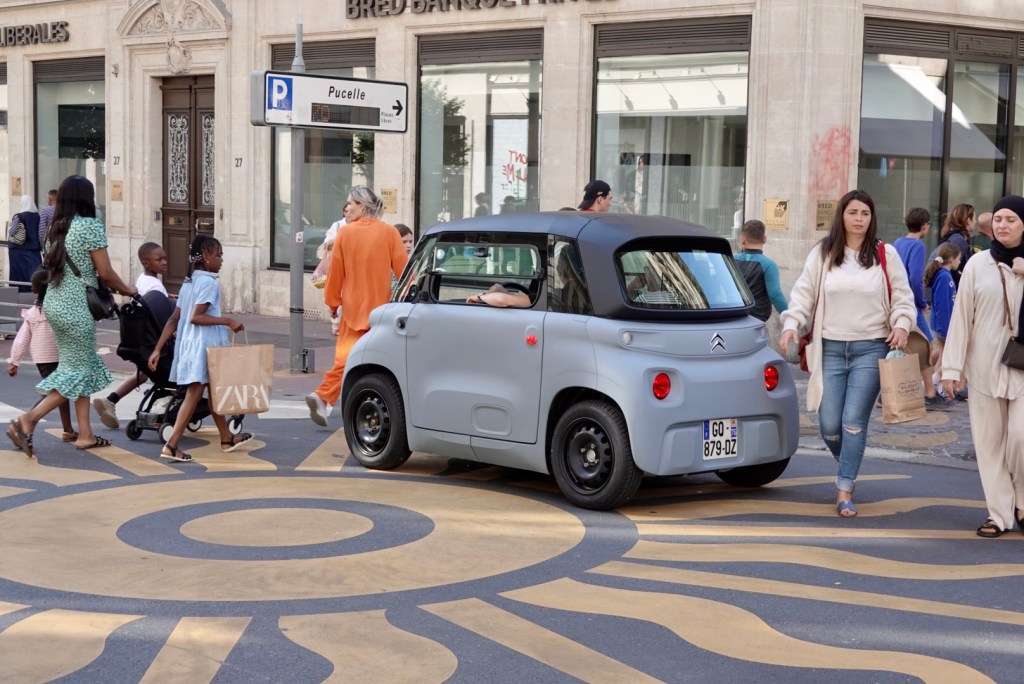
This car is not moving whilst people walk around it at an intersection. Be great to park.
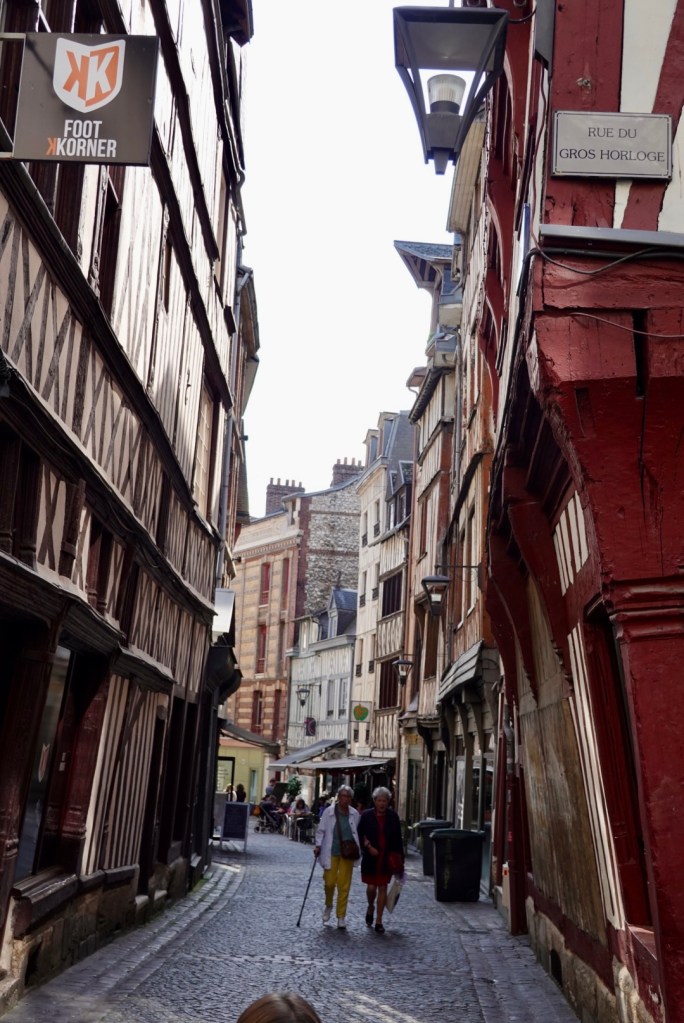
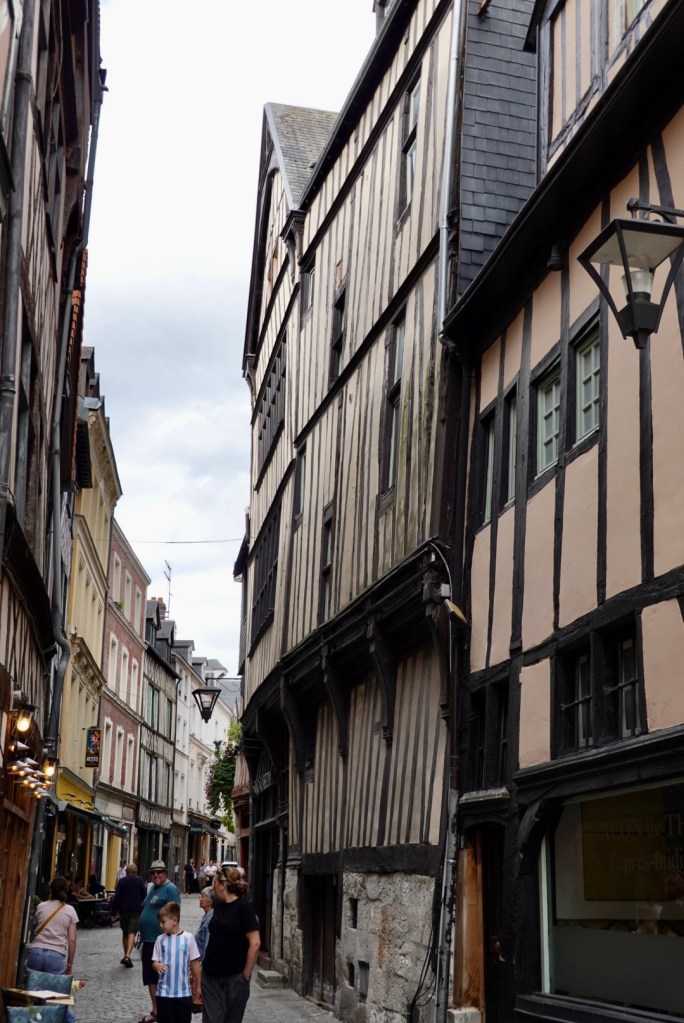
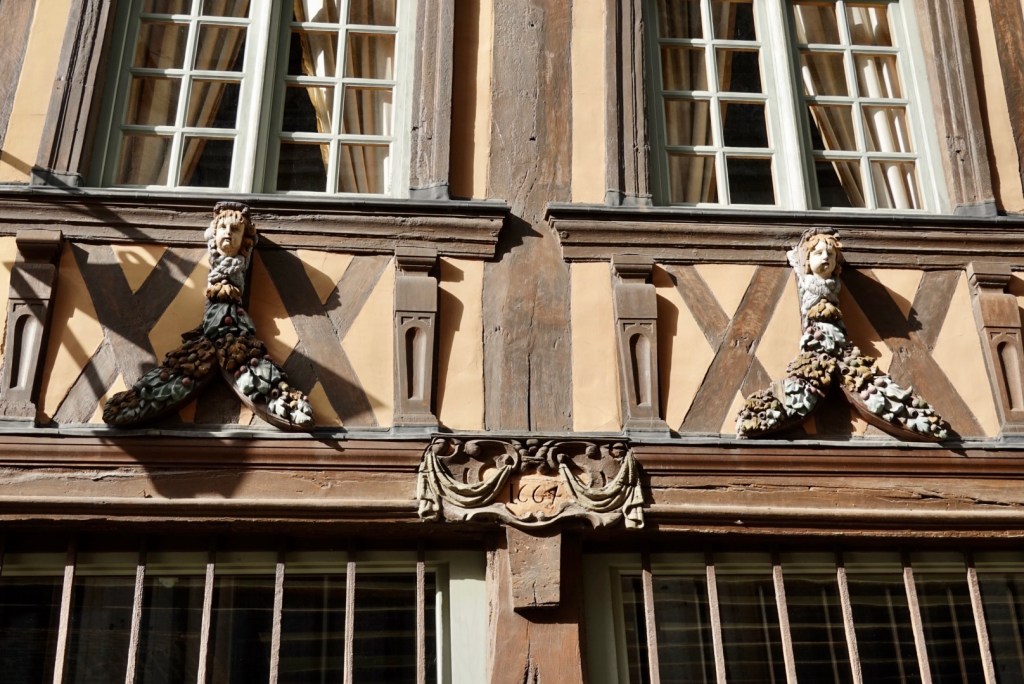
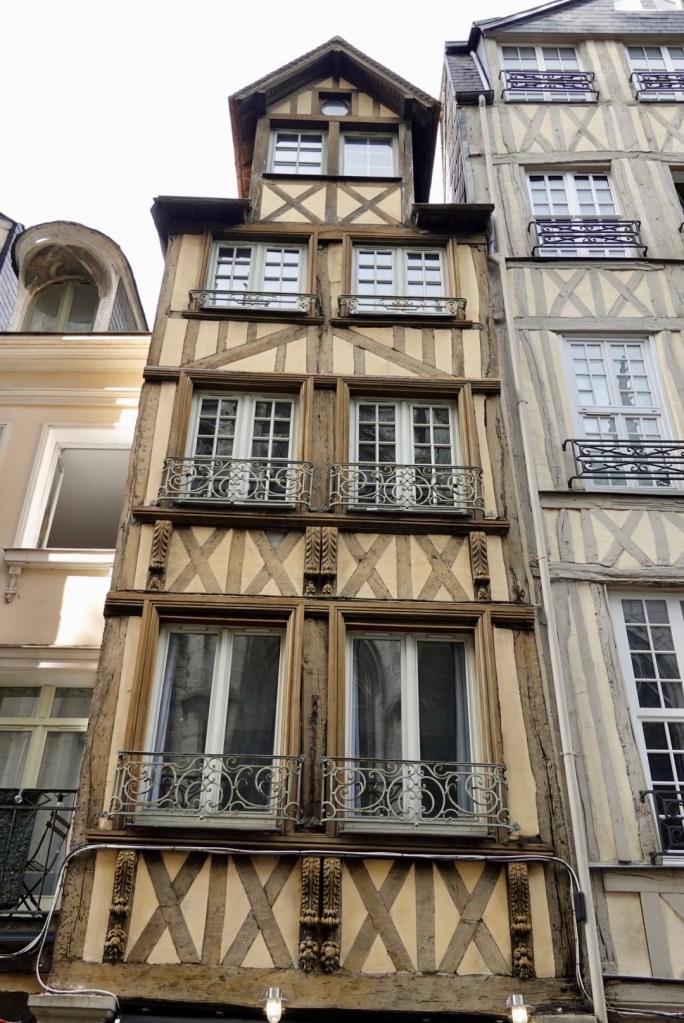
Arrow ancient laneways with timber clad buildings.
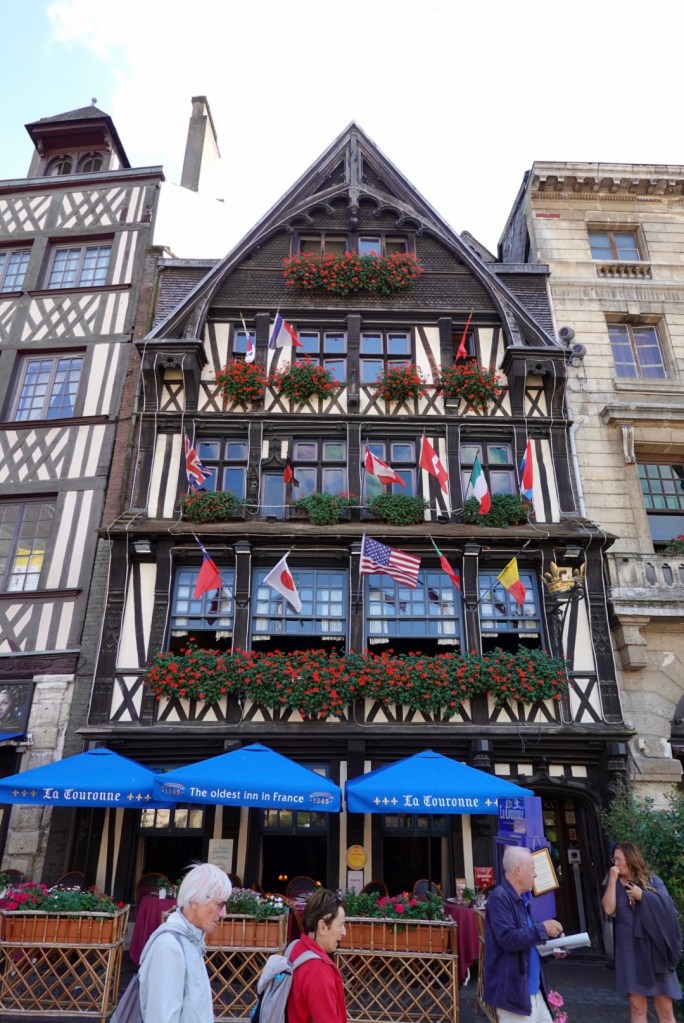
The oldest inn in France per the umbrella.

La Couronne’s history goes back to 1345 when first established as an Inn, making it the oldest continuously operating French auberge, and one of the oldest in France.

It is located in the Place Du Vieux Marche, a very famous square.

A few doors up is this curious building also operating as a restaurant.

The reason this square is famous is due to Joan of Arc.

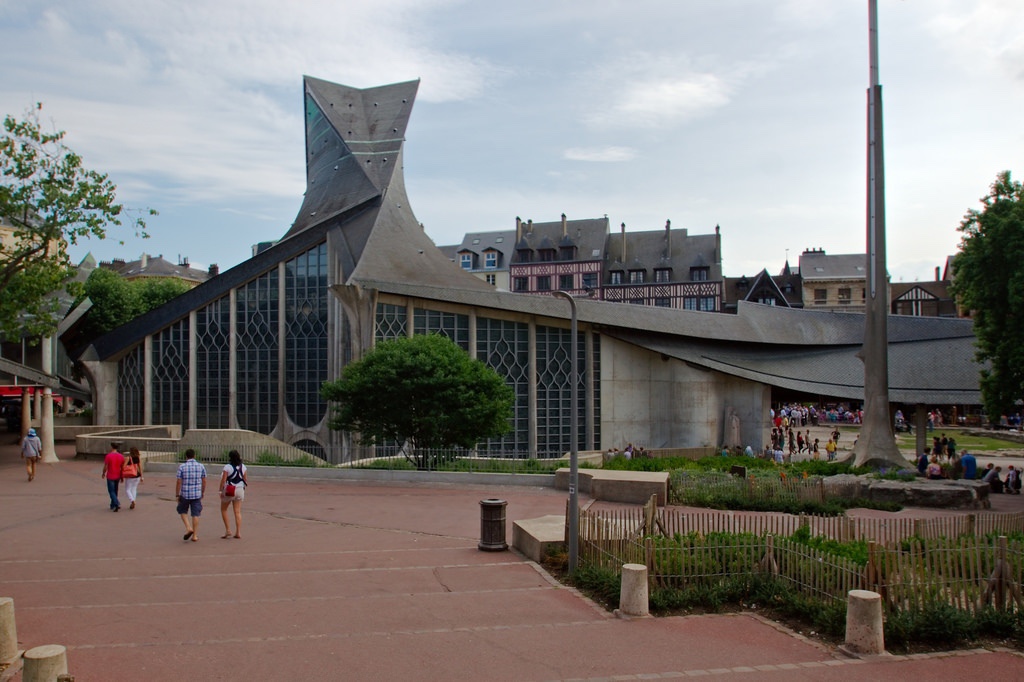
This is the square where Joan of Arc was burned to death for heresy. The large cross stands on the exact spot. The church adjacent, with its shaped slate tiled roof, represents the flames.

Joan is now the patron saint of France and honoured as a defender of the French nation for her role in the siege of Orleans, supporting the coronation of Charles VII of France during the Hundred Year War. She c,aimed to be acting under divine guidance and visions.

Sadly it did not end well for her. She stood by her convictions and was killed by the English. Some 20 years later she was exonerated. She was only 19 when killed.

The site of Joan of Arc’s burning death
The Joan of Arc church
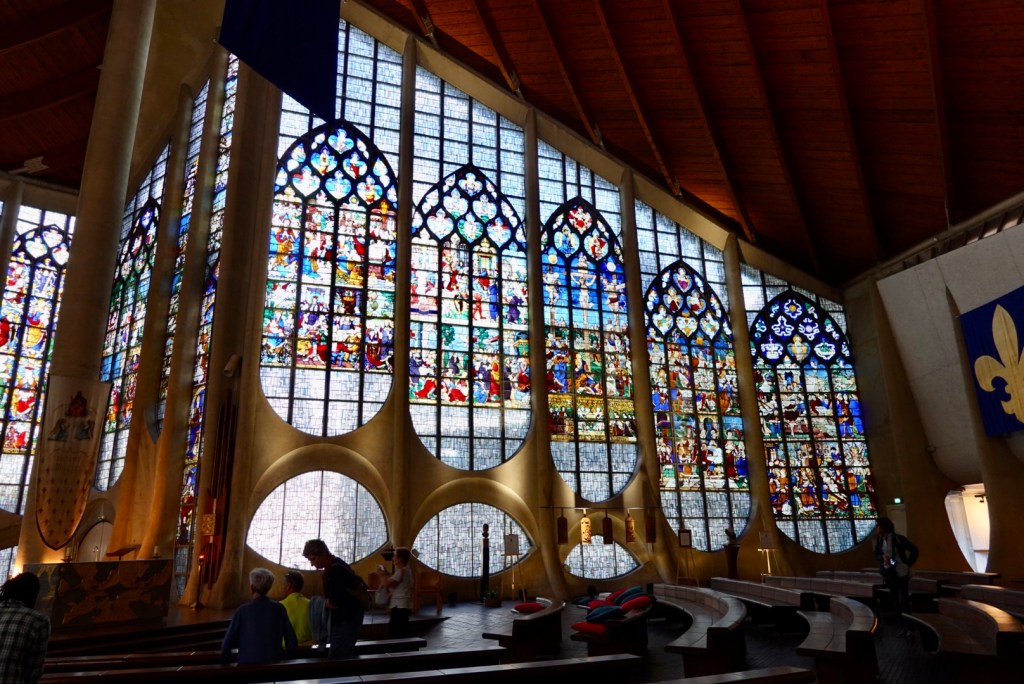
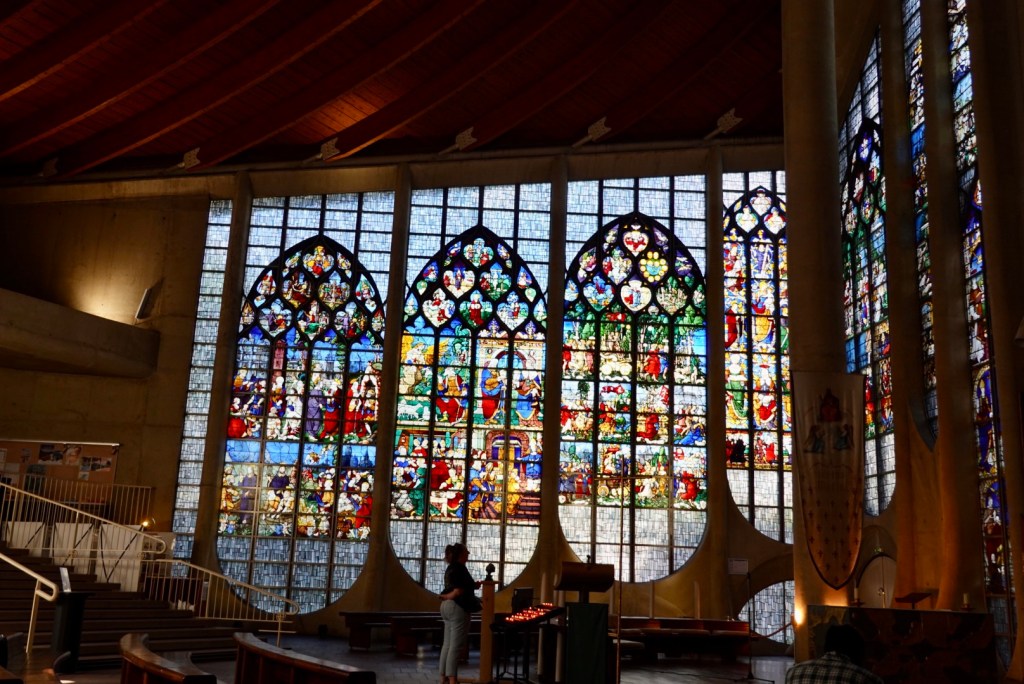
Stained glass from inside Joan’s modern church
More stained glass

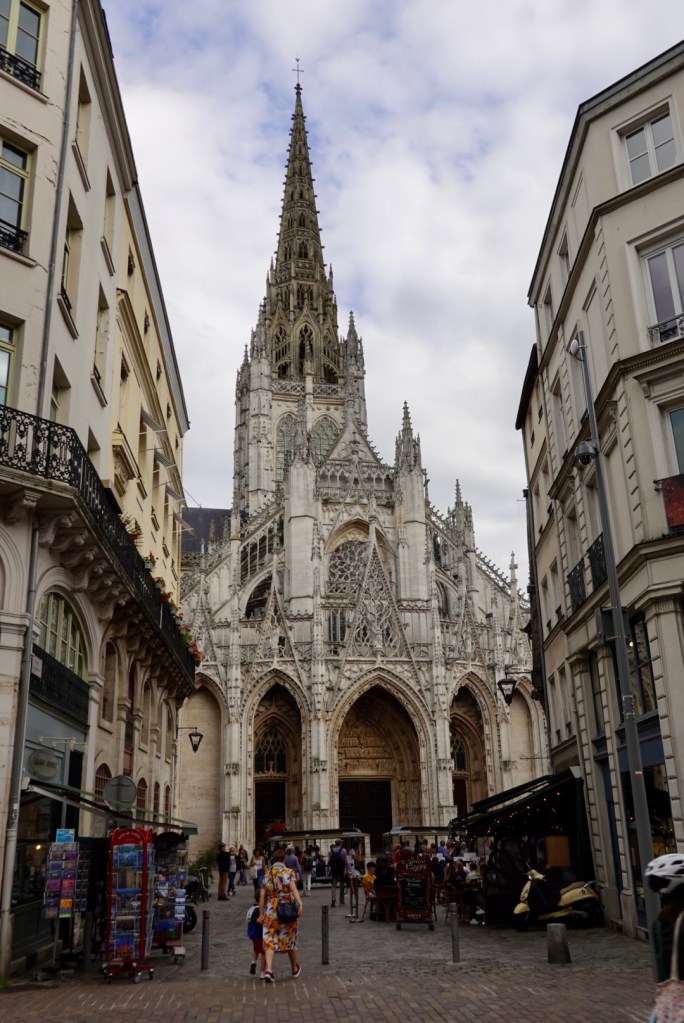
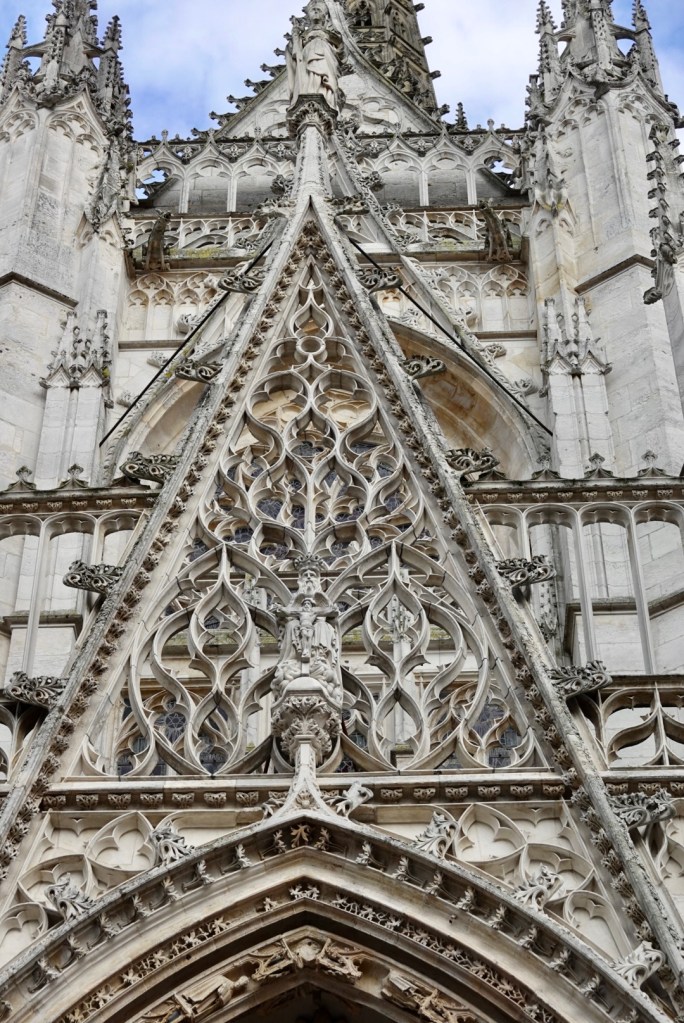
Just 50 metres from our accomodation is this church, Saint Maclou. It is named after Saint Malo and considered one of the finest examples of the flamboyant style of gothic architecture in France. Construction started in 1435.

The church was closed so we in,y viewed from the outside.

It is hard to photograph these churches due to so many buildings nearby. You can’t get far enough back for some shots.

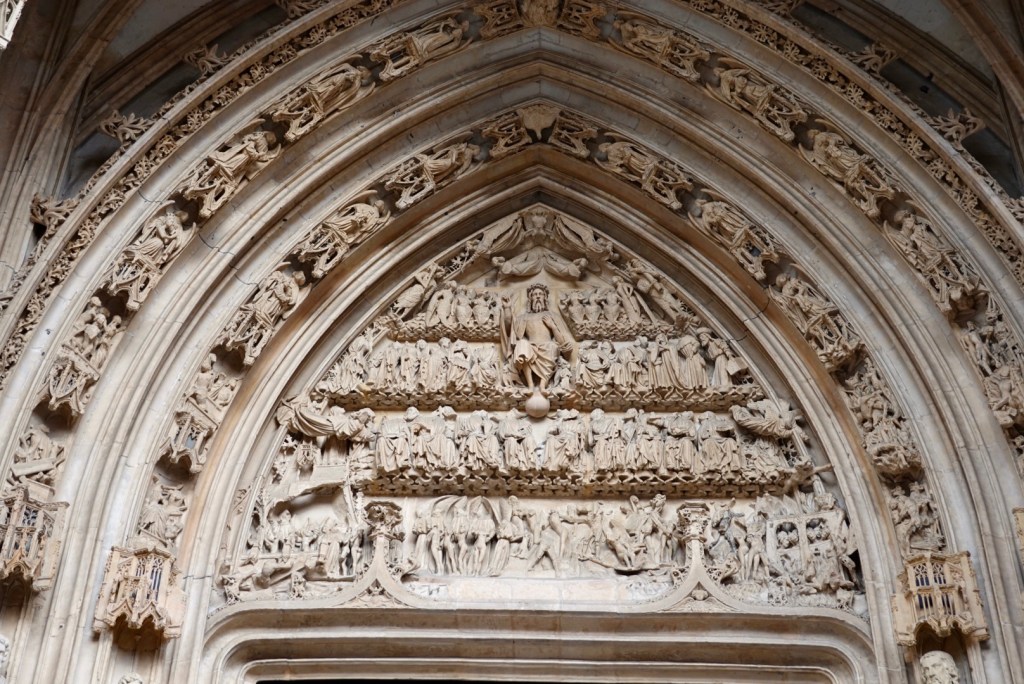
Close up detail of the sculptures
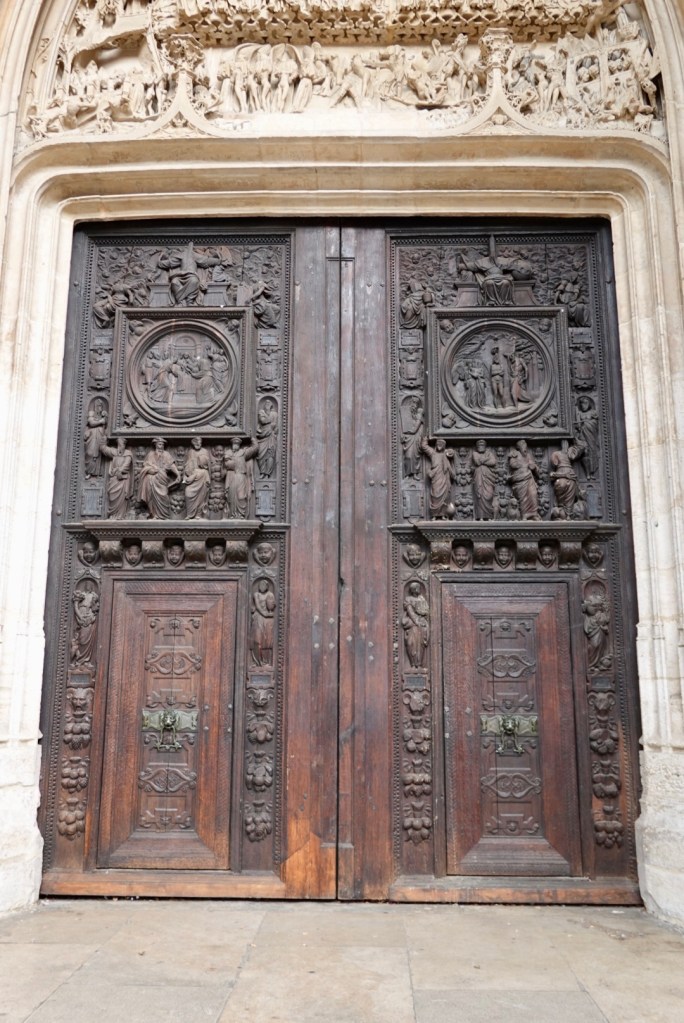
An impressive solid timber door

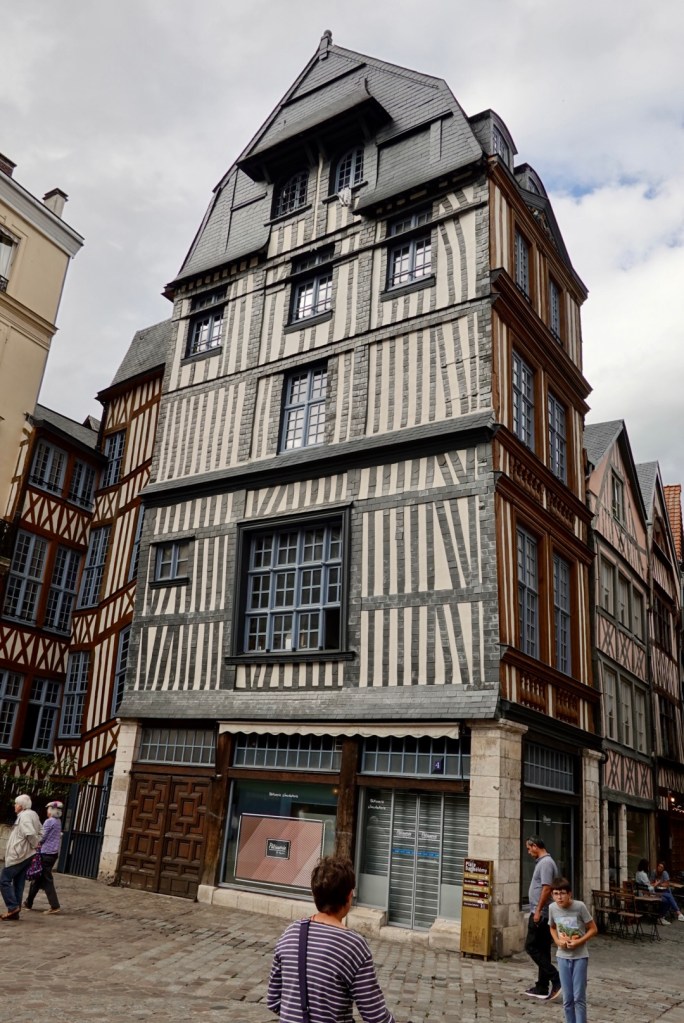
Some of the timbered buildings.

Another day done and dusted. Stressful in part, but thankful to our angels we met in Marc, Martin and Pauline.

Thanks for reading 😊❣️

Day 23: Bayeaux to Honfleur

We awoke to thunder and lightning, and checking the radar it was hanging around for a few hours. We decided to wait it out and leave later.

We had a busy day planned. 106 km or so, plus many things to look at as we were in the region of Normandy where all the D-Day activity took place in World War II, commencing June 6, 1944.

D-Day involved 156,000 troops landing on the Normandy beaches, with another 23,400 airborne troops. It remains the largest seaborne invasion in history and laid the foundations for the Allied victory on the Western front.

To really see, explore, understand and pay respect you would need many days in this area, given the number of sites, artefacts and museums. We got a taster.

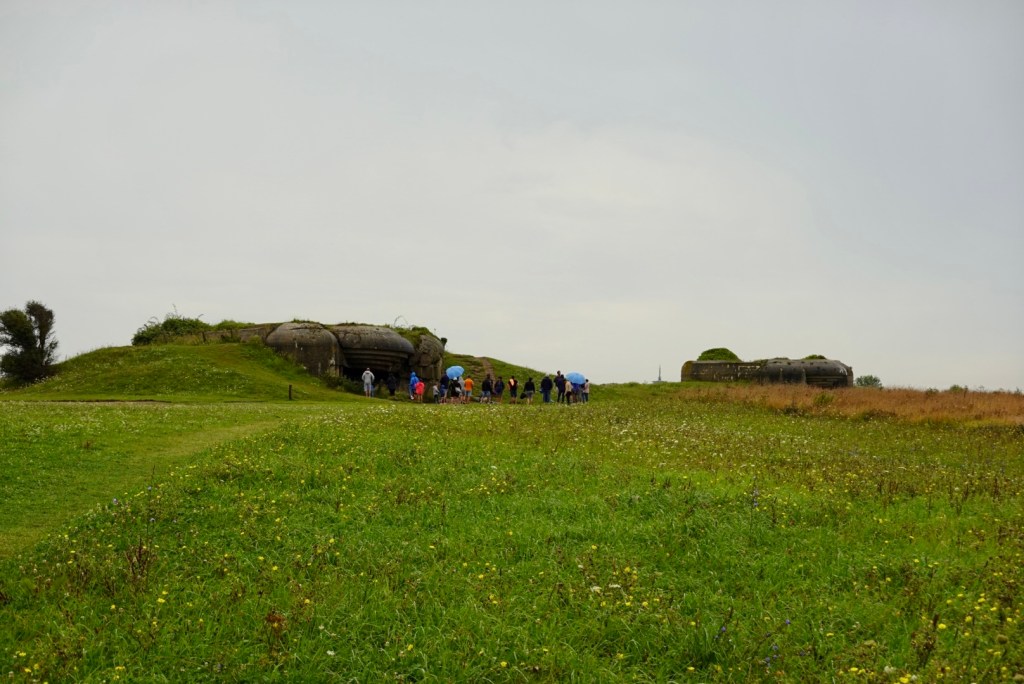
Heading from Bayeux to the coast we arrived at Longues-sur-mer battery, a German defensive position, overlooking Baie-de-Seine.

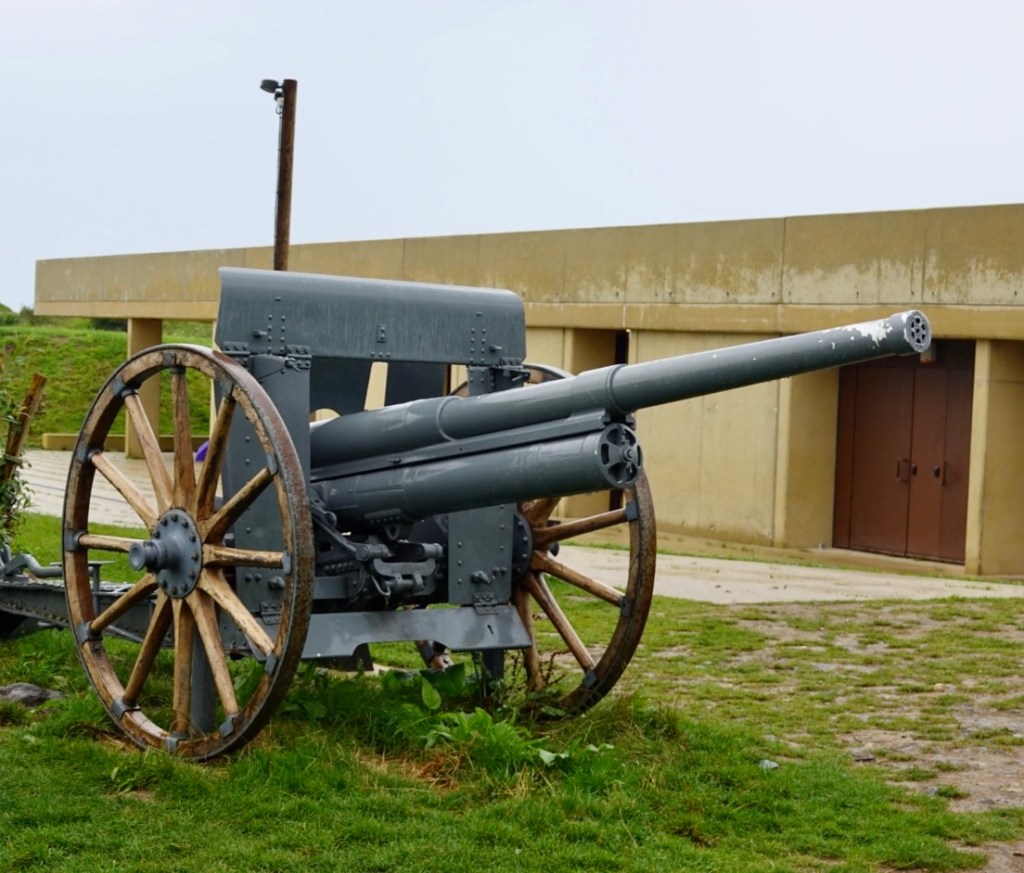
Gun placements

We then headed towards Arromanches on a narrow, deteriorating track, headed inland looking for bitumen, ending upon a better quality gravel path.

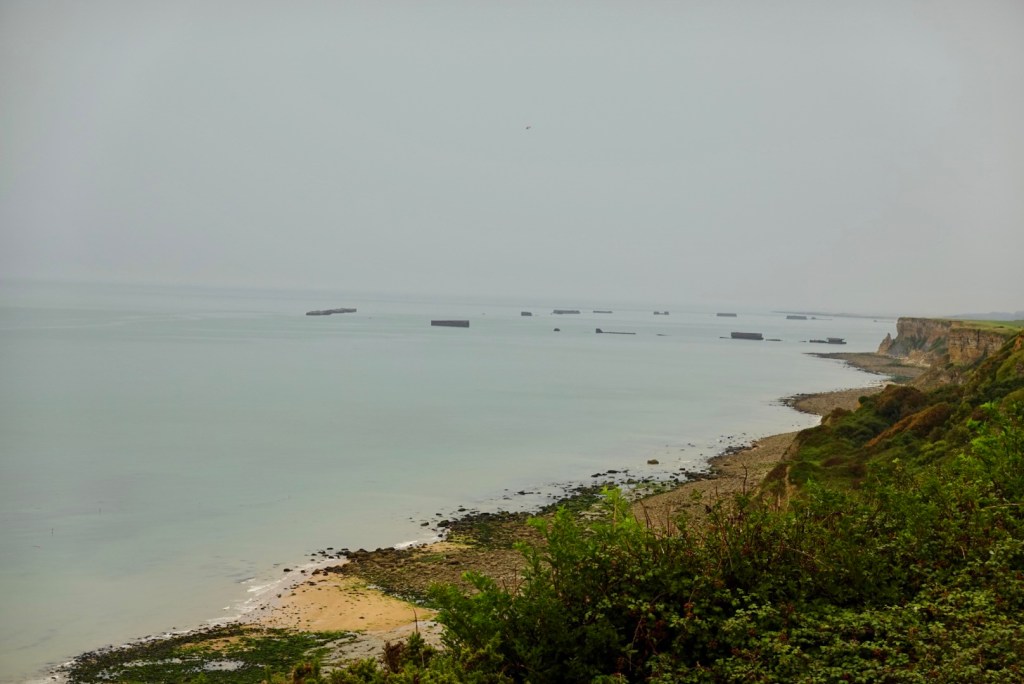
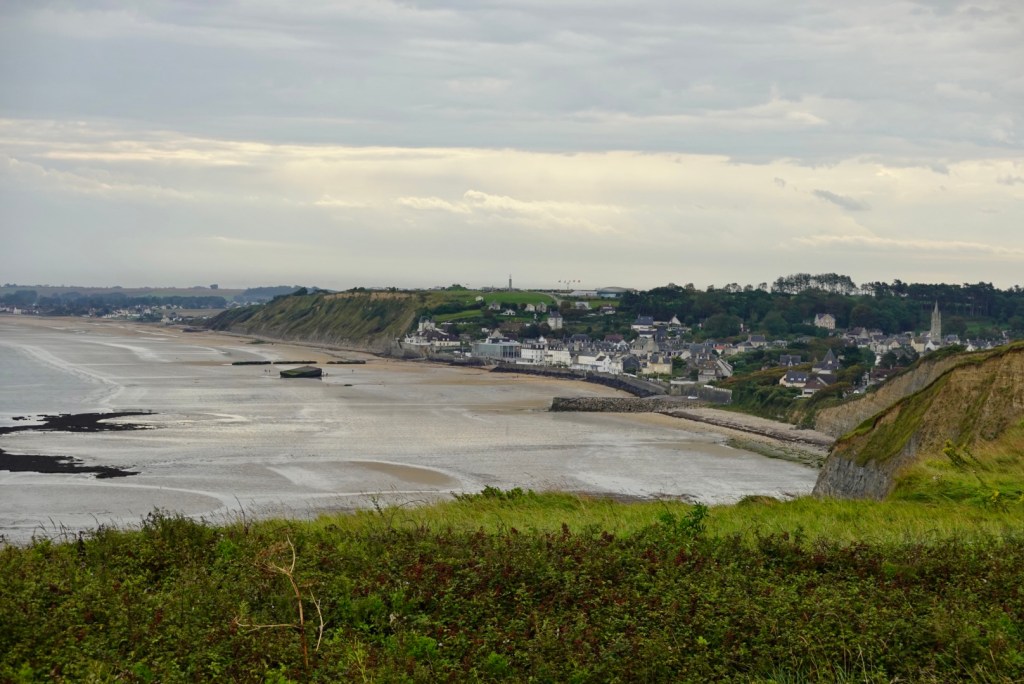
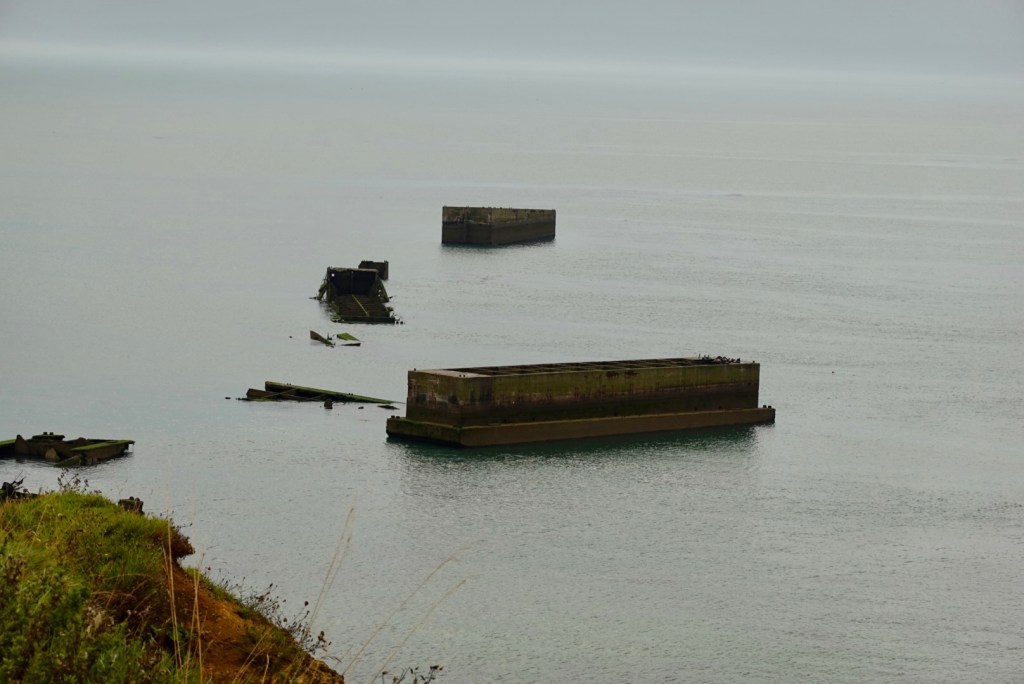
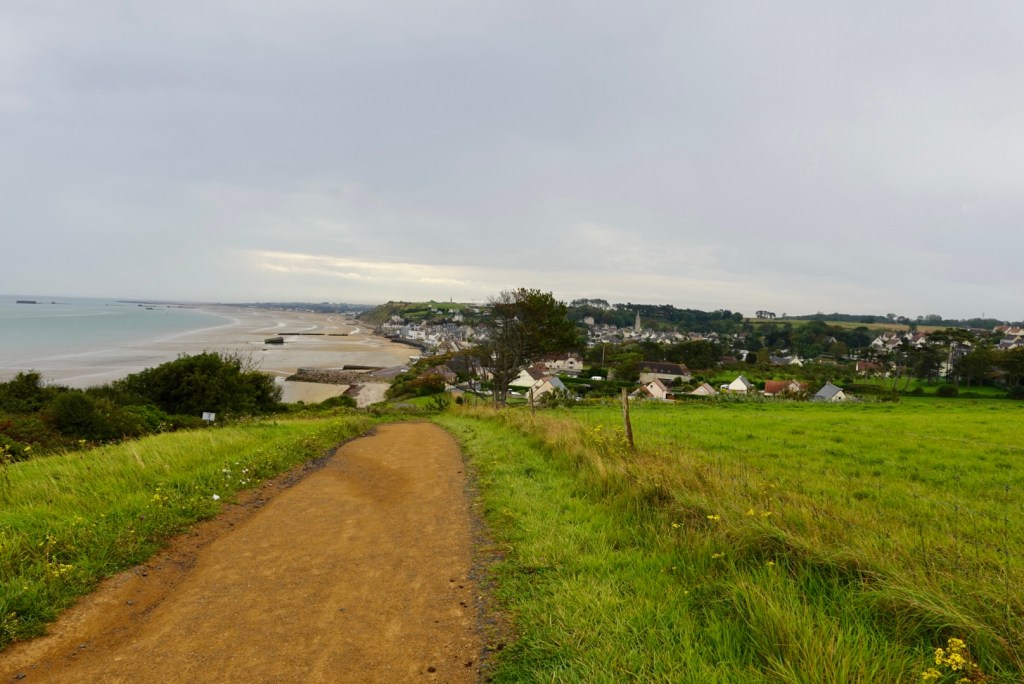
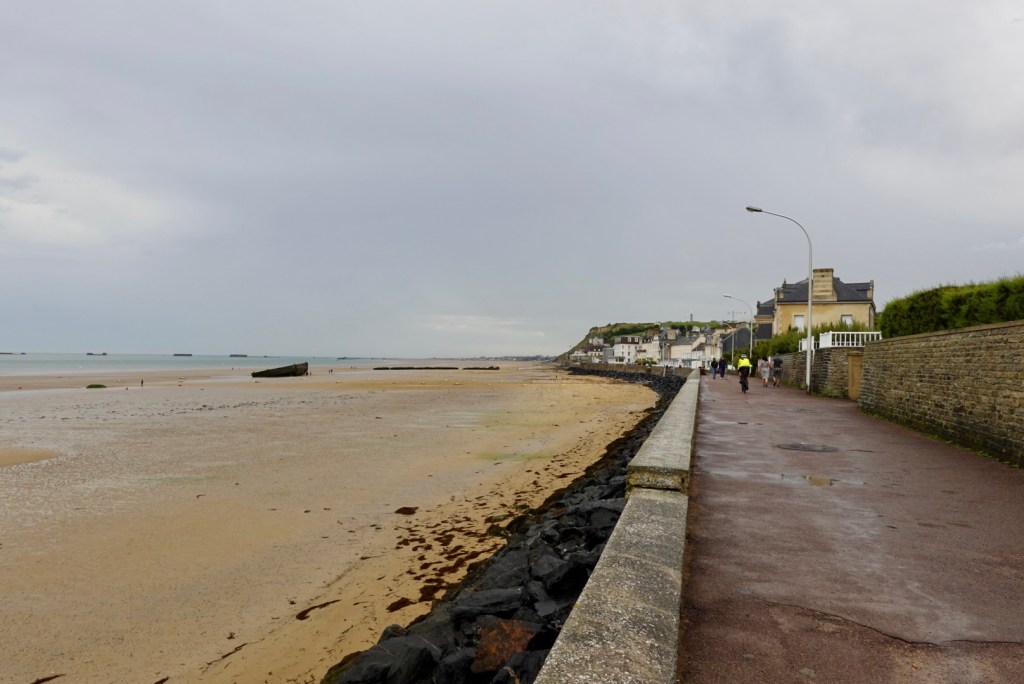
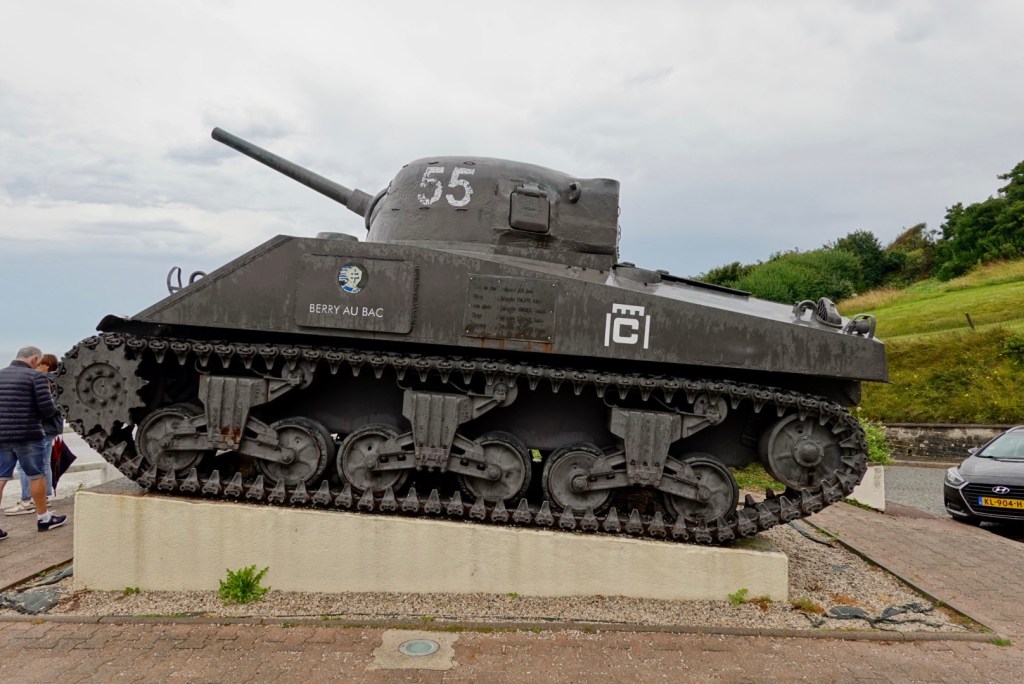
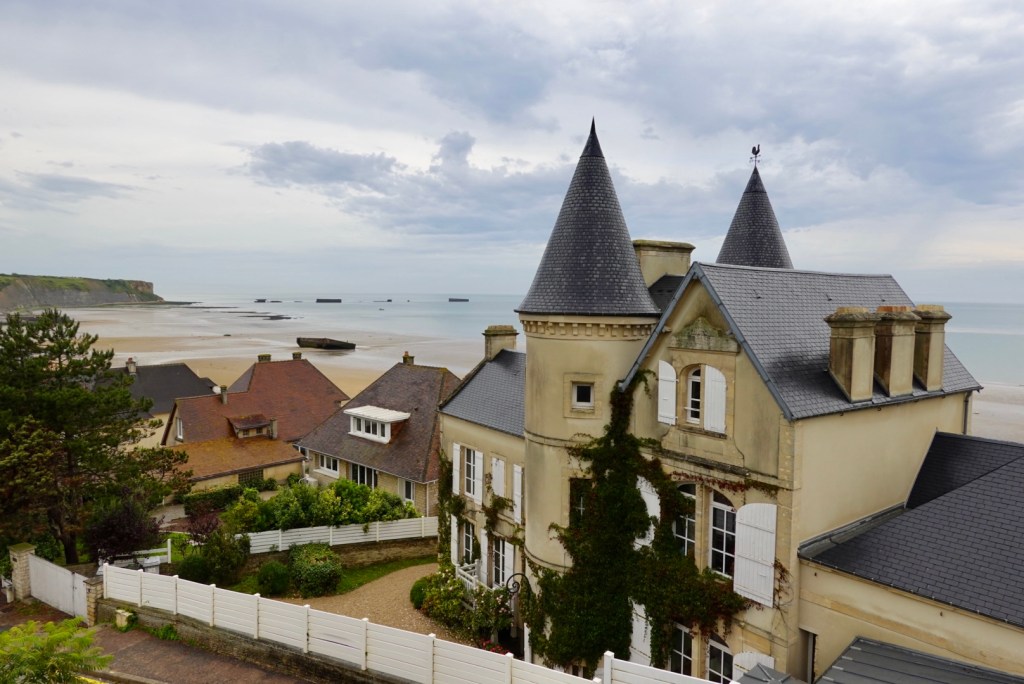
Arromanches is historic. It is where Gold beach invasions occurred, and where a Mulberry Harbour artificial port was installed, built and developed by Allied engineers. the second Mulberry Harbour was installed further west at Omaha Beach.

The Mulberry harbour Allier the disembarkation of 9,000 tons of material per day including heavy equipment, without waiting for the conquest of deep ports further north such as Cherbourg or Le Havre.

Mulberry Harbour remnants
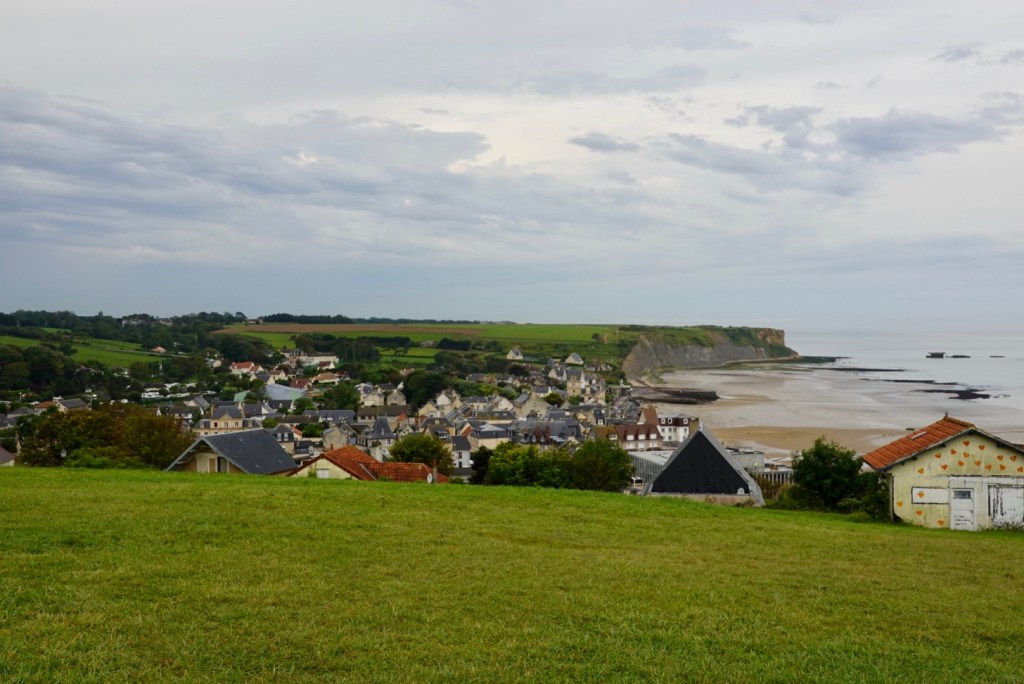
Approaching Arromanches
Closer view of harbour artefacts
The gravel path into Arromanches.

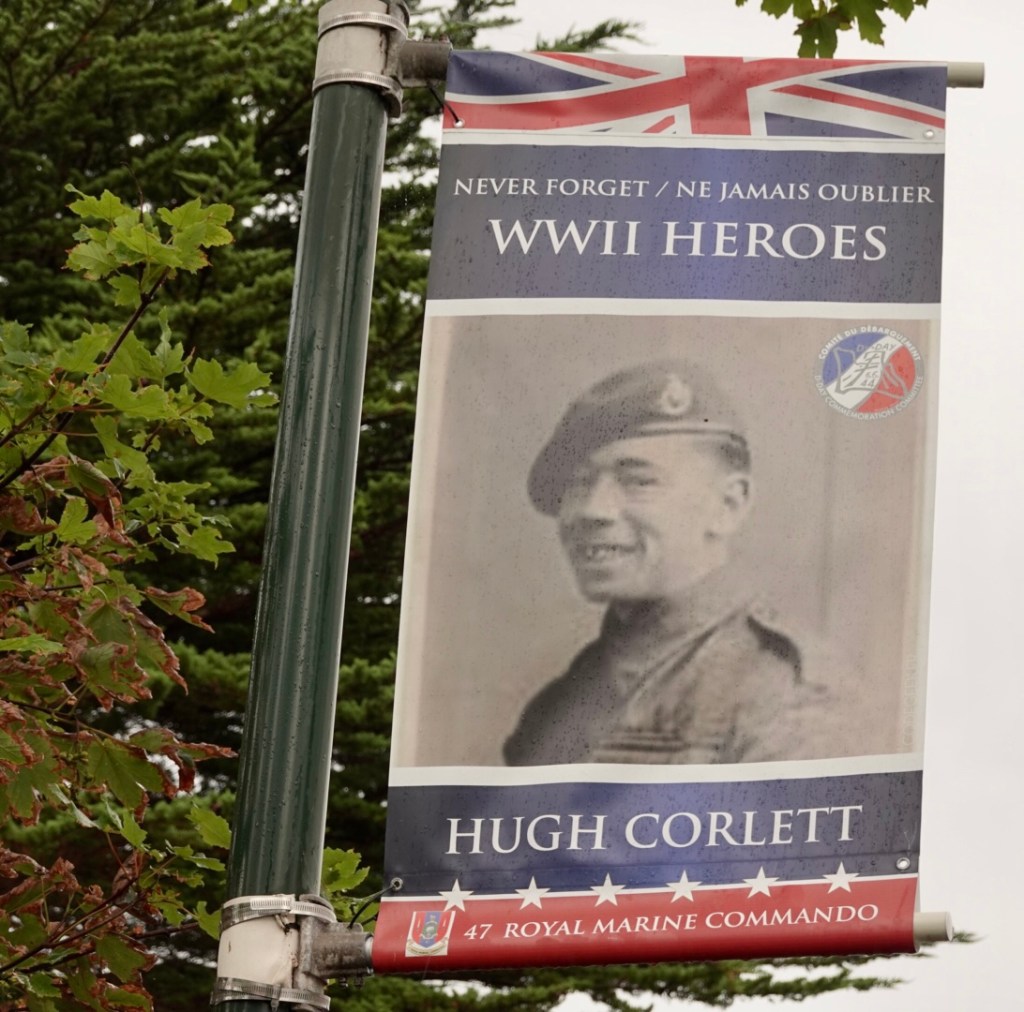
Once in the busy town the streets are lined with these banners on light posts remembering names of soldiers who fought and died.

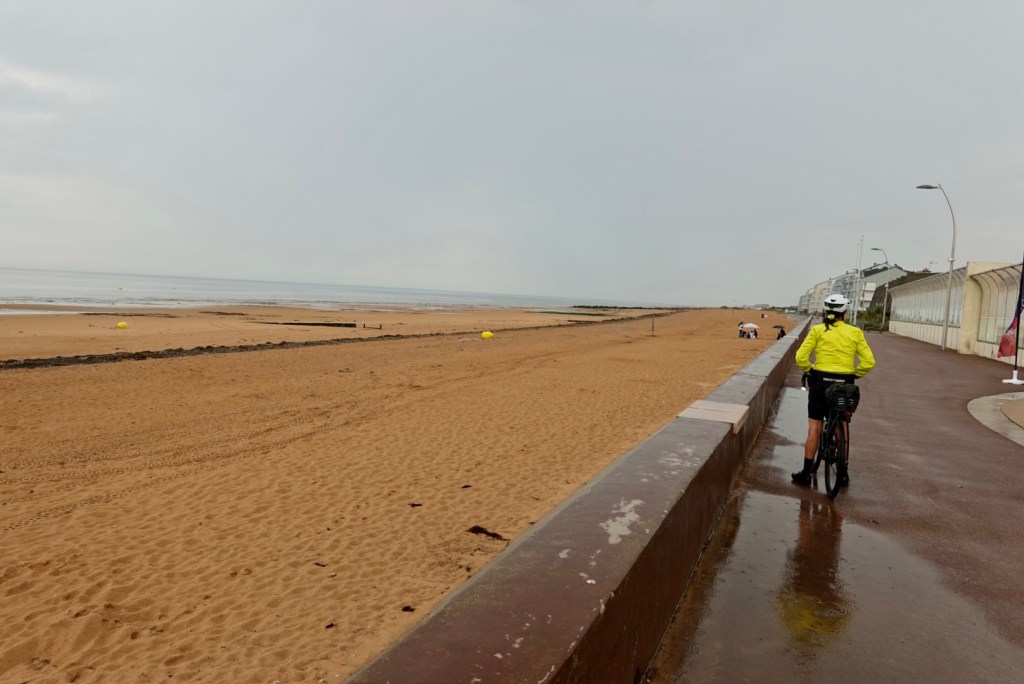
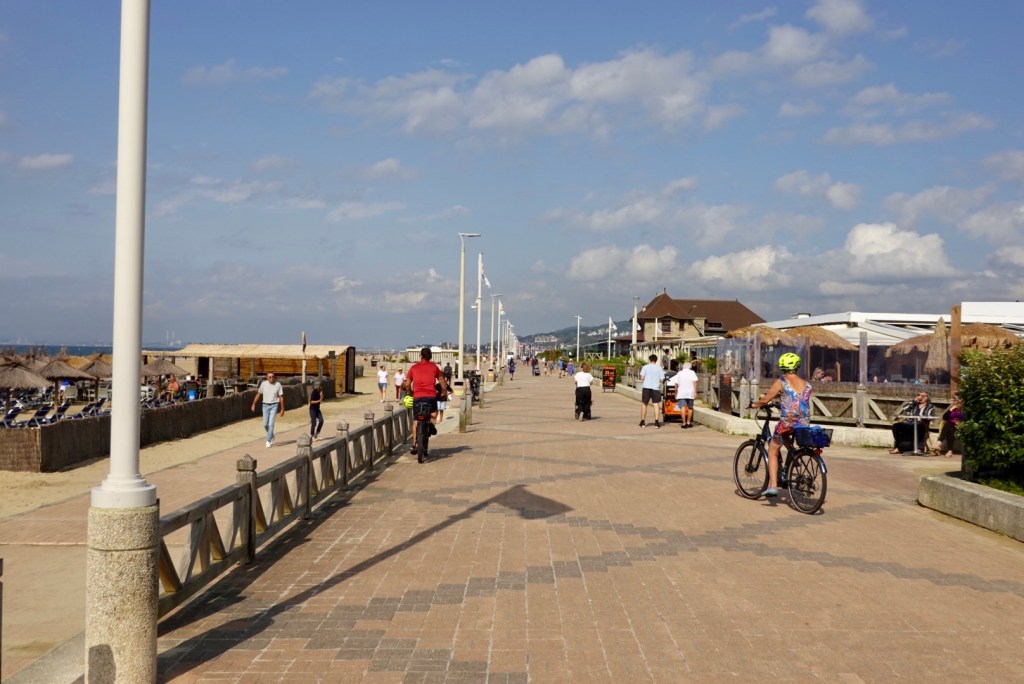
We rode a section along the beach boulevard
Turned inland to start the climb out.

It was a nasty climb out. It got to 19% in the last few hundred metres.

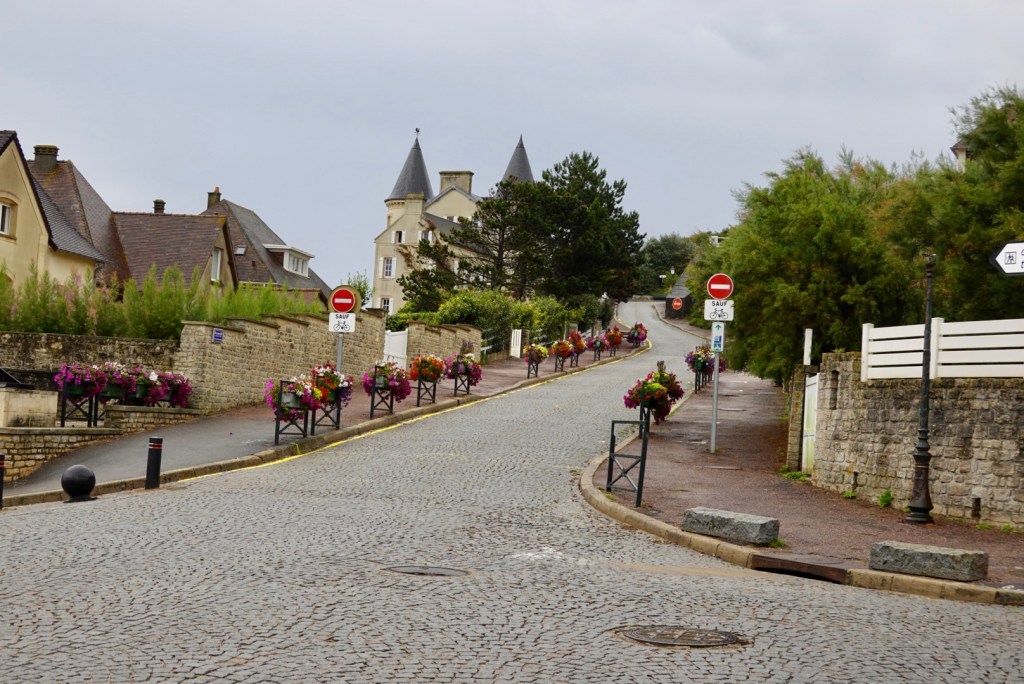
Some lovely homes with views
Nice vista looking back to where we had ridden from

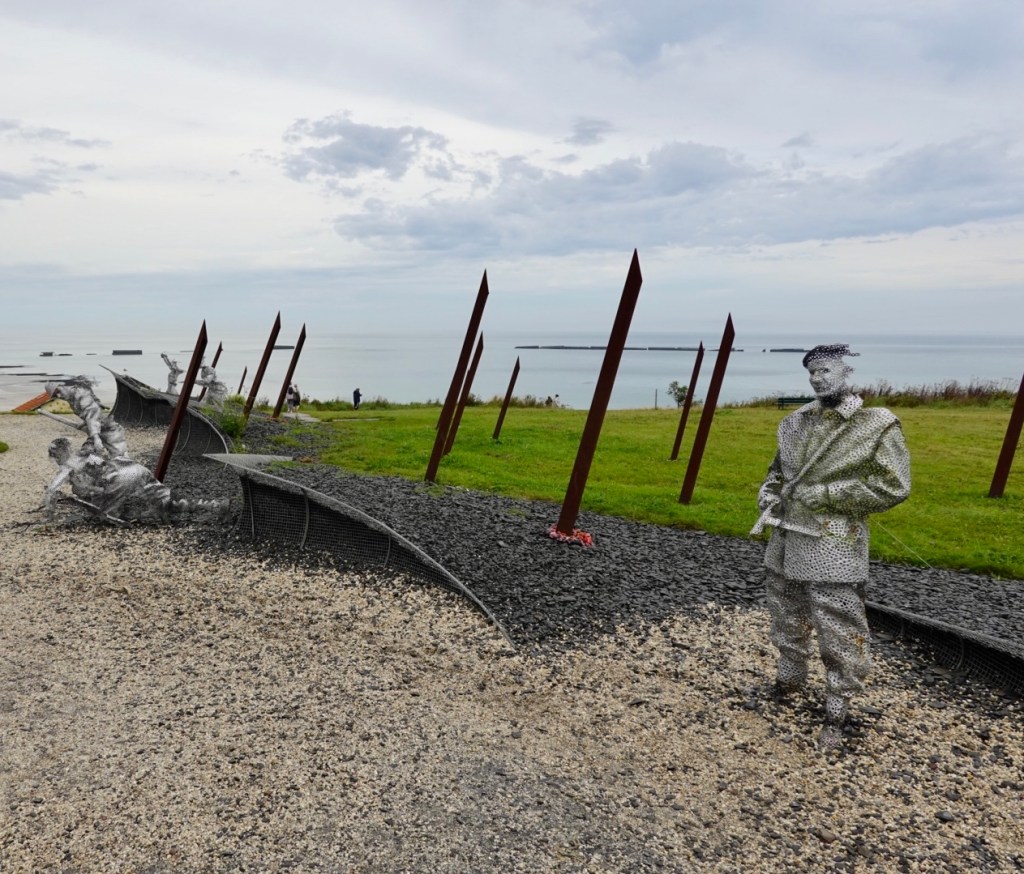
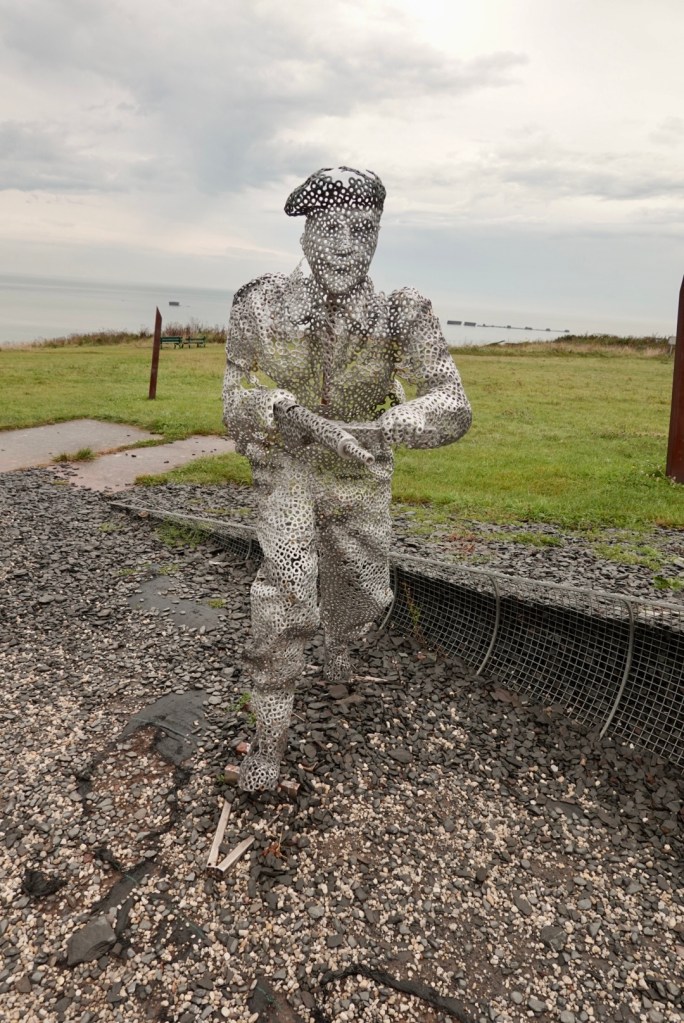
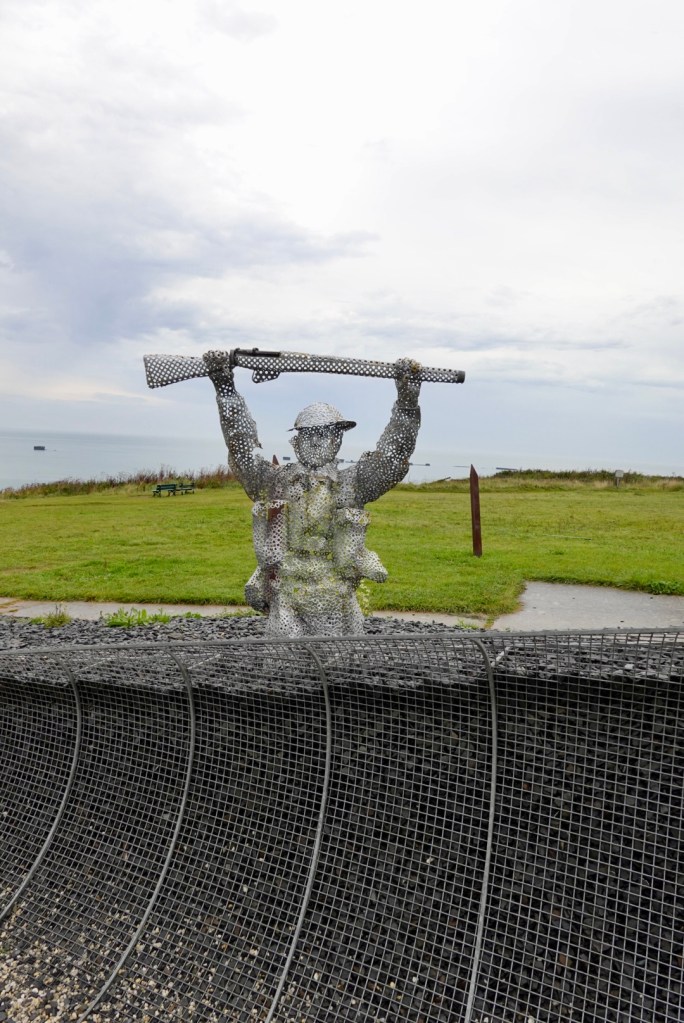
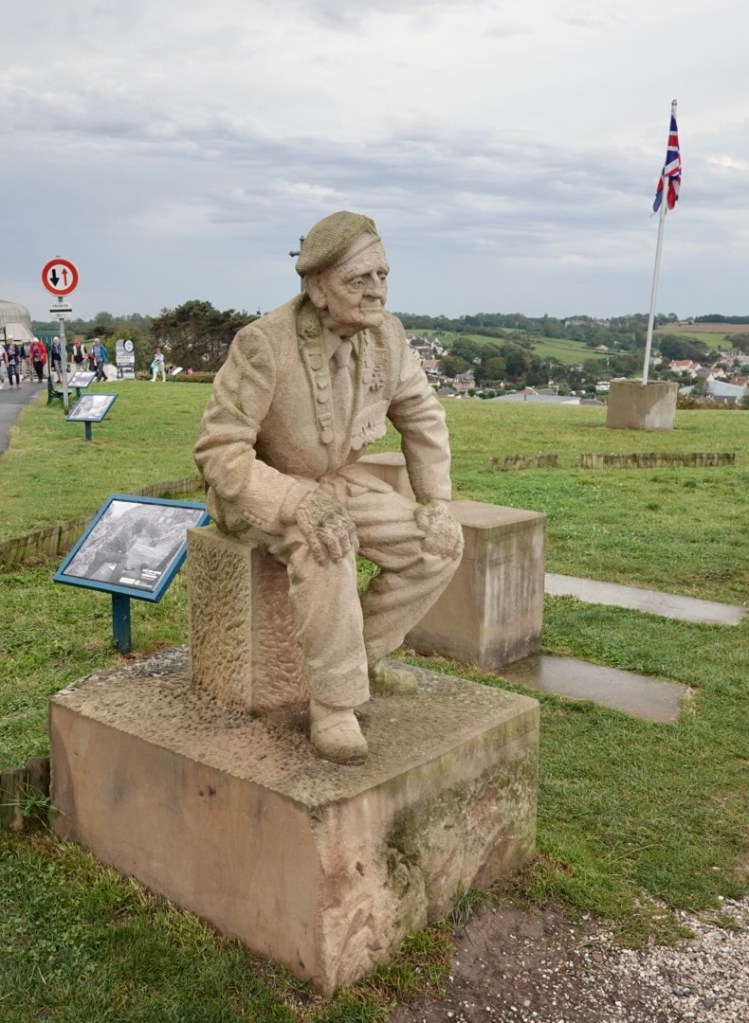
At the top overlooking Gold Beach is a large museum and multiple memorials. Some of the images.

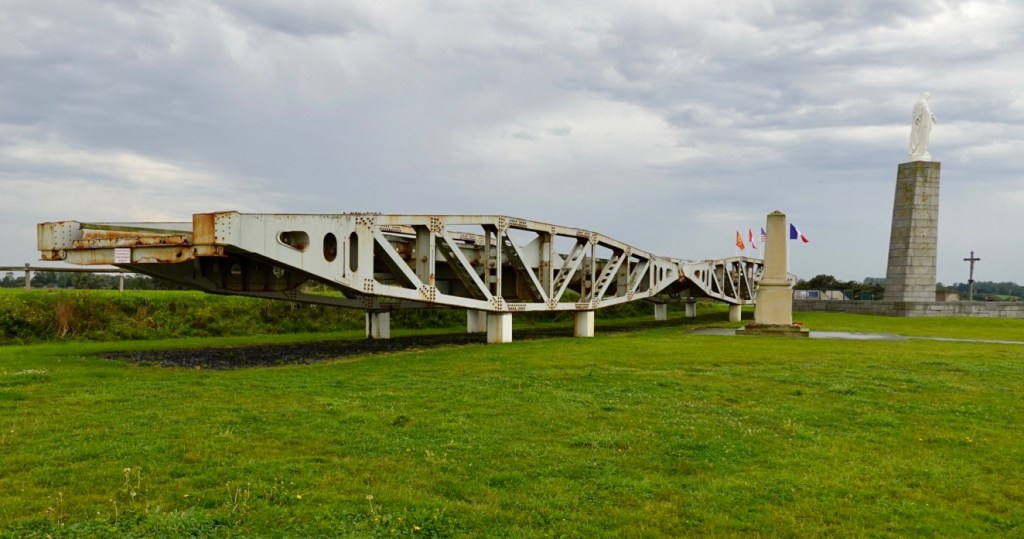
Transportation bridging left behind
Bike rides for hire

Travelling along the coast we came in and out of many beaches. It was raining again, but not heavily.

No matter where you looked there were things to see.

At Ouistreham traffic was busy as a port operates from there on the canal de Caen mouth, heading to Portsmouth in England.

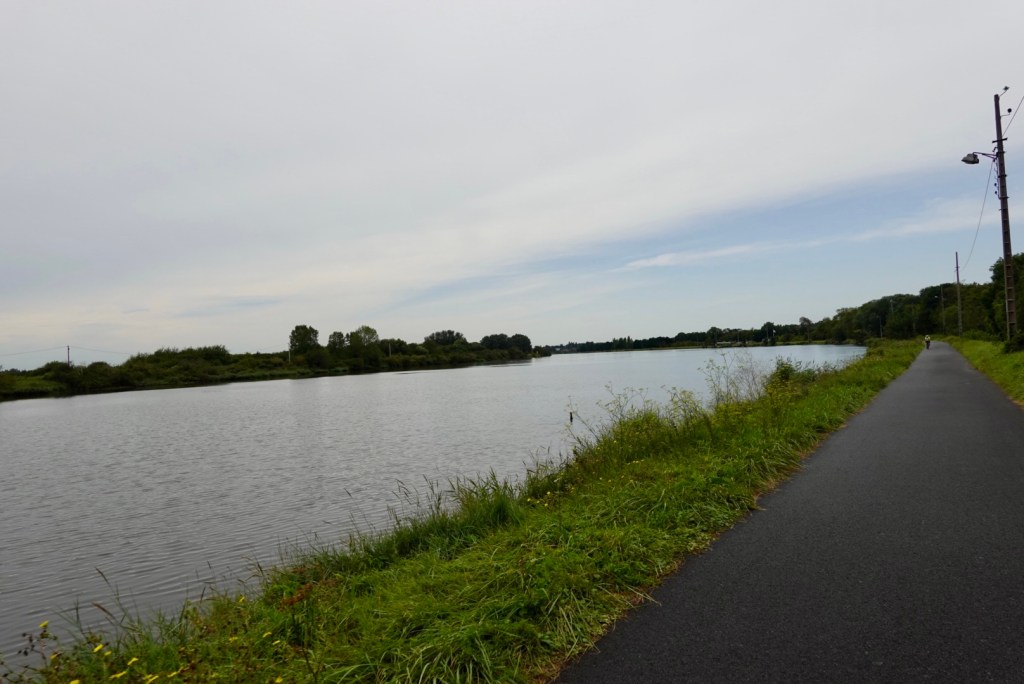
We followed the canal inland for about five km. The most disturbing site were the Sudanese refugees camped in the area. Part of their camp is adjacent to the shared pathway.

There are little log fires, piles of timber cut for more fires, washing out and I saw a man cleaning his teeth. They are all men and many were on their mobile phones so must have access to some $ and power.

This camp has been tolerated by authorities unlike some around Dieppe and Calais.

They are seeking to hide themselves on trucks crossing the ferry for a supposed better life in England. Maybe the support services are better in England vs France, I am not sure but it is a sad plight of society to see the reality of this situation.

Caen canal

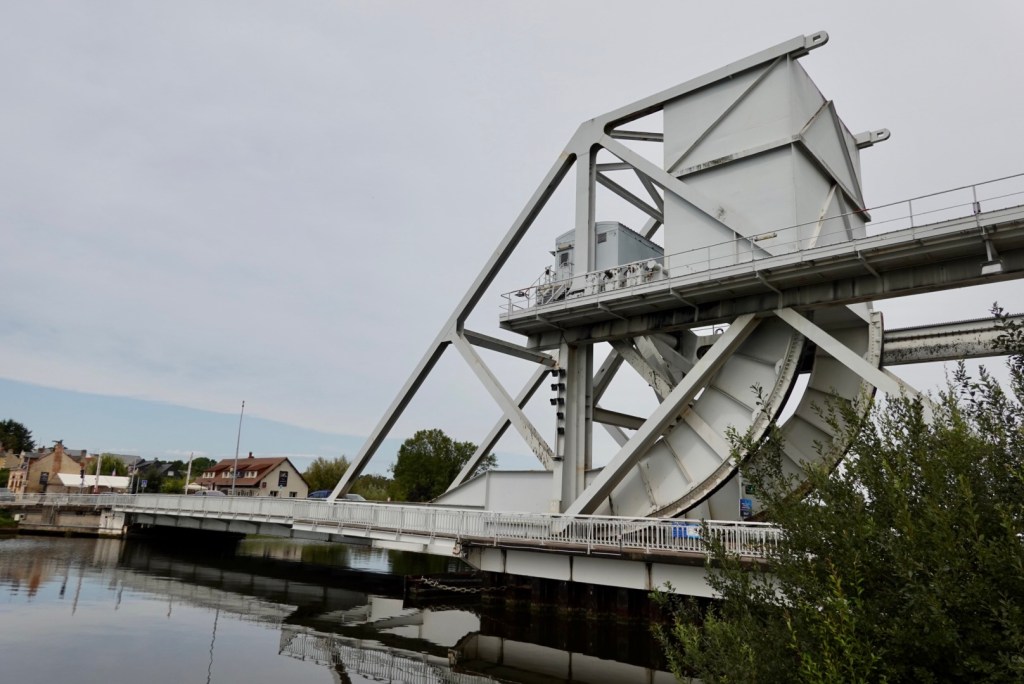
Pegasus Bridge marked the start of the Battle of Normandy. The British 6th Airborne Division landed near the bridge on the night of 5th June 1944, as a spearhead to the Allied Armies of Liberation.

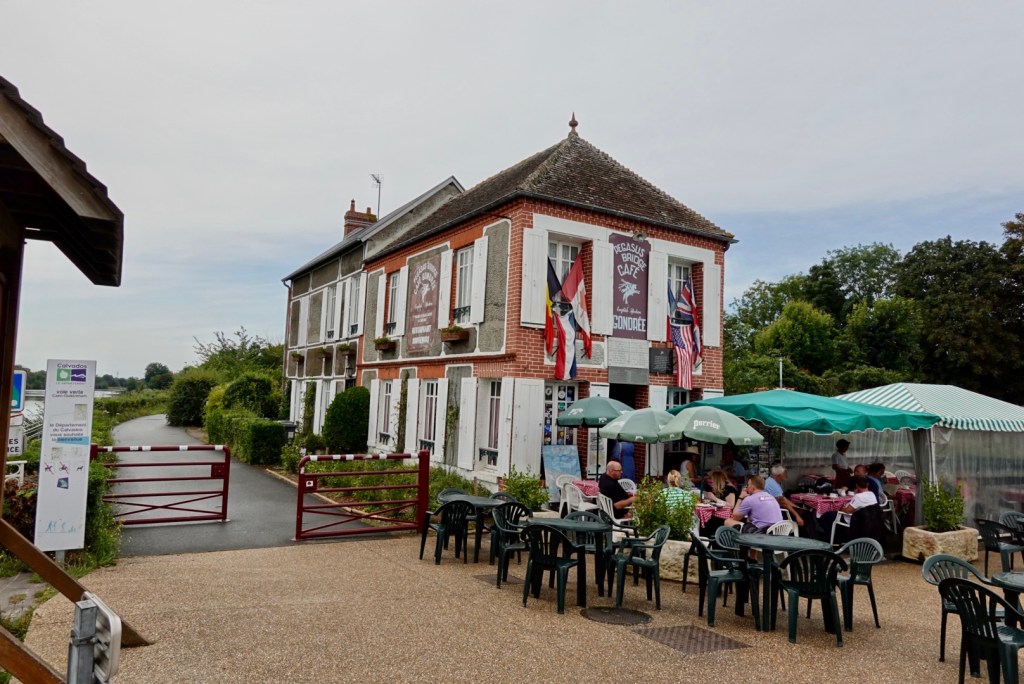
The Pegasus Bridge Cafe is arguably the first French house to be liberated with the arrival of three British paratroopers. The owners had been involved in the French Resistance passing on information about the defences around the bridge to the British through the French underground.

Pegasus Bridge cafe
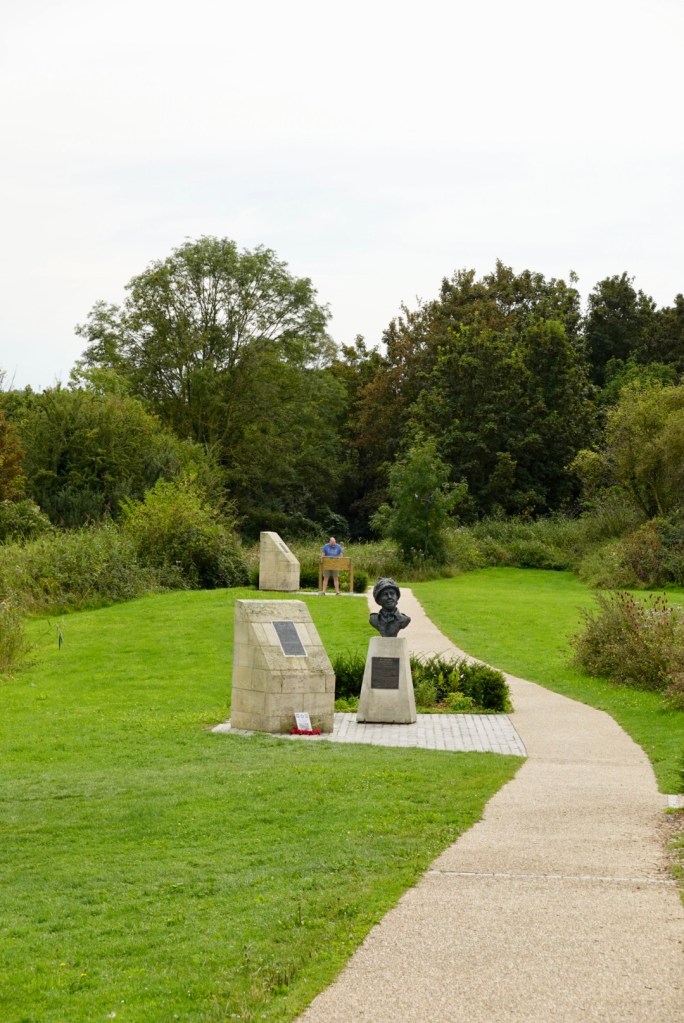
The area around where they landed.
The newer Pegasus bridge. The original from WWII is now in a war museum nearby,
Memorial close by

Along the coast there are so many large hotels, houses of various styles.

The weather was hot and humid in the afternoon. Lifeguards were patrolling beaches from their raised areas.

We rode through increasingly larger and busier towns. We aimed just to get through them as traffic was crazy. Cabourg, Deauville and Trouville being the hairiest,.

Nice church and tree
Roundabout of the day award
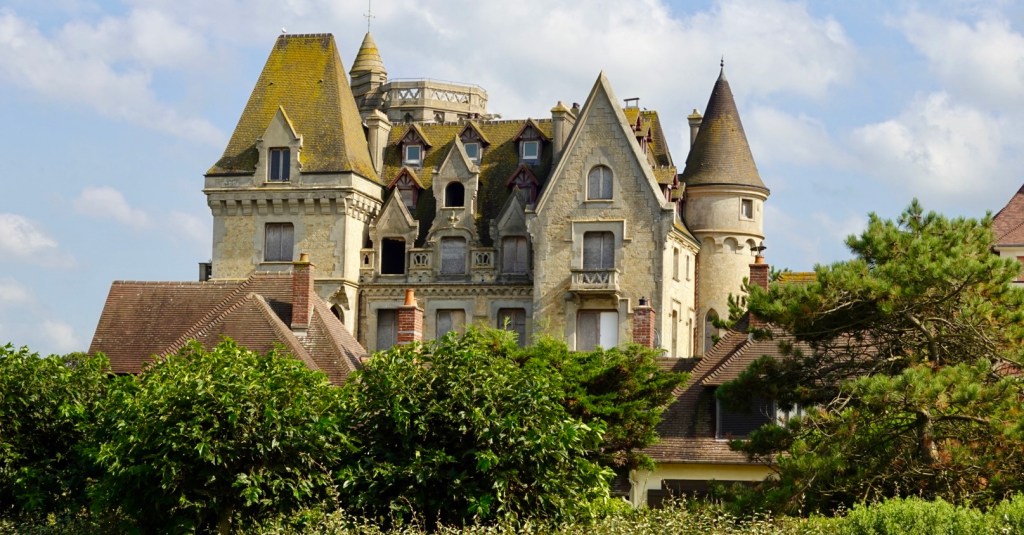
Abandoned mansion
More boulevards

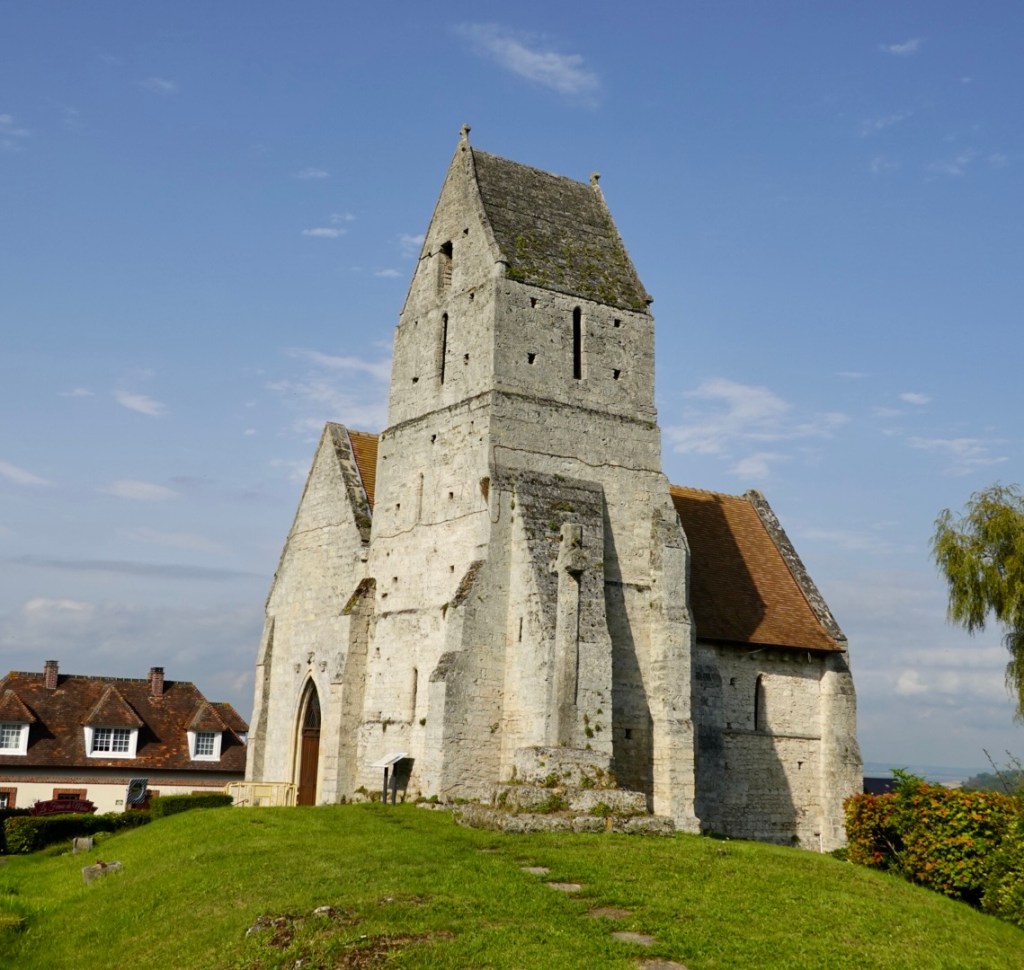
The last five km before Honfleur were again quieter rural roads, dotted with villages. I liked this old church.

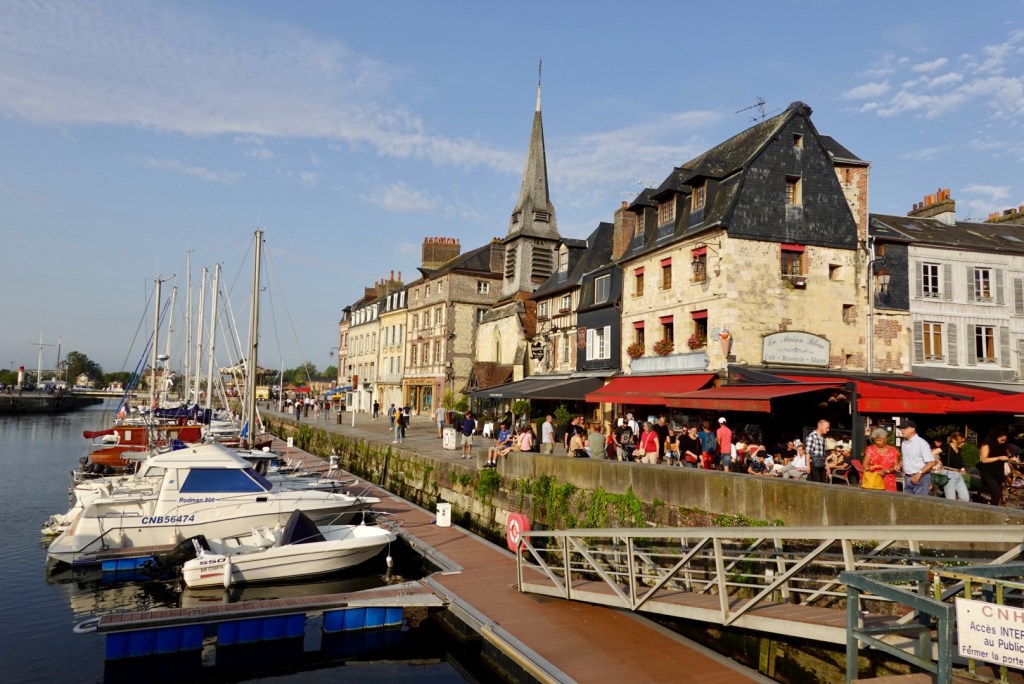
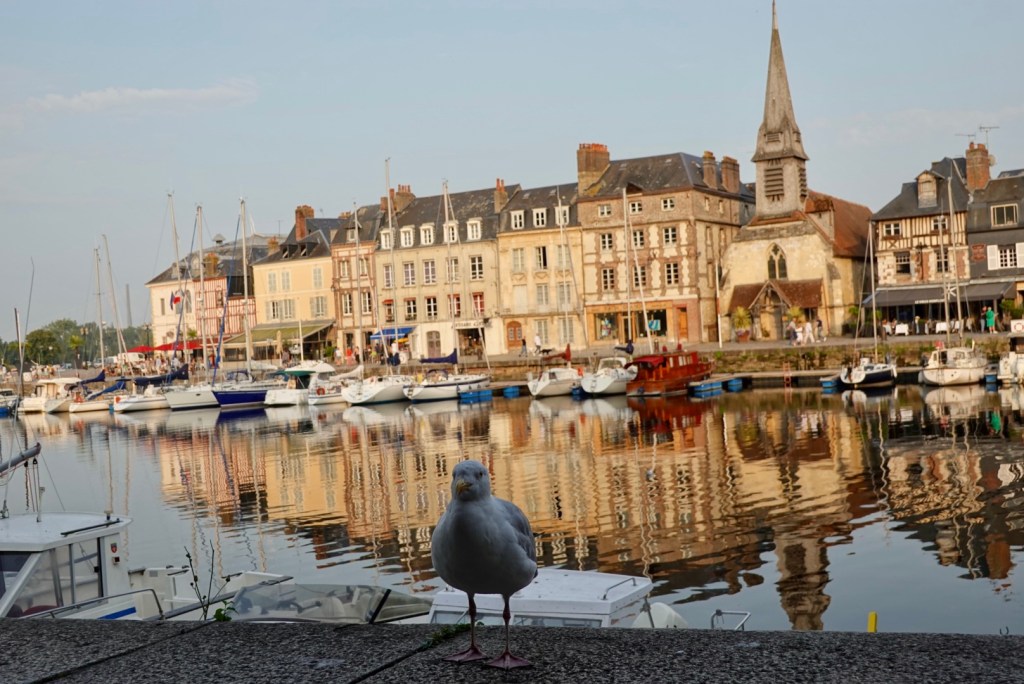
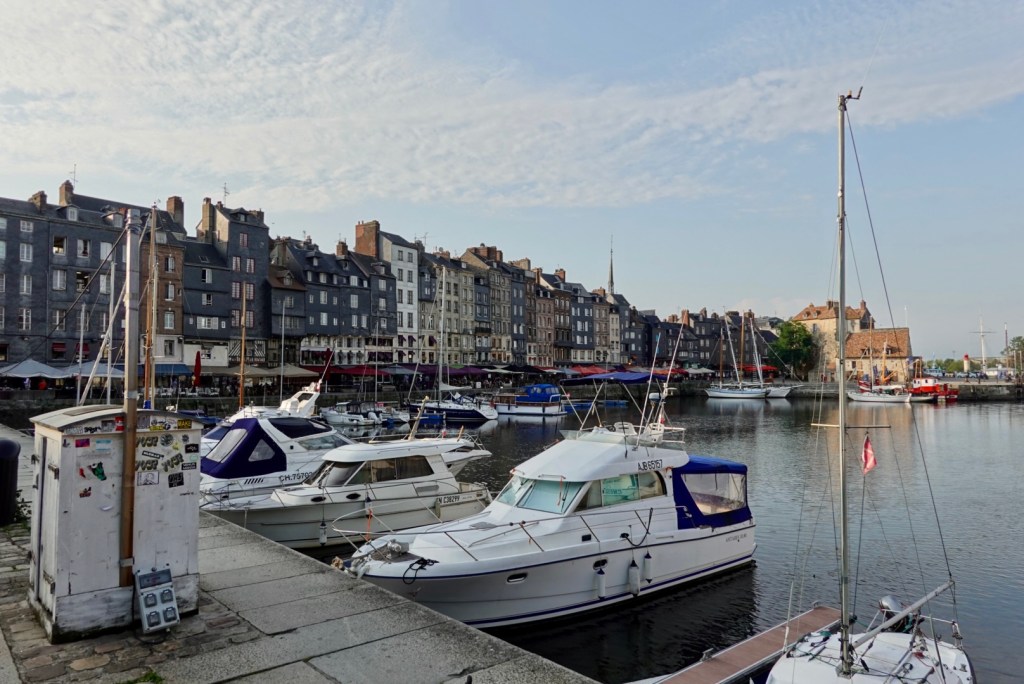
Honfleur was a major defensive port in the 15th century. At the heart of the town is the 17th century Vieux Basin with pictureque tall houses (up to 6-7 storeys).

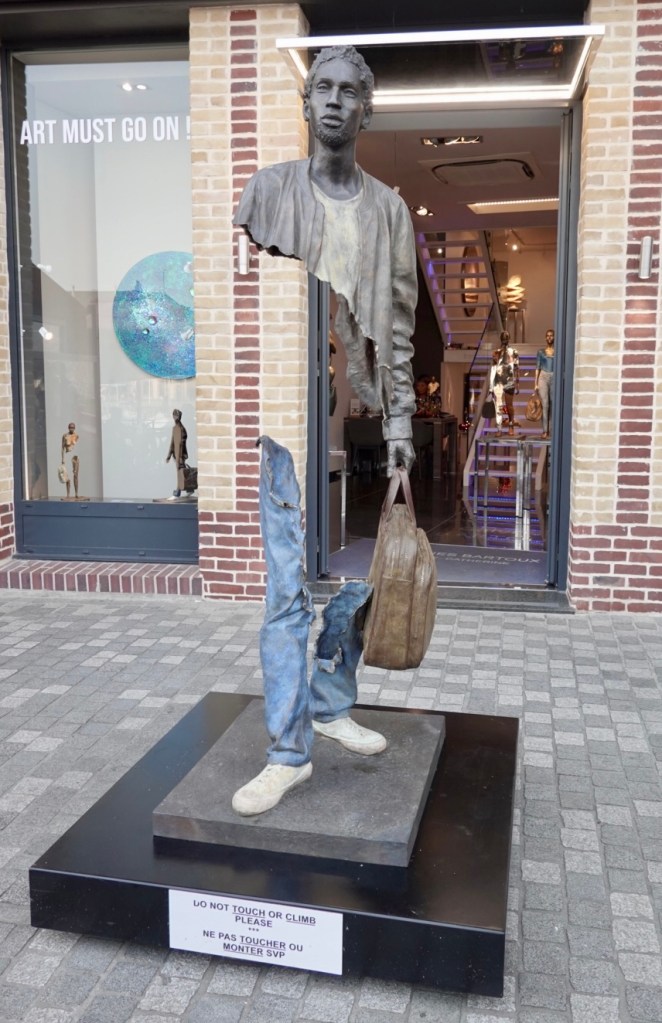
A series of photos from around Honfleur from our arrival by bike, then walking around. our hotel tonight? No issues!!

The view from where we had dinner.
The side of the harbour where we had dinner.
An amazing piece of art.
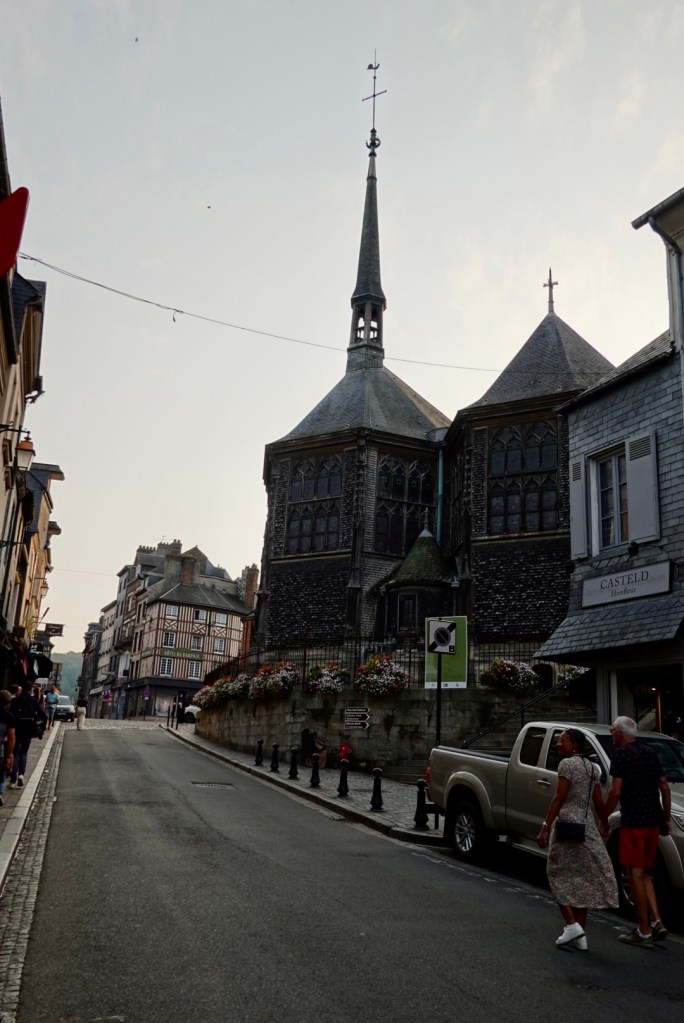
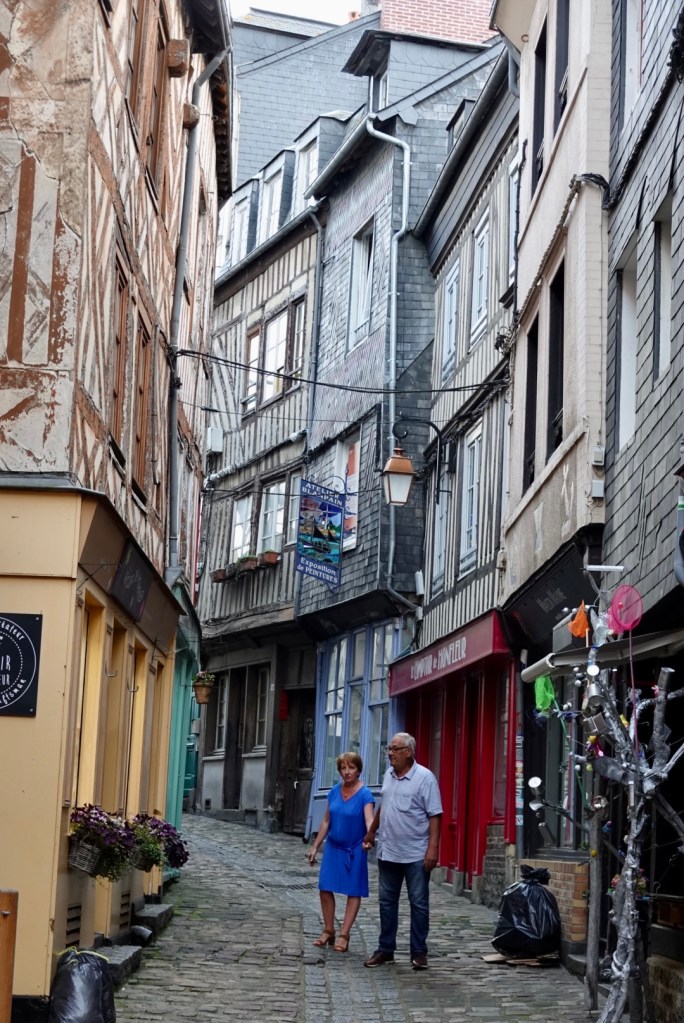
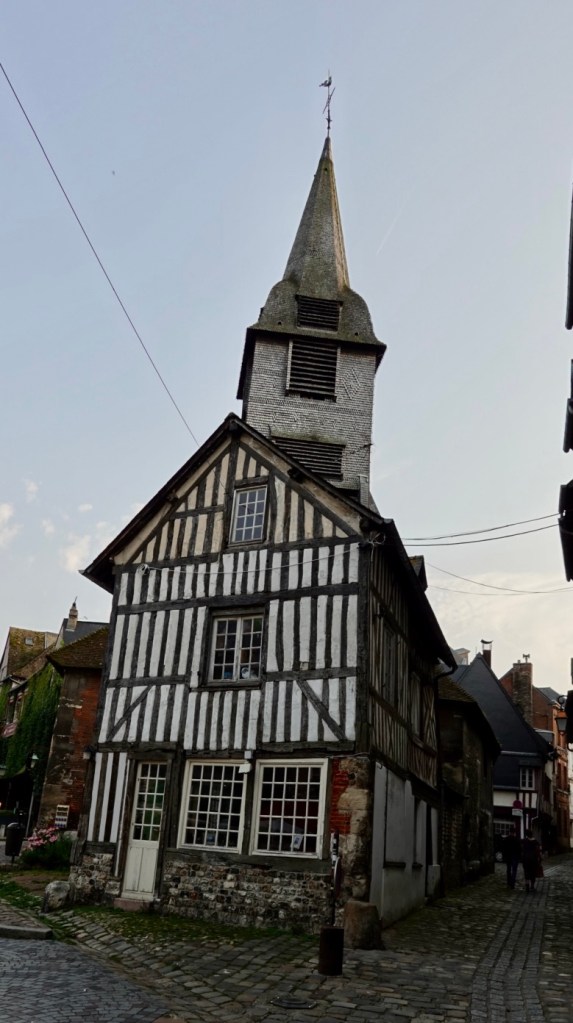
Streetscape including the back of St Catherine’s.
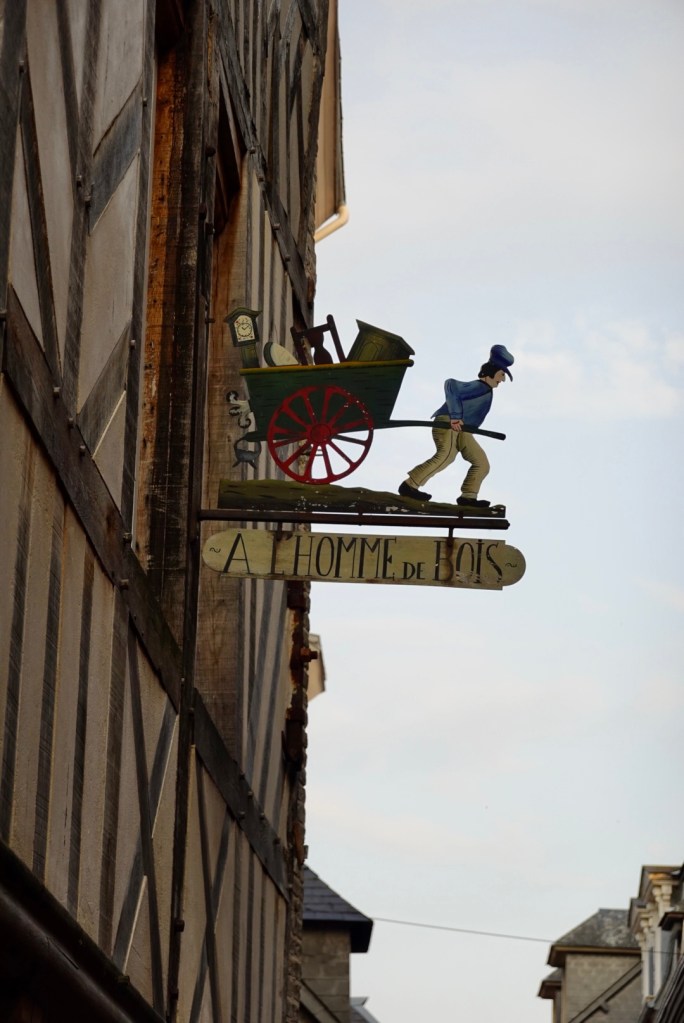
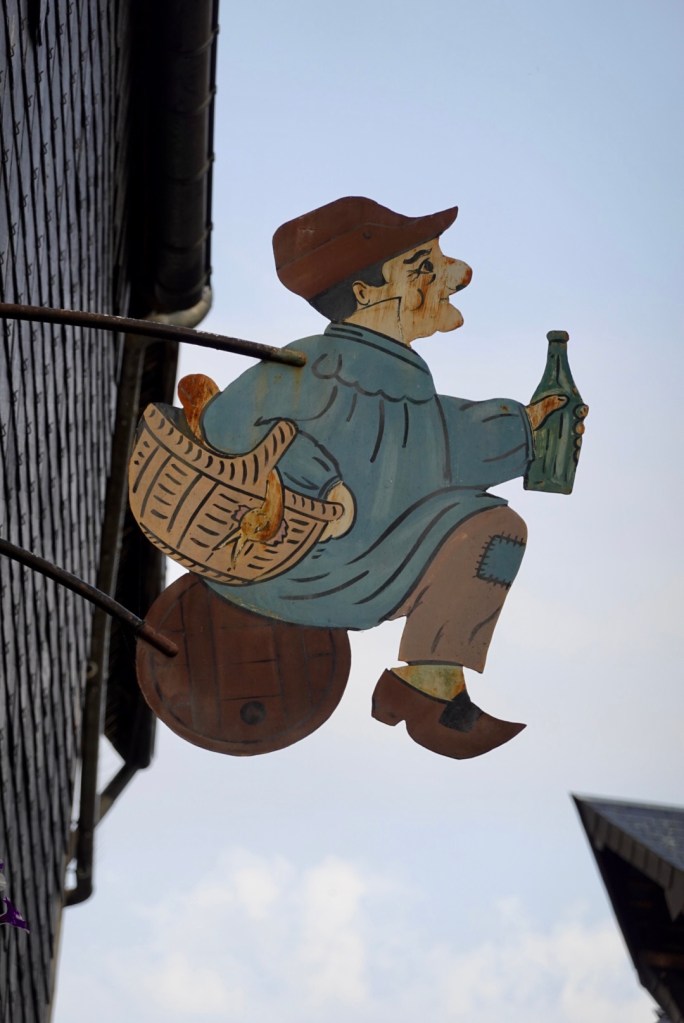
Interesting building sign
And another.
She does not look happy.
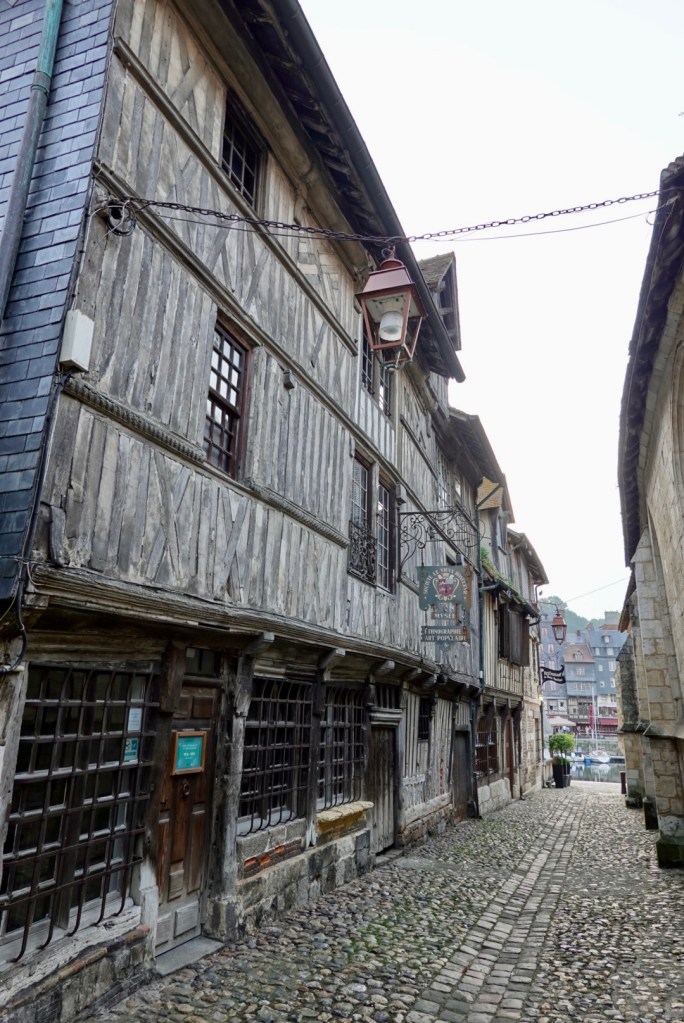
Curious old building

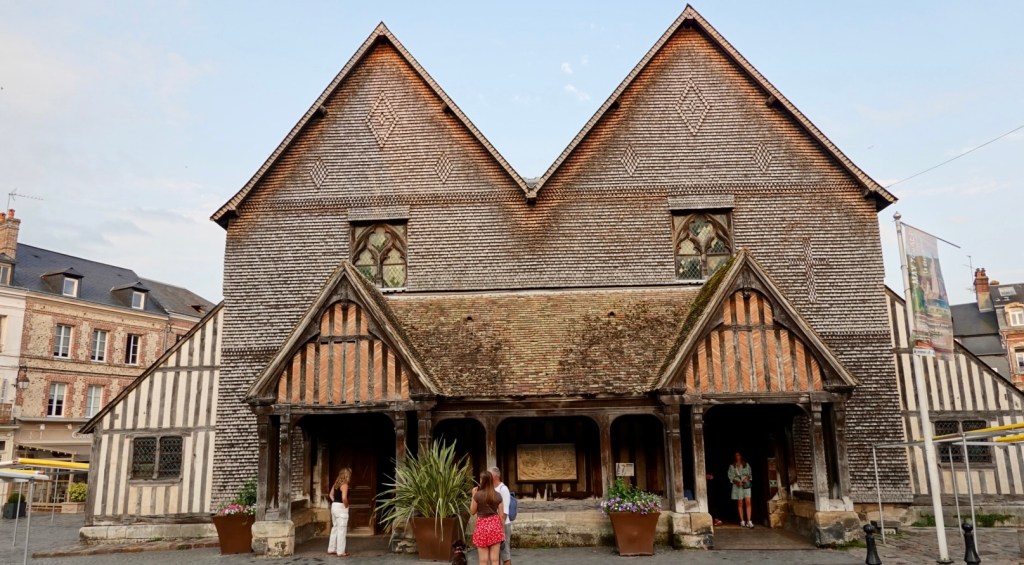
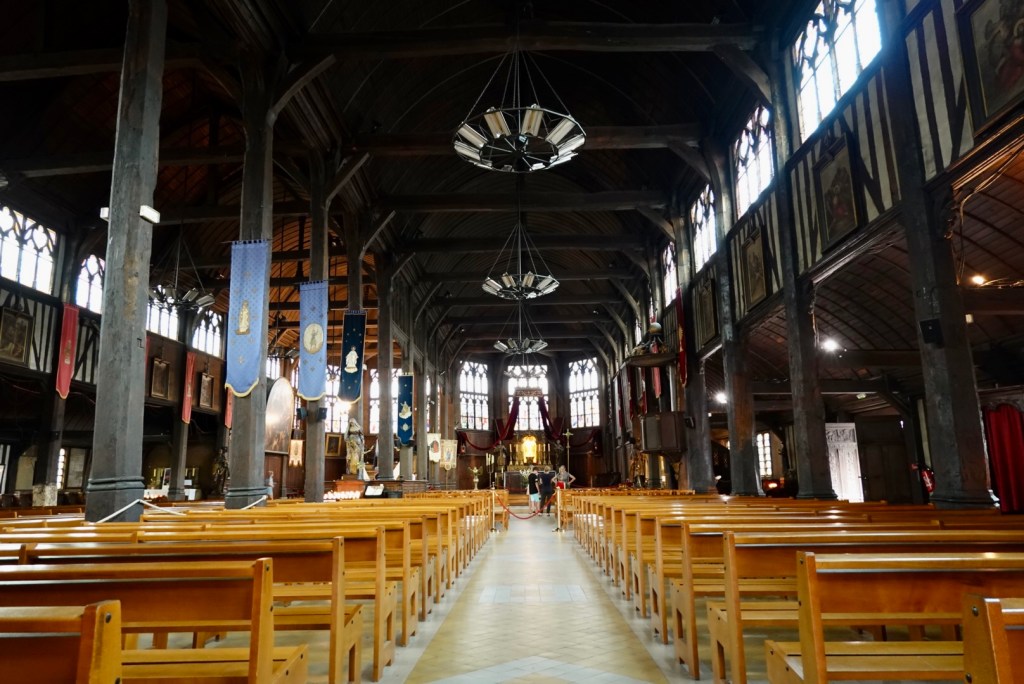
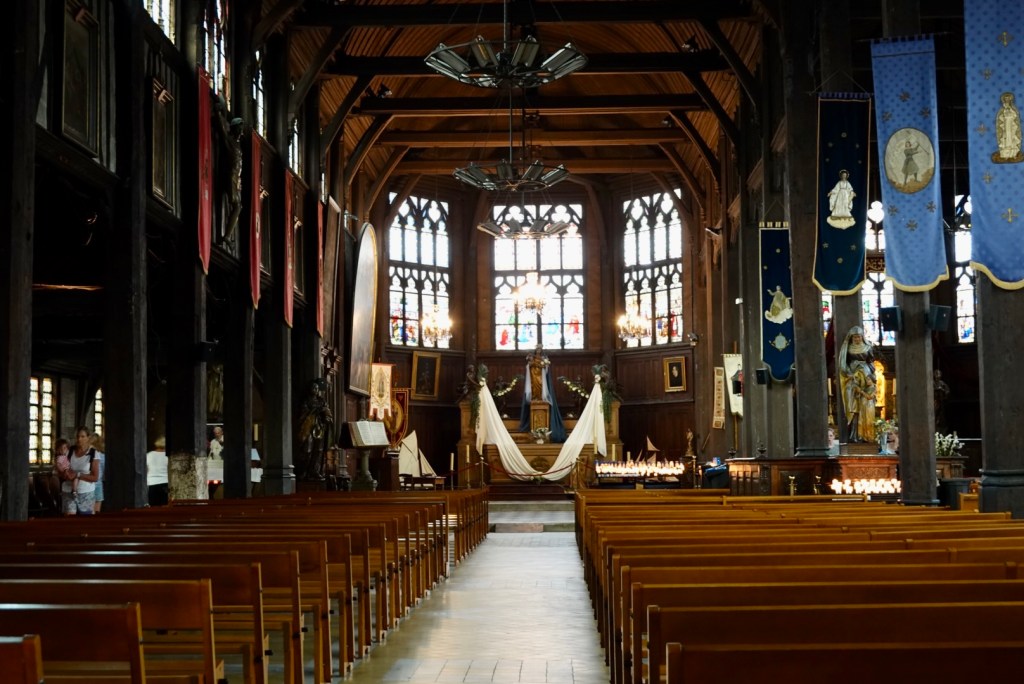
Saint Catherine’s is the largest church in France built of wood with a bell tower separated from the rest of the building. Initially built of stone, it was destroyed in the 15th century during the Hundred Years War.

It was rebuilt on the same site using wood as it was cheaper and readily available. It was constructed by maritime workers.

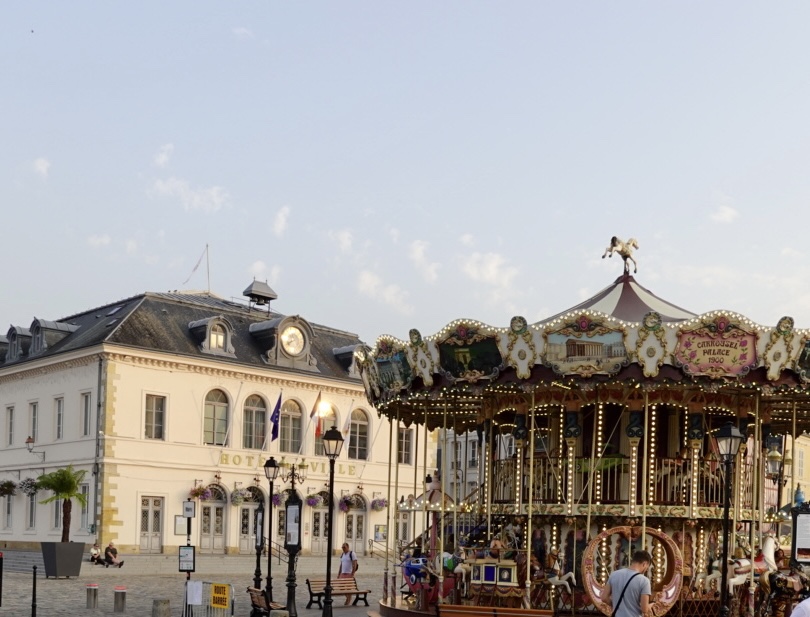
Back in and around town we walked past more buildings and carnivals.

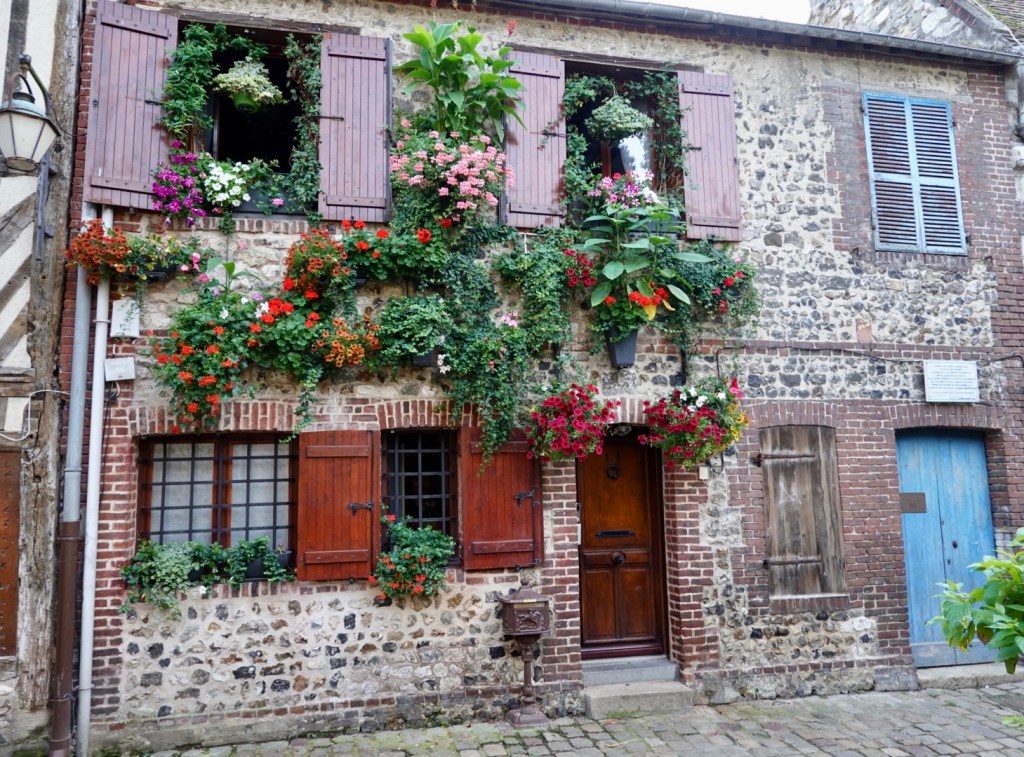
Loved the flower boxes

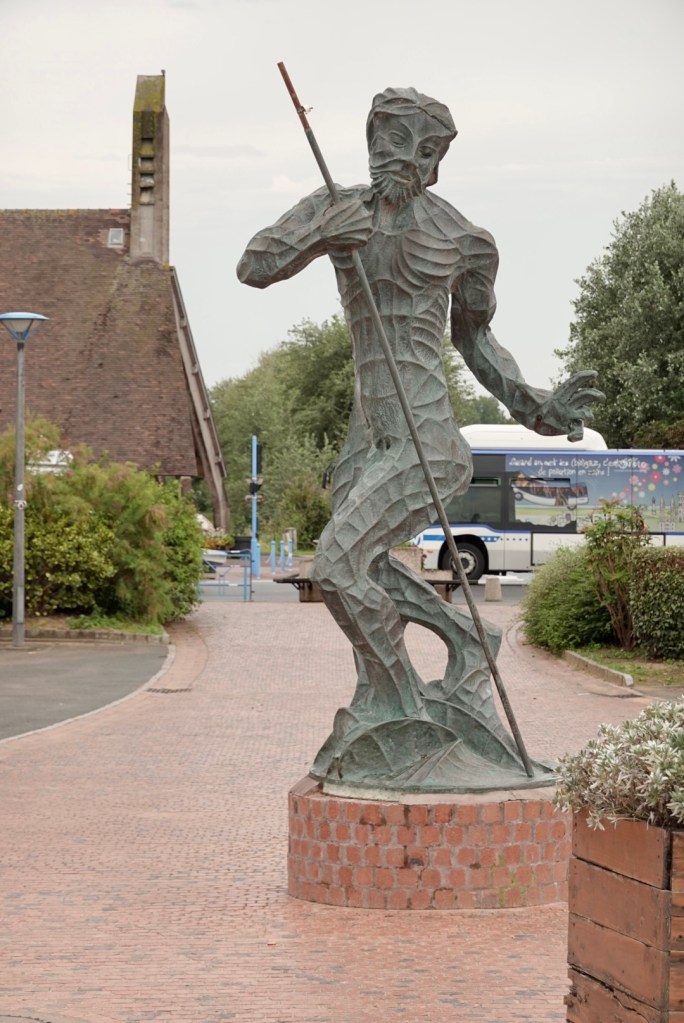
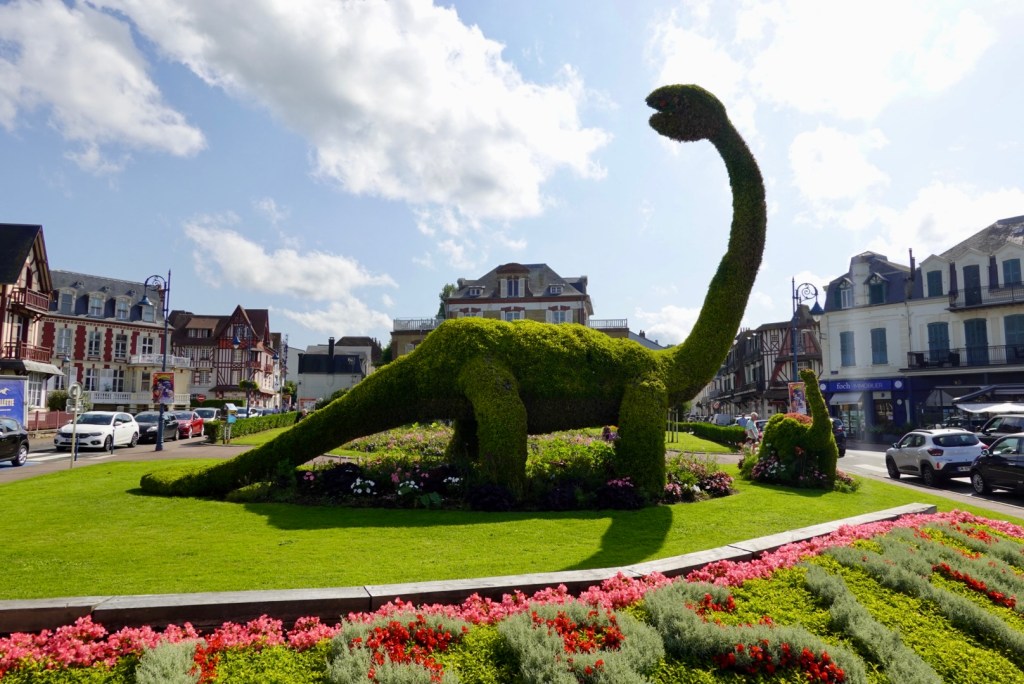
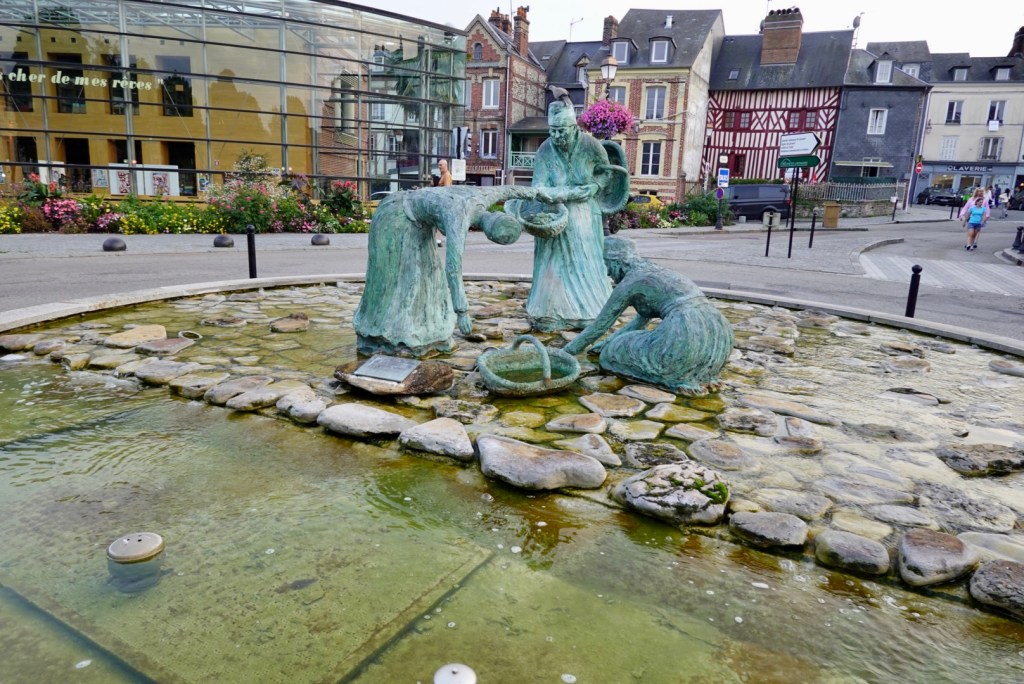
Finishing off with another lovely roundabout statues, views of old and modern behind, it was time to hit the sack.

Honfleur is a very interesting place. We’ve had an educational day just touching on the significant history in the area.

No maps today as we could not upload our bike computers here. Hopefully next hotel we can.

Thanks for reading 😊❣️